

Choose the Assembly From the Device Code
An iPad mini 4 battery replacement order starts with the tablet’s model code, an approved finished-pack reference and a clear description of the supplied parts. Use a separate approval record for an iPad mini 6 battery replacement. Both devices belong to the compact iPad family, but their different enclosure and charging designs require their own application evidence.
For repair chains, wholesalers and refurbishers, the purchasing task has three parts. Identify the tablet, qualify the proposed assembly and release each production lot against that approval. Keeping these records connected lets a warehouse issue the right unit and gives quality staff a way to investigate a return.
Identify Mini 4 and Mini 6 at Intake
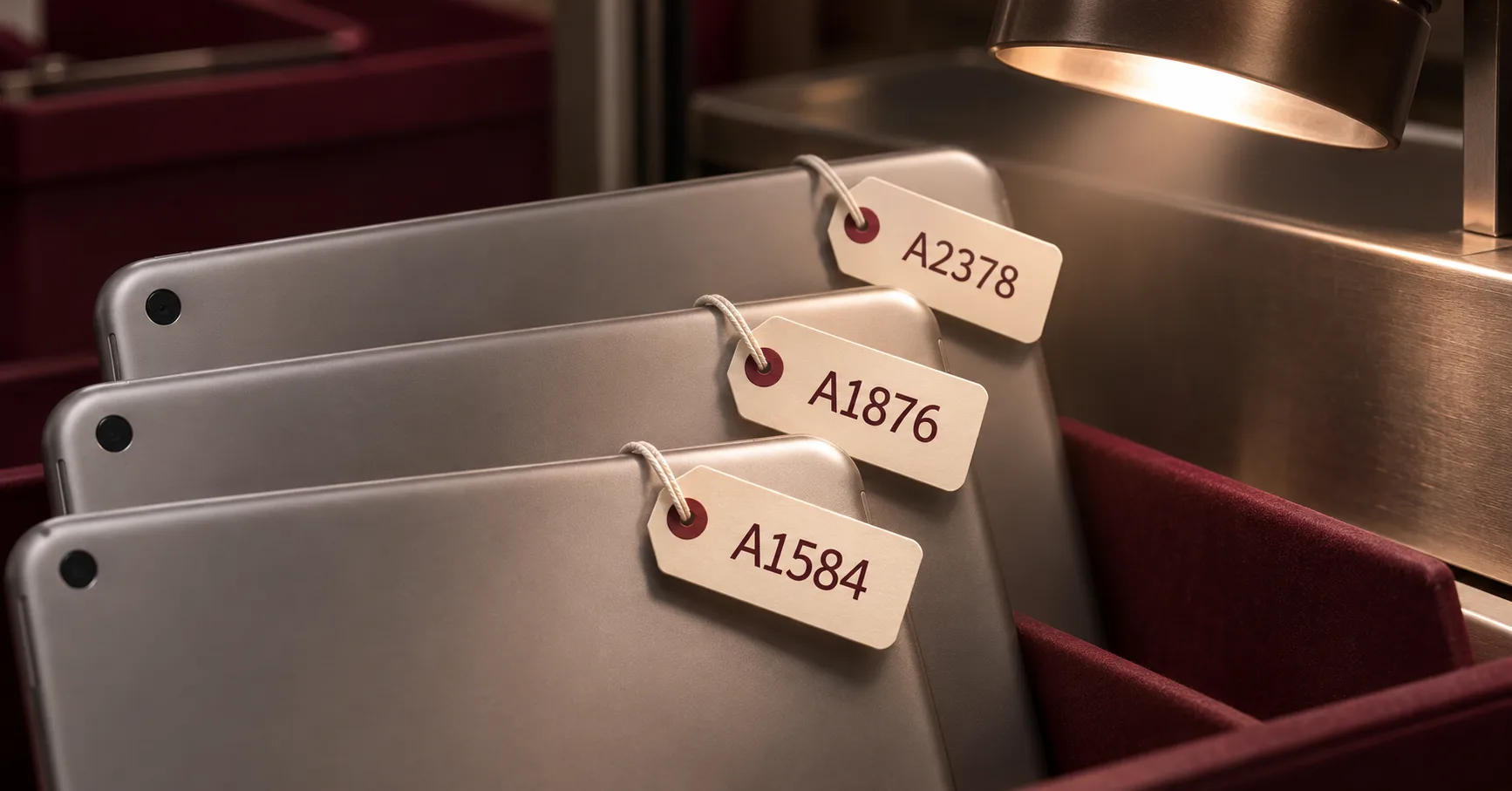
Apple’s identification guide lists A1538 for the mini 4 Wi-Fi model and A1550 for its cellular version. The mini 6 appears under A2567 for Wi-Fi and A2568 or A2569 for cellular variants. Capture the full code from the device and check it against the guide before selecting a stock item. Apple labels the relevant field Model number (on the back cover)
. Apple Support — Identify your iPad model.
Physical features provide a useful first check. Mini 4 has a home button and Lightning port. Mini 6 has Touch ID in the top button and a USB-C port. If a replaced housing or conflicting intake description creates uncertainty, have the repair team resolve the device identity before allocating parts. Retain the confirmed code on the work order and supplier inquiry.
Read the Original Battery Data in Context
| Reference field | iPad mini 4 | iPad mini 6 |
|---|---|---|
| Original battery energy | 19.1 Wh | 19.3 Wh |
| Device charging connector | Lightning | USB-C |
| Fingerprint sensor position | Home button | Top button |
| Device model codes | A1538, A1550 | A2567, A2568, A2569 |
Apple’s technical specifications identify a 19.1 Wh built-in battery for mini 4 and a 19.3 Wh battery for mini 6. These device energy references differ by 0.2 Wh. Use them to understand the original specification, then request the declared voltage, capacity and energy of the exact replacement offered. Apple Support — iPad mini 4 technical specifications and Apple Support — iPad mini 6 technical specifications.
The mini 6 specification also cautions that actual results will vary
with battery claims. Runtime reflects the full device and its workload. For an acceptance test, define the display settings, network state, software version and workload your repair program will use. Compare each model with a suitable reference device under the same conditions.
Compare Quotes Using One Specification Sheet

Send suppliers one common sheet for iPad battery sourcing. Put the full device application in the first column and the supplier’s finished part number and revision in the next. Request the same electrical declarations, packaging scope and sample evidence from each bidder. This makes omissions visible before the price comparison.
When one quote uses mAh and another uses Wh, ask for the finished pack’s nominal voltage. Multiply amp-hours by nominal volts to reconcile declared energy. A hypothetical 5,000 mAh pack at 3.8 V represents 19 Wh. Record those assumptions beside the calculation and compare measured performance using a separate agreed test method.
Require suppliers to define whether a figure is a declared minimum, typical value or sample measurement. A measurement should identify the tested unit, method, equipment, temperature and endpoint. Retain the results with the sample revision so a later shipment can be checked against the same requirement.
Define What Arrives in Each Package
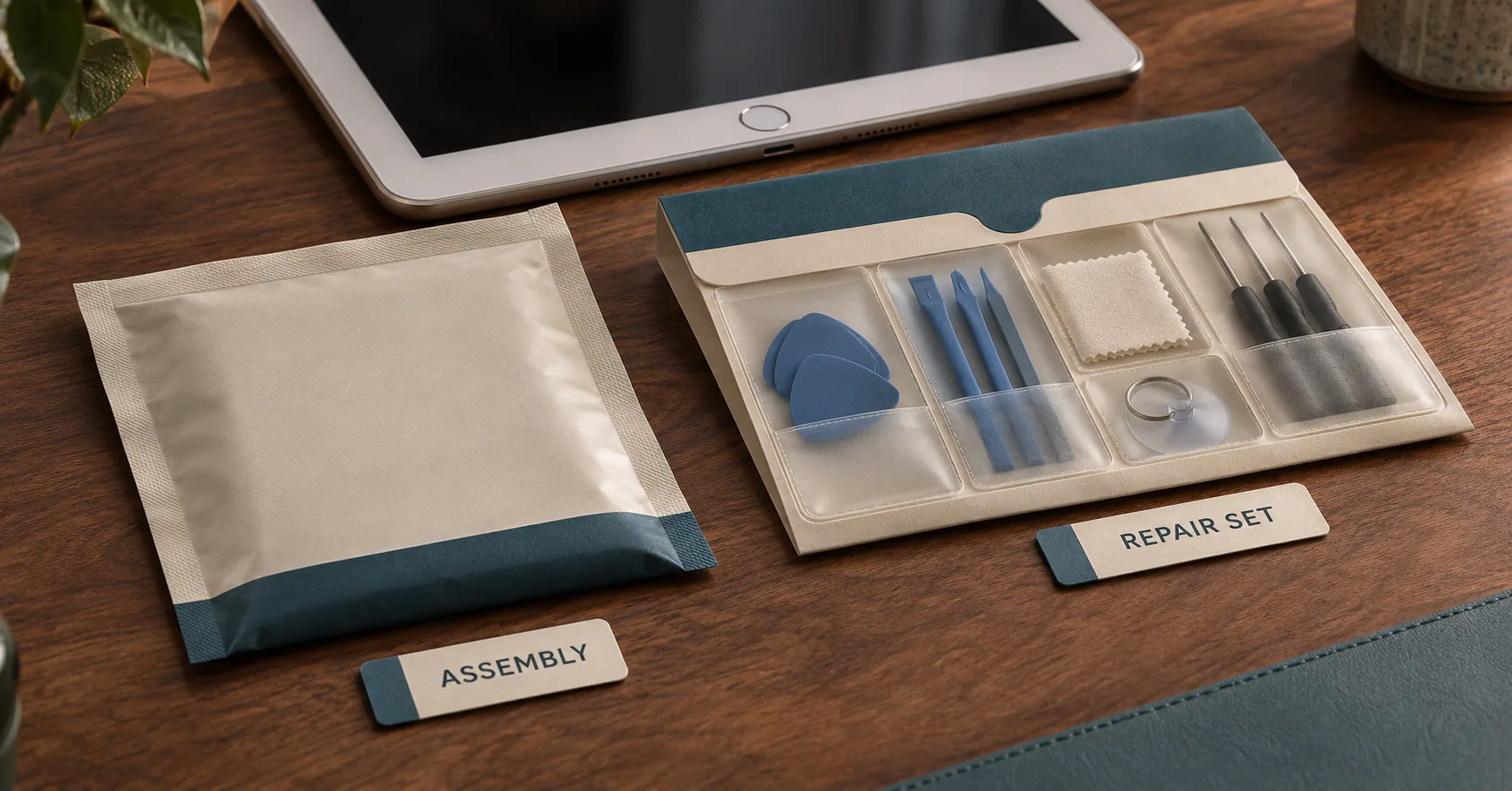
Specify the tablet battery assembly and every included consumable. State whether the supply includes protection electronics, the intended contact or connector arrangement, insulation and any pre-applied adhesive. List separately supplied battery and enclosure adhesives by application and quantity.
A central repair facility may buy assemblies in bulk and issue approved consumables from workshop stock. A distributor selling sealed repair kits needs a complete contents list for every retail unit. Ask for a packed sample in the actual delivery format. Photograph the contents, label and unit protection and use those records when receiving the first shipment.
Document any tasks the buyer must perform before installation. If an offer covers only a component requiring additional assembly, have engineering review the process and its responsibilities before purchasing. Compare total usable repair output when the quoted scopes differ. ESCCharge tablet and laptop battery range.
Approve Physical Fit on Each Intended Device
For iPad mini battery compatibility, obtain a controlled drawing or approved sample covering the finished outline, thickness, electrical interface and insulation. Define where dimensions are measured and which revision the drawing represents. Compare the delivered sample with this record before installation.
Have a trained technician document seating, routing, contact alignment and closure using the appropriate repair procedure. Record any interference, stress or unexplained clearance difference. Hold an unsuitable sample for review. Keep photos and the device code with the approval record so purchasing can identify exactly what engineering accepted.
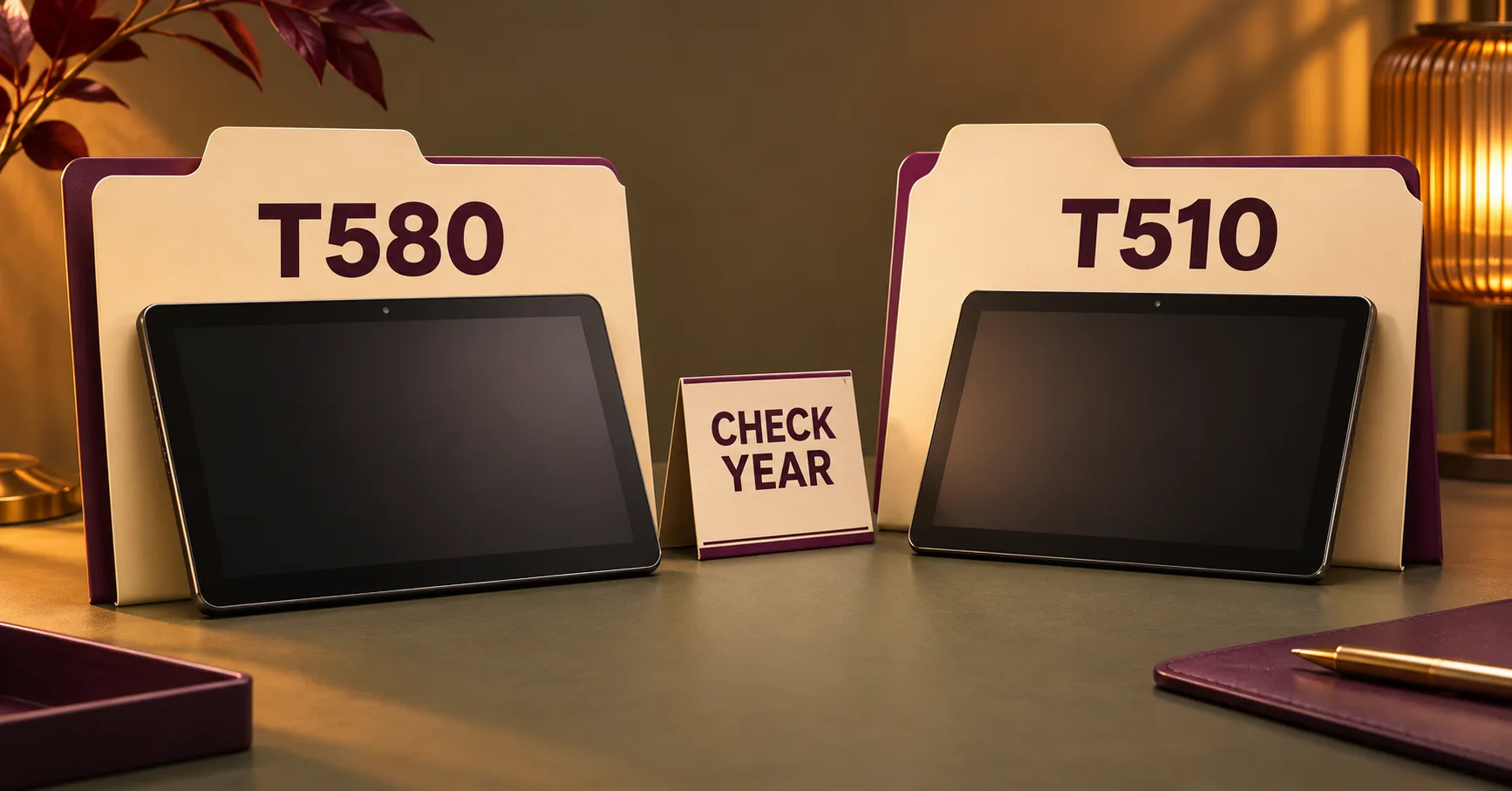
If a seller proposes a shared reference for mini 6 and a later generation, request an application list and evidence for every device you plan to service. Approve only the applications actually evaluated. Keep the named generation visible on the internal stock record even when a common supplier reference serves several applications.
Build the Installed Test Around the Repair Program
Test a known-good tablet of the correct model with the proposed assembly. Record the initial state of charge, adapter, cable, software and environment. Observe startup, charging progress, state-of-charge reporting and operation under a representative workload. Keep charge testing and discharge testing as distinct records.
Use a known-good Lightning charging setup for mini 4 and a suitable USB-C setup for mini 6. If charging is intermittent, document the device port and accessory checks before changing the battery conclusion. Repeat the observation under a controlled setup so the technician can identify which component the symptom follows.
Bench capacity testing and installed checks provide complementary evidence. A bench result measures performance under its defined conditions. The device check shows how the assembly works in the intended tablet. Agree the approval criteria before samples arrive and retain the tested configuration for first-lot comparison.
Release Shipments by Part, Revision and Lot
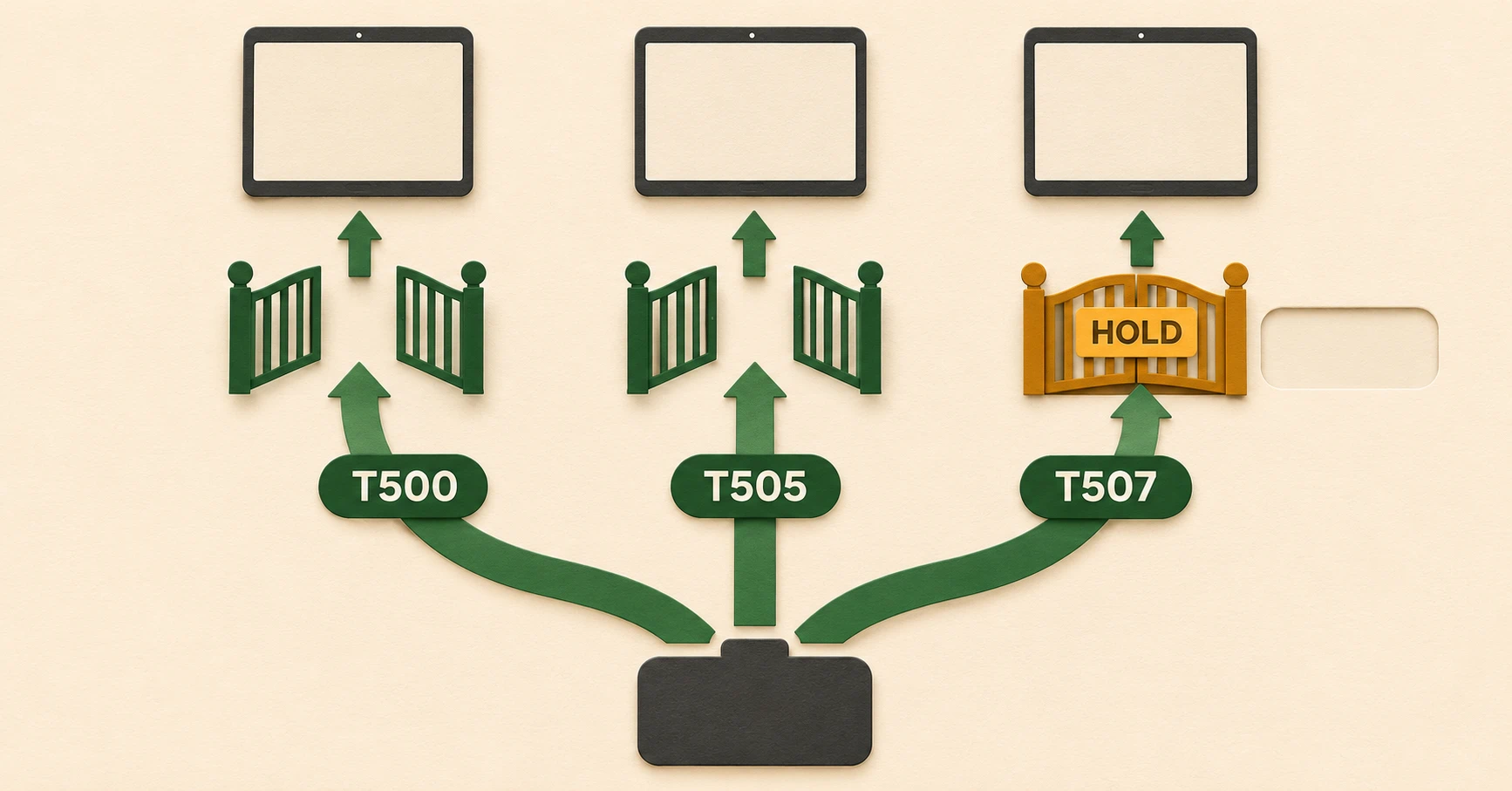
Ask for a packing list showing quantities by generation, assembly revision and production lot. Reconcile the carton and unit labels with the purchase order. Sample within each defined group using the agreed selection method. Keep the result tied to the group it represents.
For example, a shipment might contain 30 mini 4 units and two mini 6 lots of 25 units each. Inspect and disposition those three groups separately. A passing sample from one mini 6 lot clears that group under the sampling agreement. If the other lot has an unexplained revision difference, hold it while engineering reviews the change.
Retain the released quantity, held quantity, inspection date and authorization. Have the supplier notify you before changing the cell, electrical interface, insulation, adhesive or labeling. Decide whether a change requires document review, new samples or another installed evaluation. Adapt the sample-plan structure to the tablet configuration and its acceptance criteria. ESCCharge battery sampling plan.
Set Stock Levels From Completed Repairs
Use actual completed battery jobs for each generation to forecast demand. Review the number of incoming tablets as well, because inspection may find devices needing display, port or other work before battery replacement becomes worthwhile. Keep warranty replacements and engineering samples as separate requirements.
Consider a hypothetical monthly demand of eight mini 4 units and twenty mini 6 units. With two months of coverage and buffers of two and five, target quantities are eighteen and forty-five. If released stock is six and seventeen units respectively, the gaps are twelve and twenty-eight before confirmed inbound orders. Held stock stays outside those available balances.
For slower models, request traceable pack dates and available storage records. Confirm what each date code means and agree an age or retest policy with engineering. Compare a smaller repeat order with the cost of holding stock beyond expected demand. Keep lots identifiable during warehouse rotation. ESCCharge battery storage guide.
Keep Return Evidence Connected to the Purchase
Link the issued battery lot to the repair work order. Record the device code, installation date, acceptance observations and any later symptom. For a return, compare the original complaint with the new one and capture the charging setup or workload used to reproduce it.
When several returns share a lot, compare their count with the number installed from that lot and review the device mix. Hold affected inventory where the evidence warrants investigation. Send the supplier a concise record of the observed problem, tested configuration and relevant lot identifiers, then document the agreed disposition.
Prepare a Comparable RFQ Before Selecting a Supplier
Give each bidder the same demand forecast and application list. Ask them to return any exceptions in writing, including substitutions, omitted consumables or different carton quantities. Keep the supplier response with the approved sample record so the receiving team can distinguish an agreed variation from an unexplained shipment change.
| Quote field | Buyer instruction |
|---|---|
| Device scope | List the generation and every requested A-number |
| Supplied configuration | Identify the finished reference, revision, adhesive format and unit protection |
| Evidence | Link drawings, declarations and test reports to the quoted revision |
| Order terms | State sample charges, minimum quantity, lead time and claim terms for that configuration |
Compare landed spend against the number of complete, accepted repair sets. Include any separately purchased adhesive, receiving work and agreed spare quantity. Record reusable workshop tools separately from consumables issued per repair. When one offer requires a larger minimum, calculate the resulting months of coverage for each generation before choosing it. This gives purchasing a concrete basis for discussing smaller releases or a different packaging format.
Frequently Asked Questions
Can a mini 4 battery be used in a mini 6?
Purchase the finished assembly approved for the exact device application. The two generations require independent physical and installed validation despite their close original energy figures.
Does matching the original Wh value establish fit?
Energy is one electrical field. Approval also requires the correct geometry, interface, insulation and installed behaviour for the target device.
What should a supplier quote include?
Request the application list, finished reference and revision, electrical declarations, included parts, traceable dates and lots, sample evidence and commercial terms.
How should a shared supplier SKU be handled?
Retain one approved application record for every device covered. Allow purchasing and warehouse systems to issue it only against the confirmed applications.
Send ESCCharge your mini generation, full model codes, quantities and required package contents to discuss a model-specific sample and quotation plan. Confirm actual availability, documentation, MOQ, delivery and warranty terms for the selected configuration.
External Source References