
Quick answer: a Samsung Galaxy Note 10 battery replacement should be purchased against a Note10-specific finished-assembly specification. Note10 Plus requires a separate approval record. Define the exact device variant, capacity basis, included installation materials and charging acceptance before comparing quotations. Neither a shared Note name nor a Service Pack description proves compatibility or original-part status.
For repair chains, refurbishers and wholesalers, the decision is whether a supplier can reproduce a defined repair supply item. The useful evidence connects the phone, battery construction, package contents, installed results and production lot. This guide addresses Note10 and Note10 Plus; it does not extend approval to Note10 Lite, Note20 or an untested regional variant.
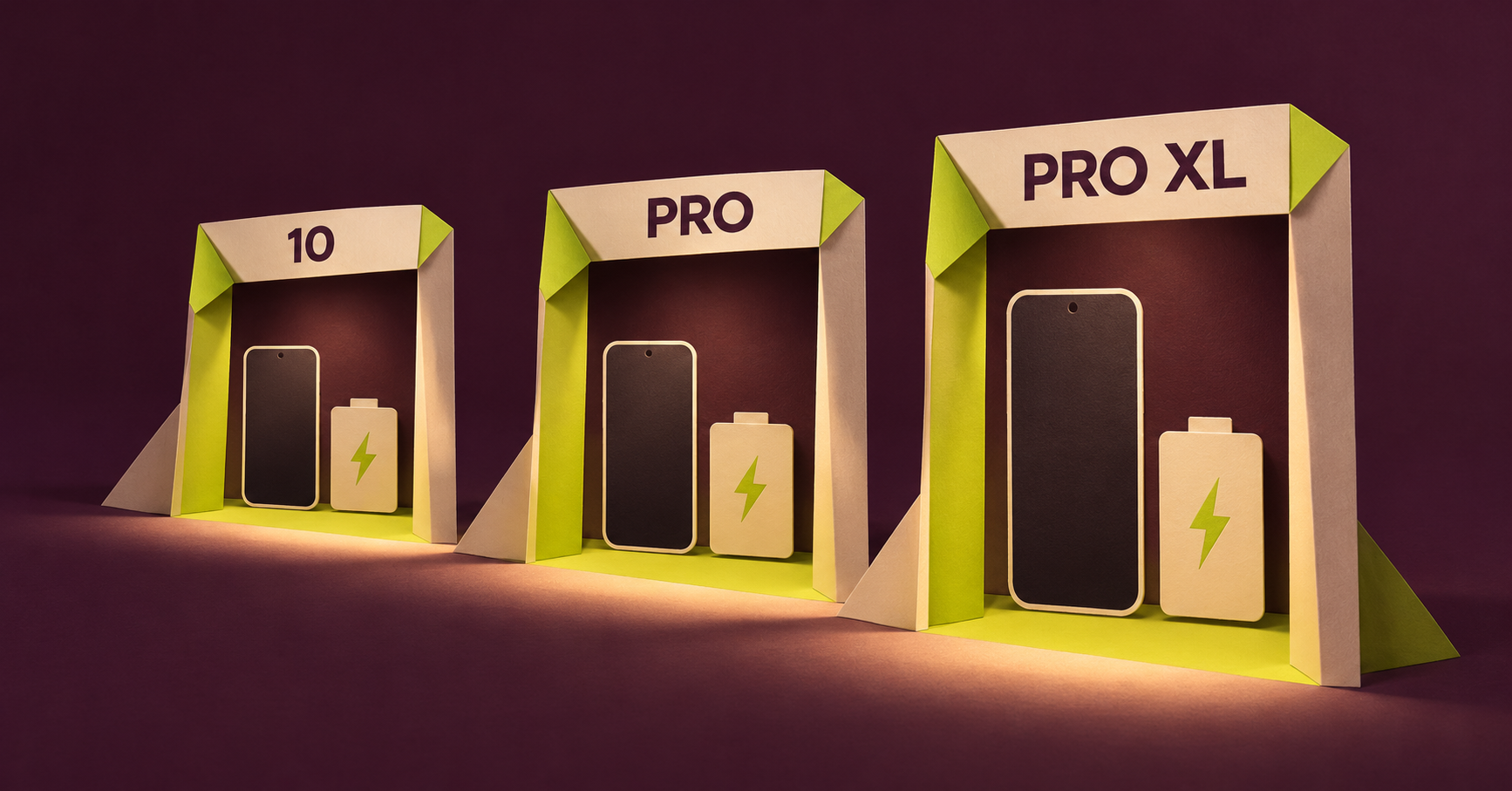
Separate Note10 and Plus Before Comparing Offers
Record the full device identifier, region, network version, software build and reference-phone condition. Keep Note10, Note10 Plus and any proposed Plus 5G applications identifiable throughout sourcing. A grouped Plus/5G product title is a compatibility assertion that needs evidence for each named application.
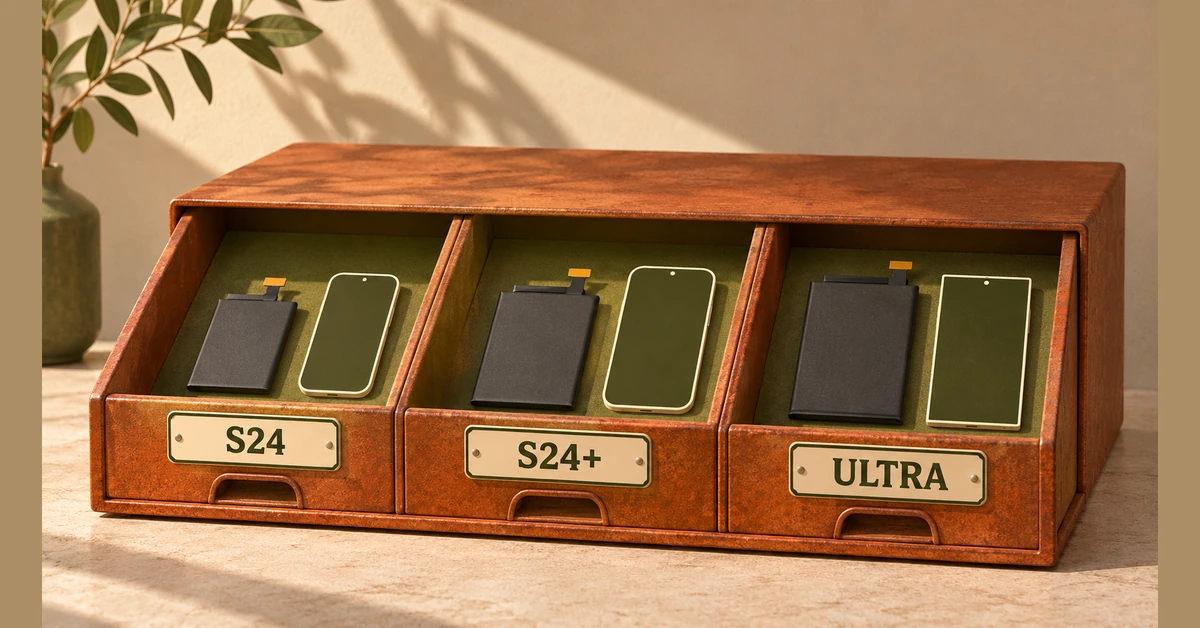
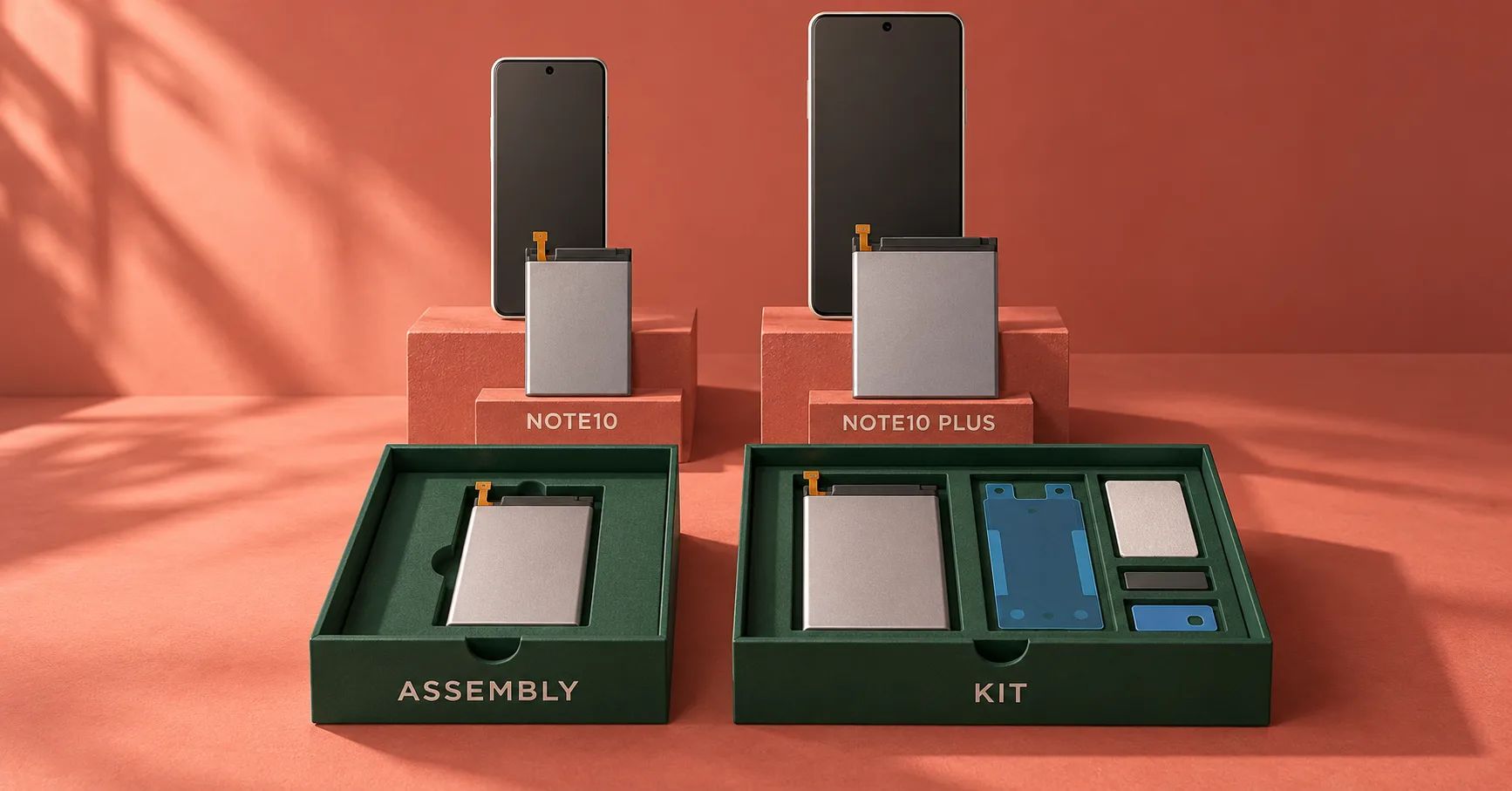
A Samsung Galaxy Note 10 battery specification should identify the complete assembly, revision, dimensions, flex exit, connector, protection and sensing configuration, insulation and adhesive. Photographs of the removed part help establish identity, but they do not replace a controlled drawing or validation record.
Ask the supplier to name the exact phones used for its approval. If one part is proposed for several variants, retain the tested application list and the same assembly revision against every result. Pending variants should not appear on a customer-facing compatibility label merely because a related phone passed.
Supplier qualification remains a separate decision. The Samsung battery supplier guide covers broader sourcing questions; the present article keeps the two device families and their repair supply configurations distinct.
Use Typical and Rated Capacity as Different References
Samsung's official Note10 launch specifications distinguish the two devices and their battery-capacity definitions:
| Device | Typical device capacity | Rated minimum device capacity | Buyer action |
|---|---|---|---|
| Galaxy Note10 | 3,500mAh | 3,400mAh | Keep the Note10 assembly and acceptance record independent |
| Galaxy Note10 Plus | 4,300mAh | 4,170mAh | Verify the exact Plus application and proposed pack specification |
Samsung describes typical value as an estimated average value
considering variation among tested samples. The figures above are official device references, not measured results for a replacement lot. Do not treat the typical value as a guaranteed minimum or automatically apply the original device's rated minimum to an undocumented aftermarket configuration.
For Note 10 Plus battery replacement acceptance, obtain the supplier's declared capacity definition, voltage and energy information, test method and original records. Specify charge procedure, rest period, discharge current, cutoff voltage, temperature and equipment identification. The same basis should be used for reference samples, pilot production and later lots.
A larger printed mAh figure cannot resolve a connector mismatch or prove longer installed runtime. If an extended-capacity option is proposed, verify capacity, thickness, flex loading and enclosure clearance as separate requirements. Do not invent a saving, runtime gain or cycle-life result where no relevant test exists.
Define What Standard Assembly and Service Pack Mean in the Quote
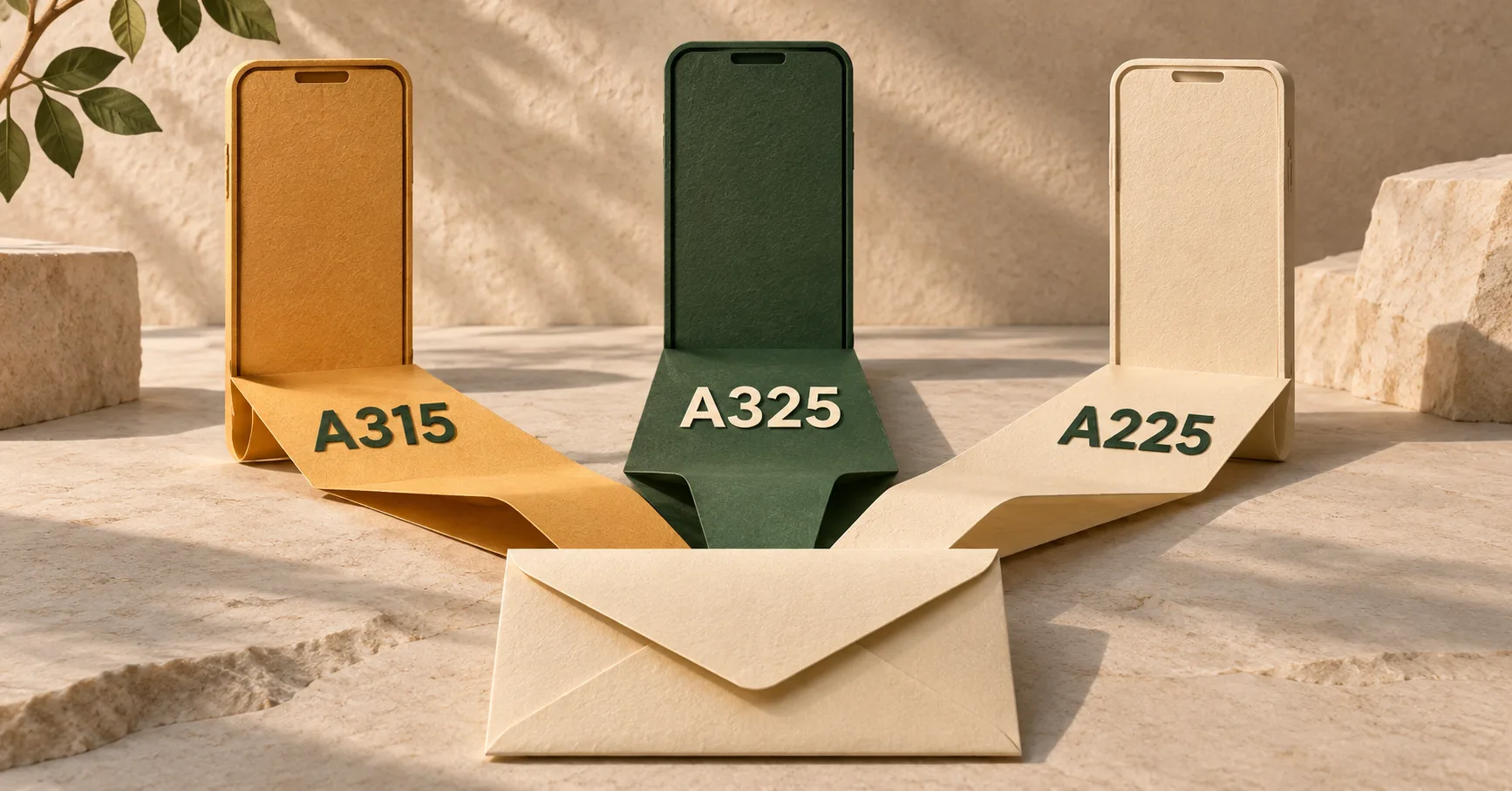
Request a bill of materials for the quoted unit of sale. A complete battery assembly, a kit with adhesive and a supplier-described Service Pack can represent different contents, provenance and responsibilities. Compare prices only after those fields match the intended repair workflow.
Ask whether adhesive is pre-applied or supplied loose, which insulation and sealing items are included, and what preparation the repair team must perform. Record material, die-cut revision, placement and storage requirements. The presence of an adhesive strip does not establish correct bonding or safe removal behavior in the final installation.
Do not infer genuine Samsung status or authorization from packaging, a familiar part reference or the words Service Pack. Verify the actual supply route, product identity, documents and applicable claims. A third-party replacement should be described accurately as such, without borrowing authorization from a catalog category.
Likewise, a zero-cycle display or an advertised gauge component is not independent proof of cell age, usable capacity or safety. Require traceable production and test evidence. Any changes to the board, cell, flex or installation materials should be visible in the approved configuration.
Check Mechanical Fit Before Closing the Device
Qualified repair personnel should use applicable service guidance and compare the proposed assembly with the approved reference. Check the full envelope, connector orientation, flex path and insulation placement. Neither the phone's external dimensions nor a catalog photograph supplies battery thickness tolerances.
The battery should sit without forced shaping or enclosure pressure, and the flex must not be stretched, pinched or trapped. Stop if closure requires force or the connector cannot align normally. Do not trim protective material or modify the pouch to make an incorrect assembly appear usable.
Assess existing device damage before assigning a repair outcome to the replacement. Preserve pre-repair observations for the charging port, connector and relevant functions. Any swollen, leaking, damaged or abnormally hot battery requires work to stop and the facility's qualified safety and quarantine procedure to be followed.
Validate the Charging System Without Turning Wattage Into a Pack Claim
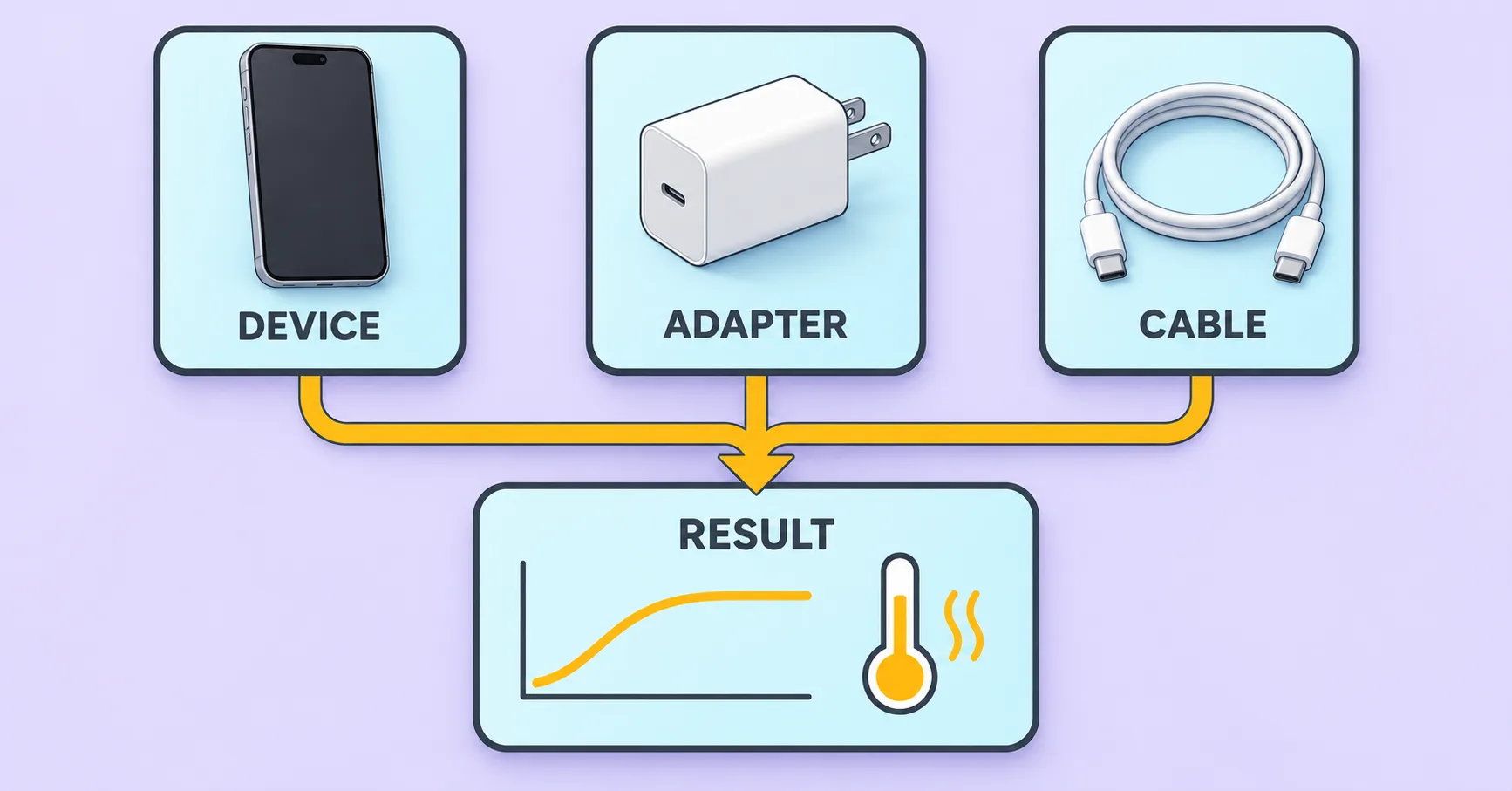
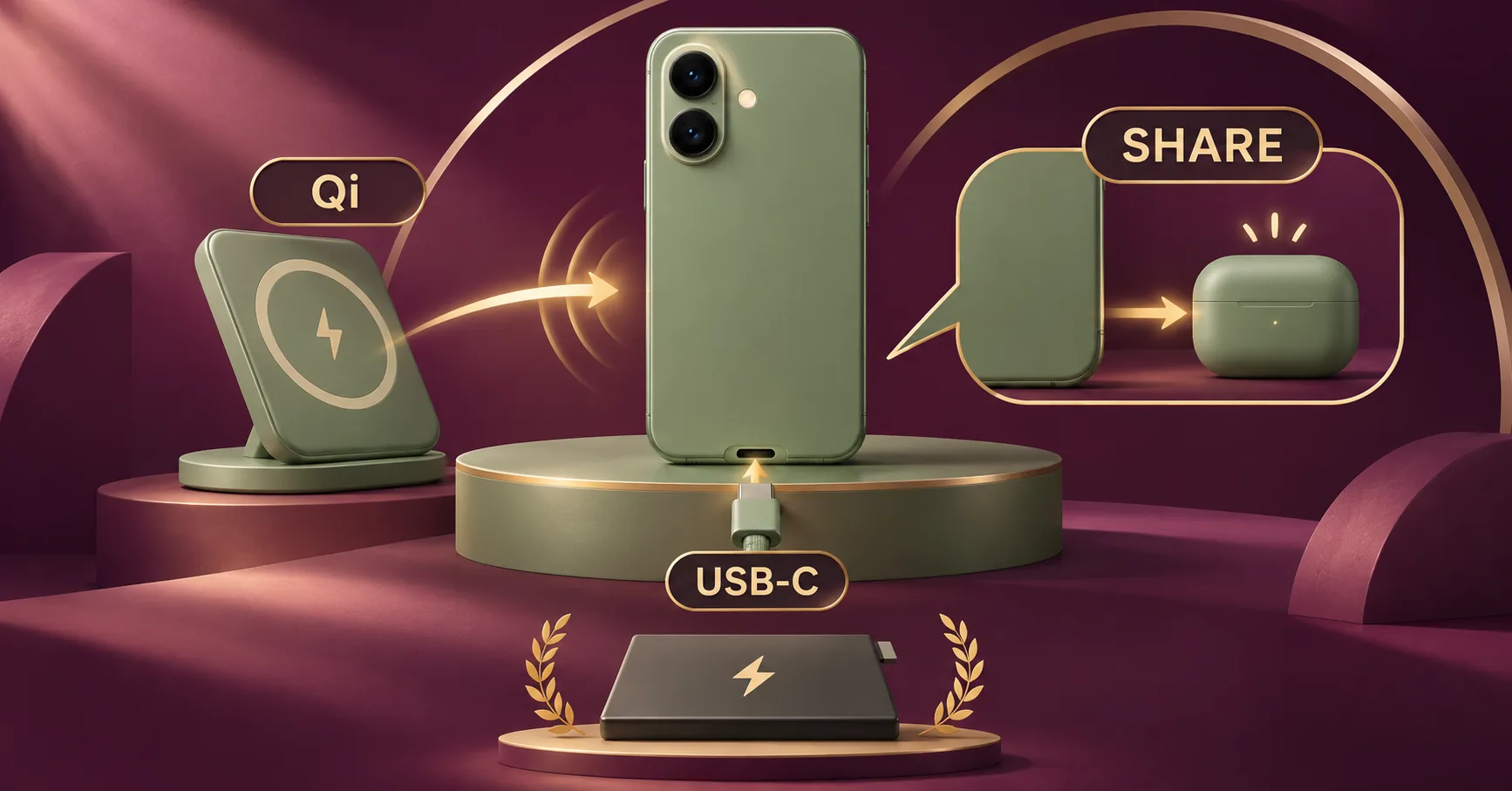
Samsung's New Zealand Note10 comparison lists 25W wired and 12W wireless charging for Note10, and 25W wired, optional 45W wired and 15W wireless for Note10 Plus. These are regional device references. Confirm the exact target model and charging equipment rather than applying the table universally.
A 45W-capable phone does not mean a replacement battery should continuously accept 45W or that every adapter and cable combination will reproduce that behavior. Keep adapter rating, device input and battery energy distinct. Do not use a fast-charge icon or one peak meter reading as the entire acceptance test.
Define initial charge level, ambient conditions, software build, charging settings, screen activity and background workload. Use a known-good control with the same adapter and cable. Record charge progression, interruptions, restarts, temperature observations and controlled discharge afterward.
Where wireless charging or power-sharing performance forms part of the sales promise, assess the installed device separately with its specified setup. A successful wired test does not approve those functions. Investigate the phone, accessories and installation alongside the assembly when results differ.
Use Diagnostics as Supporting Evidence
Samsung's Galaxy diagnostics guidance includes battery status and charging checks, while noting that available tests may vary depending on the model of your device
. Confirm the actual app, software and menu availability on the reference phone instead of promising a universal diagnostic path.
A Samsung Note 10 battery replacement report should combine diagnostics with physical inspection, measured capacity, installed charging and controlled workload evidence. A normal diagnostic screen does not establish cell age, sustained runtime, origin or future cycle life.
When a symptom appears, preserve the device identifier, assembly lot, technician, software, adapter and conditions. Classify confirmed battery faults, installation problems, device issues and unresolved cases separately. This supports targeted containment rather than blaming every part in a mixed shipment.
Approve Repeat Orders and Mature-Model Inventory
Freeze the assembly drawing, capacity basis, accessory list, label and test definition before pilot production. Use the battery sampling-plan framework to define lots and sampling. Keep Note10 and Plus results separate, including any additionally approved network or regional applications.
The incoming-inspection guide supports checks of identity, revision, quantity, packaging and inspection status. Request change notification for cells, protection components, flex, connector and adhesive, and assess whether new installed evidence is needed before release.
For a Note 10 Plus battery offered for long-tail repair stock, ask for production dates, storage history and condition-review records. Newly purchased stock is not necessarily newly manufactured. Apply a controlled battery storage SOP, and set inventory depth using repair demand and sell-through rather than search volume.
Frequently Asked Questions
Can Plus and Plus 5G share one warehouse SKU?
Only when the exact assembly revision and each claimed device application have supporting evidence. Keep the application list controlled even if inventory is physically consolidated.
Does pre-installed adhesive remove the need for process approval?
No. Confirm preparation, positioning, material condition, installation and closure in the intended repair process. Included adhesive is a supply item, not a completed validation.
Should the cheapest quote win after capacity passes?
Compare accepted repair cost, including accessories, inspection, installation yield, rework, aging stock and warranty handling. Passing one capacity test does not approve every other requirement.
Can a battery certificate validate every kit option?
Check the exact document scope, assembly revision and destination requirements. A document for one cell or configuration does not automatically cover every kit or later change.
Prepare a Samsung Galaxy Note 10 Battery Replacement RFQ
Send ESCCharge separate Note10 and Note10 Plus application rows with full device identifiers, markets, assembly photographs, quantities and required supply scope. Include capacity definitions, charging setups, adhesive requirements, pilot acceptance and traceability. Actual supported configurations and model-level test evidence require confirmation.
MOQ depends on model and customization. Lead time depends on configuration and quantity. Warranty and available documentation must be agreed for the specific product and target market. Approve the configuration before scaling orders.
External Source References
- Samsung Global Newsroom — Introducing Galaxy Note10 — 2019; checked October 30, 2026.
- Samsung New Zealand — Compare Note10 and Note10 Plus — accessed October 30, 2026.
- Samsung Support — Galaxy Device Status and Diagnostics — accessed October 30, 2026.