
For bulk Pixel 5 battery replacement, approve a model-specific assembly against its declared electrical specification, physical fit and installed behavior. Include the charging functions promised by the repair service in the acceptance plan. A phone that starts successfully after installation still needs evidence for capacity, normal charging and reliable operation.
For repair chains, refurbishers and wholesalers, Pixel 5 is also an inventory decision. The device's remaining commercial use, software-support status and repair yield should determine how much stock to purchase. A large order makes sense only when the expected repair demand and acceptance requirements are clear.
Start with the original pack and an exact application record
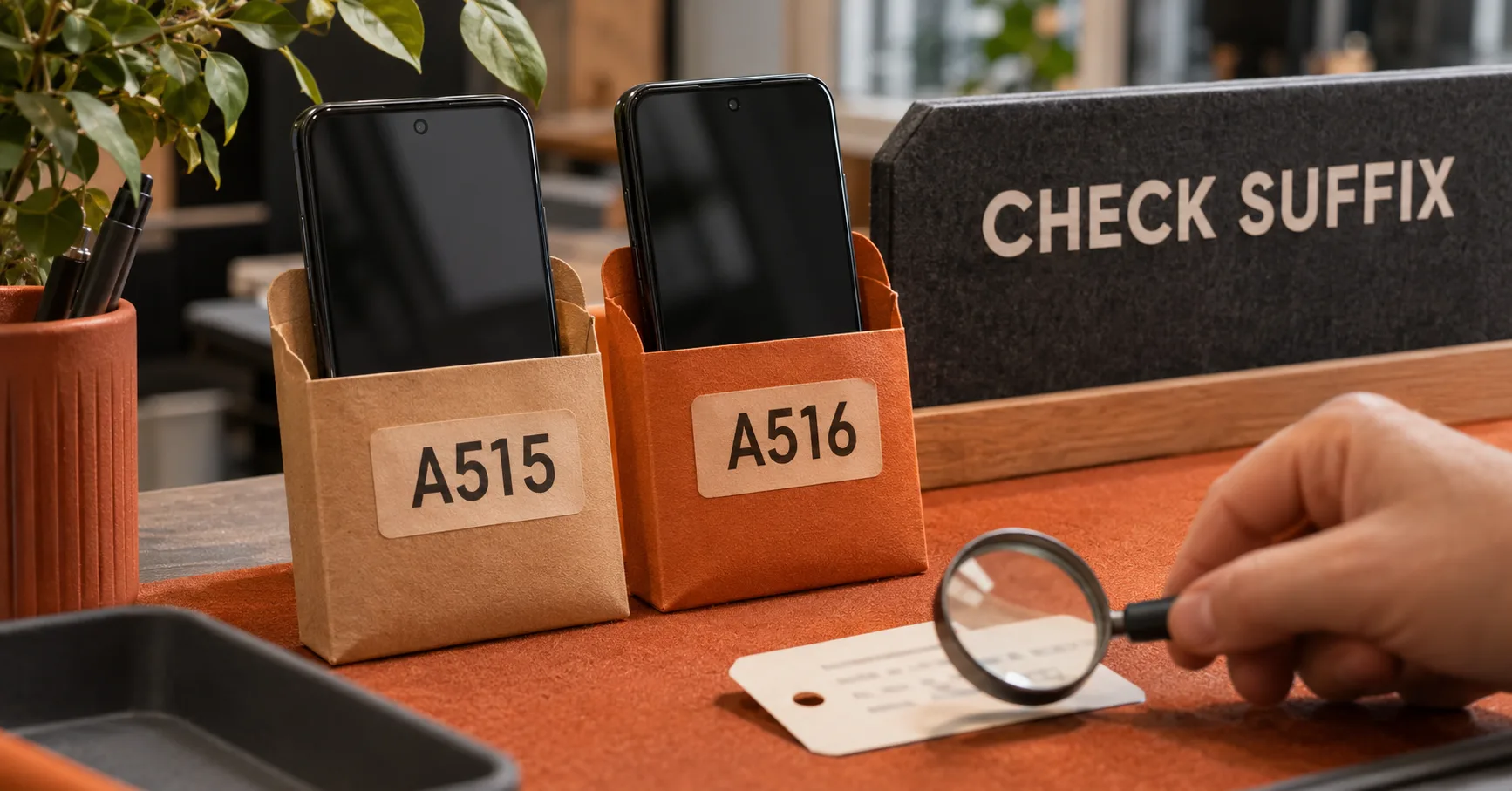
A Google Pixel 5 battery replacement enquiry should identify the handset model and preserve photographs of the original battery label, connector and cable route. Keep the device identity, battery marking, supplier SKU and buyer's stock code in separate fields. Similar-looking codes can otherwise move between documents without anyone noticing.
If a quotation uses a GTB1F battery reference, ask the supplier to link it to the proposed assembly drawing, label and tested application. Treat the reference as a matching lead until the sample has been checked. A catalogue title cannot establish compatibility or the origin of the product being delivered.
Keep Pixel 5 and Pixel 5a applications separate. Google's earlier-model hardware specifications list different battery capacities for the two devices: Pixel 5 has a typical 4,080mAh value, while Pixel 5a (5G) has a typical 4,680mAh value. These differences support separate identification; capacity alone does not determine fit.
For every requested application, document housing clearance, connector position, cable routing and insulation. A shared connector appearance or a nearby search result is insufficient evidence for substitution. Keep untested applications outside the released stock description.
Read 4,080mAh typical and 4,000mAh minimum correctly
For Pixel 5, Google's hardware table states “Minimum 4000 mAh” and “Typical 4080 mAh.” These are device-reference definitions. They do not certify the capacity of a third-party sample or make every 4,080mAh replacement label equivalent.
Require the replacement supplier to define its capacity declaration and the contractual acceptance threshold. Record nominal voltage, capacity tolerance and the test method. If energy in watt-hours is declared, check it against the voltage and ampere-hour values rather than completing missing data from another pack.
The numerical difference between the two official capacity references is 80mAh, or 2% of 4,000mAh. This arithmetic explains the size of the definition gap. It does not predict an equivalent runtime difference between two replacement products.
For a meaningful comparison, align charge termination, discharge current, cutoff voltage, temperature and rest periods. Identify the tested pack and instrument. A bench result demonstrates what that sample delivered under those conditions; installed runtime also depends on the handset and workload.
Keep individual results visible alongside a batch summary. If one sample falls outside the agreed requirement, investigate it under the acceptance procedure instead of allowing a favorable average to hide the finding.
Use historical reviews as context for the service promise
In his November 9, 2020 Ars Technica Pixel 5 review, Ron Amadeo praised the original handset's battery life during his testing. That is a useful record of the product when new. It is not evidence that an aged refurbished unit or a particular replacement pack will reproduce his result.
Translate the customer's expectation into a measurable requirement before installation. A repair buyer may need dependable wired charging and a defined daily workload; a reseller may also promise wireless functions. Put those requirements in the work order and test them on the actual installed configuration.
Keep launch reviews dated and attributed. Avoid turning an old review's favorable description into a present-day claim about a replacement supplier, a guaranteed runtime or the condition of the refurbished phone.
Test the installed phone through three charging paths
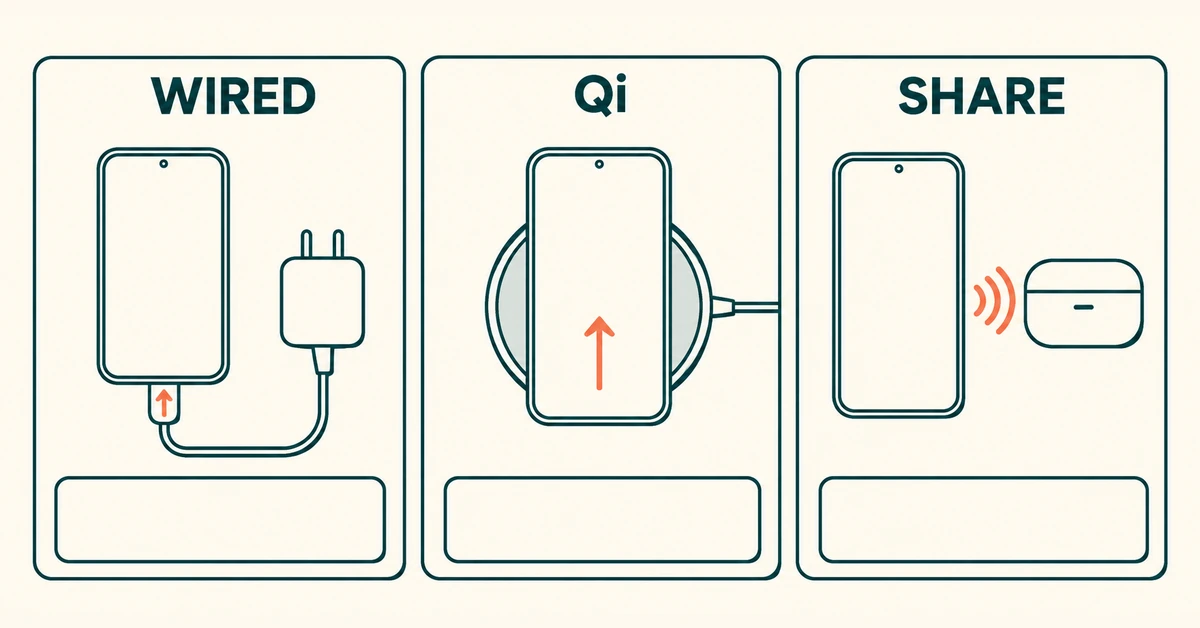
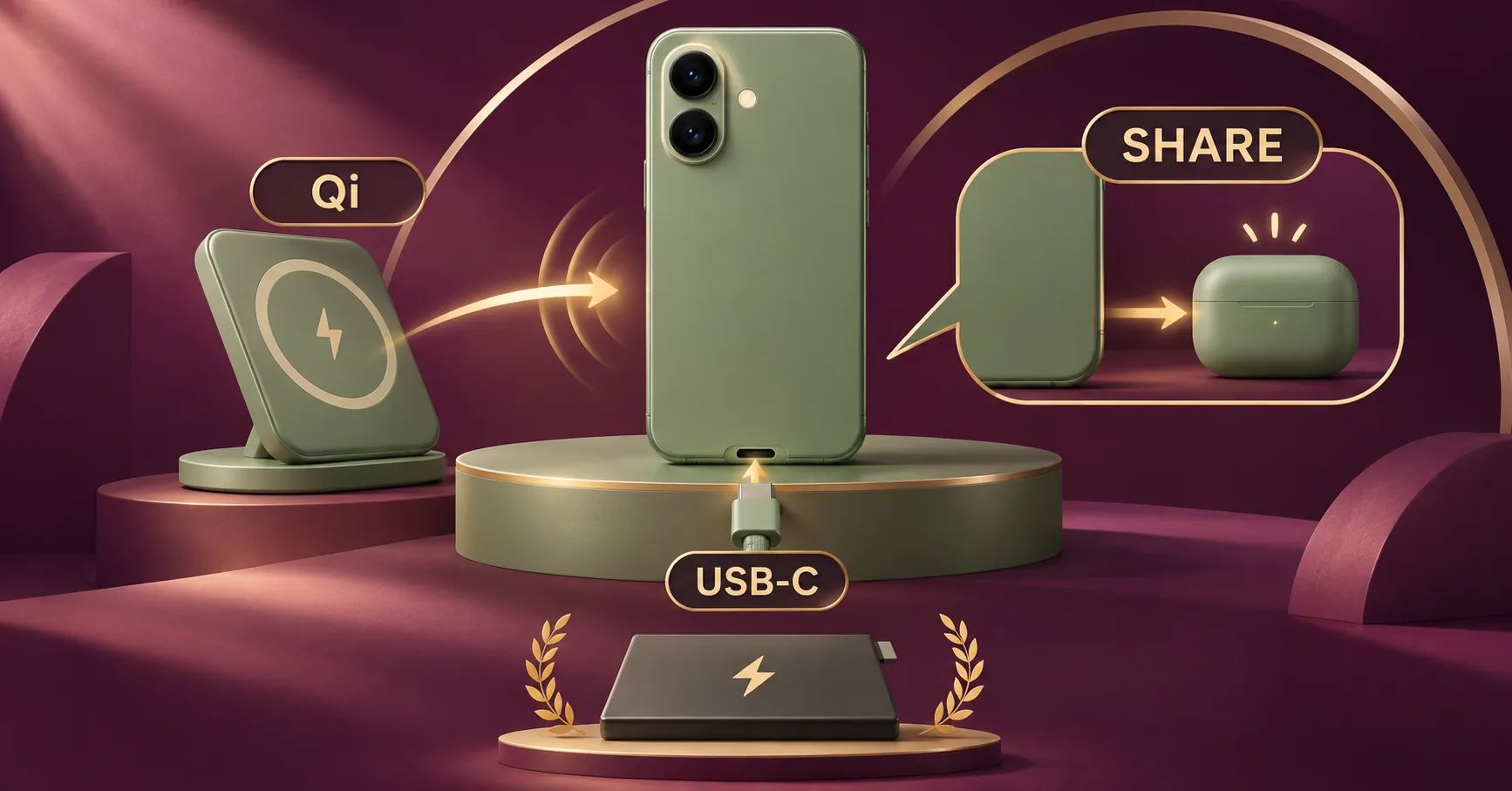
Google's Pixel 5 hardware specification lists USB-C charging with an 18W USB-PD 2.0 adapter, Qi-compatible wireless charging and reverse wireless charging. The same source notes that actual charging rates may be slower. Use those features to define the inspection scope, rather than guaranteeing a fixed input power throughout a charge.
| Test path | Record the setup | Investigate if behavior is abnormal |
|---|---|---|
| Wired charging | Known charger and cable, starting charge state, temperature and progression | Port condition, cable, charging negotiation and installed assembly |
| Qi wireless charging | Known pad, alignment, case condition and observed charging continuity | Placement, accessories, heat and device charging components |
| Battery Share | Compatible receiver, phone charge level, settings and transfer observation | Feature conditions, alignment, receiver behavior and temperature |
Check wired charging before drawing a capacity conclusion
Use a known setup and inspect the port for wear or damage. Record charging over an agreed interval and note interruptions. USB input measurements include handset consumption and conversion losses, so they should not automatically be reported as direct battery capacity.
Give wireless charging its own result
Test the phone on a known pad with controlled placement. If behavior changes with a case or alignment, record that change. A wireless-only complaint needs investigation of the complete charging path before the replacement pack is classified as defective.
Apply Battery Share's operating conditions
Google's Battery Share guidance includes Pixel 5 among supported phones and explains conditions that stop sharing, including low charge and high temperature. Record the relevant settings and receiver. An expected stop under a feature condition is different from an unexplained failure.
Run these checks separately. Passing one charging path does not prove the other paths work, and none of the three alone establishes measured pack capacity.
Inspect closure and repeat the customer's workload
Qualified technicians should confirm that the replacement seats correctly and the enclosure closes without compressing the pack. Inspect cable routing and adhesive scope before final assembly. A sample that works with the phone open has not completed mechanical acceptance.
Define whether the quotation includes a bare pack, installation adhesive or a complete repair kit. Keep the bill of materials consistent between sample approval and replenishment. Missing installation items can disrupt repair throughput even when the electrical part is acceptable.
Choose a reproducible workload that matches the channel: for example, a fixed local-video segment followed by a defined idle interval. Hold brightness, refresh-rate setting, volume, connectivity and applications constant. Record the software build so later comparisons use a known configuration.
Unexpected drain should trigger a check of background activity, network conditions and device faults before a supplier claim. Swelling, leakage, physical damage or abnormal heating requires the site's qualified isolation and investigation process rather than continued routine testing.
Use ESCCharge's battery incoming-inspection guide for the broader receiving framework. Keep this model's application and charging records attached to the lot decision.
Decide refurbishment scope before buying deep stock
As checked on November 20, 2026, Google's Pixel software-update policy places Pixel 5 among phones that “no longer receive Android version updates and security updates.” Battery replacement does not renew that support commitment. Confirm whether the intended buyer or deployment accepts the device's support status before approving a refurbishment program.
Estimate parts demand from identified, economically repairable phones rather than the gross intake count. For illustration, if 120 phones arrive, 20 are excluded after inspection and 15 await a repair decision, the immediately approved group contains 85 devices. This hypothetical count is a planning example, not an observed repair yield.
Add any service reserve as an explicit decision, based on expected demand and the agreed support terms. Avoid buying a large quantity simply because a unit-price break is available. Slow turnover can create more stock-condition work than the discount saves.
Track supplier lot and production-date information where available. Follow the selected pack's storage requirements and review slow-moving inventory before dispatch. ESCCharge's battery storage guide can help organize condition checks and quarantine without inventing a universal shelf-life promise.
For repeat orders, compare the incoming revision with the retained approval record. Changes to the cell, protection circuit, connector, cable or label require review. Keep return reports specific enough to distinguish a selection error, charging-path issue, capacity finding and unrelated device fault.
FAQ for Pixel 5 procurement teams
Can Pixel 5a stock be used to fill a Pixel 5 order?
Require a separate model-specific approval. A related name or a higher declared capacity does not establish matching geometry, connector arrangement or electrical suitability.
Does a 4,000mAh value automatically indicate a shortfall?
Google distinguishes a minimum reference from a typical reference. First establish what the replacement supplier declares, then compare its measured result with the agreed definition and method.
Should wireless charging be included in every repair?
Define the service scope with the customer. When the repaired or resold phone is represented as having those functions, include the relevant functional checks and document any unresolved limitation.
What evidence should accompany a Pixel 5 replacement battery RFQ?
Provide device identity, original pack photographs, quantity, target capacity definition, destination market, packaging scope and required charging checks. Request the proposed revision and test evidence before bulk approval.
Request a pack specification and a practical acceptance plan
Send those requirements through ESCCharge's mobile phone replacement-battery enquiry channel. Ask for confirmation of Pixel 5 model availability, assembly details and sampling scope before treating a catalogue reference as a supply commitment.
Confirm model-specific documents, commercial terms, packaging, delivery arrangements and warranty handling for the project. Approve the pack reference and the installed-function requirements together so purchasing and repair teams share a clear release decision.
External Source References