
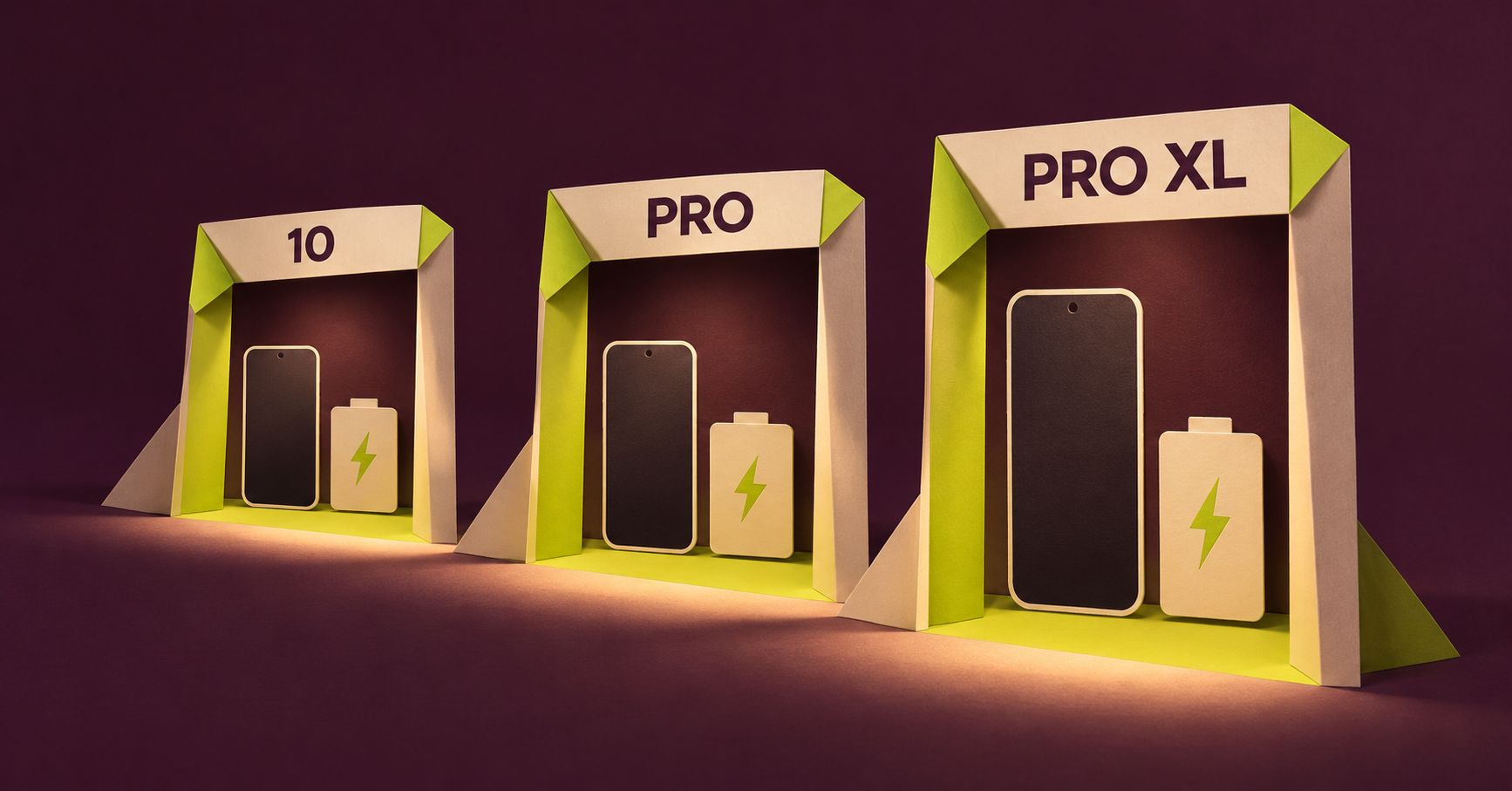
For Google Pixel 10 battery replacement in bulk repair programs, approve Pixel 10, Pixel 10 Pro and Pixel 10 Pro XL as separate device applications. Confirm the original assembly, define the replacement specification and test the installed configuration. A search result, familiar part reference or similar capacity cannot replace model-specific evidence.
This guide covers those three conventional phones. Keep Pixel 10a and Pixel 10 Pro Fold outside the application list unless they receive separate technical review. For repair chains, refurbishers and wholesalers, the goal is a purchasing record that technicians and warehouse staff can follow without guessing which version a customer meant.
Resolve the device before selecting the battery
A Pixel 10 battery enquiry can arrive through a search result aimed at a Pro or XL part. Before quoting, request the full handset identity and photographs of the original battery label and connector area, collected through a qualified technician. Preserve the region and device suffix where available.
Keep the handset model, original battery marking, supplier reference and internal SKU in separate fields. If an offer uses a code such as GLE28 or GD1J6, ask the supplier to identify what it denotes and reconcile it with the actual label and assembly drawing. A commercial reference is a lead to investigate, not an approval certificate.
Do not infer a shared pack from a common platform, similar screen size or the same supplier. Record the proposed application as requested, sampled or approved. Only the approved status should authorize picking and installation for that device.
Define the order contents at the same time: complete battery assembly, installation adhesive, or repair kit. Keep the sample's installation scope and the production order consistent. Missing materials can interrupt a repair even when the supplied battery is electrically acceptable.
Compare the official capacity definitions across three models
Google's Pixel hardware specifications give these device-level references. They distinguish typical from minimum capacity; the Pro entry states: “Typical 4870 mAh (minimum 4707 mAh)”.
| Application | Typical capacity | Minimum capacity | Assembly approval |
|---|---|---|---|
| Pixel 10 | 4,970mAh | 4,835mAh | Standard-model sample and device record |
| Pixel 10 Pro | 4,870mAh | 4,707mAh | Pro sample and device record |
| Pixel 10 Pro XL | 5,200mAh | 5,079mAh | XL sample and device record |
The standard model's typical reference exceeds the Pro's by 100mAh. A higher model name therefore does not imply a larger capacity, and sorting packs by mAh cannot establish which one fits a handset. These figures describe original-device references, not tested ESCCharge replacements.
Ask the supplier whether its capacity declaration is typical, rated or a guaranteed minimum. Agree the acceptance threshold and method before samples arrive. Preserve nominal voltage, declared energy and tolerance, and resolve inconsistencies across quotation, label and test report.
A Pixel 10 Pro battery size query also needs clarification. Capacity and physical dimensions answer different questions. Obtain a complete assembly drawing for length, width, thickness, cable route and connector position; do not use handset dimensions as battery dimensions.
Inspect geometry and electrical identity together
Compare the proposed sample with a verified reference for the exact application. Check insulation coverage, locating features, connector orientation and cable exit. Confirm electrical assignment and sensing requirements from reliable technical evidence rather than visual resemblance.
Qualified technicians should verify seating and enclosure closure without pressure on the pack or improvised modification. Record the installed position and connector area. A phone that powers on while open has completed only an intermediate check.
Maintain independent results for each regional application the supplier proposes. If a shared assembly is eventually approved, retain the model-level evidence beneath the consolidated stock code. This allows common inventory only where the technical record supports it.
For a Pixel 10 Pro XL battery proposal, reject unexplained substitutions to the Pro or standard specification. Ask for the revised drawing and application evidence first. The same purchasing rule should apply to a connector, protection circuit or cable revision that looks minor in a catalogue photograph.
Specify the charging setup without promising constant wattage
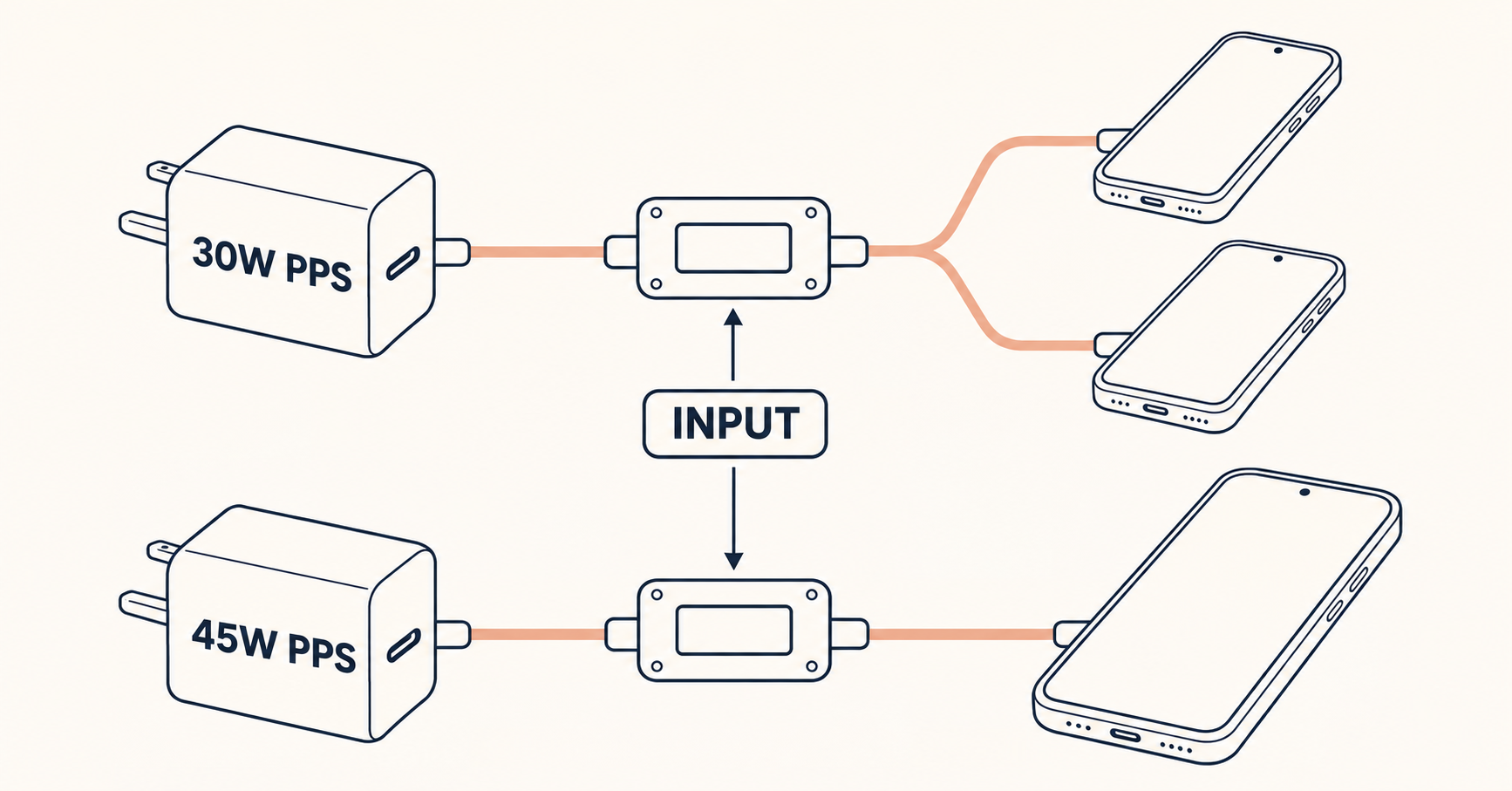
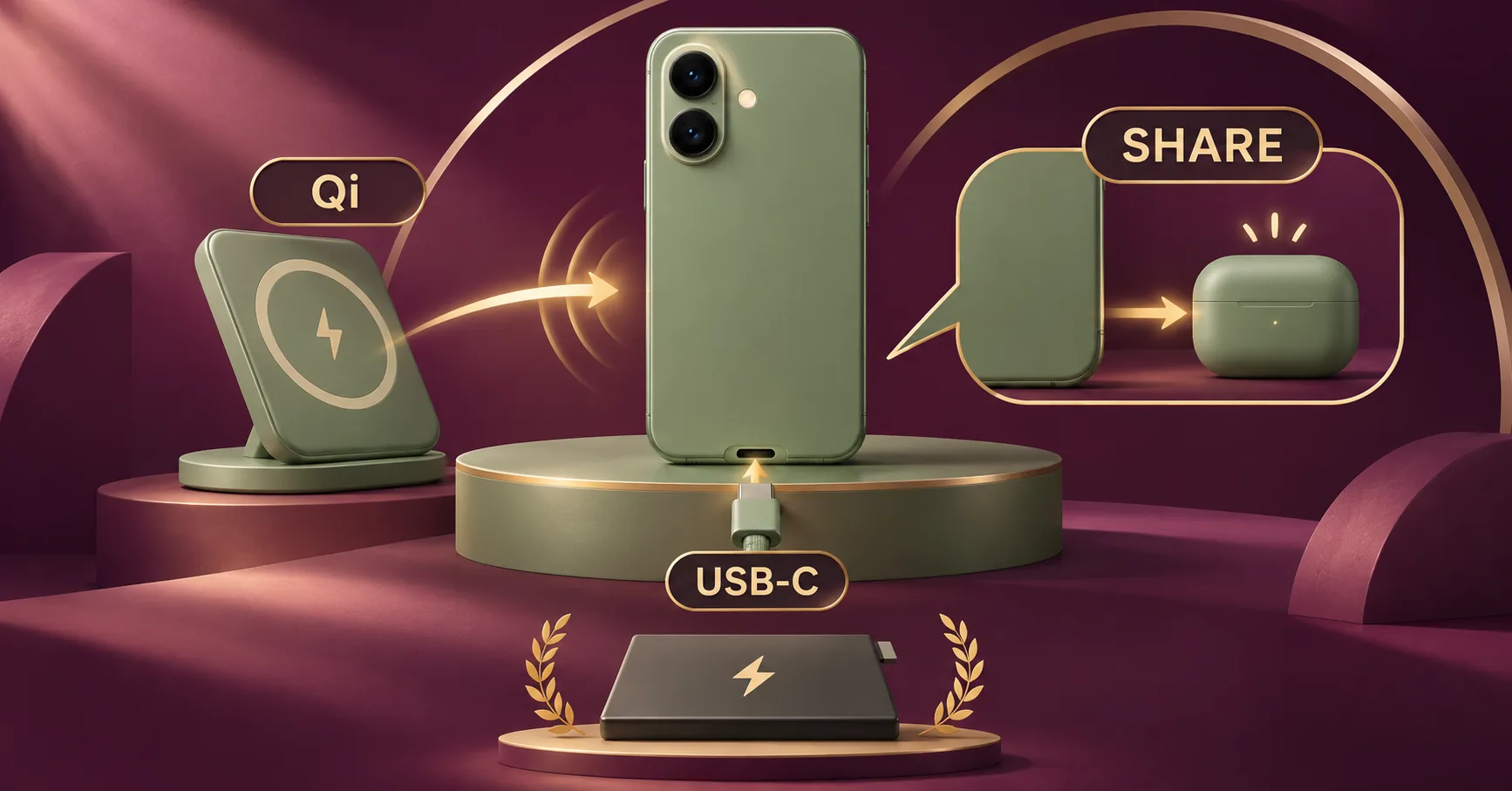
Google specifies a 30W USB-C PPS charger or higher for its standard and Pro charging claim, and a 45W USB-C PPS charger or higher for the XL claim. Its hardware table also lists Pixelsnap Qi2 charging up to 15W for standard and Pro, and up to 25W for XL.
Those ratings define reference setups and capabilities. They do not mean the phone continuously draws the charger's rated power or that a replacement battery can guarantee a fixed charging time. Record the actual charger, cable, starting charge state and ambient temperature.
Test a comparable charge-state interval with the screen and workload controlled. Log progression, interruptions and temperature observations. A peak USB reading is one observation; a normal charging profile needs a record over time.
Keep wireless acceptance separate. Use a known compatible charger, record the case and alignment, and investigate abnormal behavior across the complete charging path. A wired pass cannot close the wireless test, and a wireless-only issue does not by itself identify a defective cell.
When input behavior is unexpected, inspect accessories, port condition, settings and device state before assigning supplier fault. Preserve protective behavior and escalate abnormal heating or damage through the site's qualified investigation process.
Use published runtime evidence with its original scope
In his Tom's Guide Pixel 10 Pro XL review, published August 27, 2025, Richard Priday reported 14 hours and 20 minutes in adaptive display mode. The review describes its test as “constant web browsing over a cell connection”.
This original test gives a useful workload reference. It does not certify a replacement pack, establish a production-lot result or predict every repaired phone's runtime. Cite the exact review rather than combining numbers from different comparisons or later roundups.
For installed acceptance, agree a workload that matches the buyer's service promise. Record brightness, display mode, network conditions, software build and background activity. Separate a measured pack-capacity result from the behavior of the complete handset.
For bench capacity, document charge termination, discharge current, cutoff voltage, temperature and rest periods. Align methods before comparing reports. USB input energy includes handset use and conversion losses, so it should not automatically become a direct battery mAh figure.
Include software context without promising a reset
Google's battery guidance says Battery Health Assistance is enabled on Pixel 9a and later and “can’t be turned off.” It describes staged maximum-voltage adjustments from 200 through 1,000 charge cycles, with associated changes to runtime and charging behavior.
Preserve the build and displayed battery information where available in the installed test record. Avoid promising that a new pack will reset every software history field or remove managed behavior. Verify the actual repair outcome using the applicable service procedure.
Where a reported result differs from the acceptance requirement, investigate the device configuration alongside the battery evidence. A software-related symptom and a measured pack shortfall need different supporting records and may require different corrective actions.
Move from one approved sample to controlled bulk supply
Approve the sample revision, capacity definition, label and exact application list before committing to volume. Retain the reference and require review of changes to the cell, protection design, connector, cable or manufacturing source.
Run a pilot across the real devices and repair conditions represented in the order. Keep standard, Pro and XL records separate even when the pilot uses the same technicians. An unexplained failure in one application should remain open while the cause is investigated.
ESCCharge's incoming battery-inspection guide provides the general receiving framework. Attach the application matrix and model-specific charging requirements so an inspector can connect a shipment result to its approved specification.
Define production lots and sample selection before dispatch. Use the principles in ESCCharge's battery sampling-plan guide to preserve lot identity and escalation. A supplier-selected demonstration pack should not be the only evidence behind a bulk release.
Allocate inventory by actual model demand. If a hypothetical 150-pack order contains 50 units per model and XL approval remains pending, the XL allocation stays restricted. It cannot be released merely because the other 100 units have approved applications.
Keep the supplier lot visible through installation and returns. Record symptoms, device identity, software build, charging accessories and inspection findings. Separate wrong-part selection, installation damage, charging-path faults and measured capacity findings before deciding on supplier corrective action.
FAQ for Pixel 10 series buyers
Does the Pro need the standard model's larger-capacity pack?
No substitution follows from the capacity comparison. Approve the assembly against the exact Pro application, including its physical and electrical evidence.
Does “battery size” mean the pack dimensions?
It may mean capacity or physical size. Clarify the requirement and request an assembly drawing when fit is the purchasing question.
Is a 45W adapter rating the phone's continuous input?
It is an accessory rating. Record the installed phone's actual charging behavior under the agreed setup and charge-state window.
Should 10a and Fold applications be included in the same RFQ line?
Specify them separately. A shared generation name does not establish a common battery architecture or approved replacement assembly.
Request a model-specific specification and sample plan
Send ESCCharge your standard, Pro and XL device details, original assembly photographs, quantities, destination market and installation-kit requirements through the mobile phone replacement-battery enquiry channel.
Request confirmation of model availability, proposed assembly revision and available test evidence before committing to supply. Agree packaging, model-specific documents, commercial terms, delivery arrangements and warranty handling for the actual project.
External Source References