

Top 5 Questions About Wireless Power Banks
Wireless Power Banks have become a must-have for professionals and travelers alike. They promise freedom from tangled cables and enable charging on the go—but many users still wonder how efficient, safe, and reliable these devices truly are.
Here, we answer the top five most common questions about Wireless Power Banks, combining engineering data, manufacturer expertise, and real-world usage insights.
1. Why Do Wireless Power Banks Charge Slower Than Wired Ones?
Wireless charging uses electromagnetic induction to transfer energy—this process inherently loses 10–20% of power as heat.
However, next-generation Wireless Power Banks have closed this gap dramatically through GaN semiconductor technology and optimized coil design.
How Manufacturers Improve Speed
-
Dual-coil or triple-coil structures ensure better magnetic coverage.
-
PD 3.1 and Qi 2.0 protocols allow up to 30W wireless output, compared to 15W in older models.
-
AI power control ICs dynamically adjust current and voltage for stable charging.
Example:
A standard 10,000 mAh GaN-based Wireless Power Bank can now charge an iPhone 17 from 0–50% in just 30 minutes, rivaling wired fast chargers.
Tip: Align your phone precisely with the coil center; even a 5mm offset can cut efficiency by 25%.
2. Are Wireless Power Banks Safe and Heat-Resistant?
Safety remains a top concern. Older models lacked advanced control systems, but modern Wireless Power Banks feature real-time temperature management and multi-layer protection.
Safety Technologies Integrated in 2026 Models
| Protection Type | Function | Standard |
|---|---|---|
| Over-voltage | Prevents current spikes | UL 62368-1 |
| Overheat Protection | Auto cut-off at 45°C | CE Certified |
| Foreign Object Detection | Stops charging near metal | Qi 2.0 |
Manufacturers using GaN chips have achieved a 30–40% heat reduction, keeping surface temperatures below 45°C, even during long sessions.
Fact: According to the International Energy Agency (IEA), GaN-based chargers consume up to 15% less standby power than conventional silicon models, making them safer and greener.
3. Are Wireless Power Banks Allowed for Travel?
Yes—but within certain limits. Airlines and IATA regulations restrict carrying batteries over 100Wh, while most Wireless Power Banks fall safely between 20Wh–50Wh.
Travel-Friendly Innovations
-
Foldable or magnetic mounting prevents slipping in bags.
-
Slim aluminum shells dissipate heat faster under varying temperatures.
-
Universal voltage design (100–240V) ensures plug-free compatibility across regions.
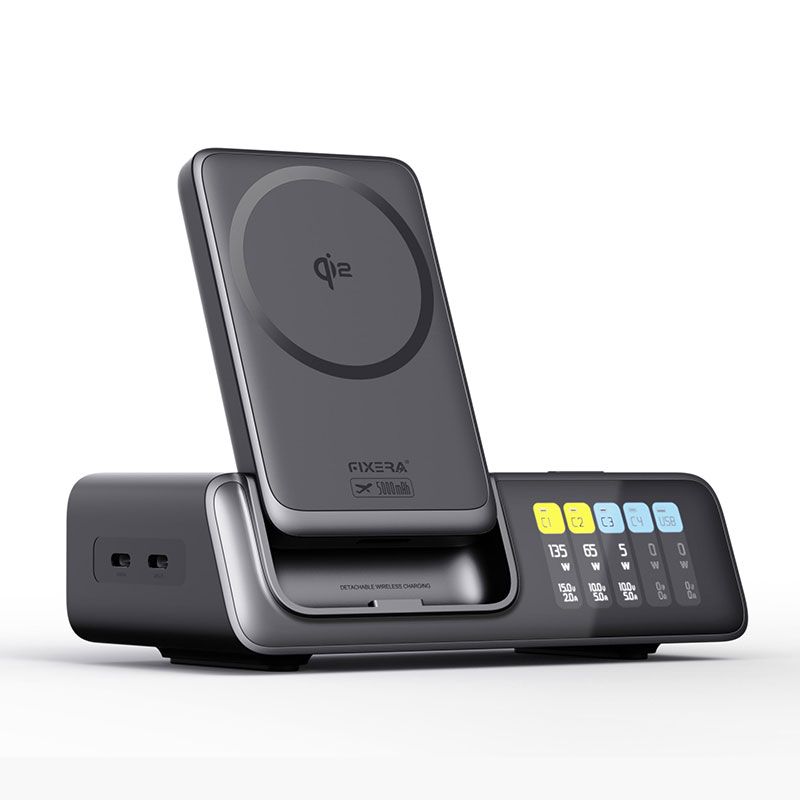
Travelers increasingly prefer portable wireless power banks that attach directly to smartphones, combining convenience with compact form factors.
4. How Can Buyers Verify Certification and Authenticity?
With market saturation, not all Wireless Power Banks meet safety or export standards. For both consumers and OEM buyers, certification is a must-check factor.
Essential Certifications for Wireless Power Banks
| Region | Required Standard | Example |
|---|---|---|
| Global | Qi Certification | Wireless Power Consortium |
| Europe | CE / RoHS | Environmental & Safety |
| US | FCC / UL | Electrical Safety |
| Export | UN38.3 | Air Transport Approval |
OEM buyers should always request 3rd-party lab test reports before signing contracts. Reliable manufacturers like ESCCharge provide full compliance documentation for every batch, ensuring smooth global distribution.
5. How Long Do Wireless Power Banks Last?
Lifespan depends on battery chemistry, thermal stability, and charging cycle management.
A well-engineered unit can last over 800 charge cycles while maintaining 80% capacity.
Durability Factors
-
Cell Type: A-grade lithium polymer cells outperform standard lithium-ion.
-
Shell Material: Aluminum or PC+ABS hybrid casings resist deformation.
-
Smart Power IC: Reduces overcharging and extends battery longevity.
Example:
A 10,000 mAh wireless charger used once daily can last 2–3 years with minimal capacity drop, provided it has smart cut-off protection and low-resistance coils.
Choosing the Right Wireless Power Bank for Your Phone Model
Different phones interact differently with wireless charging coils. For example, iPhone 17 and Samsung Galaxy S24 use optimized magnetic alignment that pairs best with MagSafe-compatible or Qi 2.0-certified power banks.
Quick Compatibility Tips
-
iPhone users: Choose Magnetic or MagSafe models with 15W+ rated output.
-
Android users: Check Qi certification and USB-C fast charging fallback.
-
Smartwatch or earbuds users: Multi-coil or dual-device charging pads save space and increase efficiency.
Also consider capacity balance: 5,000–10,000mAh for daily commuters, 20,000mAh+ for extended travel or multi-device usage.
How to Select a Reliable Wireless Power Bank Manufacturer
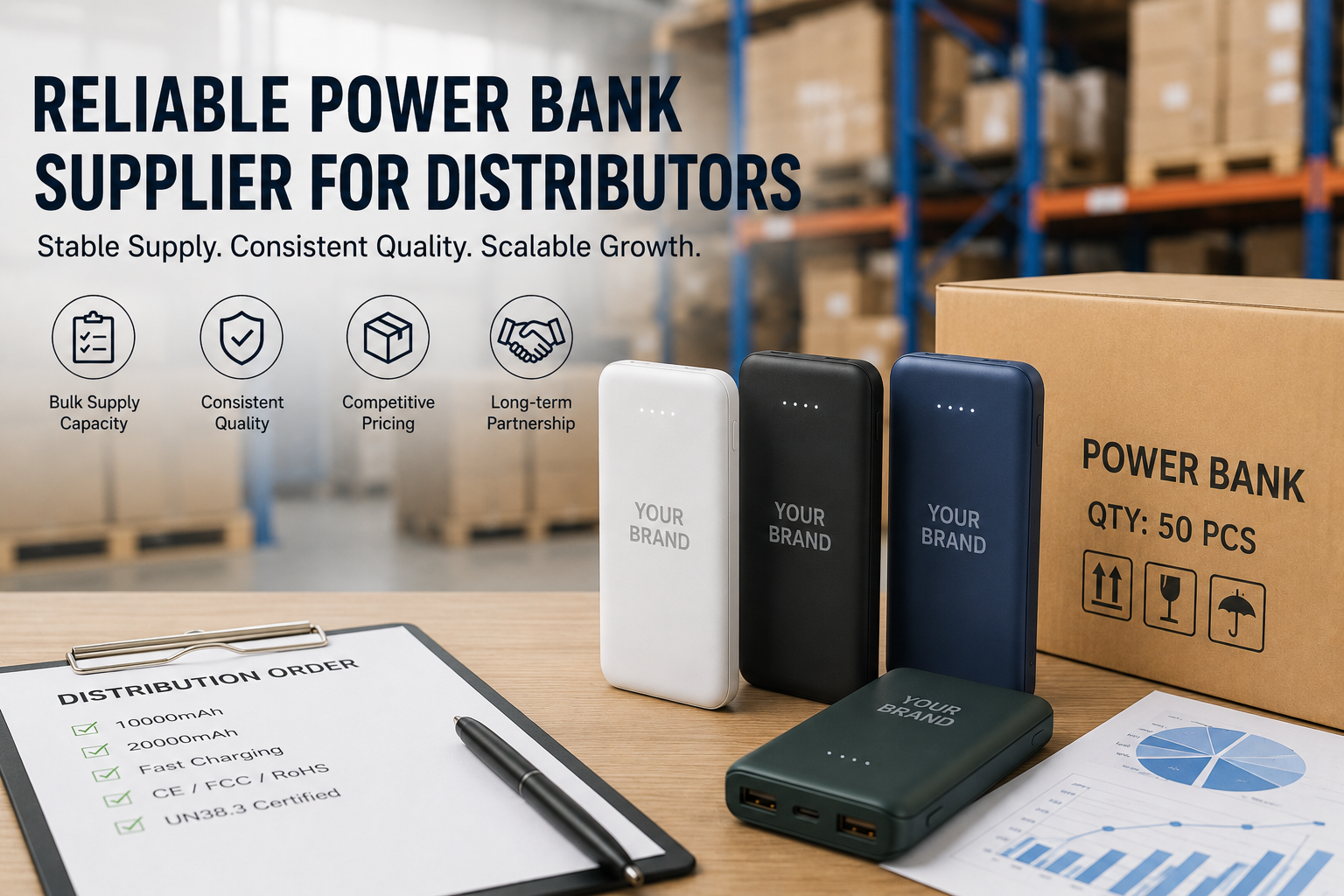
For brand owners or OEM distributors, selecting a trustworthy manufacturing partner matters as much as the product design.
What to Evaluate
-
Production Capacity & R&D – Ensure the factory manages at least 100K+ monthly units with in-house PCB assembly.
-
Certification Support – Reliable suppliers offer UL, CE, FCC, and Qi documents per batch.
-
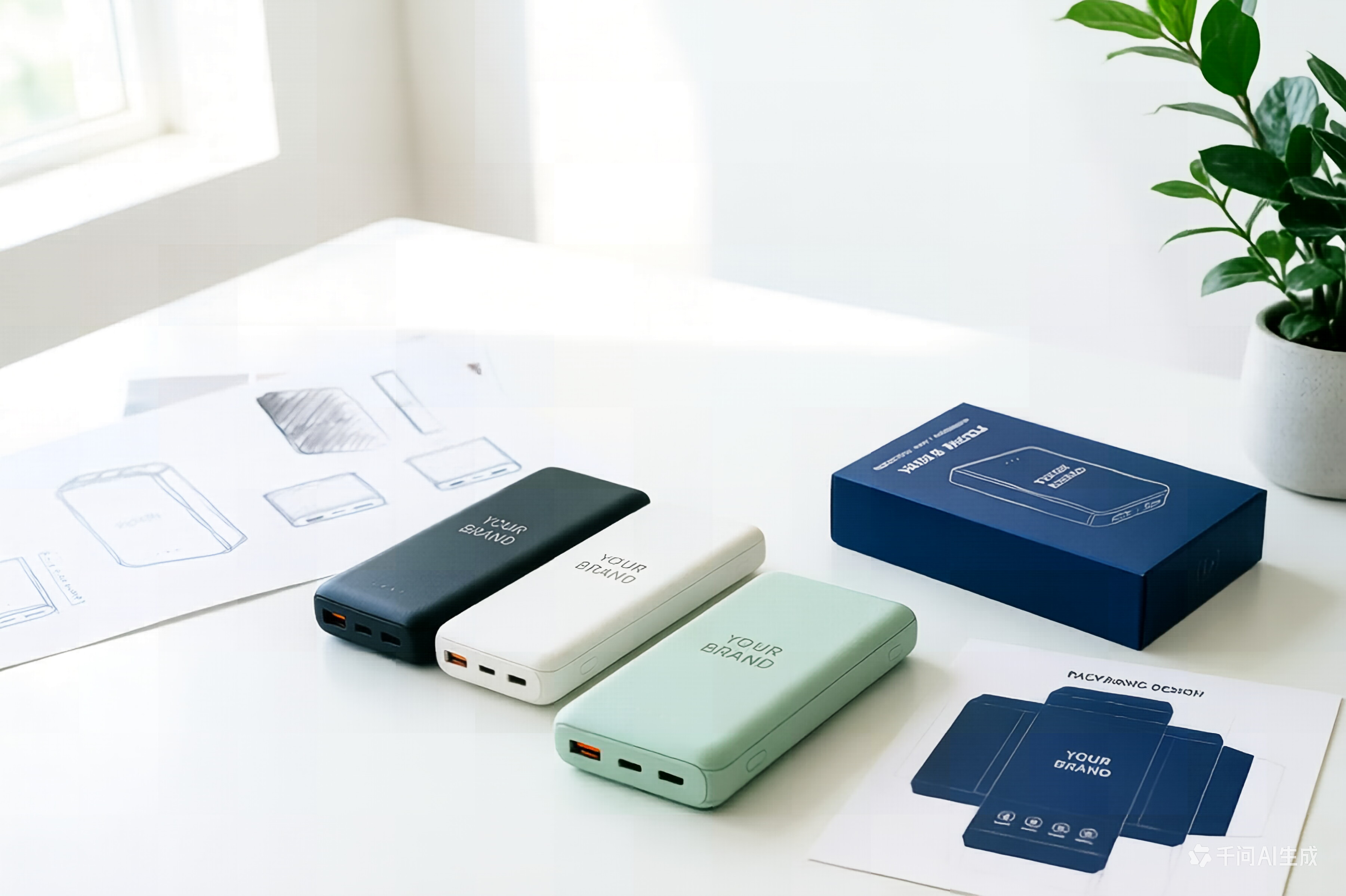
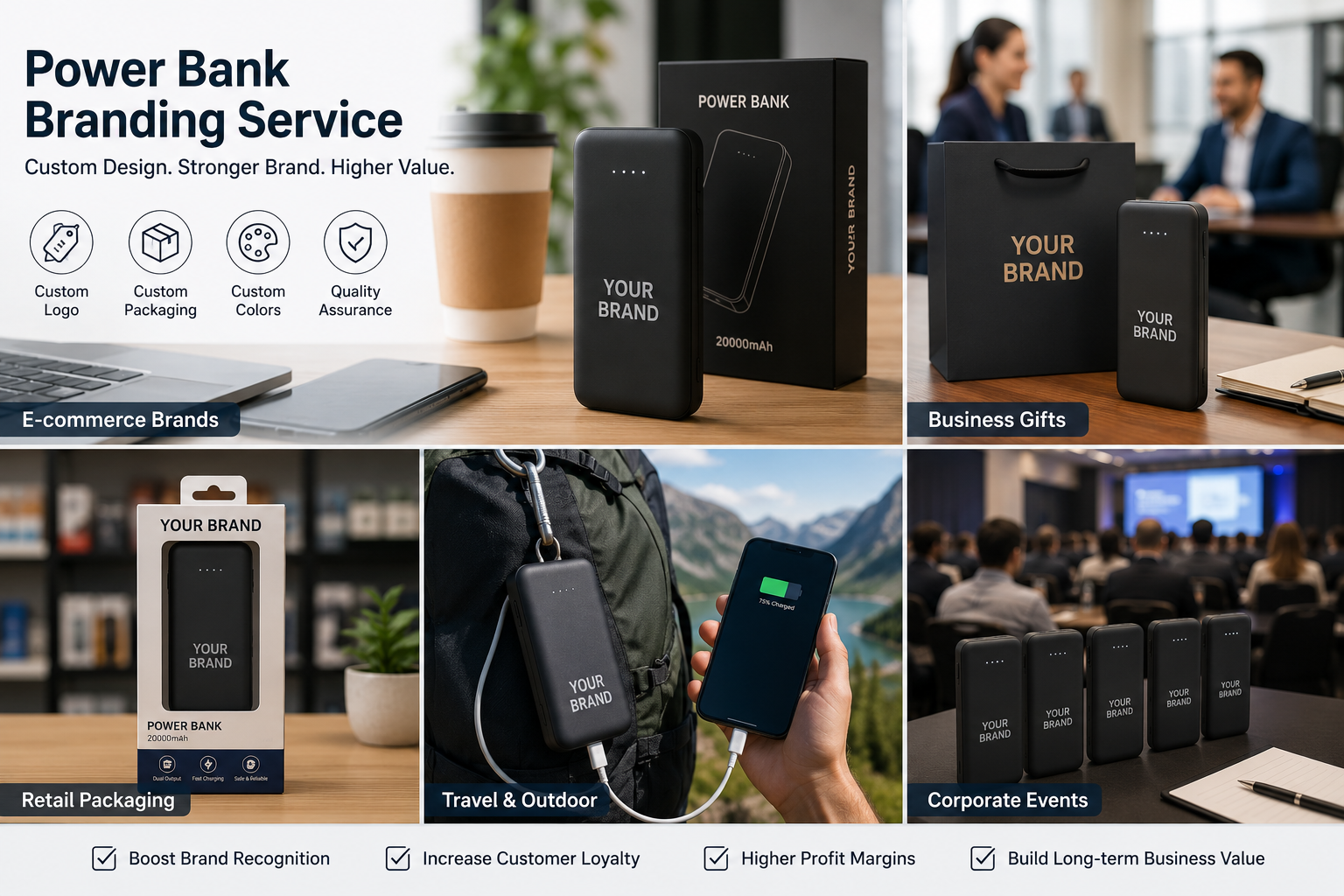
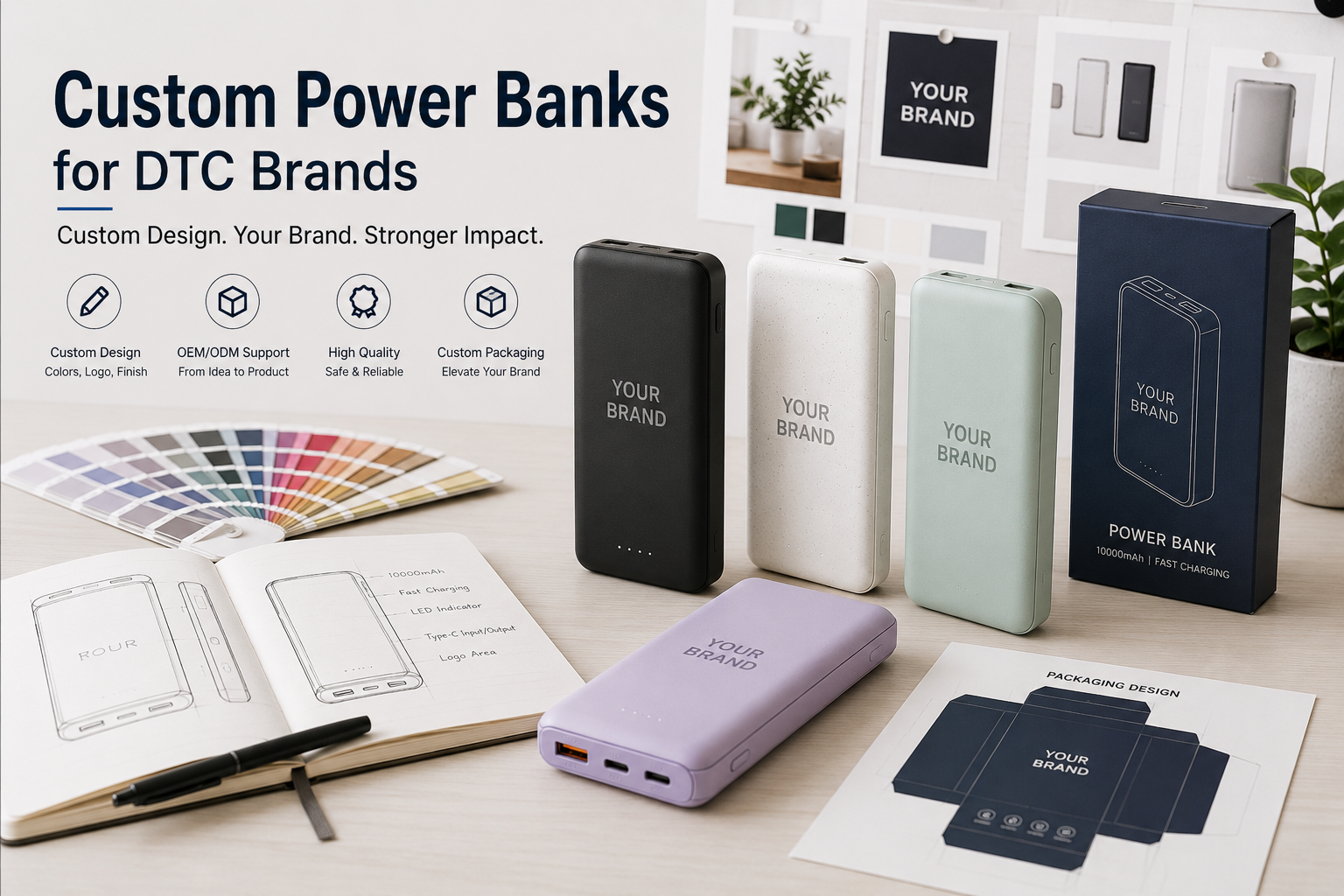
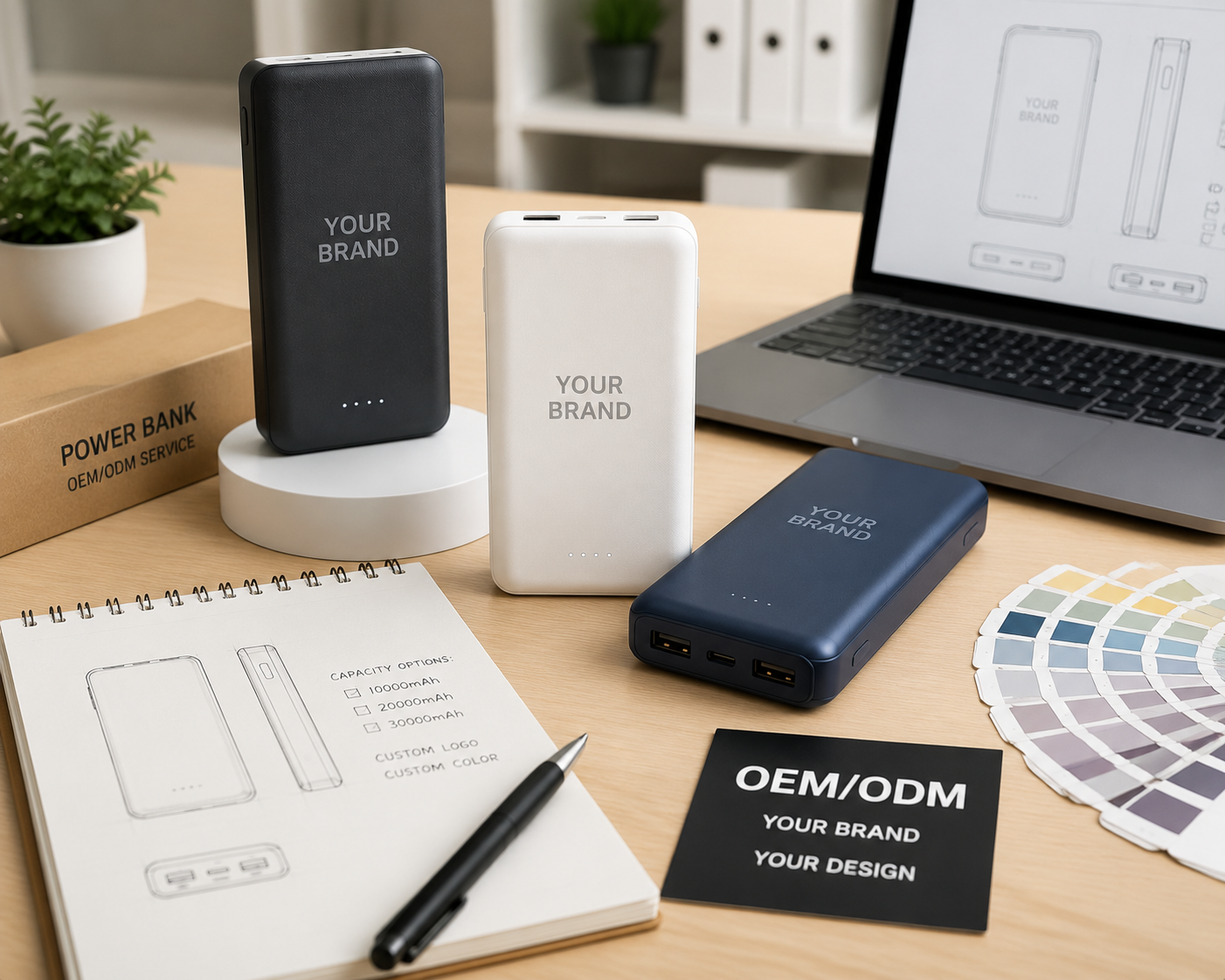
OEM/ODM Flexibility – Look for custom branding, packaging, and firmware tuning options.
-
Quality Control – Factories that perform 100% load and temperature tests before shipment deliver fewer post-sale issues.
We combine industrial-scale manufacturing with AI-driven testing, ensuring each Wireless Power Bank meets both consumer safety and export compliance.
Smarter Energy for a Cord-Free Future
Wireless Power Banks will continue to define portable charging in 2026 — with faster GaN power, better safety protocols, and more adaptable designs.
Understanding these five key user questions, plus compatibility and manufacturer selection, allows both consumers and business buyers to make informed, future-proof decisions.
If your brand seeks OEM or private-label Wireless Power Banks built for global markets, ESCCharge provides certified, customizable, and high-performance solutions.
Explore more at ESCCharge Official Website and bring intelligent wireless energy to your customers worldwide.