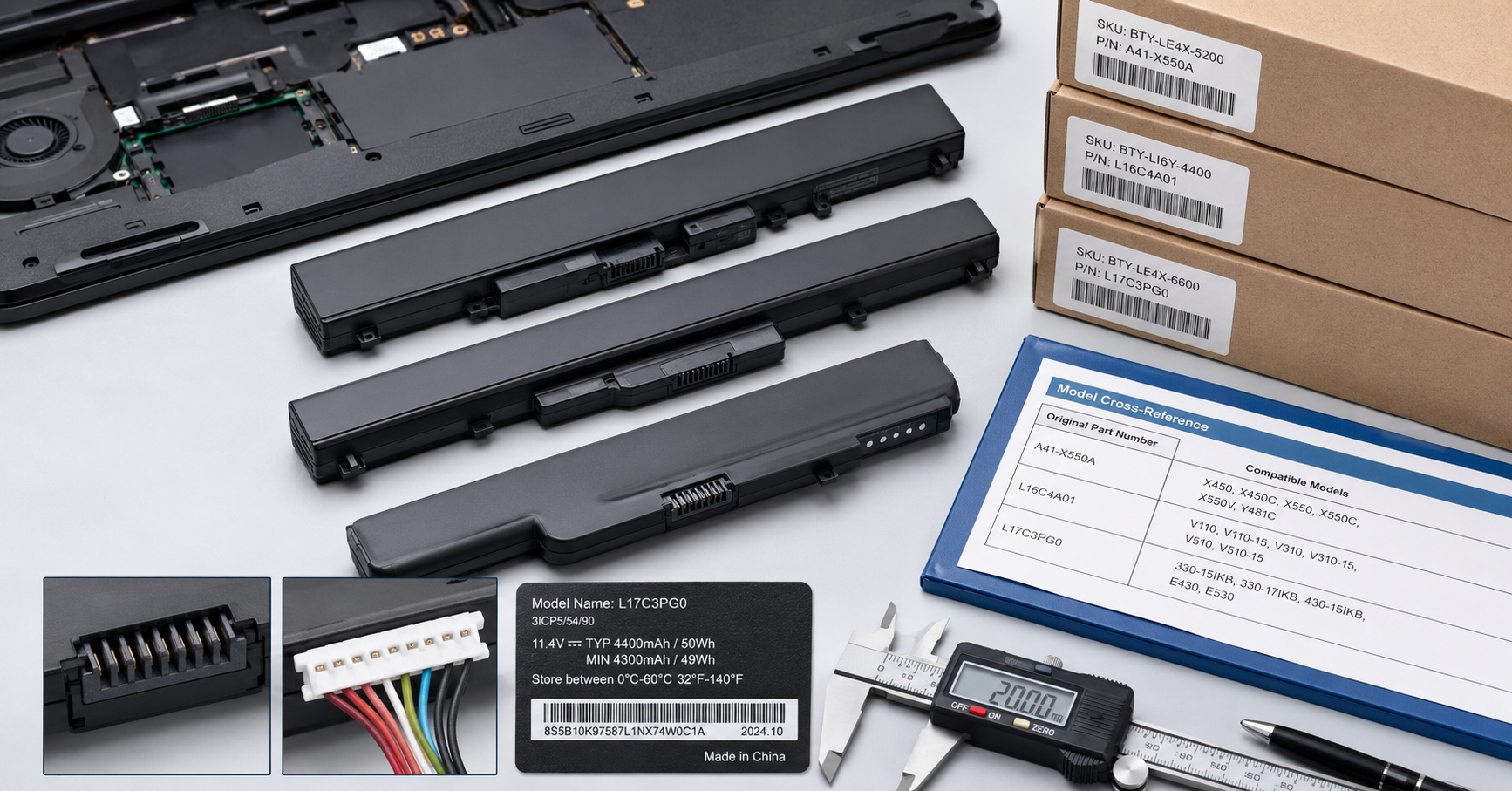

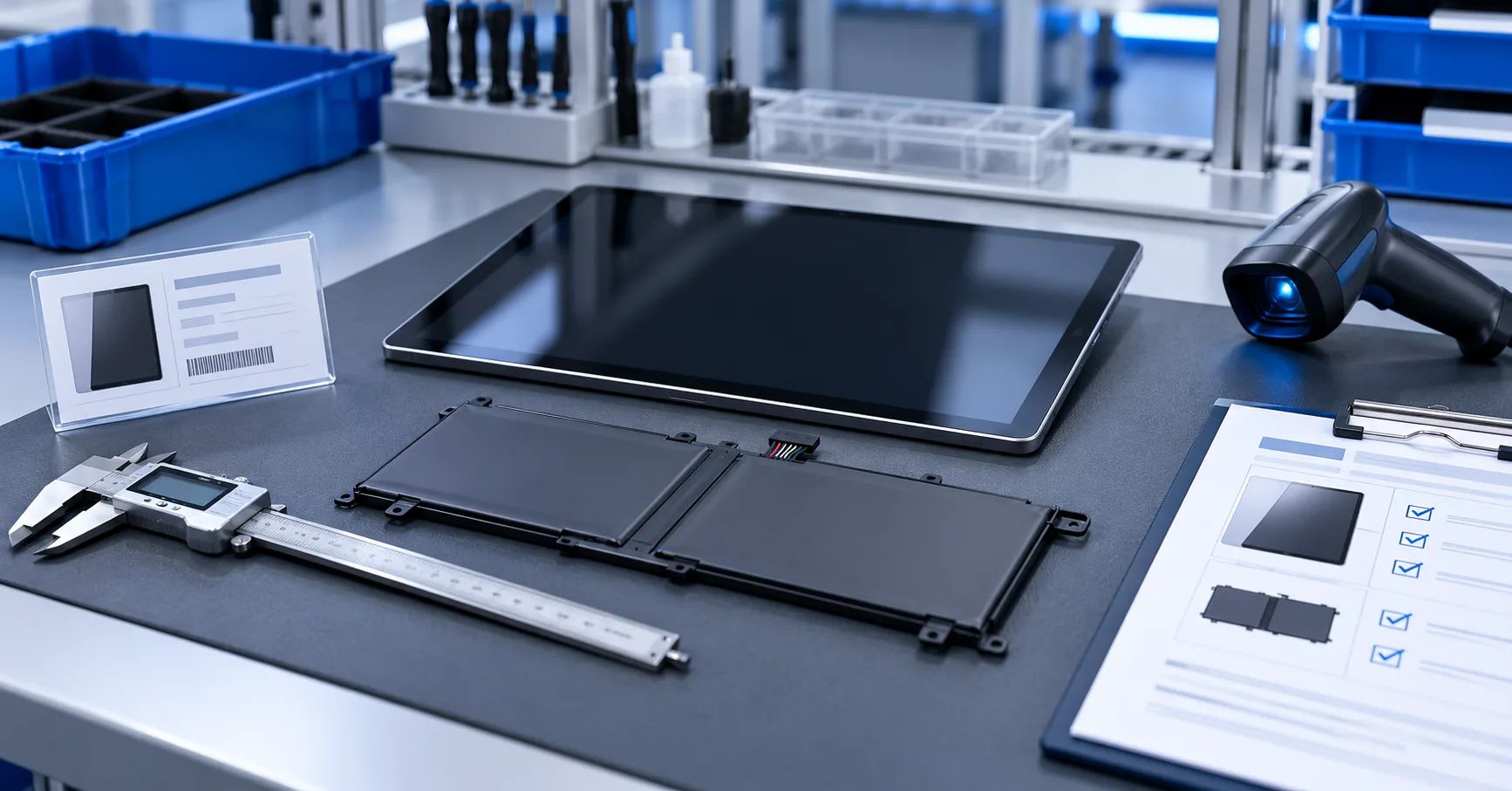
Quick answer: a Surface Pro 8 battery should be approved as a model-specific finished assembly, not selected by device name, appearance or watt-hour value alone. Professional buyers need to confirm the exact Surface model, supplier pack identity, dimensions, connector and cable configuration, electrical behavior, installed-device performance and production-lot traceability before release.
A surface pro 8 battery replacement project also needs a clear service boundary. Microsoft publishes a Surface Pro 8 service guide for qualified repair work, but its current self-repair component list for this model names the kickstand, SSD door, removable SSD and display—not the battery. Independent repair and aftermarket sourcing therefore must not be described as Microsoft-authorized self-repair or as use of genuine Microsoft parts unless that status is separately documented.
Start with Microsoft’s Device-Level Reference
Microsoft’s official Surface Pro 8 features and specifications list a battery capacity of 51.5Wh nominal and 50.2Wh minimum. The page also reports Up to 16 hours of typical device usage
, but Microsoft attaches specific 2021 test conditions involving a preproduction Core i5 device, default settings, 150-nit brightness, Wi-Fi and a mix of active use and modern standby.
Those figures establish a useful device reference, not a performance guarantee for an aftermarket pack. A supplier’s printed energy value must be supported by the specific pack’s specification and test method. Runtime depends on display settings, processor load, software, battery condition, charging history, temperature and other device variables. Buyers should avoid turning Microsoft’s controlled device claim into an acceptance limit for a different battery and test setup.
| Official reference | What it supports | What it does not prove |
|---|---|---|
| 51.5Wh nominal | Normalizes supplier label and quotation discussions | That a submitted pack actually delivers the claim |
| 50.2Wh minimum | Shows Microsoft distinguishes nominal and minimum capacity | Automatic acceptance of an aftermarket label or method |
| Up to 16 hours | Provides a Microsoft test result under disclosed conditions | Universal runtime after replacement |
| Surface Pro 8 product name | Identifies the device family | Exact pack compatibility without model and assembly evidence |
Confirm Surface Pro 8 Model Identity
Microsoft’s official Surface Pro 8 Service Guide identifies model 1982 as Surface Pro 8 LTE and model 1983 as Surface Pro 8 Wi-Fi. It also states that the serial number is located under the kickstand. These identifiers give procurement teams a reproducible starting point.
An RFQ that says only “Surface Pro 8” is incomplete. Record the model number, configuration, sales region and representative serial-number range of the device population. Then connect that device record to the supplier’s finished battery assembly code and revision. Do not infer surface pro 8 battery compatibility from a marketplace title or from a shared 51.5Wh claim.
The controlled identity file should include:
- Surface model 1982 or 1983 and the target market;
- device serial or approved sample-device record;
- supplier battery model, buyer SKU and revision;
- nominal voltage, rated or minimum energy and claim definitions;
- length, width, thickness and measurement method;
- cable exit, cable length, connector housing and pin assignment;
- protection, sensing and communication configuration;
- label, barcode, packaging and traceability format;
- approved sample IDs and test records.
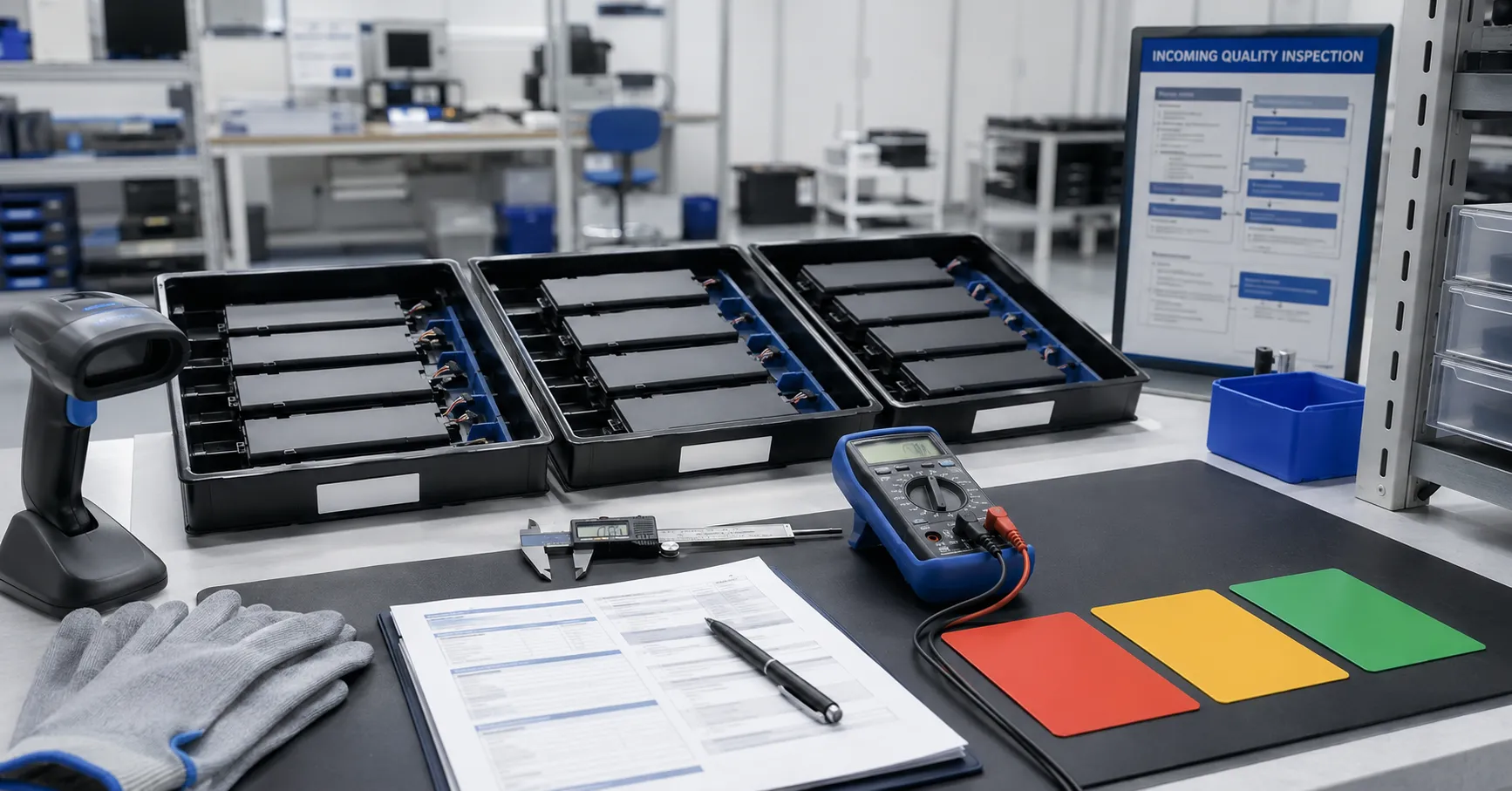
ESCCharge’s published laptop battery incoming-inspection guide explains how identity, construction and test evidence can be connected to each received lot.
Respect the Official Repair-Scope Boundary
Microsoft says its Surface self-repair program is intended for out-of-warranty work by skilled technicians using supported components and service guides. On the current Surface self-repair information page, the replaceable-component list for Surface Pro 8 includes the kickstand, SSD door, removable SSD and display. The battery is not included in that model’s list.
This does not prove that every independent battery project is impossible. It does mean a seller should not represent an aftermarket surface pro 8 replacement battery as an officially supported self-repair component. Procurement teams should obtain legal, warranty, safety and technical review appropriate to their market and service model.
Microsoft’s Surface Service Guide Center warns technicians to review repair-safety and battery-safety guidance before repair actions. Its Pro 8 guide says the work is intended for people with the required knowledge, experience, and specialized tools
. This article therefore focuses on B2B purchasing and validation controls, not disassembly instructions.
Validate the Finished Battery Assembly
A cell with a plausible energy rating is not yet a qualified Surface Pro 8 assembly. The finished product includes the cell or cell group, interconnects, protection and sensing circuitry, cable, connector, insulation, adhesive or mounting interfaces, label and packaging. Every element can affect installation, charging recognition, enclosure fit and after-sales risk.
Ask the supplier for a controlled drawing and evidence package. Compare the sample with an approved reference rather than with a web image. A replacement battery for surface pro 8 should not require cable tension, connector force, cell compression or improvised insulation to fit the target device.
| Evidence layer | Buyer check | Risk controlled |
|---|---|---|
| Identity | Device model, pack code, revision and application mapping | Wrong or mixed product |
| Mechanical | Dimensions, cable route, connector, insulation and attachment points | Pressure, pinching, poor closure or connector damage |
| Electrical | Voltage, polarity, pin assignment, sensing and defined protection behavior | No detection, no charging or unsafe mismatch |
| Performance | Capacity method, controlled load and installed-device behavior | Unsupported energy and runtime claims |
| Traceability | Lot, date, revision, barcode and change history | Uncontrolled substitution and weak warranty investigation |
Build a Surface Pro 8 Sample Approval Matrix
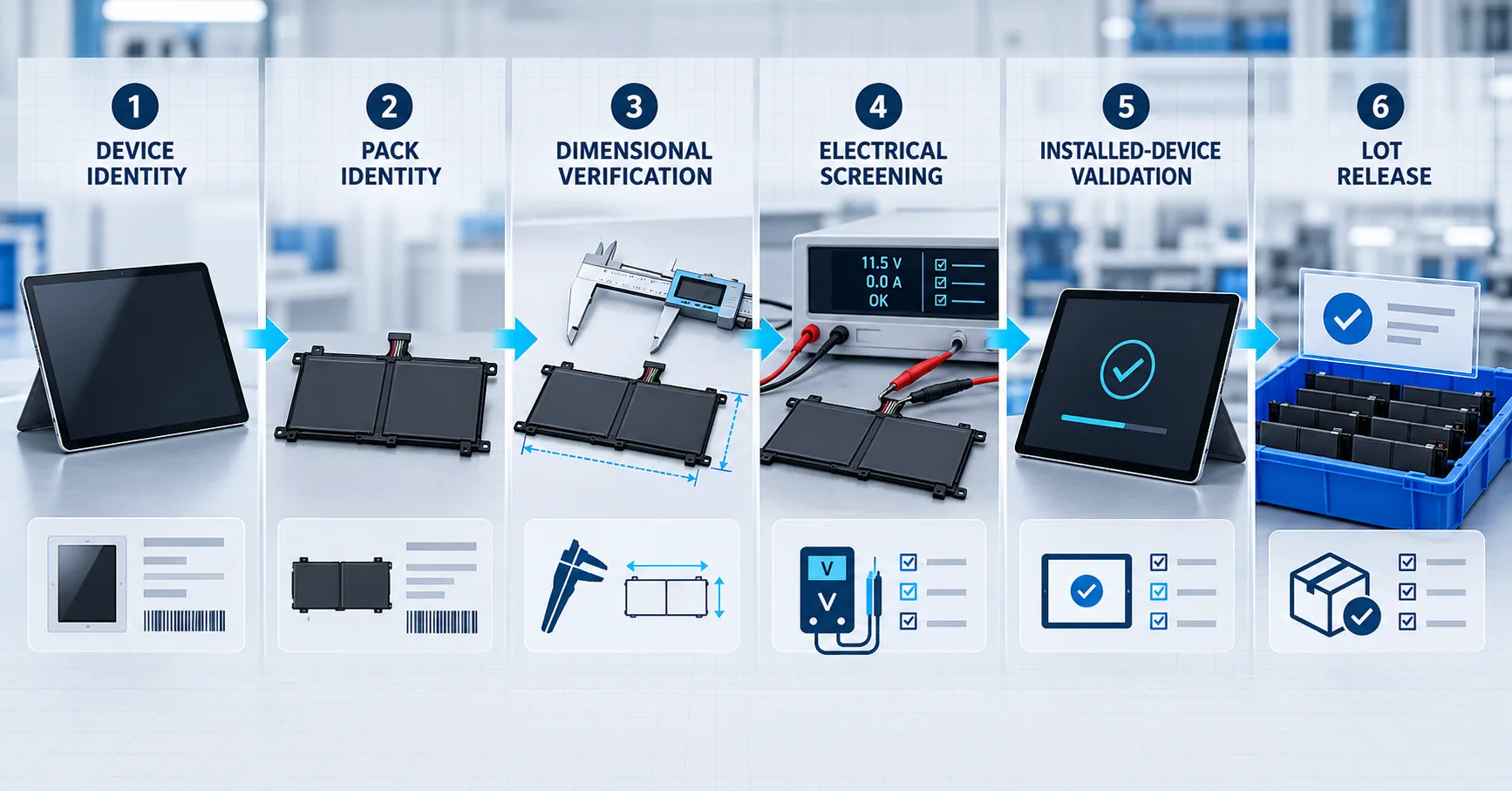
Sample approval should produce a decision record, not only a pass label. Define the method, equipment, condition and acceptance rule before testing. Link every result to the sample ID, battery revision and target Surface model.
- Document gate: compare quotation, specification, drawing, label, application map and required transport or compliance files.
- Visual review: inspect enclosure or pouch condition, insulation, cable, connector, markings and packaging.
- Dimensional review: measure all fit-critical dimensions and cable geometry against the controlled drawing.
- Electrical screening: verify voltage, polarity and agreed communication or sensing behavior with qualified personnel and suitable equipment.
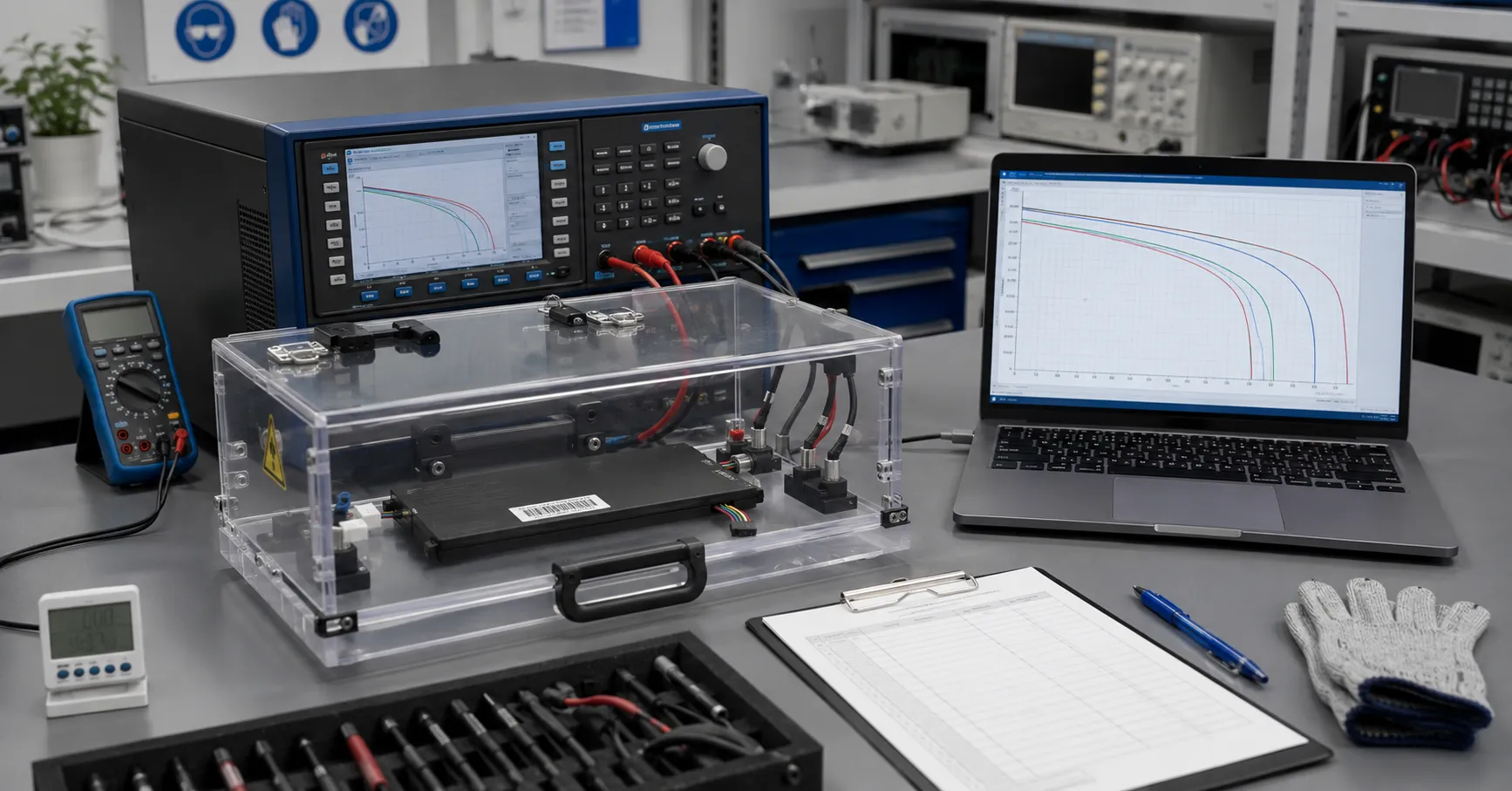
- Capacity test: document charge, rest, discharge, cutoff, temperature, equipment and calculation method.
- Installed-device test: record detection, charging, percentage progression, controlled discharge, shutdown behavior and temperature observations.
- Pilot-lot confirmation: repeat critical checks across multiple production units before approving a larger lot.
Initial boot and charging do not prove capacity, long-term reliability or production consistency. Stop ordinary evaluation and obtain qualified review if a unit shows swelling, leakage, damaged insulation, deformation, abnormal odor, instability or unexpected heat.
Account for Display and Repair-Yield Risk
The Surface Pro 8 service guide treats display work as a skilled repair operation and includes warnings about tool choice, damage and reassembly. For an independent battery program, screen access and restoration can materially affect job economics even when the battery itself passes.
Track battery outcome separately from repair-process outcome. Useful records include display damage, adhesive or sealing issue, connector damage, no-power result, charging result, cosmetic grade, technician, device condition and battery lot. This separation prevents every failed job from being assigned automatically to the battery supplier.
For refurbishment planning, calculate qualified cost per released device—not only battery unit price. Include incoming inspection, technician time, consumables, display-loss risk, failed-device diagnosis, rework, warranty administration and inventory aging. A cheaper pack can create a higher total cost when identity or consistency is weak.
Move from Sample to Production Lot
Freeze the approved configuration after sample sign-off. The production specification should identify the cell configuration, protection design, cable, connector, dimensions, label, packaging and revision. Require notification before changes to components, process, manufacturing site, artwork or test method.
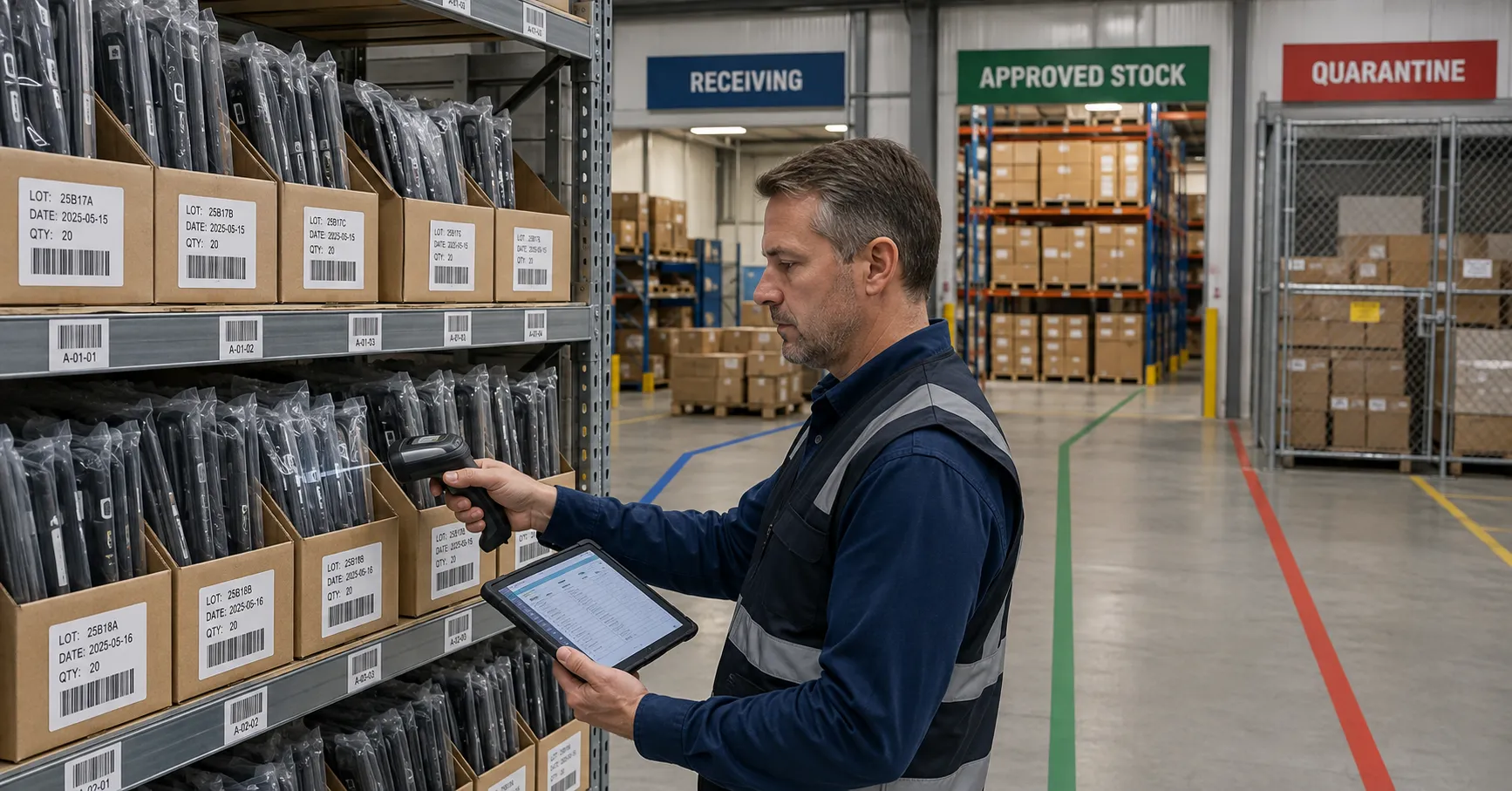
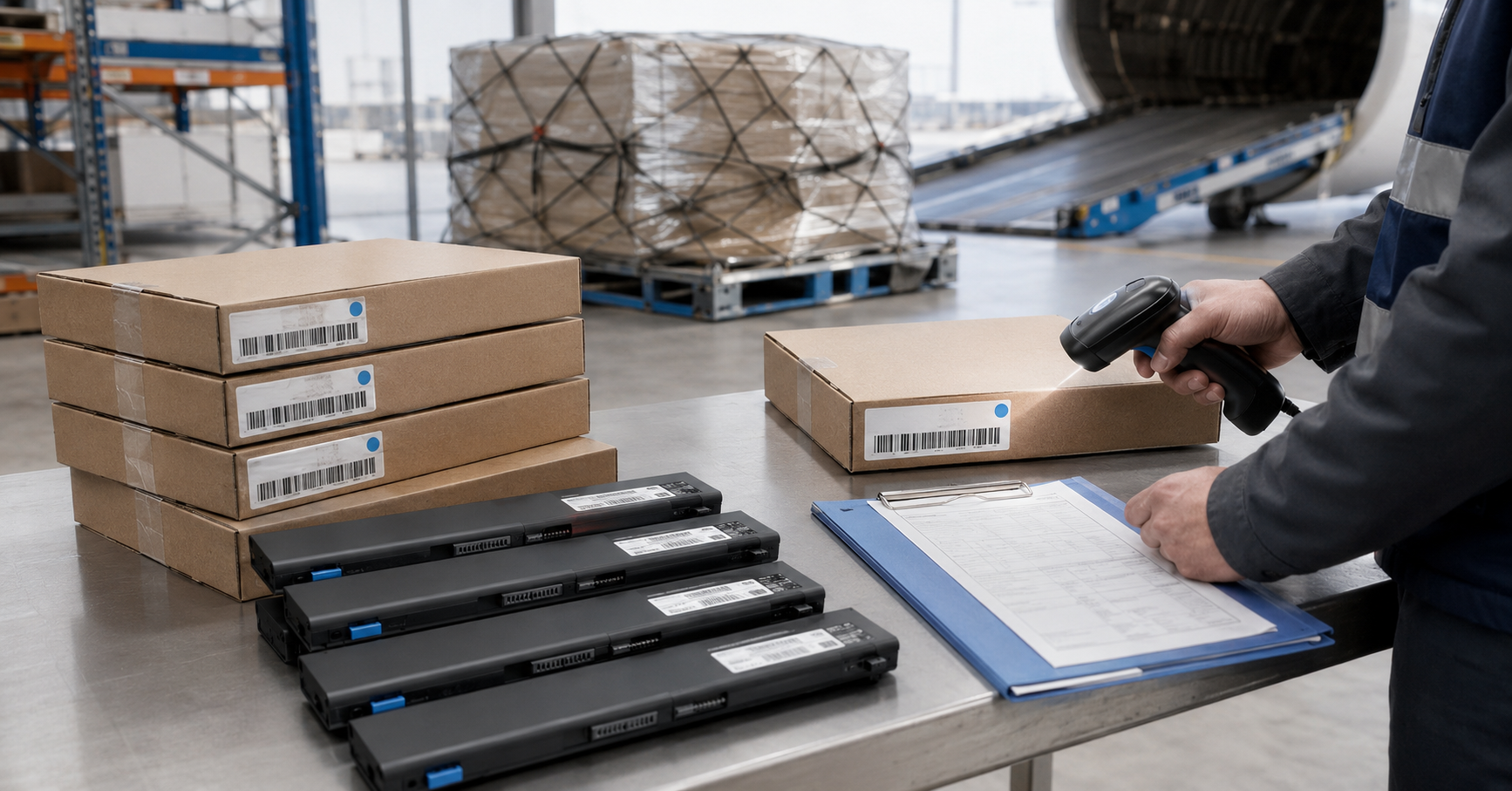
At receiving, separate lots by supplier batch, production date and revision. Compare selected units with the approved sample and apply a risk-based inspection plan. ESCCharge’s laptop battery shipping-document checklist explains why transport evidence must match the actual model and shipment, while the laptop battery supplier guide provides broader supplier-qualification questions.
Release records should connect the purchase order, battery lot, sample IDs, equipment, results, inspector, deviations and authorization. Field complaints should retain device model, battery lot, installation date, symptom, charger, software state and disposition so recurring patterns can trigger containment or requalification.
Prepare a Complete B2B RFQ
Ask suppliers to answer the same controlled questions:
- Which Surface Pro 8 model numbers and regions are claimed?
- What finished-pack code and revision will be delivered?
- How are nominal, minimum and measured capacity defined?
- What dimensions, tolerances, cable and connector details apply?
- What sample quantity and pilot-lot plan are proposed?
- Which transport or market documents cover the exact configuration?
- How will product and process changes be communicated?
- What labels, barcodes, packaging and private-label options are available?
- How will warranty evidence and affected lots be investigated?
MOQ depends on the selected model and customization scope. Lead time depends on model, customization and order quantity. Certification availability and warranty must be confirmed for the specific product, target market and agreement. Do not apply a general factory statement to an unverified Surface Pro 8 configuration.
Frequently Asked Questions
What battery capacity does Microsoft list for Surface Pro 8?
Microsoft lists 51.5Wh nominal and 50.2Wh minimum. These are device-level references; a replacement supplier still needs evidence for its own pack, label and test method.
Is the Surface Pro 8 battery in Microsoft’s self-repair component list?
Not on Microsoft’s current model-specific list. That page lists the kickstand, SSD door, removable SSD and display for Surface Pro 8. Independent battery work should not be presented as Microsoft-supported self-repair without separate evidence.
Can one sample approve both model 1982 and model 1983?
Do not assume it can. Build an application matrix and verify the exact assembly in representative target devices. If one configuration is claimed for both models, retain evidence for both lanes.
Does a 51.5Wh label prove compatibility?
No. Energy rating does not prove dimensions, cable route, connector, polarity, sensing, protection behavior or installed-device function.
When should the battery be requalified?
Review requalification after changes to the cell, protection circuit, cable, connector, insulation, dimensions, label, manufacturing site, process or test method, or when inspection and warranty data indicate increased risk.
Request a Controlled Sample Plan
Send ESCCharge the Surface model numbers, target market, required pack evidence, order forecast, packaging needs and proposed validation conditions. ESCCharge can review the requested project and sampling inputs. Actual product availability, compatibility, capacity claims, documentation, MOQ, lead time and warranty must be confirmed for the specific battery model and agreement.
External Source References
- Microsoft — Surface Pro 8 features and specifications.
- Microsoft — Surface Pro 8 Service Guide.
- Microsoft Support — Self-repair information for your Surface device.
- Microsoft Learn — Surface Service Guide Center — updated 2026.