Why Choose ESC iPhone 13 Battery Cell?
Professional iPhone Battery Manufacturer
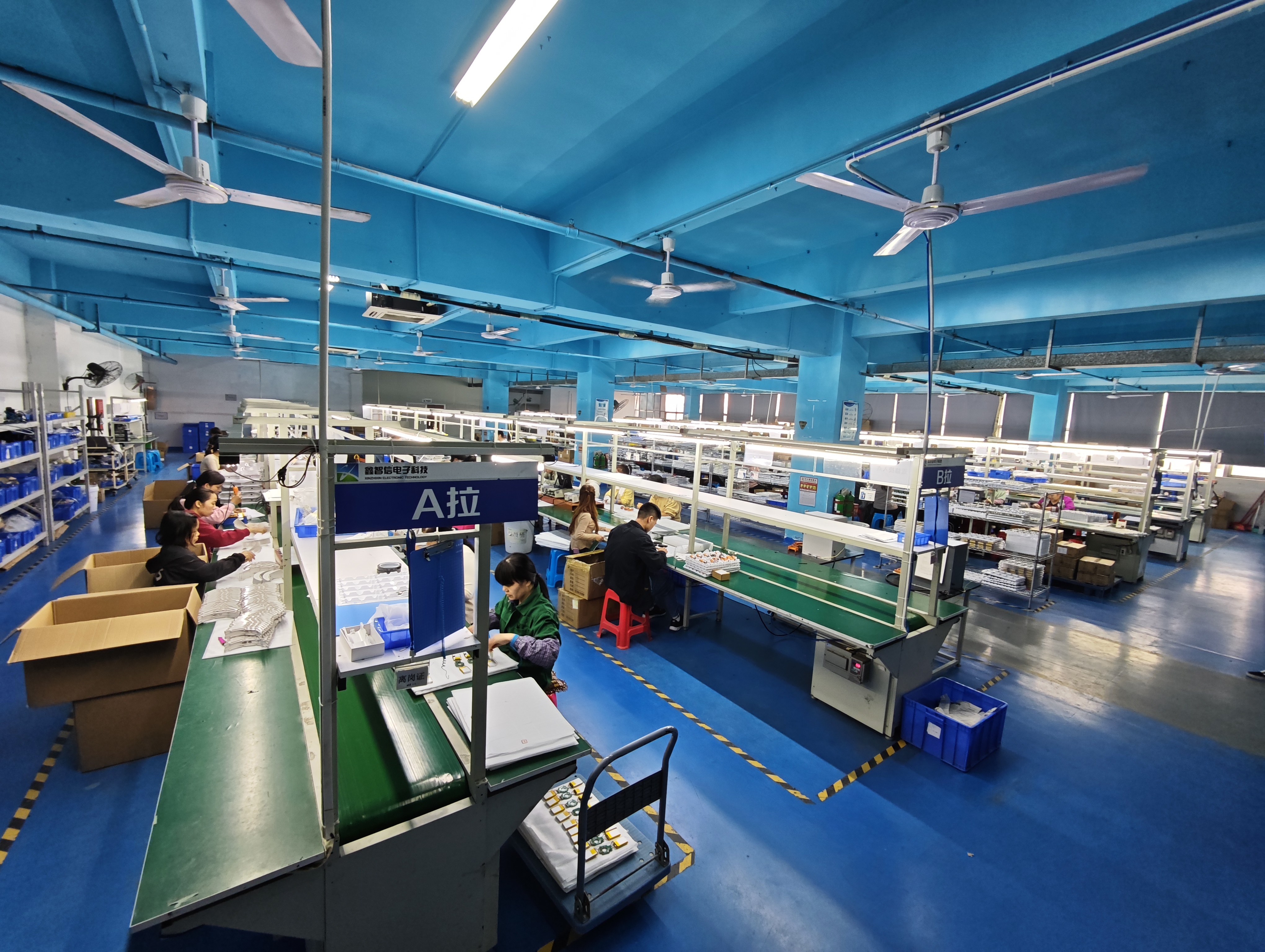
ESC is an experienced iPhone battery manufacturer supplying replacement battery cells to repair shops, refurbishment facilities, distributors and mobile phone parts wholesalers.
The iPhone 13 battery cell is produced for professional buyers requiring stable capacity, model-specific dimensions and consistent bulk-order quality.
Factory-Direct Wholesale Supply
Purchasing from a factory direct wholesaler helps buyers reduce unnecessary sourcing costs, manage repeat orders and maintain consistent specifications.
ESC supports single-model orders, mixed-model purchasing and long-term supply programs for professional mobile phone battery buyers.
Strict Quality Control
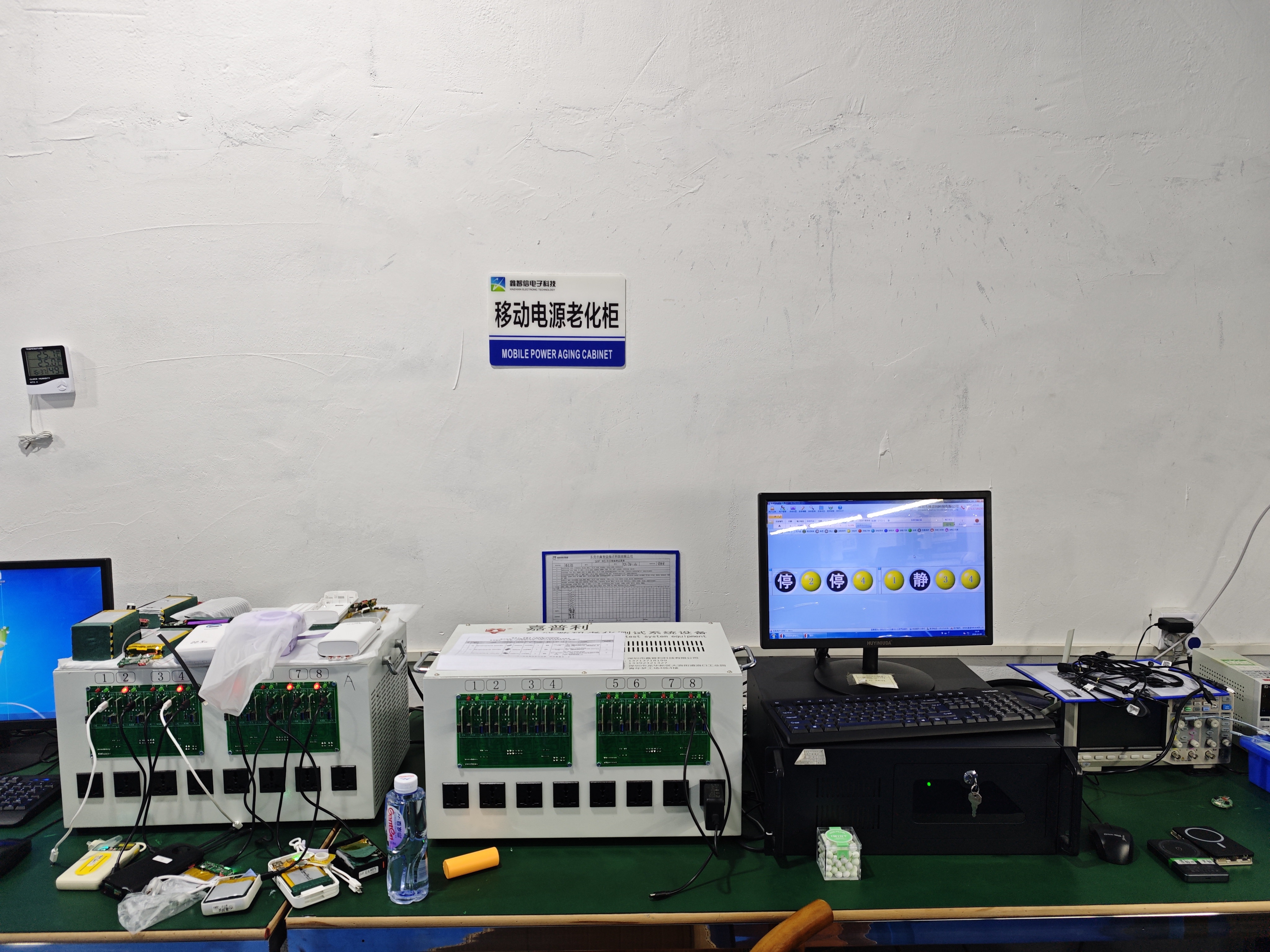
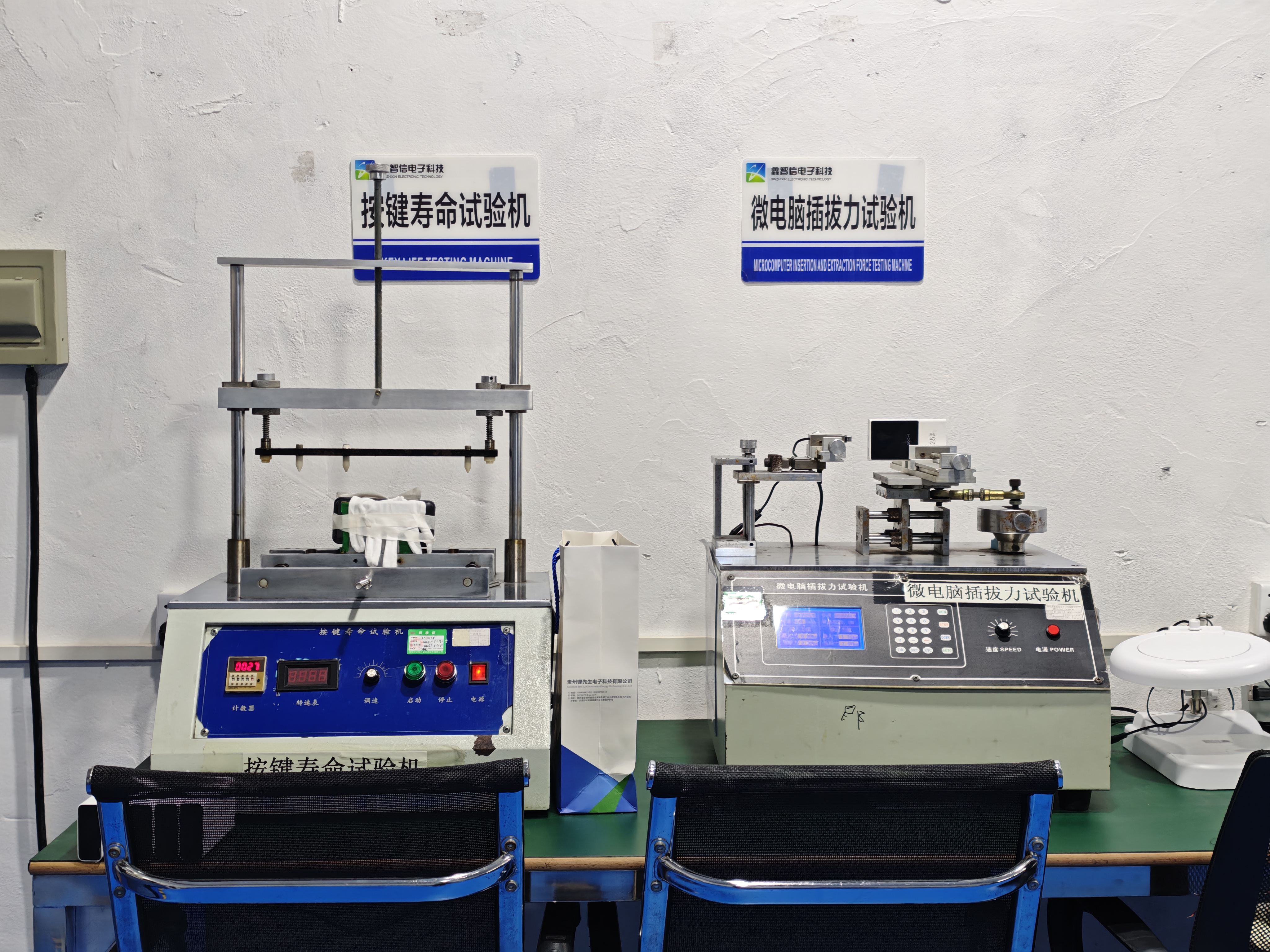
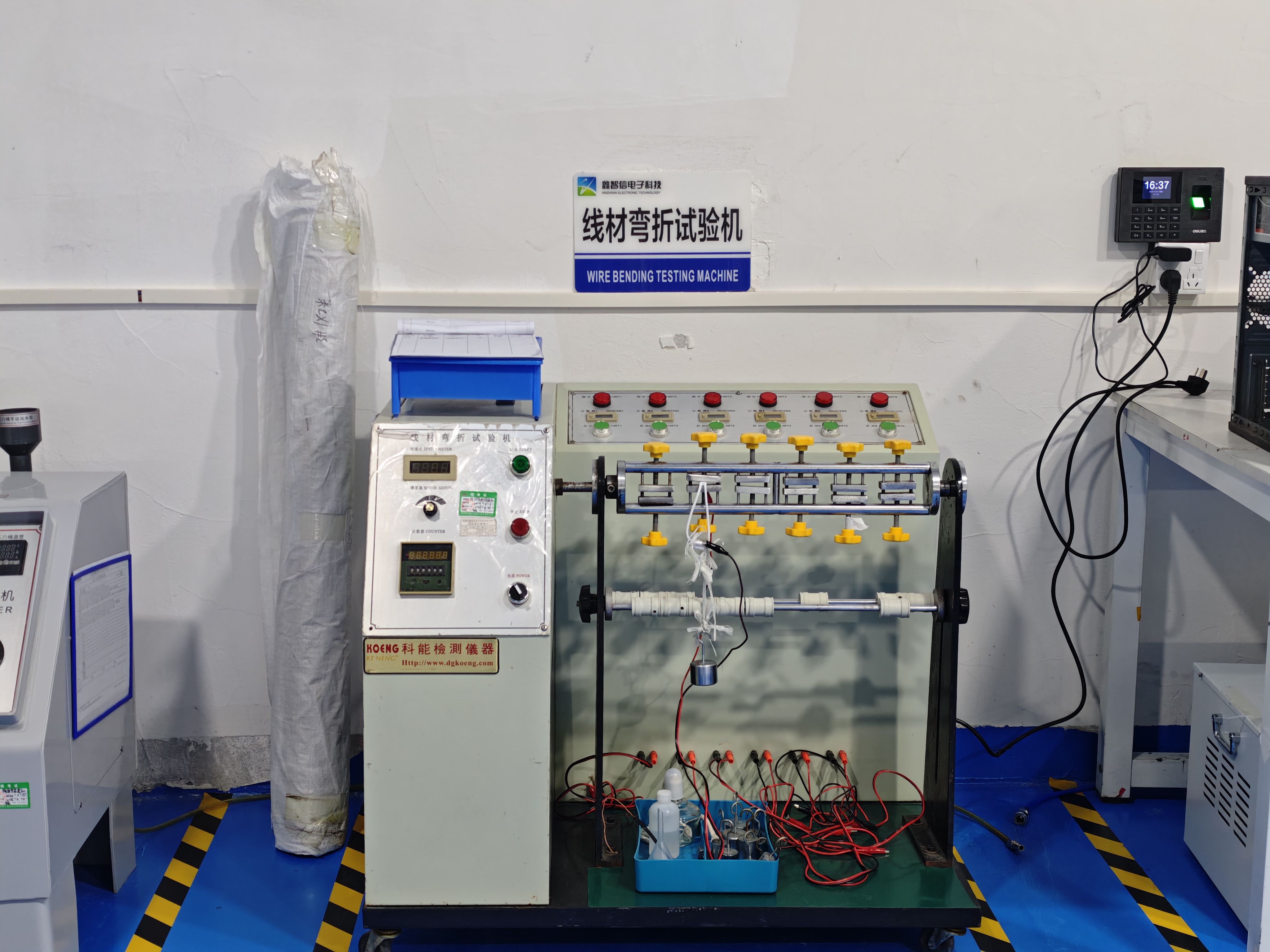
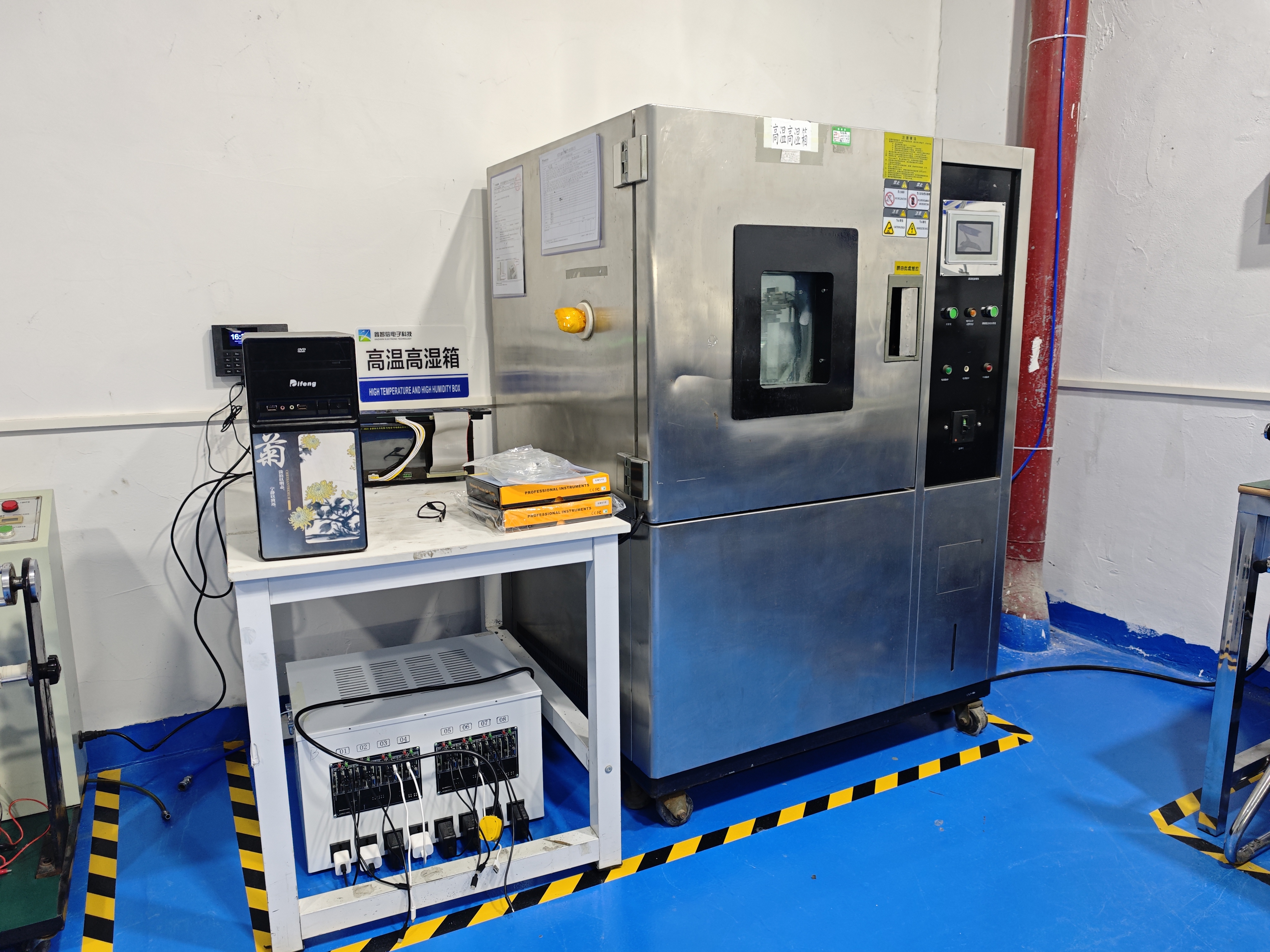
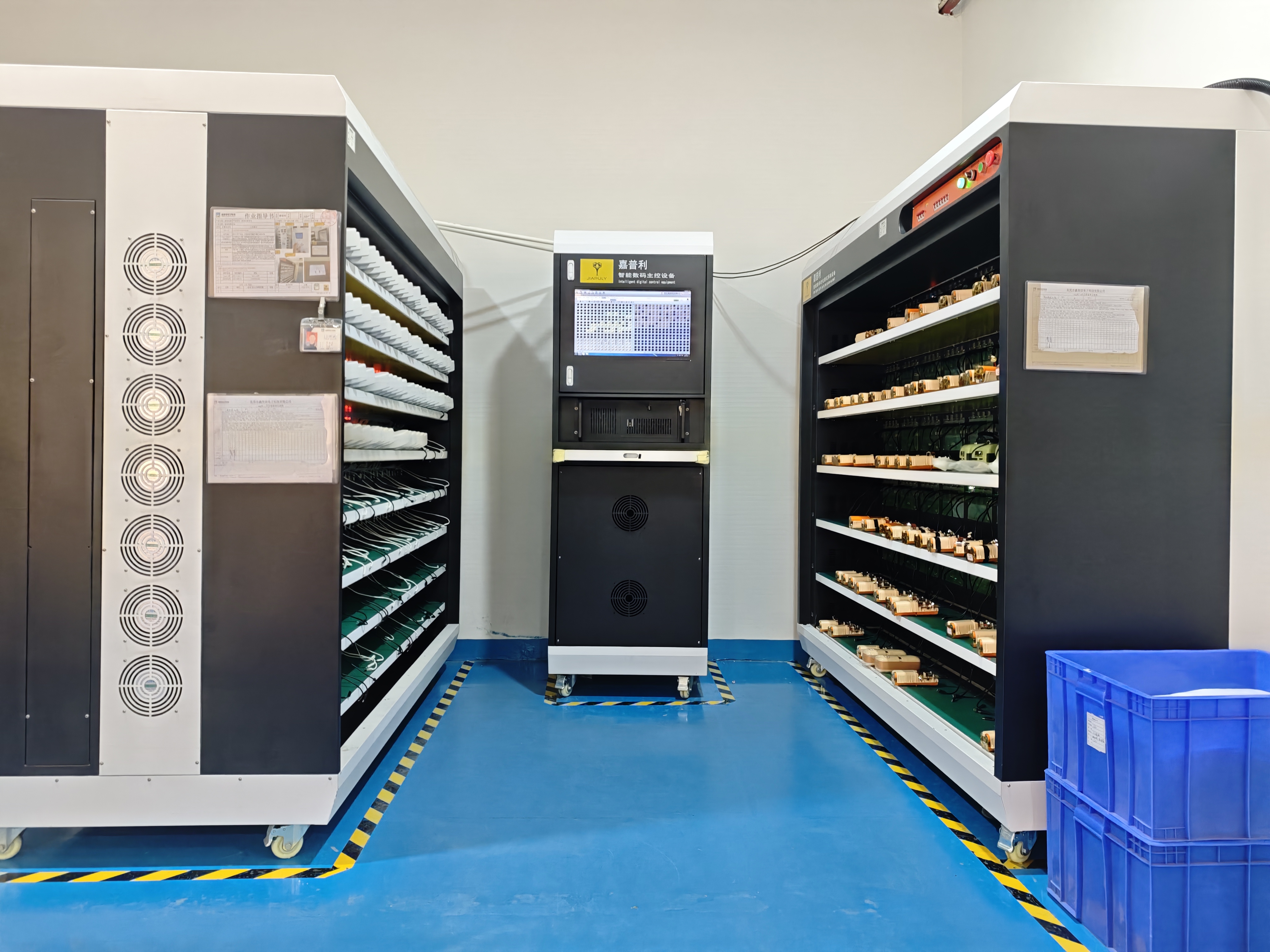
Battery cells are inspected for appearance, voltage, capacity, internal resistance and charging performance.
Automated production, aging tests and individual inspections help maintain stable batch quality and reduce after-sales risks.
Brand-New Pure Cobalt Cell
The product uses a brand-new pure cobalt lithium-ion cell designed for stable discharge performance and more than 800 charging cycles under appropriate operating conditions.
OEM Battery Factory Support
As an OEM battery factory, ESC supports custom logos, battery labels, private packaging, barcode labels, warranty cards and outer-carton markings.
Flexible Wholesale Orders
The listed MOQ is 20 pieces for this model. Mixed-model purchasing and customized packaging quantities can be confirmed according to the buyer’s order plan.
Global Battery Shipping
Available transportation methods include DHL, UPS, sea freight, rail freight and road transportation.
The shipping route can be selected according to the destination, quantity, delivery schedule and import requirements.
Quick Specifications
| Specification | Details |
|---|---|
| Product Name | iPhone 13 Battery Cell Without Flex |
| Compatible Device | iPhone 13 |
| Battery Type | Rechargeable Lithium-Ion Battery Cell |
| Cell Material | Brand-New Pure Cobalt Cell |
| Rated Capacity | 3227mAh |
| Standard Voltage | 3.83V |
| Product Configuration | Battery Cell Without Flex Cable |
| Cycle Life | More Than 800 Cycles |
| Charging Time | Approximately 1–3 Hours |
| Standby Time | Approximately 3–7 Days, Depending on Device Use |
| Working Temperature | -10°C to 50°C |
| Target Defect Rate | Below 0.1% |
| Warranty | 12 Months |
| MOQ | 20 Pieces for This Model |
| OEM Service | Custom Logo, Battery Label and Private Packaging |
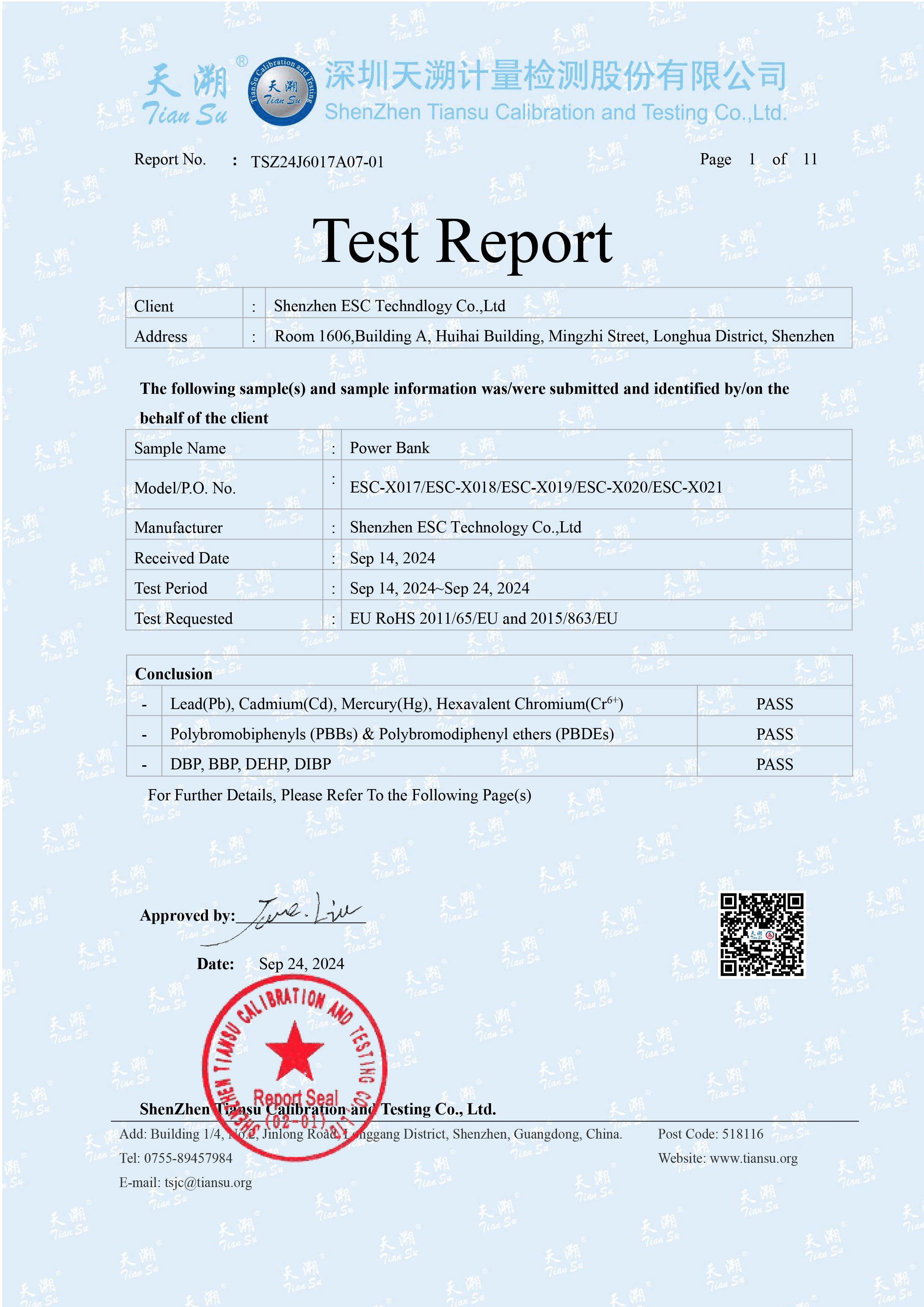
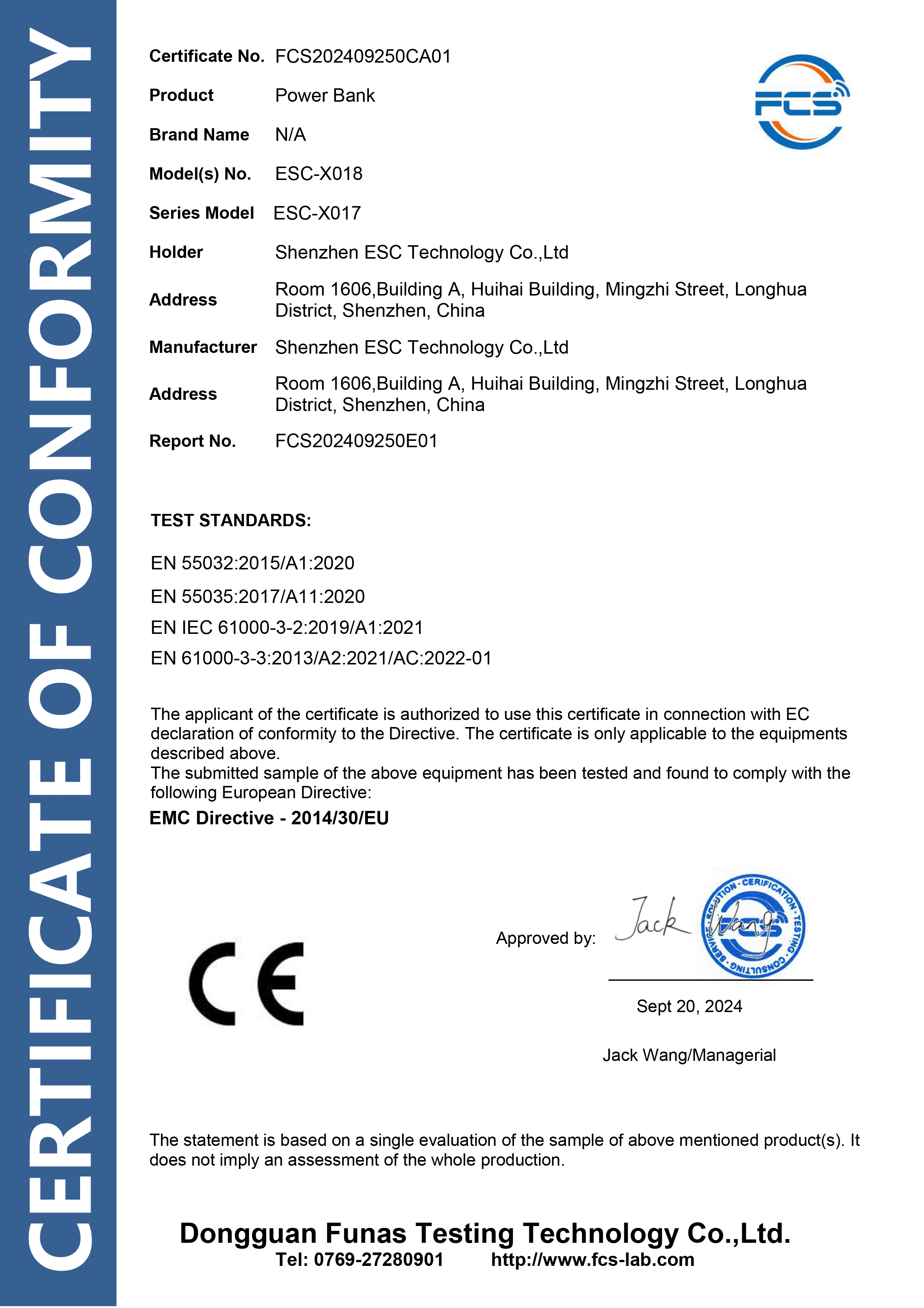
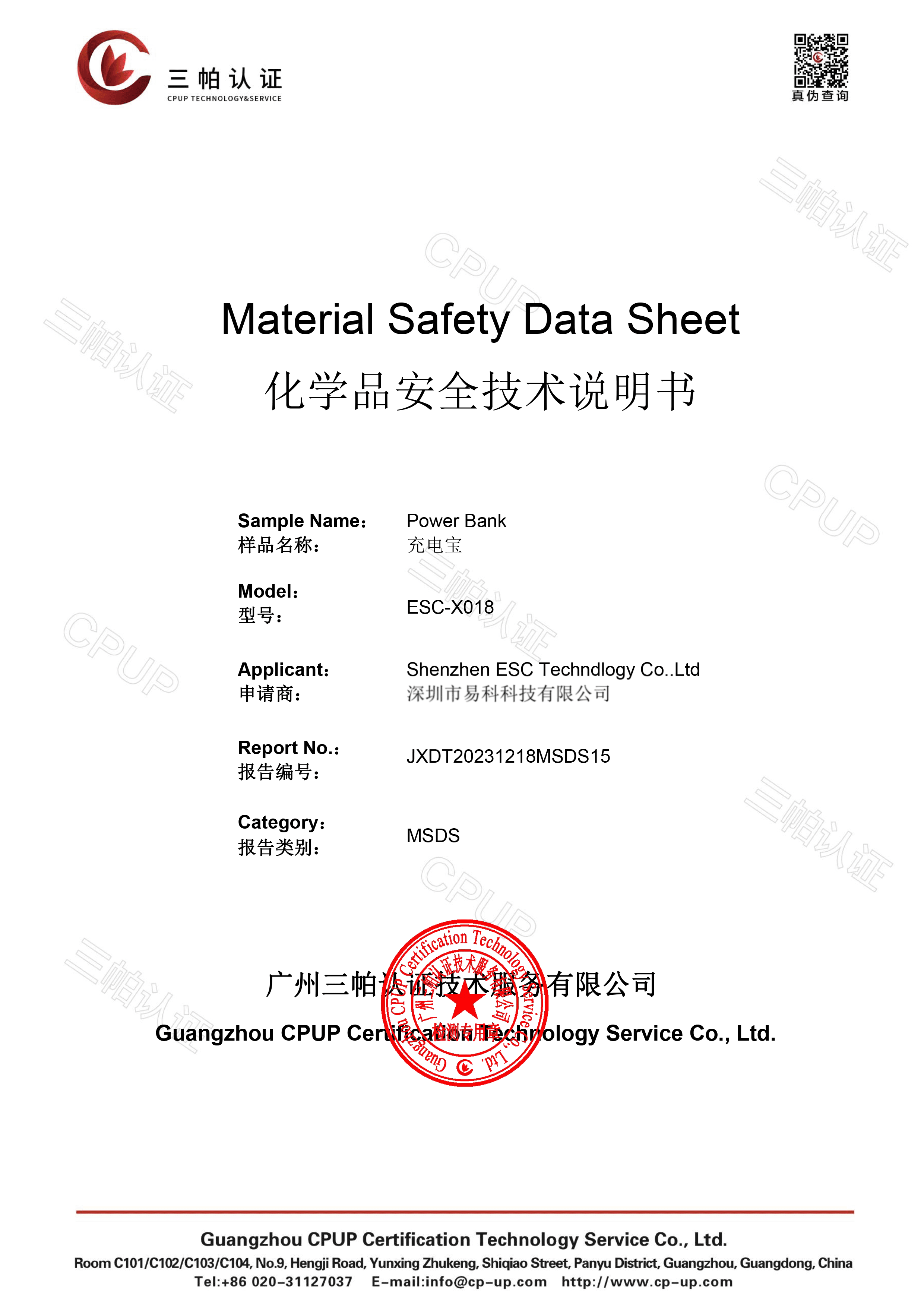
| Certifications | ISO 9001, CE, RoHS, FCC, IEC 62133, PSE, REACH, UL 2054, MSDS and UN38.3 |
| Express Shipping | DHL or UPS, Approximately 3–6 Days |
| Sea Freight | Approximately 20–40 Days |
| Rail Freight | Approximately 30–35 Days |
| Road Transportation | Approximately 20–25 Days |
| Shipping Port | Shenzhen |
Final MOQ, certificate availability and transportation time should be confirmed according to the production batch, destination and packaging requirements.
What Is an iPhone 13 Battery Cell?
Product Definition
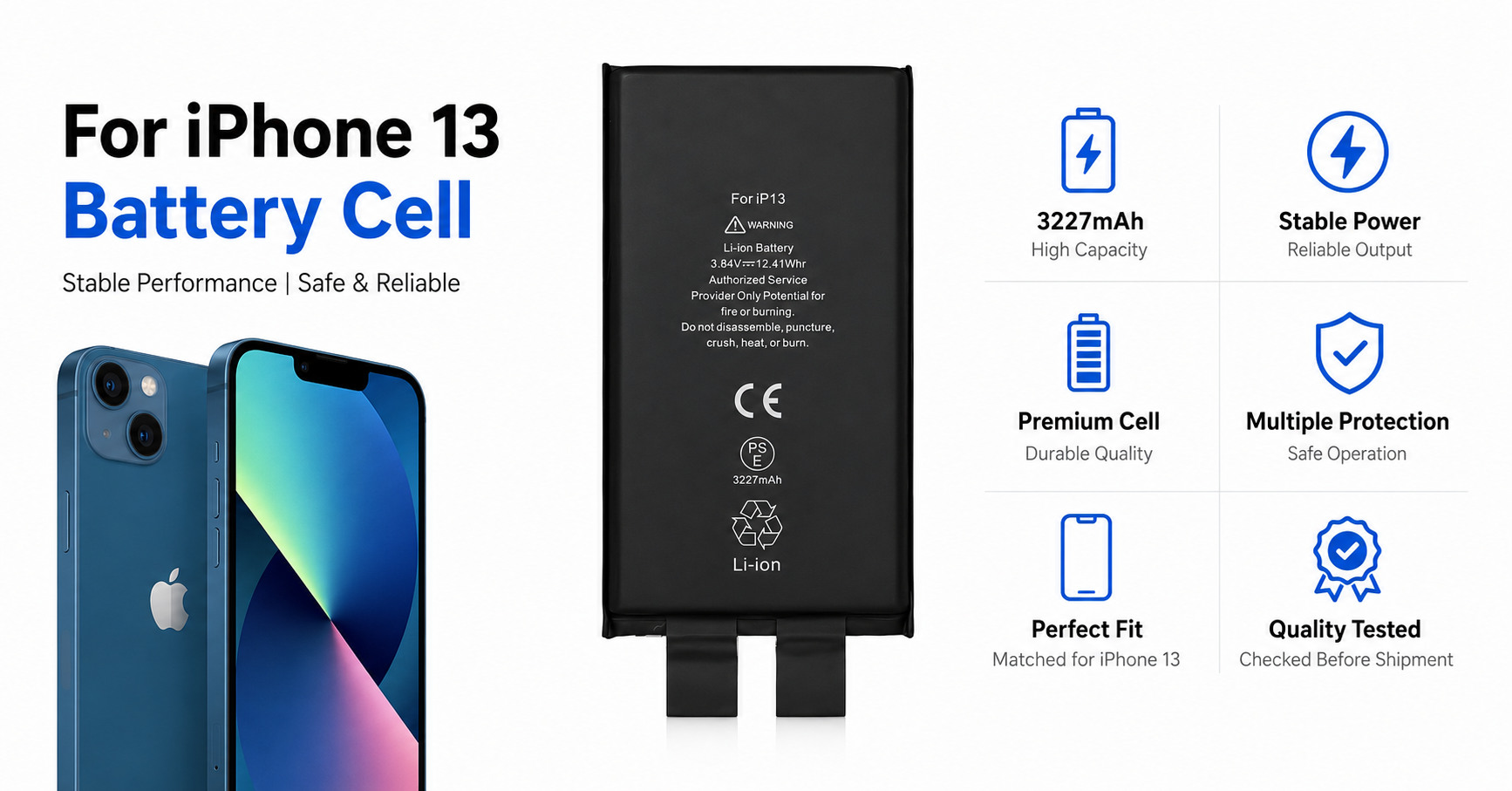
An iPhone 13 battery cell is a 3227mAh, 3.83V lithium-ion replacement cell supplied without a flex cable for professional repair and refurbishment. ESC is an iPhone battery manufacturer, phone battery supplier and OEM battery factory offering strict QC, private labels and global battery shipping.
This product is an aftermarket replacement cell. It is not an original manufacturer battery or an authorized service part.
Key Features
1. Model-Matched 3227mAh Capacity
The 3227mAh capacity and 3.83V standard voltage are designed for the electrical requirements and internal battery space of the iPhone 13.
2. Cell-Only Configuration
The battery is supplied without a pre-installed flex cable, making it suitable for professional technicians using an appropriate cell-transfer or battery-assembly process.
3. More Than 800 Charging Cycles
The brand-new pure cobalt cell is designed to provide more than 800 charging cycles under suitable charging, storage and operating conditions.
4. Strict Batch Inspection
Capacity verification, voltage testing, internal-resistance checking, aging inspection and appearance control help improve batch consistency.
5. OEM and Private Label Support
Custom battery labels, logos, retail packaging, barcodes, instruction cards, warranty cards and export cartons are available for wholesale orders.
Compatible iPhone 13 Models
| Device | Model Number | Primary Market or Region |
|---|---|---|
| iPhone 13 | A2482 | United States |
| iPhone 13 | A2631 | Canada, Japan, Mexico and Saudi Arabia |
| iPhone 13 | A2633 | Other Countries and Regions |
| iPhone 13 | A2634 | China Mainland, Hong Kong and Macao |
| iPhone 13 | A2635 | Armenia, Belarus, Kazakhstan, Kyrgyzstan and Russia |
The iPhone 13 battery cell is intended only for the standard 6.1-inch iPhone 13. It is not compatible with the iPhone 13 mini, iPhone 13 Pro or iPhone 13 Pro Max.
Buyers should verify the device model number, battery shape and installation requirements before ordering.
Applications
Mobile Phone Repair Shops
The iPhone 13 battery cell is suitable for professional repair shops replacing aged, damaged, swollen, fast-draining or low-capacity battery cells.
Refurbished Phone Factories
It supports batch refurbishment programs requiring consistent capacity, model-specific dimensions and repeatable battery quality.
Mobile Phone Parts Wholesalers
The product can be included in a wholesale replacement battery range for repair shops, technicians and regional distributors.
Repair Chain Stores
Centralized purchasing helps repair chains maintain consistent product specifications, inventory availability and quality standards across multiple locations.
Private Label Battery Suppliers
OEM battery customization enables private label suppliers to add custom logos, battery labels, packaging, barcodes and warranty information.
E-Commerce Battery Sellers
The product is suitable for online battery sellers requiring retail-ready packaging, accurate model identification and stable repeat supply.
International Distributors
Mixed-model purchasing, export documents and multiple transportation methods support regional distribution and international wholesale programs.
ESC Replacement Battery Cell vs Original Battery
| Comparison Item | ESC Replacement Battery Cell | Original Factory Battery |
|---|---|---|
| Product Type | Compatible aftermarket replacement cell | Factory-installed battery assembly |
| Rated Capacity | 3227mAh | Original-capacity class when new |
| Standard Voltage | 3.83V | Based on the original battery specification |
| Cell Condition | Brand-new pure cobalt cell | Brand-new when originally installed |
| Flex Cable | Not included | Original flex cable and management components included |
| Installation Method | Requires professional cell-transfer or assembly procedures | Installed during device manufacturing or official service |
| Battery Recognition | Depends on the flex cable, repair process and device software | Managed through the original battery and device system |
| Battery Health Display | Not guaranteed by the replacement cell alone | Normally supported when the original battery system operates correctly |
| Warning-Message Behavior | Depends on the transferred components and repair method | Normally recognized through the original device system |
| Branding | ESC, neutral label or customized private label | Original manufacturer identification |
| Packaging | Standard wholesale or customized OEM packaging | Original service-channel packaging where available |
| Purchasing Channel | Factory-direct B2B battery supply | Original manufacturer or authorized service channel |
| Order Flexibility | Supports wholesale, mixed models and custom packaging | Subject to official service-channel availability |
| MOQ | Starts from the listed wholesale quantity | Usually not supplied through flexible aftermarket wholesale orders |
| Warranty | 12-month supplier warranty | Subject to the original manufacturer’s service policy |
| Target Customer | Repair shops, refurbishers, wholesalers and distributors | Original manufacturing and authorized repair networks |
| Cost Positioning | Competitive professional replacement solution | Generally positioned within the official service ecosystem |
Quality Control Process
Incoming Cell Inspection
Incoming battery cells are checked for appearance, dimensions, voltage and internal resistance before entering production.
Capacity Verification
Capacity testing confirms whether the battery cell meets the required 3227mAh specification.
Charging and Discharging Test
Charging and discharging performance is inspected to identify unstable voltage, abnormal current or early capacity loss.
Aging Inspection
Aging tests help detect abnormal self-discharge and unstable performance before products are approved for shipment.
Final Inspection
Battery appearance, labels, quantities, packaging and customer requirements are checked before order release.
OEM and Private Label Service
Custom Battery Labels
Customer logos, product models, capacities, voltages, warnings and traceability codes can be printed on the battery label.
Private Label Packaging
Available options include individual boxes, inner trays, barcode labels, instruction cards and warranty cards.
Barcode and SKU Management
Customized model codes, SKU labels and barcodes help wholesalers manage multiple replacement battery models.
Mixed-Model Purchasing
Buyers can combine different mobile phone battery models according to confirmed quantities and production requirements.
Export Carton Customization
Outer-carton labels, shipping marks, quantities, model information and customer branding can be customized.
Ordering Information
Quotation Requirements
Provide the required model, order quantity, destination country, packaging requirements, logo files, certification requirements and preferred shipping method.
Sample Evaluation
Professional buyers can request samples to evaluate dimensions, capacity, voltage, appearance, installation compatibility and packaging quality.
Bulk Production
Bulk production begins after the product specifications, quantities, labels, packaging and delivery requirements are confirmed.
Shipping Arrangement
The recommended shipping route is selected according to the battery quantity, destination, customs requirements, delivery schedule and transportation budget.
FAQ
1. What is the capacity of the iPhone 13 battery cell?
The rated capacity is 3227mAh, and the standard voltage is 3.83V. It is designed for professional iPhone 13 repair and refurbishment.
2. Which iPhone models are compatible with this battery cell?
It is compatible with iPhone 13 model numbers A2482, A2631, A2633, A2634 and A2635.
It is not compatible with the iPhone 13 mini, iPhone 13 Pro or iPhone 13 Pro Max.
3. Does the battery cell include a flex cable?
No. The product is supplied without a pre-installed flex cable.
A trained technician must use an appropriate cell-transfer or battery-assembly procedure.
4. Is this an original Apple battery?
No. It is a compatible aftermarket replacement battery cell manufactured for professional repair, refurbishment and wholesale markets.
It should not be described as an original Apple battery or an Apple-authorized service part.
5. Will Battery Health display normally after installation?
The battery cell alone does not guarantee Battery Health display, battery recognition or warning-message behavior.
These functions depend on the flex cable, transferred components, repair method, device software and installation process.
6. Who should install the battery cell?
Installation should be completed by a trained mobile phone repair technician with suitable battery-transfer equipment and safe operating procedures.
The cell-only product is not intended for inexperienced consumer installation.
7. What is the minimum order quantity?
The listed MOQ is 20 pieces for this model.
Mixed-model purchasing and customized packaging quantities should be confirmed during quotation.
8. Can ESC customize the battery label and packaging?
Yes. ESC supports custom logos, battery labels, retail boxes, barcode labels, instruction cards, warranty cards and outer-carton markings.
9. How is the battery quality checked before shipment?
Typical inspections include appearance checking, voltage testing, internal-resistance testing, capacity verification, charging and discharging tests, aging inspection and final packaging checks.
10. What warranty and shipping methods are available?
A 12-month warranty is available for qualified product-quality issues.
Shipping methods include DHL, UPS, sea freight, rail freight and road transportation. Delivery time depends on the destination, customs clearance and selected logistics route.