
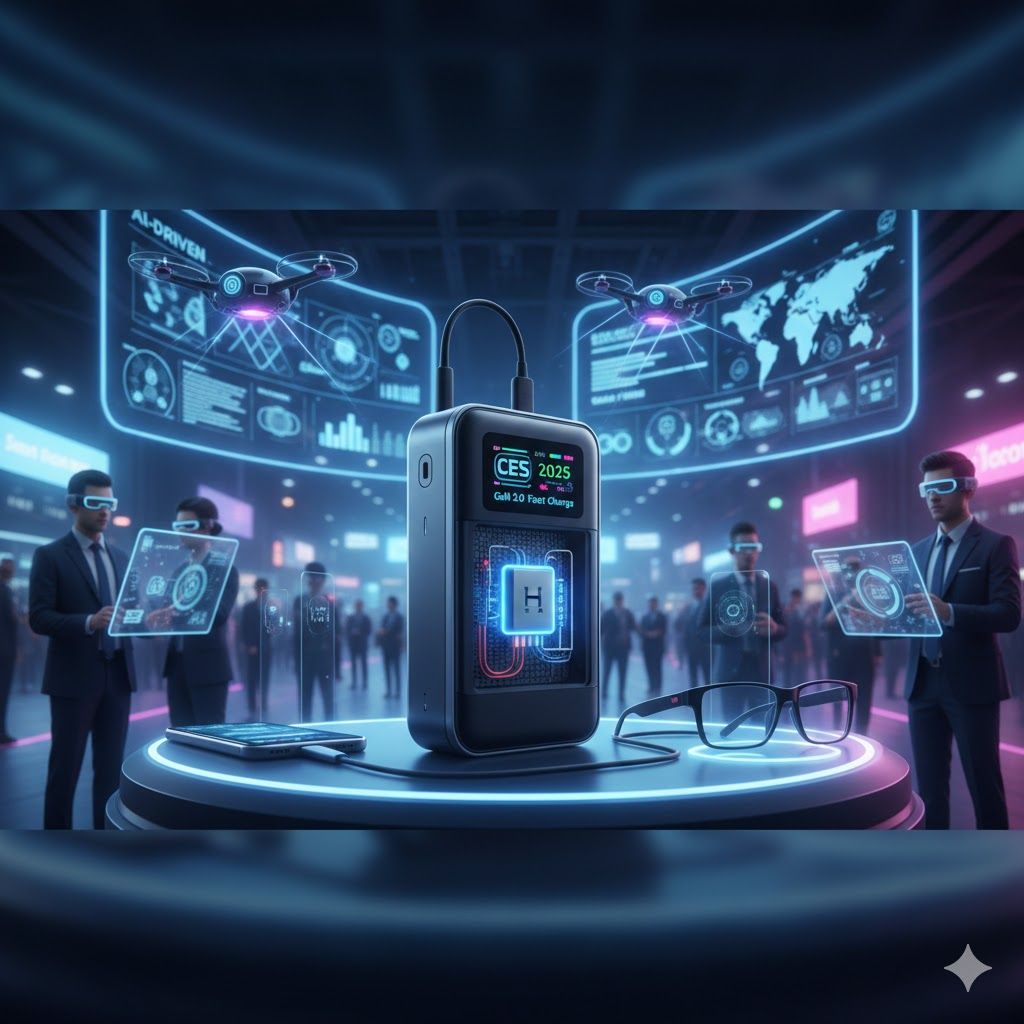
In the rapidly shifting landscape of consumer electronics, the Consumer Electronics Show (CES) serves as the ultimate crystal ball. If the last three years have taught us anything, it is that we are no longer in a "capacity race." We are in an "efficiency and integration race."
As we move toward CES 2026, the narrative is shifting from how much power a battery can hold to how intelligently and safely that power can be delivered to an AI-driven ecosystem. For wholesalers, brand owners, and tech enthusiasts, understanding this trajectory is the key to surviving the next 24 months of market consolidation.
1. CES Retrospective (2023–2025): The Road to Hyper-Charging
To understand where we are going, we must look at the milestones established over the last three CES cycles. Power delivery (PD) has quietly moved from a niche accessory to the backbone of mobile productivity.
CES 2023: The War of Watts and Protocols
In 2023, the industry was obsessed with raw speed. We saw the mainstreaming of 100W+ Power Delivery (PD) in portable formats. The focus was on "0-to-50% in 15 minutes." However, this era also highlighted the fragmentation of charging protocols (PPS, QC, SuperVOOC), forcing manufacturers to innovate in universal compatibility.
CES 2024: Integration and the Wearable Surge
By 2024, the focus shifted toward the "lifestyle ecosystem." With the rise of XR (Extended Reality) and sophisticated wearables, power banks began to transform. We saw the introduction of multi-device charging hubs and the rise of GaN (Gallium Nitride) technology, allowing for 65W output in devices the size of a credit card.
CES 2025: The AI Awakening
Last year, AI was everywhere—integrated into laptops, tablets, and even glasses. But AI is power-hungry. CES 2025 taught us that "peak watts" don't matter if the device throttles due to heat after five minutes. The industry began prioritizing sustained power delivery and thermal stability over marketing gimmicks.
2. Why the AI and XR Era Demands a New Power Paradigm
We are entering a phase where interactive devices are no longer tools; they are always-on companions. This "Always-On" lifestyle creates four structural demands that traditional power banks simply cannot meet:
-
Aggressive AI Workloads: On-device AI processing (like real-time translation or image rendering) consumes energy at nearly double the rate of standard web browsing.
-
XR & Spatial Computing: Mixed reality headsets require high-current delivery that remains stable for hours without generating excessive heat near the user's face.
-
Edge Productivity: Portable workstations used by creators and engineers demand consistent 65W–140W output to maintain CPU performance.
-
Uptime Expectations: Modern users expect 24/7 connectivity. Tethering to a wall outlet for two hours is no longer an acceptable part of the user experience.

3. Redefining the Power Bank: From "Backup" to "Mobile Power Hub"
The old model of a power bank was a "dumb" battery stick used for emergencies. In 2026, the Fast Charging Power Bank has evolved into a sophisticated Mobile Power Hub.
What defines a Mobile Power Hub?
-
Bi-Directional Fast Charging: The ability to recharge the power bank as fast as it charges your phone.
-
Protocol Intelligence: Automatic recognition of PD 3.1, PPS, and legacy protocols to ensure the safest, fastest handshake.
-
Multi-Port Logic: Maintaining high wattage on Port A even when a low-draw device (like earbuds) is plugged into Port B.
-
Thermal Plateaus: The engineering ability to hold a high output (e.g., 65W) for 60+ minutes without triggering a safety shutdown.

4. Three Macro Trends Shaping the 2026 Market
As we look toward the next CES, these three themes will separate market leaders from laggards:
Trend 1: Duration over Peak
Marketing will stop shouting about "100W Max" and start talking about "Sustained 65W for 2 Hours." Engineering challenges are shifting toward heat dissipation and cell chemistry that can handle high discharge rates without degrading.
Trend 2: Safety as a Premium Specification
In 2026, safety isn't just a checkbox; it's the product's core identity. With stricter global regulations (like China's 3C updates and EU safety standards), buyers are looking for:
-
Advanced Battery Management Systems (BMS)
-
Fire-retardant V0-grade casings
-
Verified UN38.3 and MSDS certifications for air travel
| Feature | Standard Power Bank | ESC Mobile Power Hub (2026) |
| Cell Quality | Grade B/C Recycled | Grade A+ Li-Polymer |
| Heat Management | Passive only | Active AI Thermal Monitoring |
| Output Stability | Significant Voltage Drop | <1% Voltage Fluctuation |
| Safety Certs | Basic CE/FCC | Full 3C, UL, PD 3.1 Certified |
Trend 3: Hybrid Form Factors
We are seeing a convergence of desktop and mobile power. "Modular" units that act as a desktop charging station at home but detach to become a 20,000mAh portable bank are becoming the gold standard for hybrid workers.
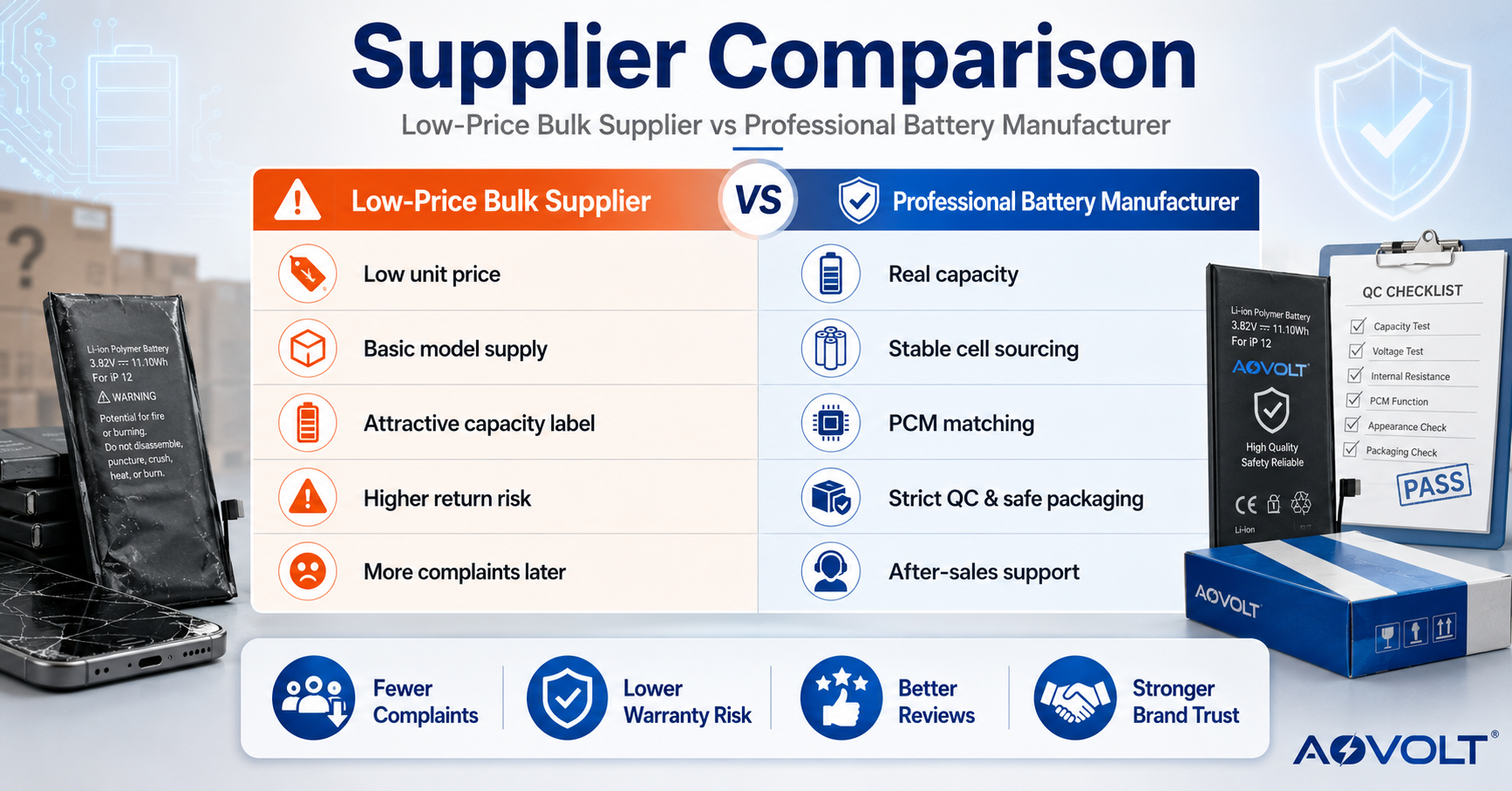
5. The Danger of "Cheap" in the High-Demand Era
Why will low-end power banks fail in 2026? It comes down to three structural risks:
-
Regulatory Liability: New standards like China’s mandatory 3C certification for power banks mean that uncertified products could be seized at customs or banned from major e-commerce platforms.
-
Usage Intensity: In 2022, a power bank might have been used once a week. In 2026, it is used daily. Cheap cells cannot handle the cycle count and will swell or fail within months.
-
The "Safety Gap": As devices demand more current, the risk of thermal runaway increases exponentially. Skimping on the internal IC (Integrated Circuit) to save $2 could result in a catastrophic fire during a high-speed PD session.
6. Strategic Advice for Industry Stakeholders
The next 24 months will see a massive "flight to quality." Here is how to position yourself:
-
For Brand Owners: Move away from "public molds." Invest in private mold designs that reflect a unique brand identity and superior internal specs.
-
For Wholesalers: Diversify your inventory with high-wattage (65W+) units. The 10W/12W market is effectively dead for the mid-to-high-end consumer.
-
For E-commerce Sellers: Focus your marketing on Safety and Reliability. The "Amazon Choice" of 2026 will be the product with the fewest safety complaints, not the lowest price.
Conclusion: Powering the Always-On Future
CES 2026 will confirm what ESC has known for years: Power is the ultimate enabler. Without a stable, fast, and safe energy source, the most advanced AI laptop or XR headset is just an expensive paperweight.
As we transition from "backup batteries" to "mobile power hubs," the winners will be those who prioritize engineering integrity over short-term price wars.
Are you ready for the 2026 power revolution?
About ESC: With over 10 years of OEM/ODM experience, ESC is at the forefront of fast-charging technology. Our self-developed chips and private mold designs are engineered for the AI era.
📩 Contact us today for a 2026 product consultation:
-
Email: amy@escpowerbank.com
-
WhatsApp: +86 18576695768
-
Explore Our Solutions: www.esccharge.com