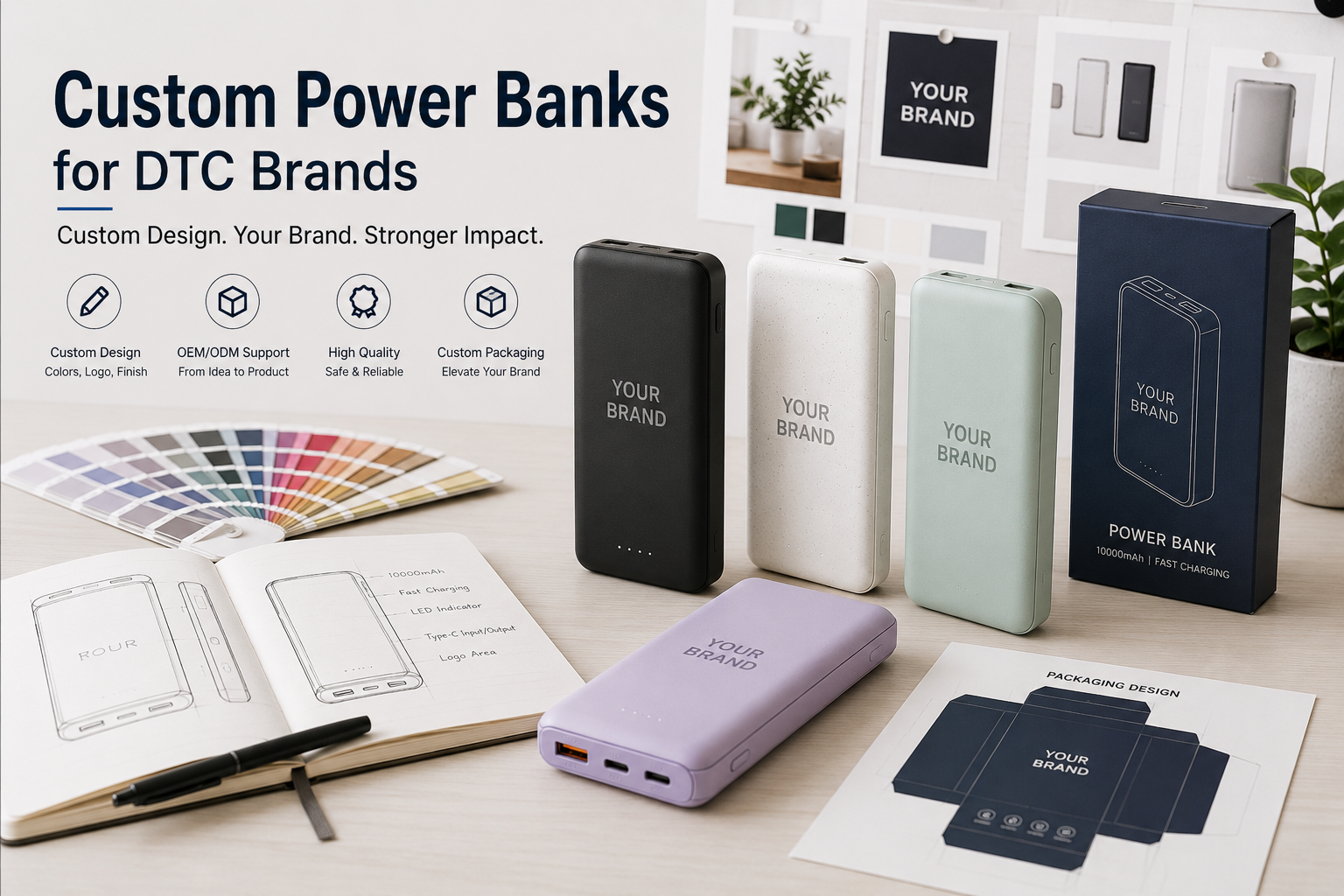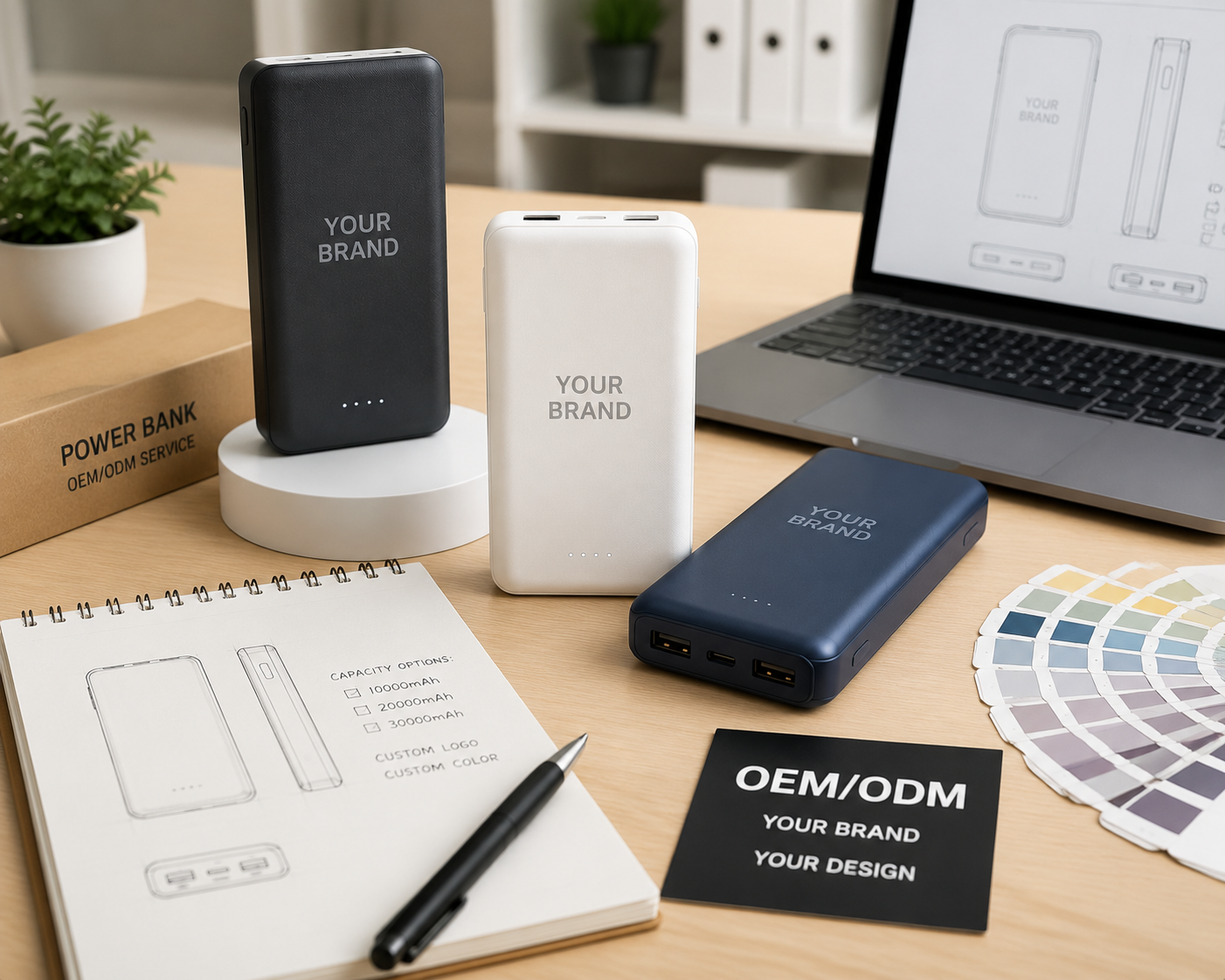

In today’s market, launching a power bank product is no longer just about price or design.
The real challenge begins after production—when products face transport regulations, certification audits, and real-world usage risks.
Many brands only realize this too late:
- Shipments delayed due to missing documents
- Products rejected at customs
- High return rates caused by overheating or battery failure
This is why choosing a safe power bank project supplier has become a critical decision rather than a secondary consideration.
Common Risks in Power Bank Projects
Battery Instability Issues
Low-grade or mixed battery cells often lead to:
- Swelling after several cycles
- Excessive heat during fast charging
- Shortened product lifespan
These issues directly affect brand reputation and customer trust.
Incomplete Certification Support
A missing certification can stop an entire shipment.
Key requirements include:
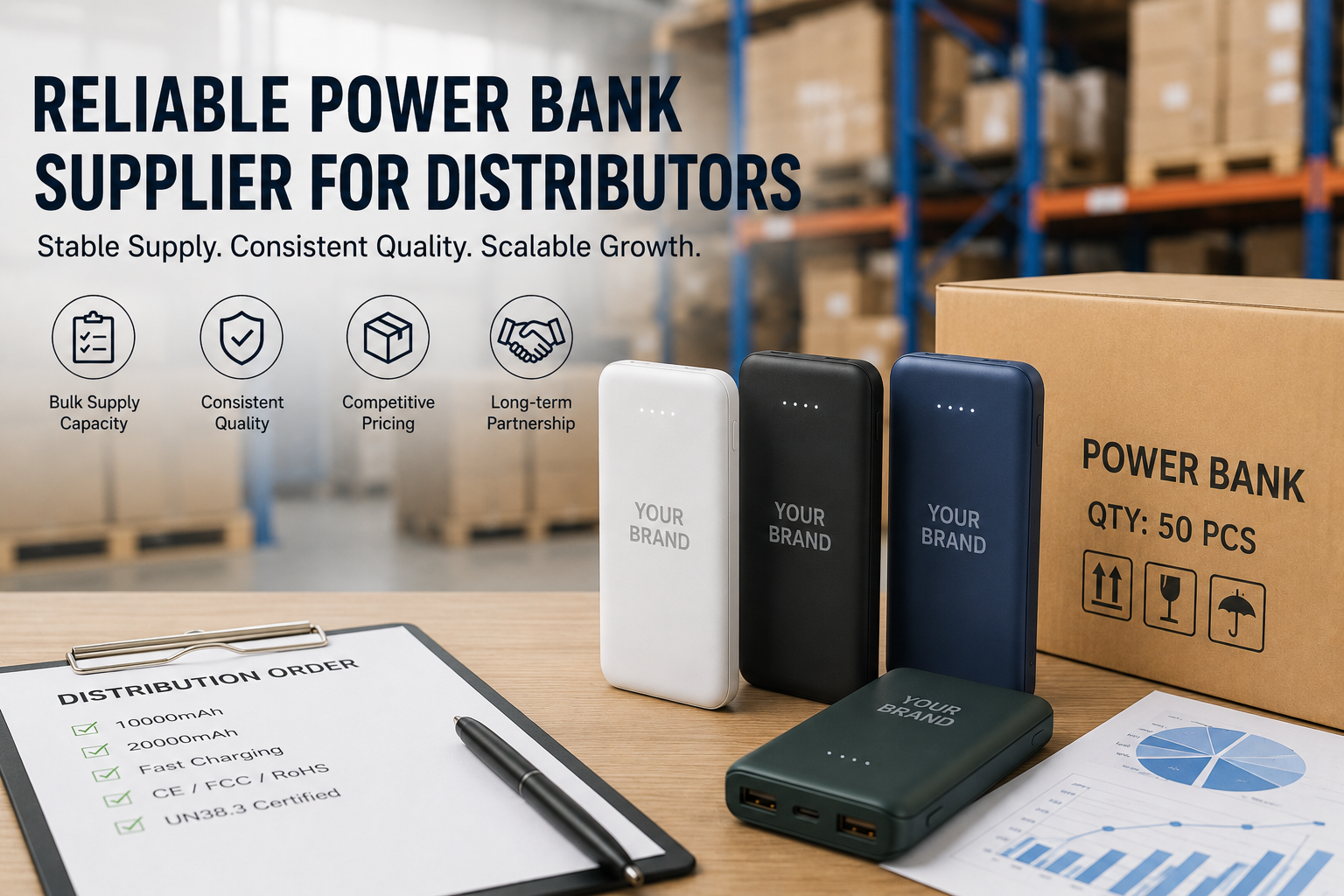
- UN38.3 for transportation
- MSDS for material safety
- CE / FCC / RoHS for market entry
Without these, even a well-designed product cannot be sold legally in many regions.
Inconsistent Production Quality
Some suppliers deliver good samples but fail in mass production.
This results in unstable product quality across batches—one of the biggest hidden risks in OEM projects.
What Makes a Safe Power Bank Project Supplier
A professional safe power bank project supplier does not simply manufacture products—it manages the entire lifecycle of a project, from design validation to global delivery.
Battery Safety System
The foundation of safety starts with battery selection and protection:
- A-grade lithium polymer cells
- Multi-layer protection circuits (BMS / PCM)
- Overcharge, over-discharge, and short-circuit protection
High-quality cells can maintain 80% capacity after 800–1000 cycles, ensuring long-term stability.
Full Certification Capability
A qualified safe power bank project supplier must provide complete documentation for international markets:
| Certification | Purpose |
|---|---|
| UN38.3 | Air & sea transportation approval |
| CE / FCC | EU & US compliance |
| RoHS | Environmental standards |
| MSDS | Material safety declaration |
These certifications are not optional—they are mandatory for smooth logistics and legal sales.
Thermal Management and Safety Design
Temperature control is one of the most overlooked aspects of product safety.
Advanced solutions include:
- GaN technology to reduce energy loss
- Aluminum alloy casing for heat dissipation
- Real-time temperature monitoring
With proper design, power bank surface temperature can be maintained at 38–42°C, even under high load.
Project Delivery Capability: Beyond Manufacturing
Reliable delivery is just as important as product safety.
Standardized Production Process
A true safe power bank project supplier ensures:
- 100% full-load testing
- 8-hour aging tests
- Batch consistency control
These processes reduce defects and ensure every unit performs consistently.
OEM Project Management Support
Professional suppliers also provide:
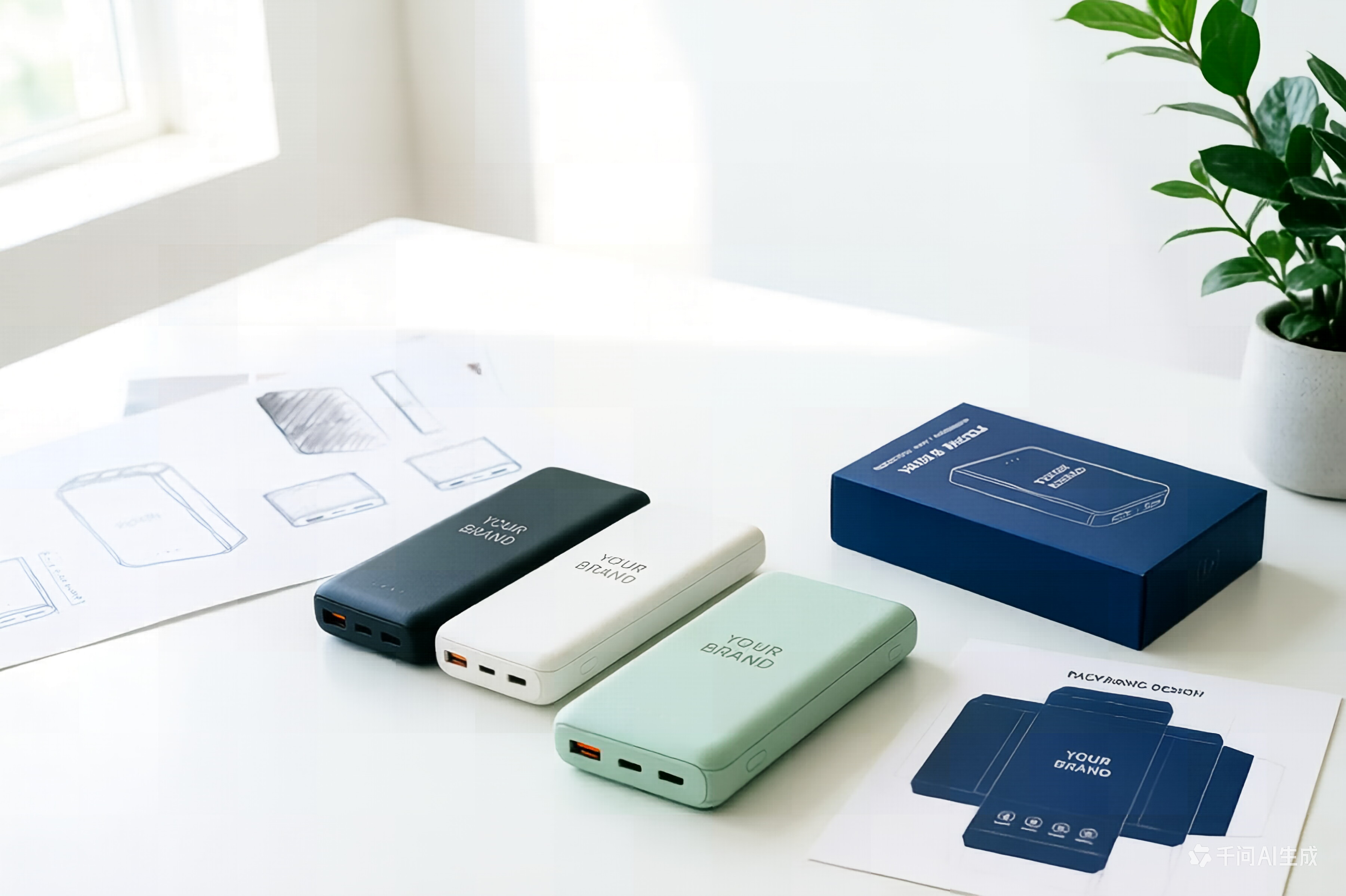
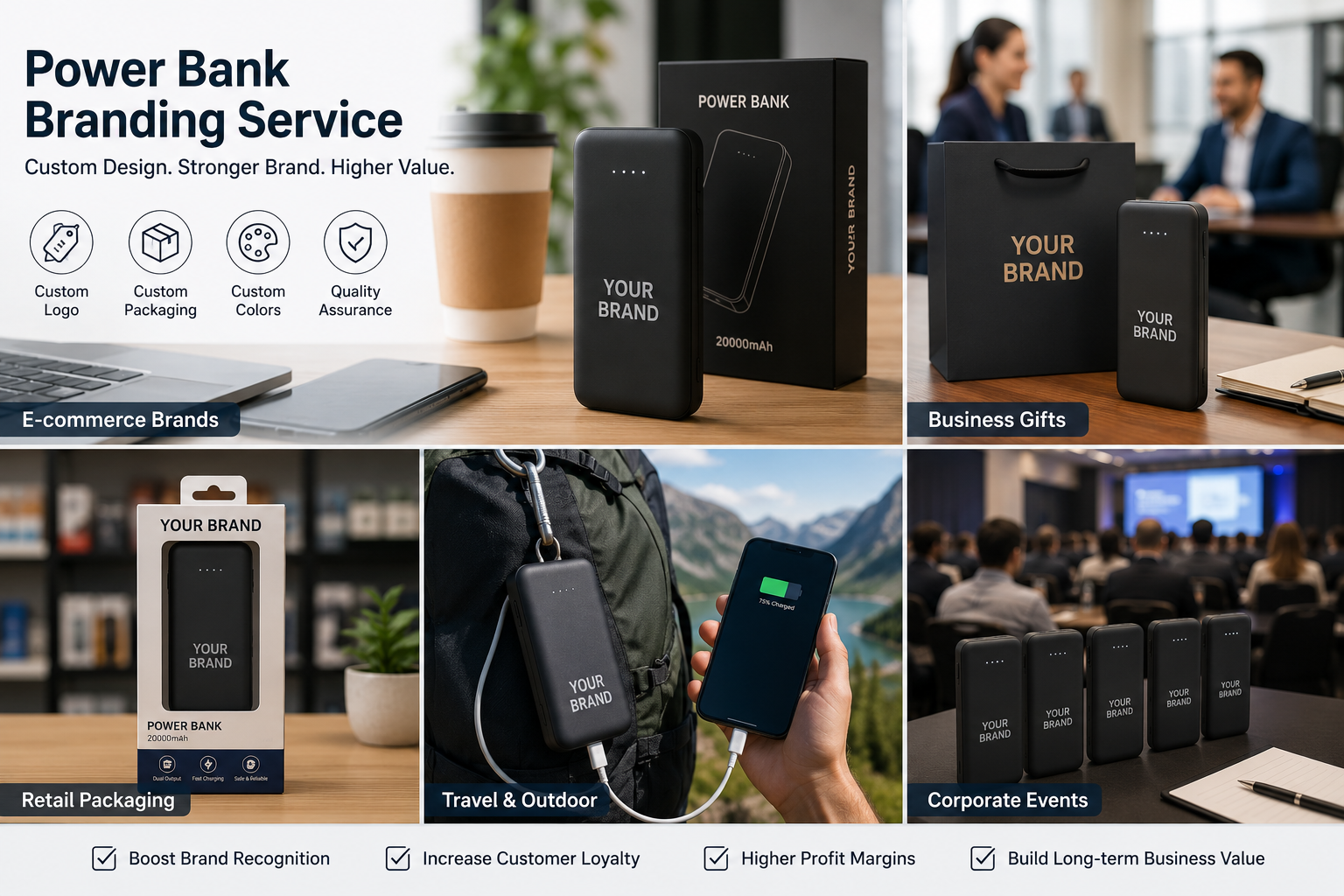
- Custom design (logo, color, materials)
- Packaging and certification integration
- Logistics and export consultation
This transforms a simple product order into a complete project solution.
How to Evaluate a Safe Power Bank Project Supplier
When selecting a partner, focus on these critical points:
Key Evaluation Checklist
- Verified battery sourcing and cycle test reports
- Complete certification documents (UN38.3, CE, FCC)
- Proven mass production experience
- Ability to support customization and compliance
A trustworthy safe power bank project supplier will provide transparent data—not just promises.
Standard Supplier vs Project-Level Supplier
| Key Factor | Standard Supplier | Safe Power Bank Project Supplier | Business Impact |
|---|---|---|---|
| Battery Grade | Mixed / B-grade cells | A-grade Li-Po cells (certified sourcing) | Lower defect rate, longer product lifespan |
| Cycle Life | 300–500 cycles | 800–1200 cycles (≥80% capacity retention) | Reduces customer complaints by ~30–50% |
| Certification Support | Partial or missing | Full set (UN38.3, CE, FCC, RoHS, MSDS) | Faster customs clearance, fewer shipment delays |
| Thermal Control | Basic protection only | Smart temperature control + GaN efficiency | Stable operation at 38–42°C under load |
| Production Consistency | Batch variation common | Strict QC + 100% aging test (6–8 hrs) | Consistent product quality across orders |
| Failure Rate | 5–10% (typical low-cost range) | <2% (controlled OEM production) | Lower return rate and after-sales cost |
| OEM Capability | Logo only | Full customization (design, firmware, packaging) | Stronger brand differentiation |
| Project Support | Product-level only | Full lifecycle support (design → certification → delivery) | Higher project success rate |
For serious brands, the difference is not small—it defines whether the product succeeds or fails in the market.
Final Thoughts: Safety Is a Long-Term Investment
In 2026, the power bank industry is highly competitive.
Price and design can be copied, but safety and reliability cannot be replicated overnight.
Choosing a safe power bank project supplier is not about increasing cost—it’s about reducing long-term risk, ensuring compliance, and building a product that customers trust.
For brands and distributors looking for certified, stable, and scalable OEM solutions, ESCCharge provides full support from battery design to global delivery.
Explore more at https://www.esccharge.com/ and build your next project on a safer foundation.