
Define the Repair Set Before Asking for a Unit Price
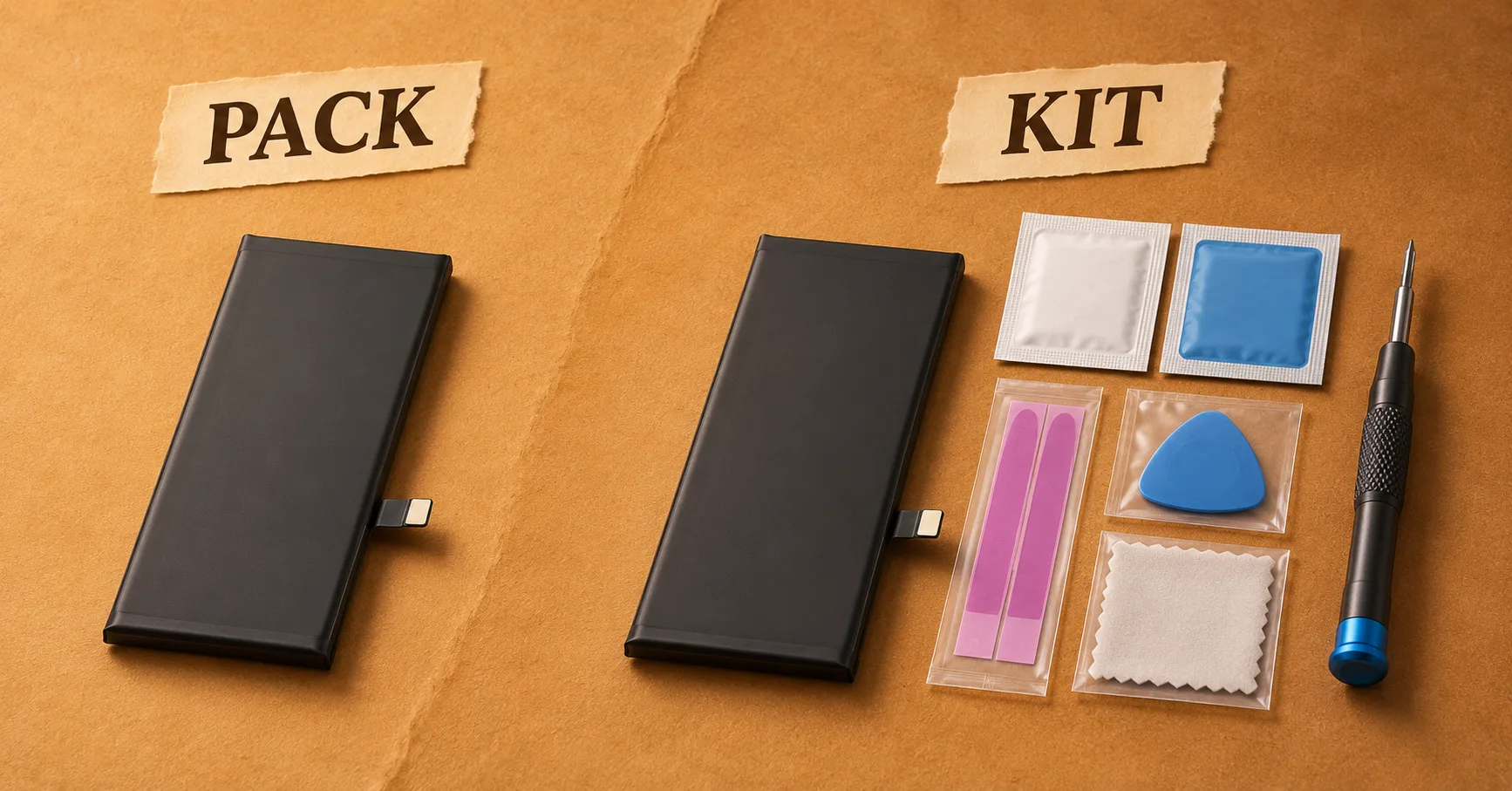
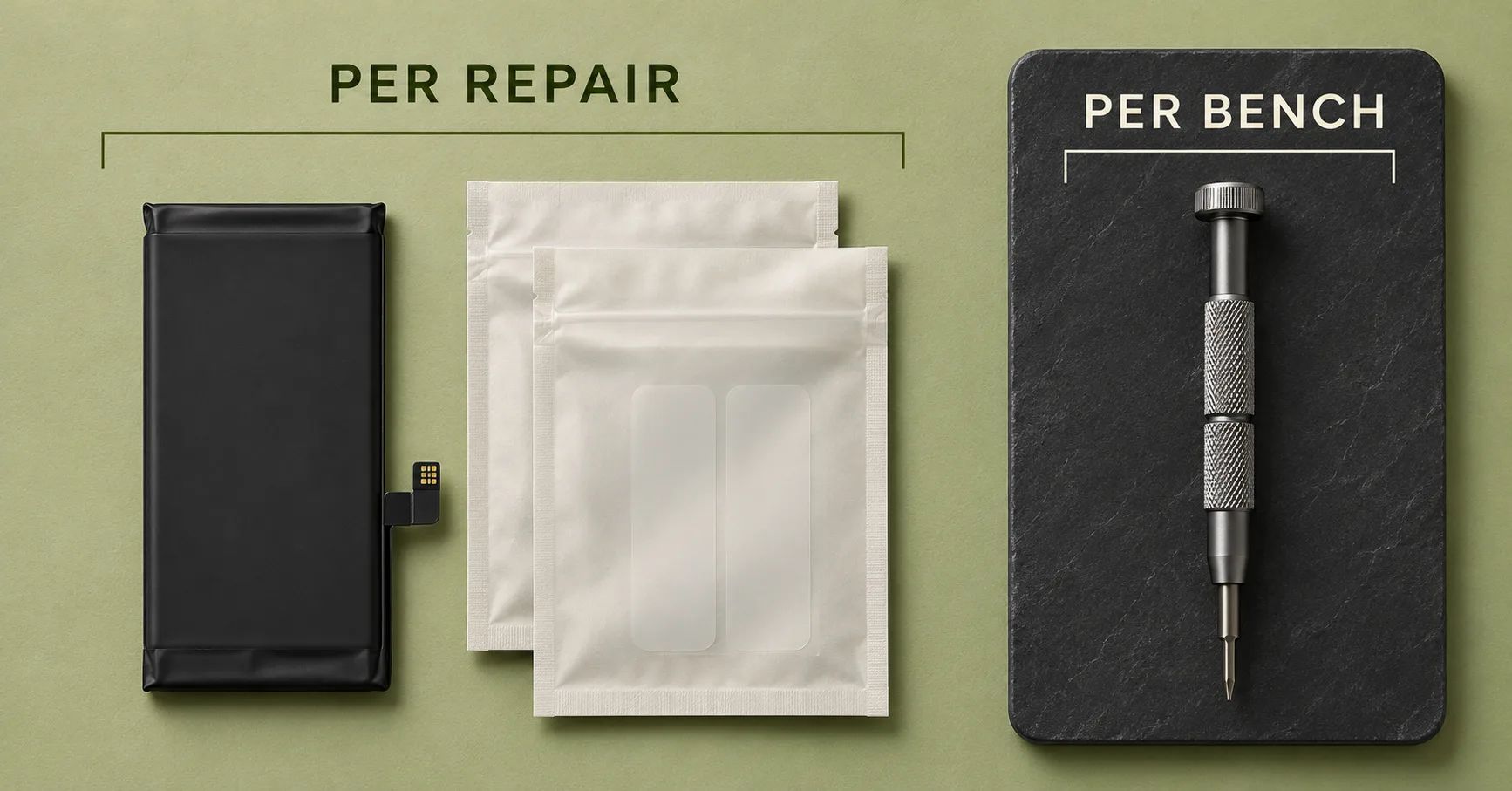
A phone battery replacement kit for bulk purchasing should have a controlled list of parts for a specific handset and repair workflow. Start with the finished battery assembly and the consumables needed for one job. List any reusable tools and shared workshop supplies separately, with the quantity required per site or workbench.
This gives purchasing a consistent unit to quote and gives receiving staff a way to count usable sets. A product description such as “complete kit” can cover different contents across suppliers. Convert it into a bill of materials, or BOM, that identifies each included item, its quantity and the evidence required for approval.
Agree who will use the package. A repair chain can keep tools at each bench and issue consumables with each job. A distributor that sells sealed kits may need every item packed and labelled together. A refurbisher can use a battery-only order with centrally controlled consumables if its work orders link the approved parts to the handset.
Use One Specification Row per Device Application
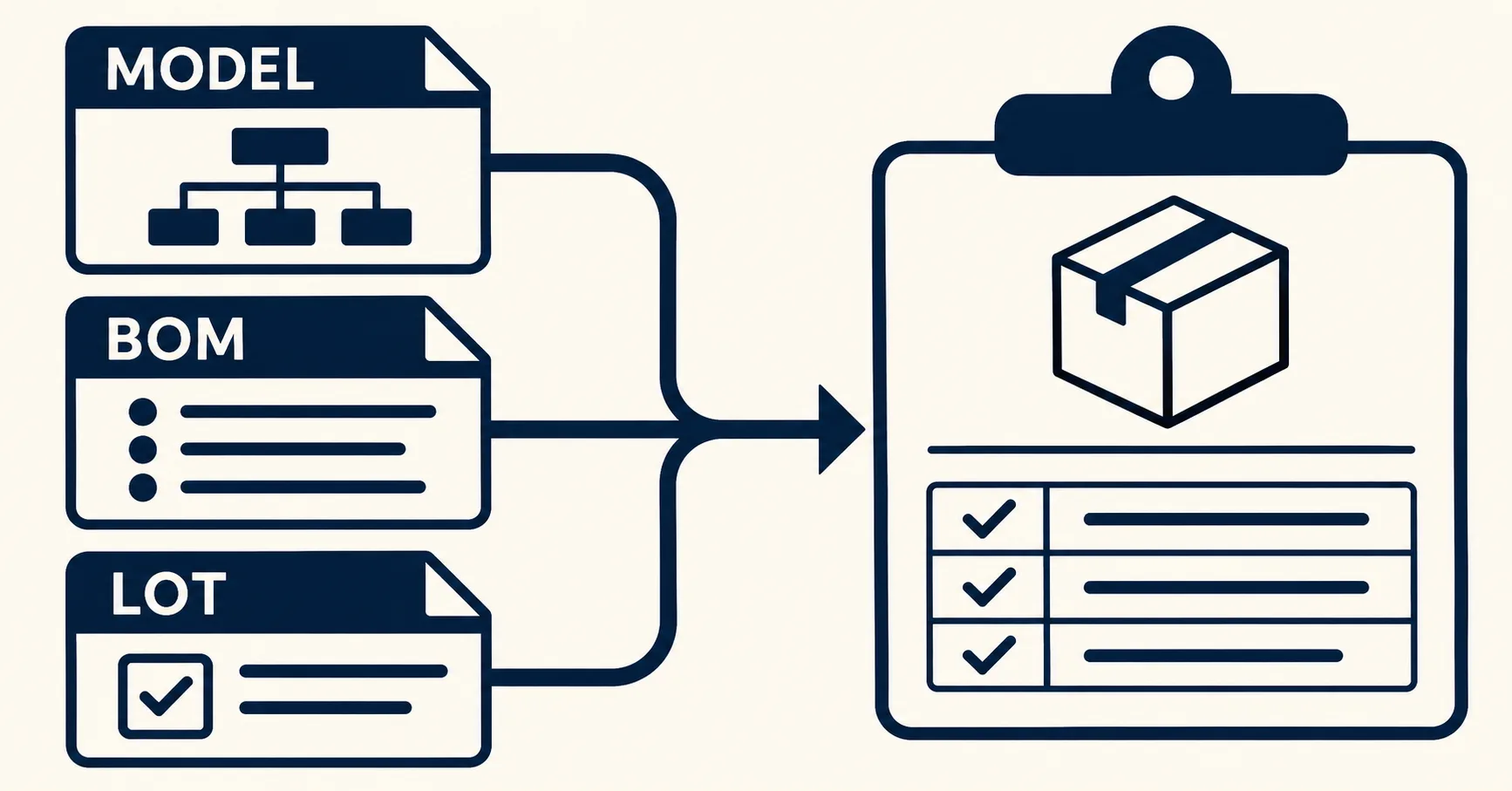
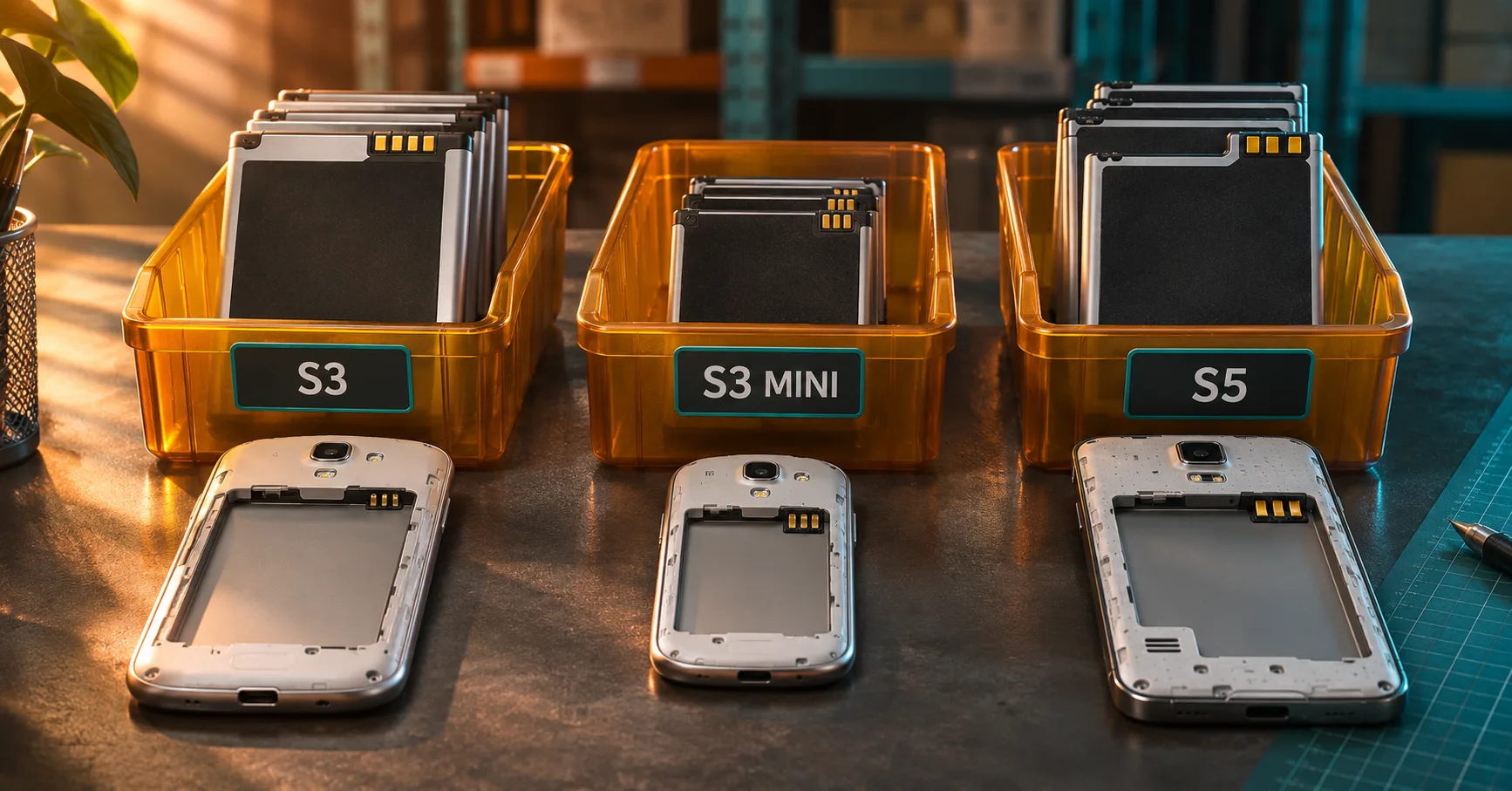
Build the battery kit specification around the exact handset application and complete device code. Add the supplier part reference, assembly revision and a photo or controlled drawing for each approved configuration. Samsung’s service portal directs users to Select your device to find the self-repair manual
. Use the procedure applicable to each handset to identify the parts and tools the workshop needs. Samsung US Support — Self-Repair.
| Field | What to put in the purchase specification | Evidence at receiving |
|---|---|---|
| Device application | Full handset name and approved model codes | Exact match on the purchase order and unit record |
| Battery | Finished assembly reference, revision and declared electrical specifications | Traceable unit label, approved construction and sampled results |
| Battery adhesive | Reference, quantity, application and whether pre-applied or separate | Correct pattern and count, intact liners |
| Enclosure consumables | Separate references for any display or rear-cover adhesive required by the procedure | Correct handset and supplied configuration |
| Tools | Type, quantity and basis of supply, such as per bench or per kit | Item count and conformity to the agreed tool list |
| Packaging and traceability | Kit SKU, revision, lot marking, unit protection and carton breakdown | Readable identifiers and a complete lot reconciliation |
Where several handset applications share one proposed battery, require evidence for each device before linking them to the same internal SKU. Record the approved applications individually. An order line that groups devices under a family name leaves the receiving team without a dependable way to identify the correct item.
Distinguish the Assembly, Consumables and Tools
Specify whether the replacement battery assembly includes the intended protection electronics, flex and connector. If a supplier also offers a cell without flex, request a distinct quote and part reference. Confirm that the supplied assembly is suitable for the approved workshop process before comparing the prices.
Put battery adhesive and enclosure adhesive on separate BOM lines. Confirm the part reference, placement and supply format. If the battery arrives with adhesive pre-applied, reflect that configuration in the approved sample and count it accordingly. Where separate pieces are required, list each separately so a receiving clerk can resolve a short shipment without interpreting a product photo.
Apple says only trained technicians should replace the battery in your iPhone
. For professional programs, the kit specification should sit alongside a controlled work instruction and technician training. Record any required setup, service workflow and final checks in the device approval record. Apple Support — About genuine iPhone batteries.
Quote on the Basis of Complete Usable Sets
Ask each supplier to quote the same approved BOM. Compare landed cost, replenishment cost for separately sourced consumables, inspection effort and any assembly or kitting labor. Allocate reusable tools to the expected number of jobs or the appropriate workbench budget. Keep that calculation separate from the quantity of batteries purchased.
For an illustrative order of 120 kits, assume the accepted stock is 120 batteries, 115 battery adhesive sets and 108 model-matched enclosure adhesive sets. Each kit requires one of each. Receiving can release 108 complete sets under these assumptions. The remaining components stay identifiable by part and lot until purchasing resolves the shortage or approves a different disposition.
If the 120 sets cost a hypothetical $960 landed and 108 are currently complete, the immediate spend per releasable set is about $8.89. This is a short-term view of the cash committed to the shipment. For the final program cost, include the value or disposition of remaining components, subsequent top-up purchases and any verified supplier credits.
Apply the calculation by handset and kit revision. A large overall carton count can conceal a shortfall in one specific adhesive or a set that contains the wrong battery. Use the number of released kits as the denominator when comparing immediate fulfilment capacity.
Ask Suppliers to Return the Same Quote Fields
Send the approved BOM with the inquiry and ask each supplier to return one row per handset and package revision. A structured response makes exclusions visible before the buyer compares prices.
| Supplier response field | What the buyer needs back |
|---|---|
| Quoted unit | One packed kit, one finished battery, or one carton with a stated number of units |
| Included and separately priced items | Reference and quantity for each line, with reusable tools and spare consumables listed separately |
| Exceptions to the requested BOM | Each omitted item or proposed substitute, with the proposed reference and reason for the change |
| Packaging and lot records | Example unit and carton labels, plus how component lots can be traced when they are packed together |
Keep requested quantities and quoted pack sizes visible. If one supplier quotes a carton of 20 kits and another quotes a single kit, convert both offers to the same unit before comparing them. Record any minimum purchase quantities or spare items separately so the extra spend is visible.
Close a Shortage After a Top-Up Shipment
Return to the example with 108 released kits. The remaining accepted inventory contains 12 batteries and seven battery adhesive sets. If a top-up shipment provides 12 accepted enclosure adhesive sets, the team can complete seven additional kits. Five batteries and five enclosure adhesive sets remain available for a later release once five matching battery adhesive sets pass inspection.
Record the top-up against the original shortage and retain its own receiving and lot references. Before releasing the seven assembled kits, verify that the top-up parts match the approved revision and that the kit record can identify both shipments. Close the shortage only after reconciling the released quantity, residual stock and any credit or replacement still due.
Approve the Packed Sample Before the First Bulk Shipment
Request a sample of the finished package as it will be delivered. Record photos of the carton label, kit label and each included component. Compare dimensions, flex routing and connector placement against the approved assembly drawing. Record installed behaviour on the intended handset and document the conditions used for capacity, charging and other agreed checks.
Retain the approved BOM revision, packed sample record and linked test results. Establish which discrepancies trigger review, sorting or a hold. For the first shipment, agree the lot definition, sample selection method and conditions for release before receiving opens the cartons. ESCCharge battery sampling plan.
Define Substitution and Shortage Rules on the Order
Require the supplier to identify any proposed change to the battery, flex, adhesive pattern, packaging or included tool. Ask for the old and new references, first affected lot and proposed change date. The buyer can then determine which checks need repeating. Record an approved change in the BOM and purchase order before staff receive it as routine stock.
Specify what receiving can do when a kit is missing an item. An authorised repack can use verified parts and a revised label if traceability survives the conversion. A sealed retail kit may instead remain on hold until the supplier provides the missing part or resolves the claim. Give receiving an explicit decision owner so the action is recorded consistently.
Release the Kit and Trace the Repair
Run incoming kit inspection at the order-line level. Reconcile carton counts and lot markings, check selected packages against the BOM, then record accepted components and complete kits separately. Use product-specific criteria to evaluate the battery itself and record any mismatch with a photo and the corresponding lot. ESCCharge incoming inspection guide.
Carry the kit revision and battery lot into the work order. If a return occurs, that record helps distinguish the pack, consumable, installation or device as possible contributors and lets the team locate other jobs from the same lot. ESCCharge warranty claims workflow.
For an ESCCharge sourcing discussion, send the intended phone models, quantities by SKU, destination and preferred package contents. Include the drawings and sample checks you need for acceptance. Ask for an itemised offer tied to the final configuration and confirm the applicable order terms before committing to volume.
FAQ
Should reusable tools be packed with every kit?
Base the count on the delivery model. A workshop can quote tools per bench, while a sealed resale kit can specify tools per package where its intended workflow requires them.
How should a buyer count kits with missing adhesive?
Calculate complete sets from the accepted quantity of each required item. Keep surplus components in traceable inventory and record the shortage against the order line.
What changes require approval before shipment?
Use the purchase order to define change control for the battery, consumables, tool scope and packaging. Review affected fit, function and traceability records before accepting a substitute.
External Source References