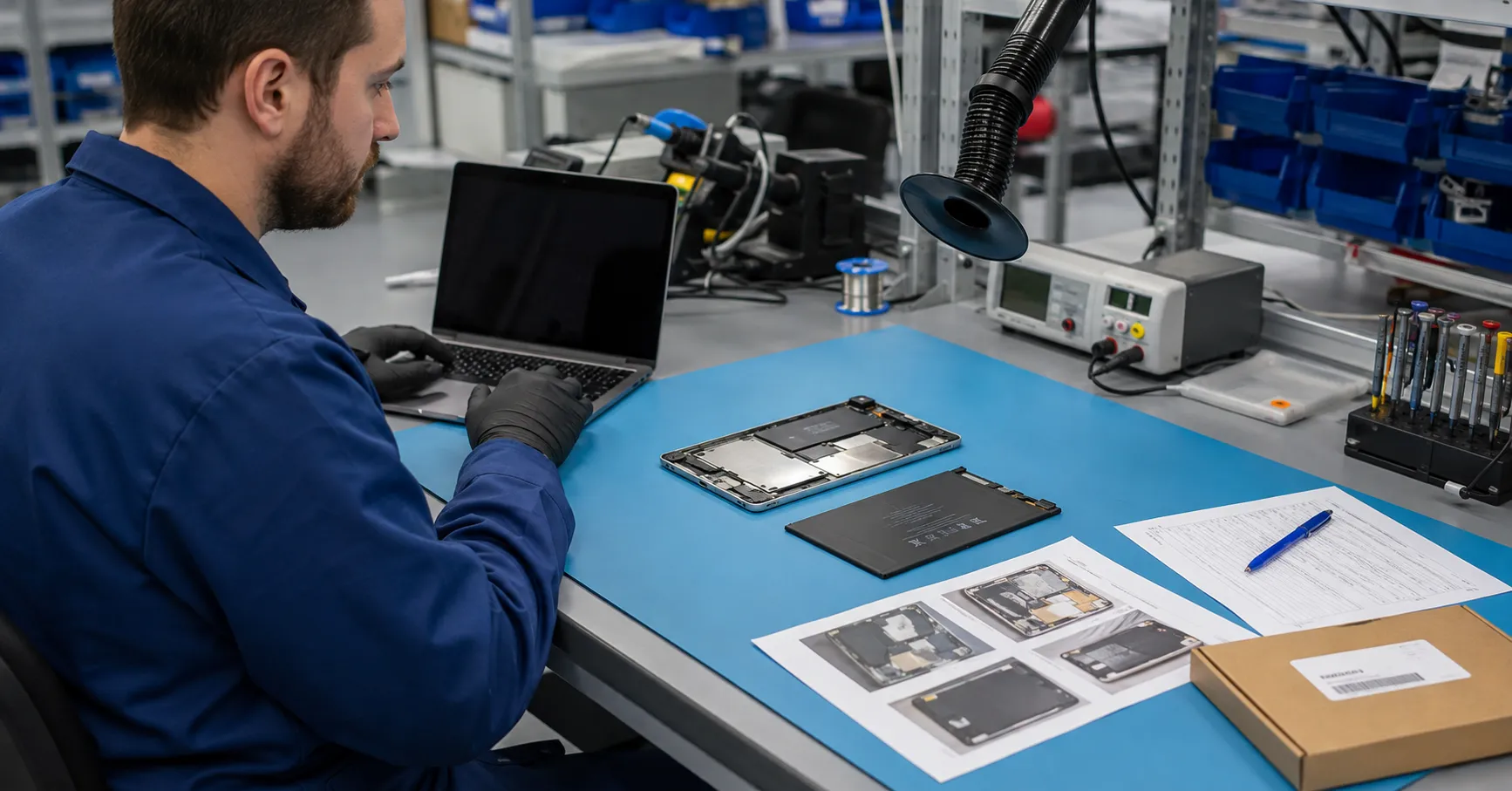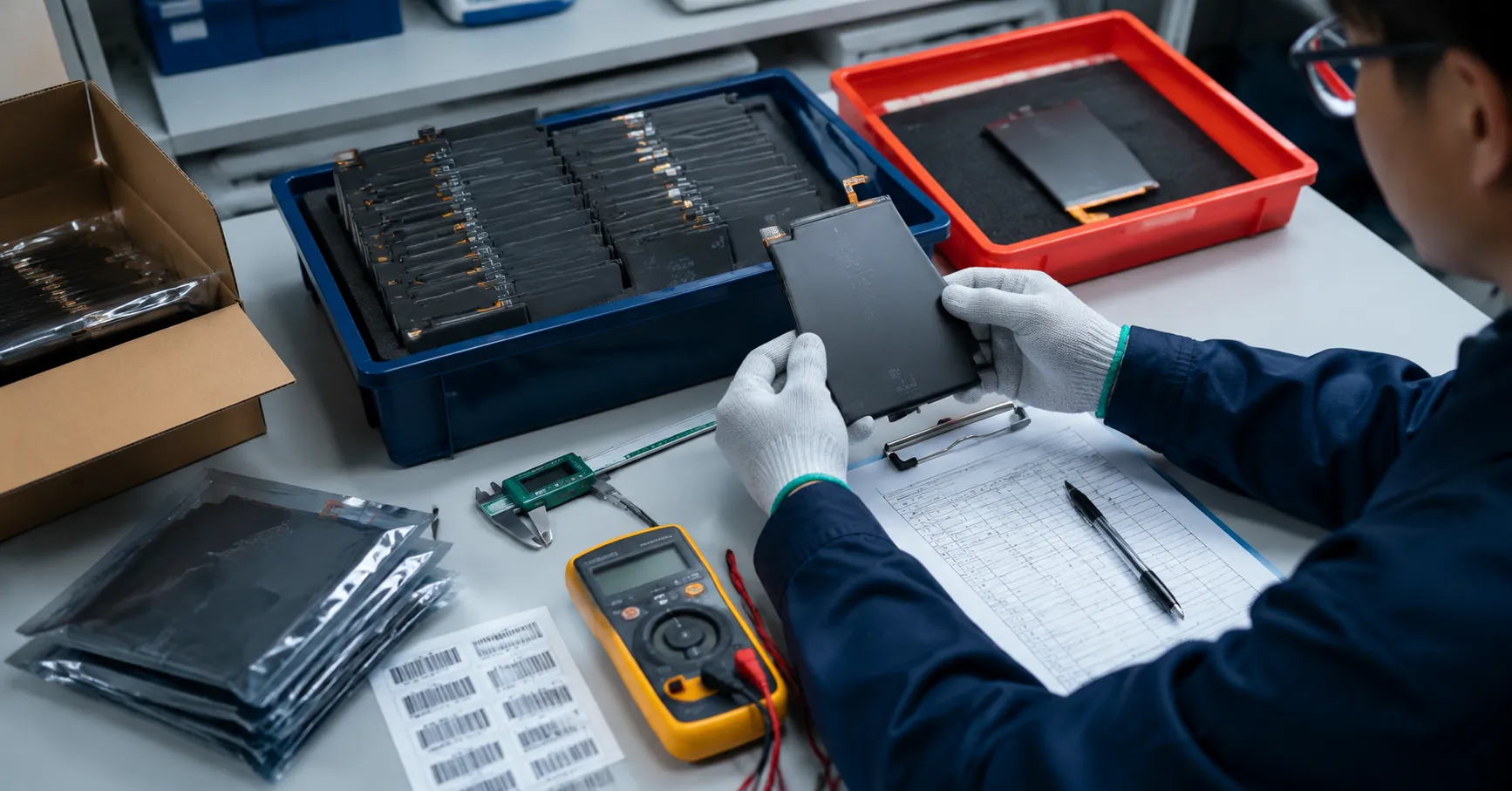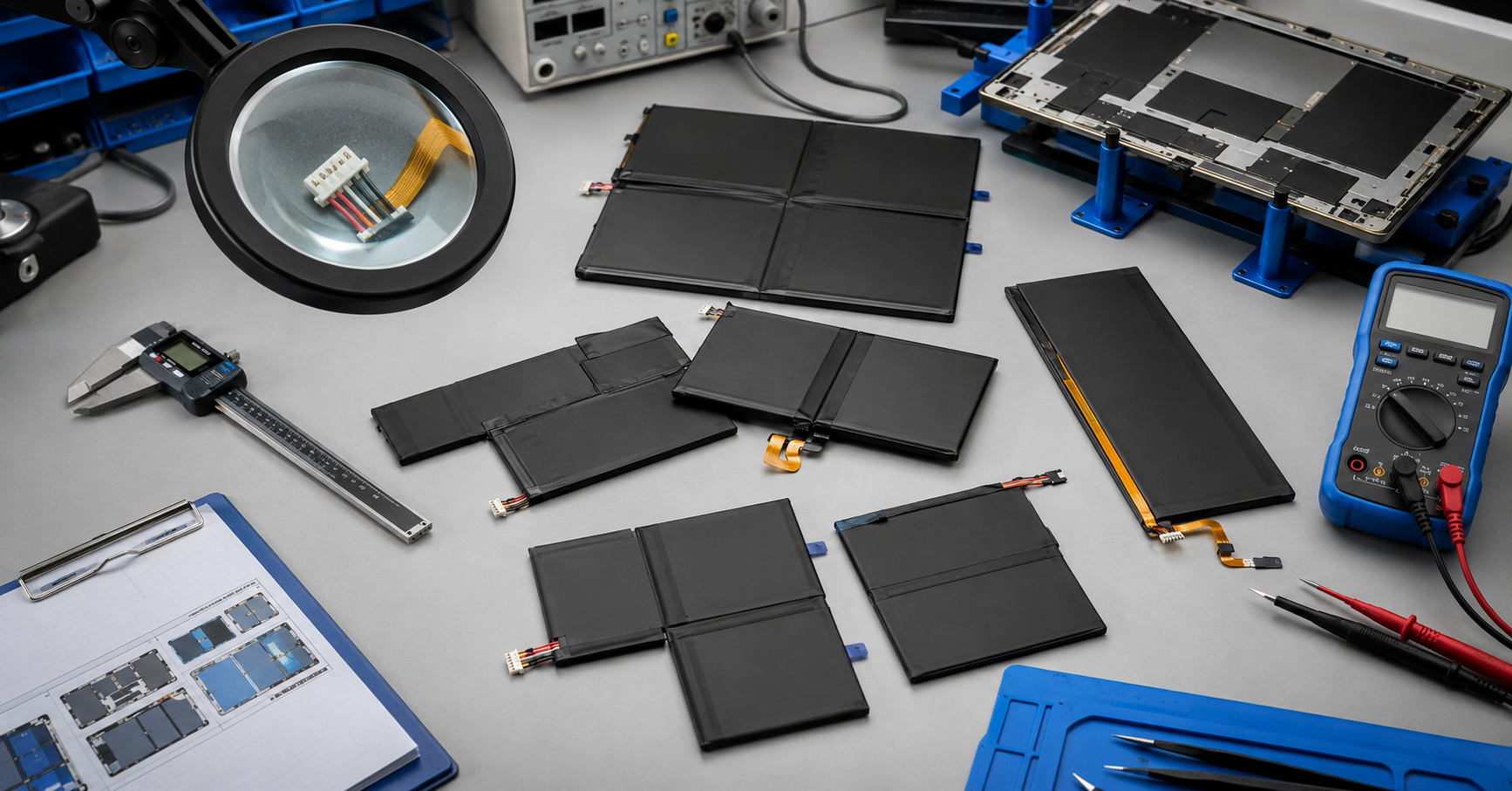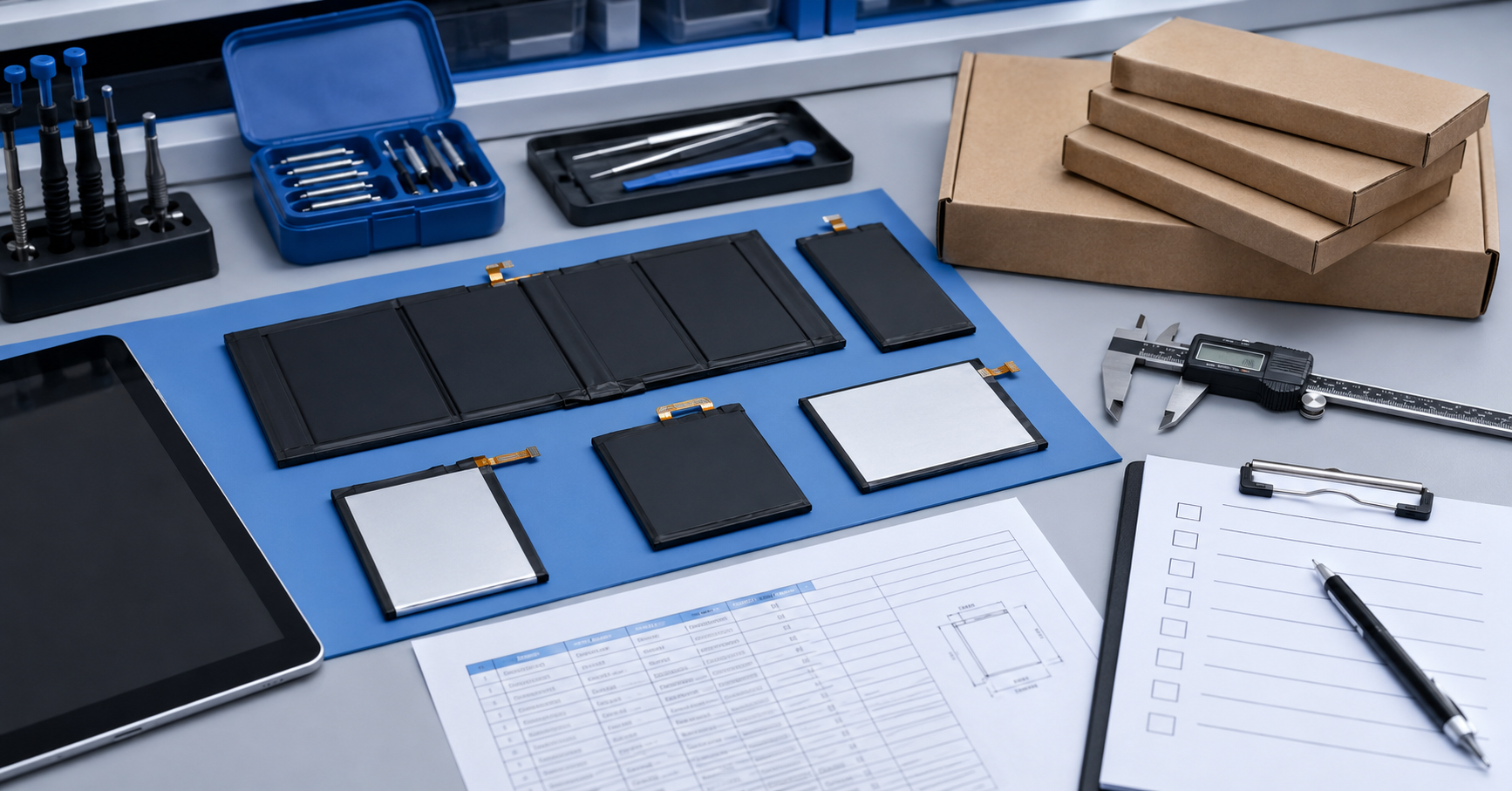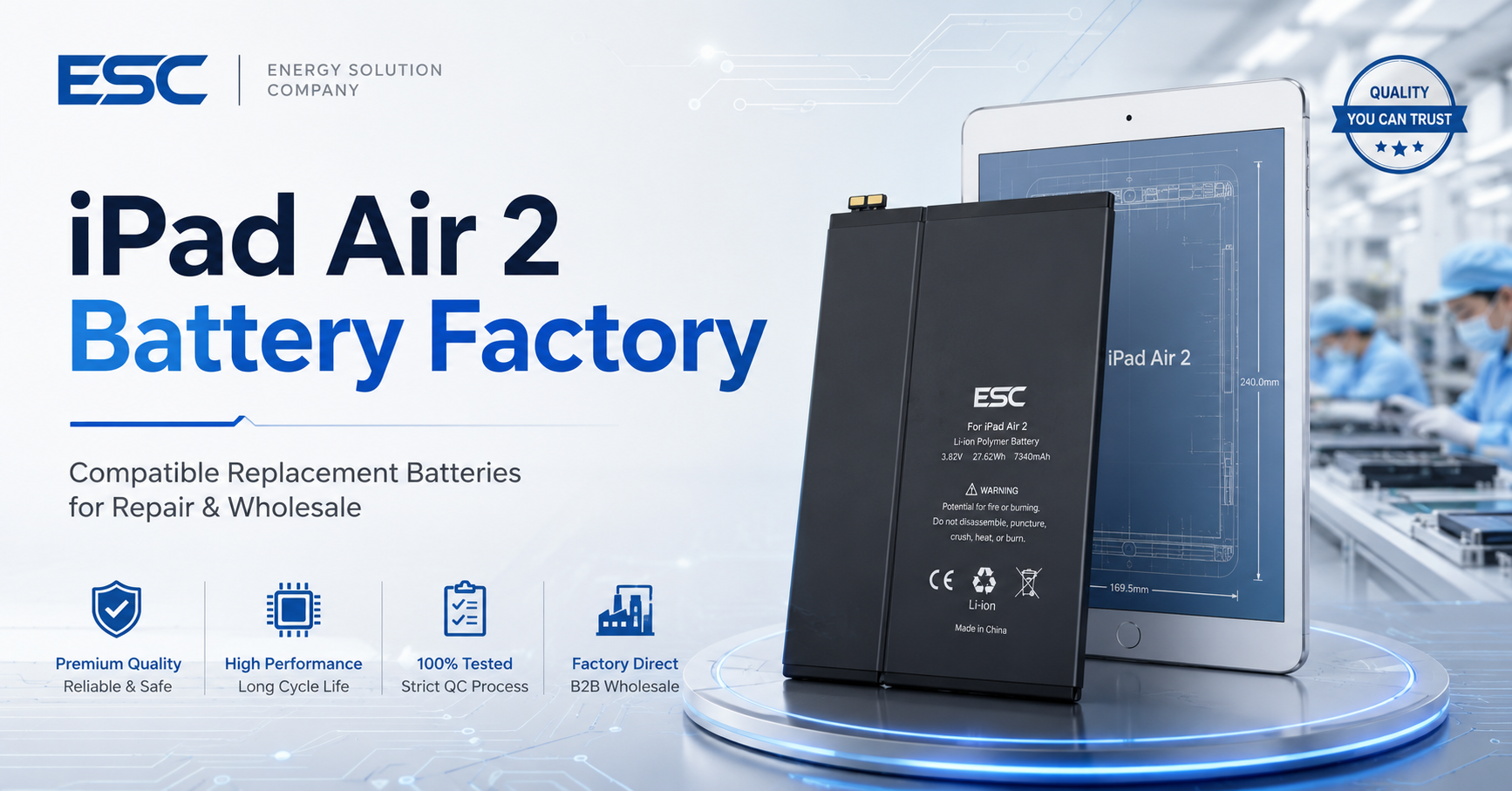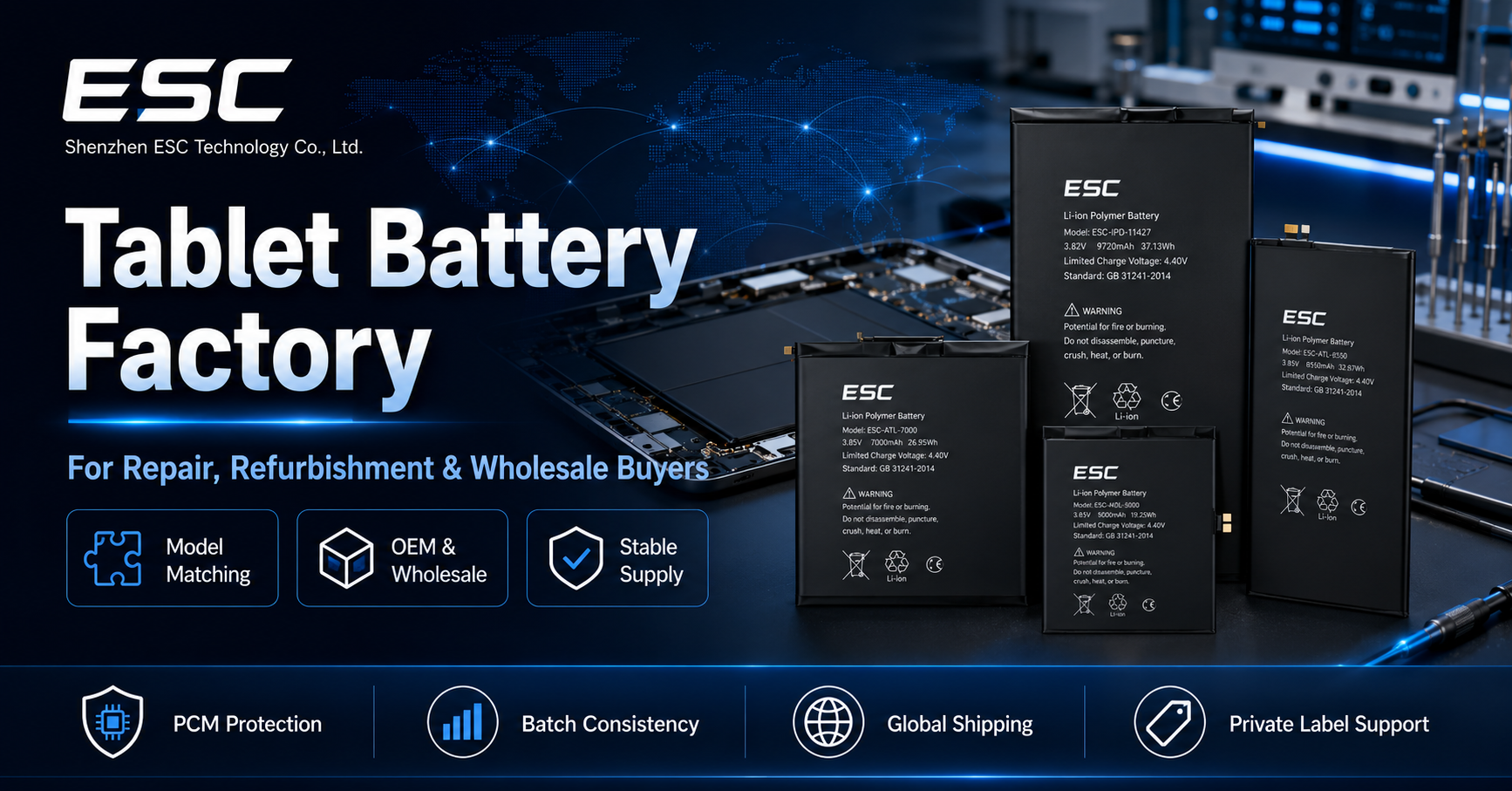

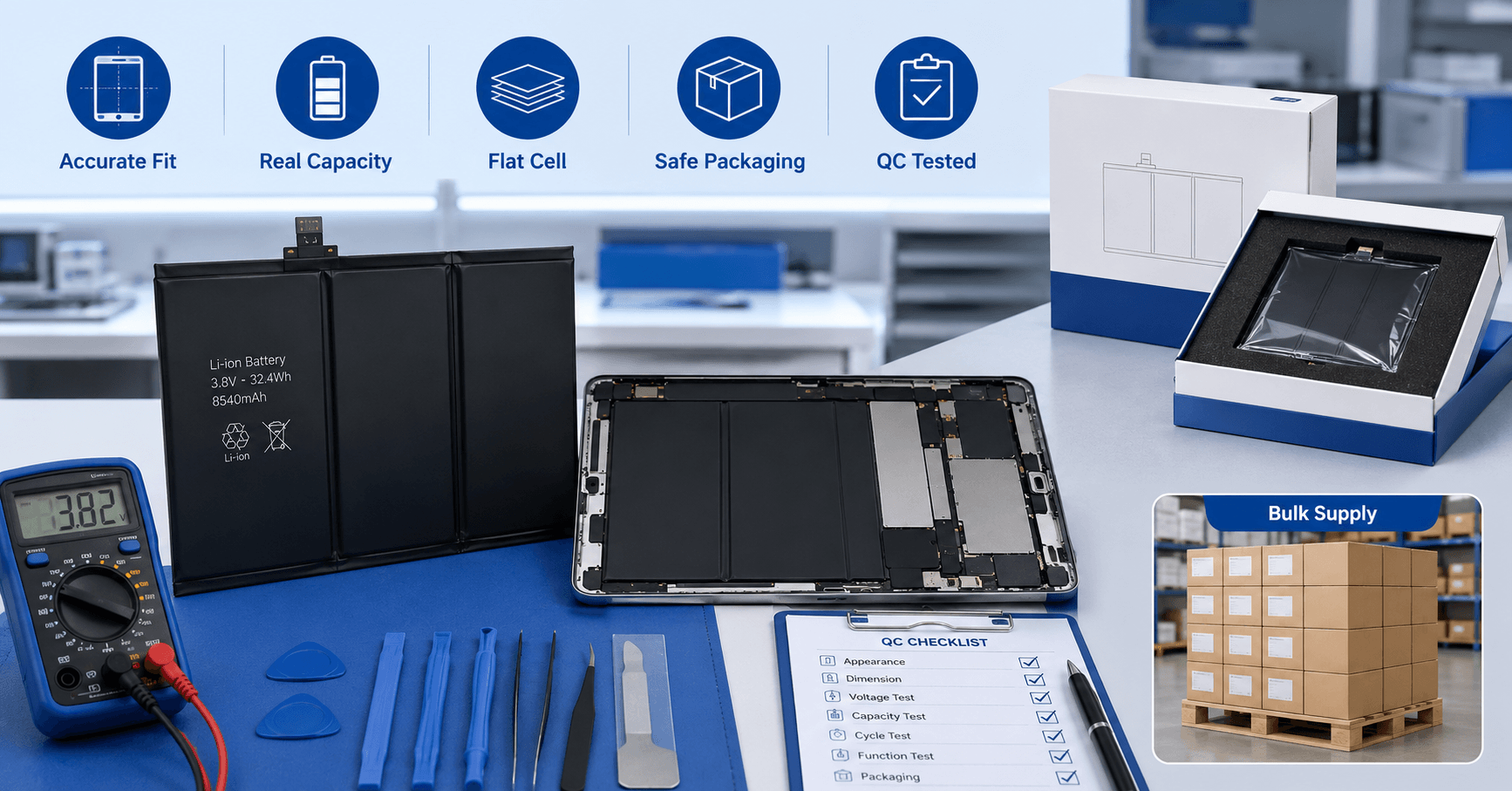
Choosing the right iPad battery supplier is different from buying ordinary phone batteries. iPad batteries are larger, thinner and more sensitive to installation pressure, adhesive removal, cell flatness, connector fit and storage condition. For repair shops, wholesalers, refurbished tablet suppliers and private label buyers, a reliable supplier must support stable capacity, correct model matching, safe packaging, batch consistency and practical after-sales communication. Apple states that iPad uses lithium-ion battery technology, and some newer iPad models can show battery health and history information such as maximum capacity, cycle count, manufacture date and first use date. For B2B buyers, this means replacement battery quality is not only about powering on the device, but also about repair reliability, customer confidence and long-term resale value.
Product Pain Points: Why iPad Battery Buyers Face Higher Repair Risk
iPad battery replacement is not as simple as replacing a small phone battery.
The battery area is larger.
The adhesive is stronger.
The screen opening process is more difficult.
The cell pouch is easier to bend if handled incorrectly.
The connector position must match the model exactly.
The battery must remain flat after installation.
If the battery is too thick, poorly shaped or unstable, the repair shop may face screen lifting, pressure marks, poor fit, fast drain, no charging, heating or customer returns.
For wholesalers, one unstable batch can create complaints from many repair stores.
For refurbished tablet suppliers, battery quality directly affects resale testing and buyer confidence.
For e-commerce sellers, poor fit or inflated capacity claims can quickly turn into bad reviews.
For private label buyers, packaging may look professional, but if the battery swells or drains quickly, the brand loses trust.
This is why choosing an iPad battery supplier requires more than comparing unit price and printed mAh.

Working Principle: What Determines iPad Replacement Battery Quality
An iPad replacement battery usually contains a large lithium-ion polymer cell pack, protection circuit, flex cable, connector, insulation structure, adhesive area and model-specific shape.
The cell stores energy.
The protection circuit helps control overcharge, over-discharge, over-current and short-circuit risks.
The flex cable and connector connect the battery to the tablet.
The pouch structure must remain flat and stable.
The adhesive layout must allow proper installation without creating pressure points.
Because iPad batteries are larger than phone batteries, cell consistency and mechanical structure are especially important.
A small deformation in a phone battery may be obvious.
A small deformation in a large iPad battery can become screen pressure, adhesive lifting or assembly difficulty.
Battery capacity also needs to be realistic.
A higher printed capacity is not useful if the cell size, thickness and energy density cannot support it.
Professional buyers should check voltage, capacity, internal resistance, thickness, connector fit, cable length, adhesive position and packaging protection before bulk purchase.
Comparison: Low-Price Supplier vs Professional iPad Battery Supplier
A low-price supplier usually competes on cheap unit cost, basic model availability and attractive capacity labels.
This may work for short-term orders, but it creates risk when batteries enter real repair use.
A professional supplier focuses on model accuracy, battery flatness, real capacity, connector fit, safe packaging, batch testing and after-sales support.
The difference is often not visible in product photos.
It becomes visible during repair.
Low-Price Supplier
Lower unit price
Basic model coverage
Unclear capacity testing
Weak packaging protection
Higher fit and return risk
Limited after-sales support
Professional iPad Battery Supplier
Accurate model matching
Stable cell quality
Flat and safe structure
Capacity and IR testing
Repair-friendly packaging
Better support for bulk buyers
For repair shops, this means fewer failed repairs.
For wholesalers, this means fewer warranty disputes.
For refurbished tablet suppliers, this means more predictable resale quality.
For private label buyers, this means stronger brand stability.
A serious buyer should calculate total business cost, not only unit price.
Solution: How to Build a Reliable iPad Battery Supply Program
The first step is model coverage.
iPad has many generations, screen sizes and connector designs. Buyers should confirm exact model numbers, battery codes and compatible versions before ordering.
The second step is sample testing.
One sample is not enough.
Buyers should test several samples from the same batch and compare voltage, capacity, internal resistance, thickness, cable length, connector fit, charging behavior and installation result.
The third step is repair simulation.
A battery should be tested in a real iPad, not only on a tester.
Check whether the battery fits smoothly, whether the screen closes properly, whether the device charges normally, whether heat is controlled and whether standby drain is stable.
The fourth step is packaging evaluation.
iPad batteries are larger and easier to bend during transport.
Packaging should protect the cell from pressure, corner damage, flex cable bending, abrasion and carton deformation.
The fifth step is supplier communication.
A good supplier should explain model compatibility, capacity logic, test process, warranty terms, packaging options and after-sales handling clearly.
For private label buyers, the supplier should also support retail box, label, barcode, warranty card, instruction sheet and carton mark.
Core Advantages: What B2B Buyers Should Expect from a Professional Supplier
The first advantage is accurate model matching.
Wrong model selection creates immediate repair failure.
The second advantage is stable battery structure.
A flat and well-protected battery reduces screen lifting and installation pressure.
The third advantage is real capacity control.
Buyers need performance that matches customer expectations, not exaggerated labels.
The fourth advantage is repair-friendly quality.
Good connector alignment, proper cable length and stable adhesive design make installation smoother.
The fifth advantage is safer bulk logistics.
Strong packaging reduces damage during international transport and warehouse handling.
The sixth advantage is better product planning.
Wholesalers and private label buyers can build a complete tablet battery catalog instead of buying random models from different suppliers.
Application Scenarios: Where iPad Batteries Create Real Business Value
Repair shops use iPad replacement batteries for customers with fast drain, swollen battery, no charging, short runtime or aging tablets.
Repair chains use standardized battery kits to make service quality more consistent across multiple stores.
Wholesalers supply mixed iPad battery models to local repair stores and need stable inventory control.
Refurbished tablet suppliers replace aging batteries before resale to improve buyer confidence and reduce return risk.
E-commerce sellers offer iPad battery kits with tools, adhesive and clear compatibility information.
Private label buyers build tablet battery product lines with custom packaging, barcodes, warranty cards and model labels.
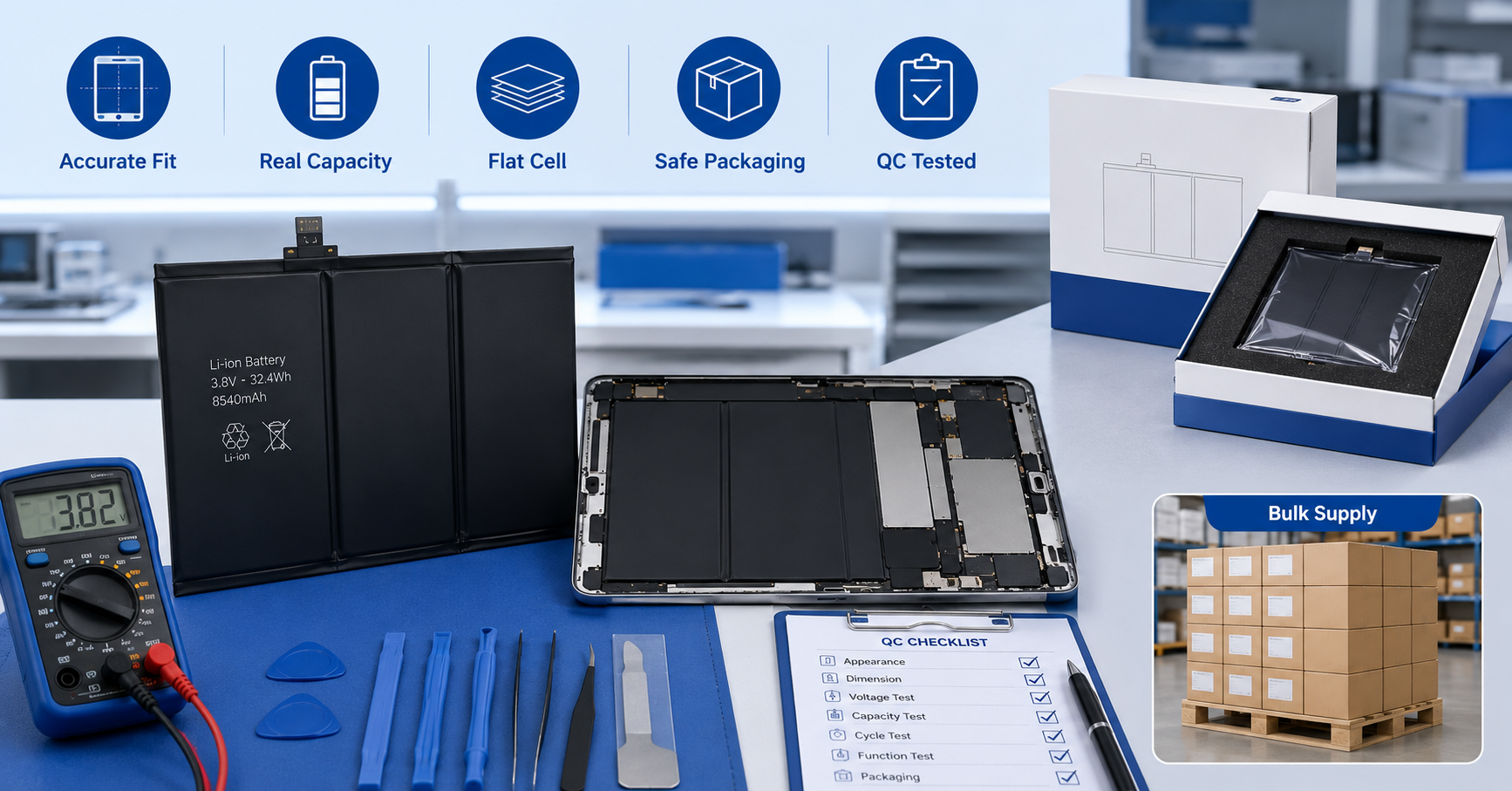
Selection Advice: How Different Buyers Should Choose an iPad Battery Supplier
Repair shops should choose suppliers with accurate model matching and stable installation fit.
For repair shops, the most important point is reducing repair failure and customer return visits.
Wholesalers should focus on model coverage, batch consistency and safe mixed-model packaging.
They need a supplier that can handle repeat orders, model labels, carton marks and stable inventory planning.
Refurbished tablet suppliers should choose batteries with reliable capacity and stable testing performance.
They need predictable results before resale.
E-commerce sellers should focus on compatibility clarity, packaging protection and realistic product claims.
A wrong model description will create returns even if the battery itself is acceptable.
Private label buyers should choose a supplier that supports product series planning.
A professional tablet battery line should include popular iPad models, clear capacity levels, retail packaging, barcode control and warranty communication.
Before bulk ordering from any iPad battery supplier, buyers should test real samples, check installation fit, compare capacity data, review packaging strength and confirm after-sales support.
FAQ
What should I check when choosing an iPad battery supplier?
Check model compatibility, battery code, real capacity, thickness, flatness, connector fit, cable length, internal resistance, charging behavior, packaging strength and quality-control process.
Why is iPad battery replacement more difficult than phone battery replacement?
iPad batteries are larger and usually require more careful screen opening, adhesive removal and flat installation. A small fit problem can create screen pressure, lifting or repair failure.
How can I avoid fake capacity iPad batteries?
Do not rely only on the printed mAh value. Request samples, test actual capacity, compare discharge performance and check whether the claimed capacity is realistic for the battery size.
How many iPad battery samples should wholesalers test?
Wholesalers should test multiple samples from the same batch. One good sample cannot prove batch stability, especially for large tablet batteries.
What packaging is best for bulk iPad batteries?
Packaging should prevent bending, pressure, flex cable damage, abrasion, short circuit risk and carton deformation during shipping.
Can iPad batteries support private label packaging?
Yes. Professional suppliers can support battery labels, retail boxes, barcodes, warranty cards, instruction sheets, carton marks and mixed-model packing plans.
Should repair shops choose standard capacity or high capacity iPad batteries?
Repair shops should choose realistic capacity first. High capacity can be used as a premium option only if the supplier provides reliable testing and the battery size supports the claim.
Can Shenshen ESC support iPad battery wholesale projects?
Yes. Shenshen ESC can support iPad battery sourcing for repair shops, wholesalers, refurbished tablet suppliers, e-commerce sellers and private label battery buyers.
Conclusion
A reliable iPad battery supplier helps repair shops and B2B buyers control more than battery cost.
It helps control repair success rate, installation fit, customer complaints, return risk, packaging safety and product reputation.
Because iPad batteries are larger, thinner and more sensitive to installation pressure, buyers should evaluate real capacity, flatness, connector fit, internal resistance, packaging protection and supplier QC before placing bulk orders.
Shenshen ESC supports iPad replacement battery solutions for repair shops, wholesalers, refurbished tablet suppliers, e-commerce sellers and private label projects.
Contact Shenshen ESC to request iPad battery model options, sample testing support, packaging solutions and wholesale pricing.