
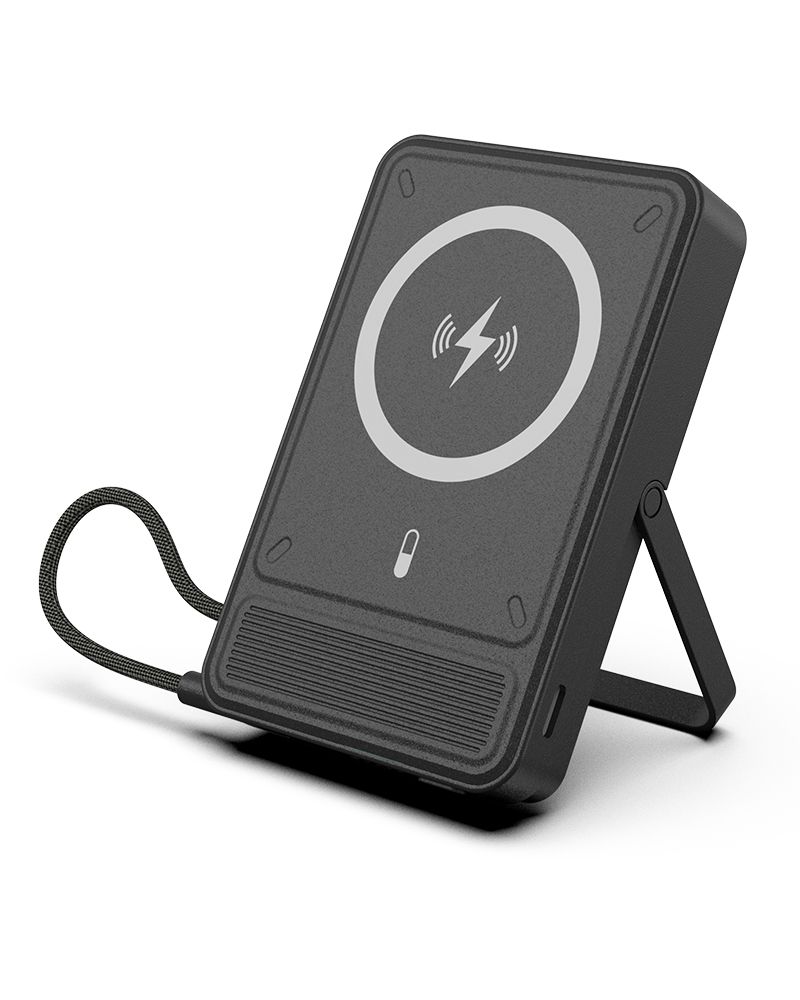
In the 2026 global consumer electronics market, safety compliance is no longer optional—it is the lifeline of cross-border e-commerce sellers and distributors. As high-wattage fast charging becomes mainstream, the risks associated with traditional liquid lithium batteries—thermal runaway, swelling, and transportation restrictions—are becoming impossible to ignore.
The AOVOLT R&D team has fundamentally addressed the root causes of power bank overheating and combustion by integrating semi-solid electrolyte technology with a self-developed third-generation gallium nitride power management system. This white paper is designed to provide B2B buyers with clear technical evaluation standards. By analyzing cell stability, real conversion efficiency, and international certification systems, brands can avoid destructive price wars and costly compliance violations.
The Global Fast Charging Safety Crisis: Why Traditional Solutions Are No Longer Sustainable
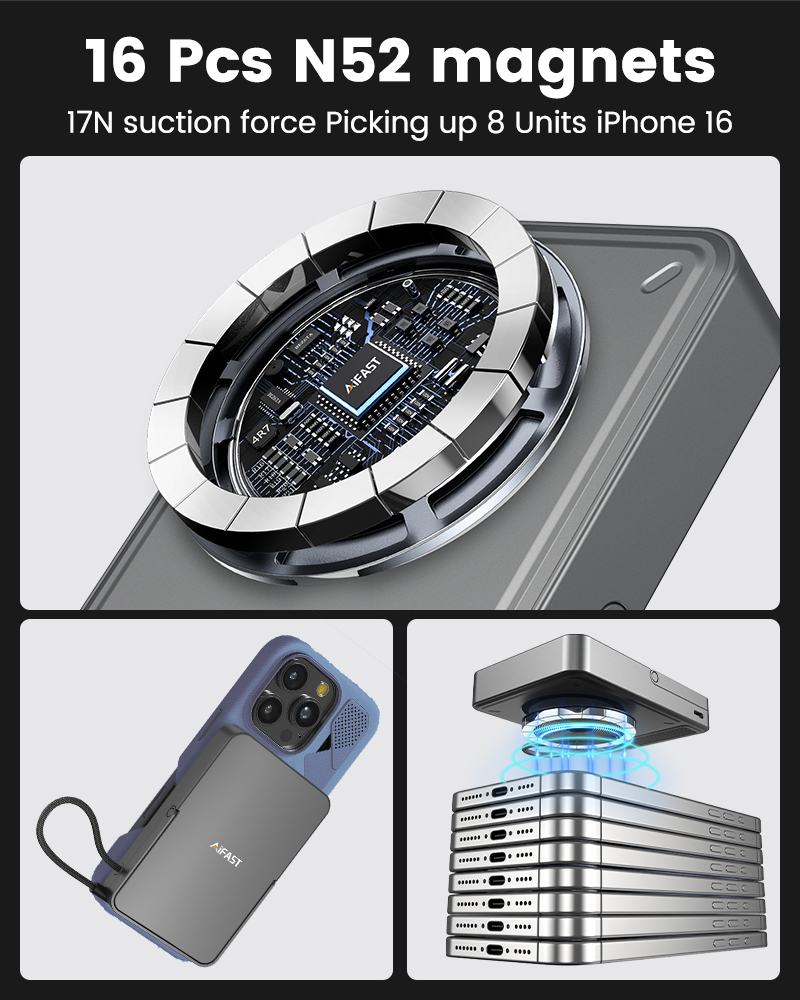
Since 2025, global aviation logistics and e-commerce platform regulations for battery-powered products have tightened dramatically. For B2B buyers, product selection is no longer about competing on price—it is about long-term survival.
The Inherent Risks of Traditional Liquid Lithium Batteries
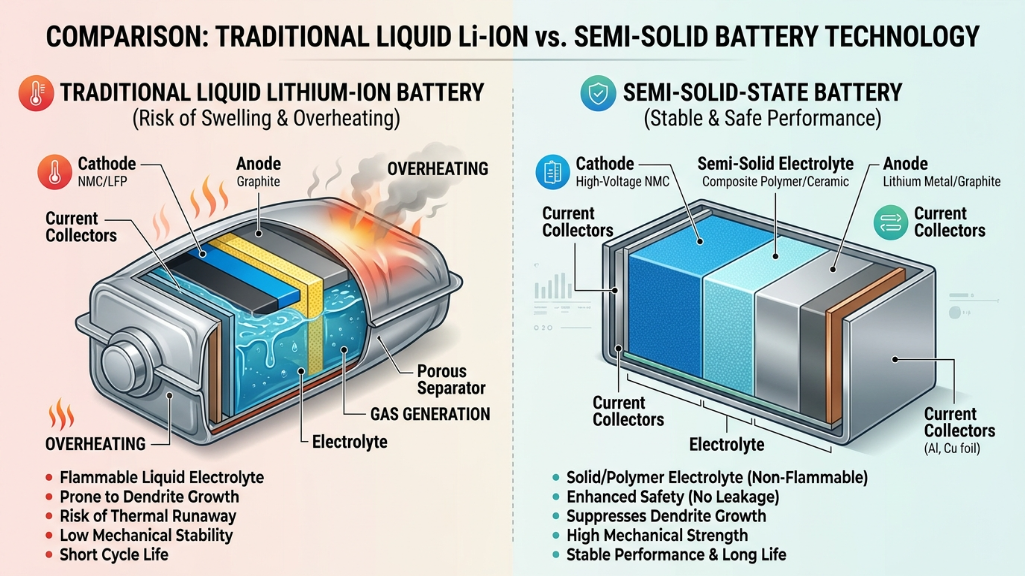
Most conventional power banks use liquid electrolytes. During high-power charge and discharge cycles above 65W, internal chemical reactions intensify significantly. If heat dissipation is insufficient or physical impact occurs, volatile electrolytes can vaporize into flammable gases, causing internal pressure to spike—ultimately leading to swelling or even explosion.
For cross-border sellers, this translates into platform bans, substantial compensation claims, and severe brand reputation damage.
Inflated Capacity and Power Claims: The Industry’s “Emperor’s New Clothes”
The market is flooded with 100W+ power banks, yet B2B buyers frequently encounter the following issues:
-
Exaggerated capacity: A casing labeled 20,000mAh may test below 12,000mAh rated capacity, with conversion efficiency under 60%.
-
Momentary peak power: A device labeled 120W may sustain it for only 30 seconds before thermal throttling drops output to 25W—resulting in poor user experience.
-
Mixed battery cells: Identical exterior designs may conceal recycled or low-grade cells, leading to rapid self-discharge or failure after just three months in storage.
What Is Semi-Solid Fast Charging? A Turning Point in B2B Procurement Decisions
Semi-solid state battery technology represents the most viable mass-production solution between traditional liquid lithium batteries and fully solid-state batteries. For AOVOLT, this is not just about higher energy density—it is an engineering commitment to “non-combustion and non-explosion.”
A Physical-Level Safety Breakthrough
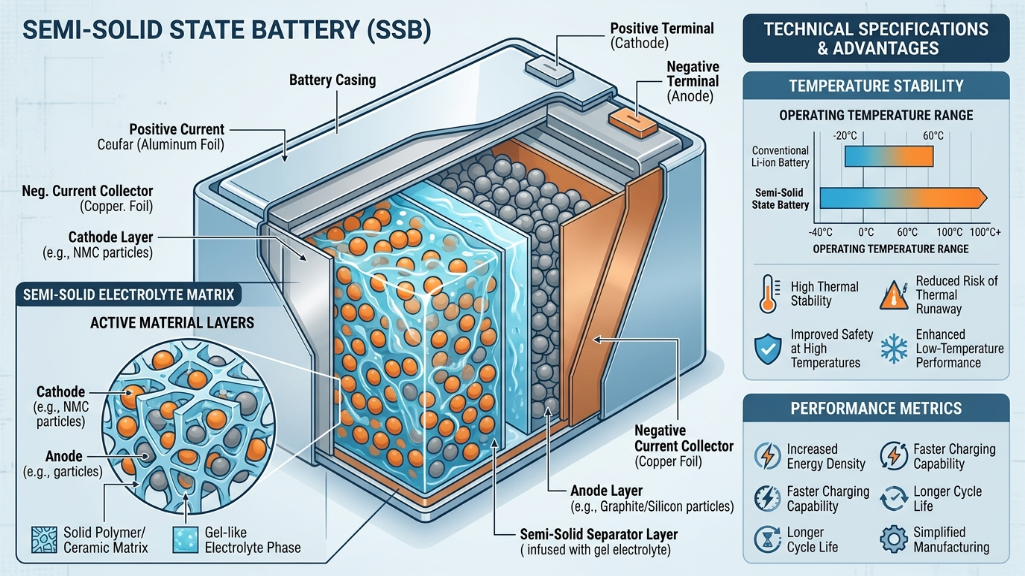
Semi-solid batteries reduce liquid electrolyte content to below 10% and introduce a solid matrix, forming a gel-like hybrid structure.
-
Puncture and impact resistance: Even under severe external force, the absence of large volumes of free liquid electrolyte prevents catastrophic thermal runaway.
-
High-temperature stability: At extreme temperatures up to 60°C, chemical stability is maintained. This fundamentally resolves the overheating issue common in magnetic power banks during simultaneous charging and discharging.
AOVOLT Core Technology: OEM-Level Power Management (PCBA)

Our R&D team includes engineers from leading smartphone brands such as Xiaomi and OPPO, bringing deep expertise in achieving true “OEM-grade charging performance.”
Semi-solid batteries require extremely precise charge-discharge curve management. AOVOLT’s self-developed intelligent chipset enables:
-
Dynamic power allocation: Millisecond-level temperature monitoring ensures that even under 140W PD3.1 protocols, surface temperature remains within international safety standards (≤45°C).
-
Extended storage lifespan: With low self-discharge technology, battery health degradation remains under 2% after six months of warehousing—minimizing distributor inventory losses.
Technical Comparison: Semi-Solid vs. Traditional Liquid Lithium
| Key Metric | Standard Li-ion (Liquid) | AOVOLT Semi-Solid Battery | B2B Commercial Impact |
|---|---|---|---|
| Safety | Flammable, prone to swelling | Puncture-resistant, non-combustible, ultra-low swelling rate | Reduced after-sales returns & legal risk |
| Energy Density | 180–220 Wh/kg | 260–350 Wh/kg | Smaller, lighter product design |
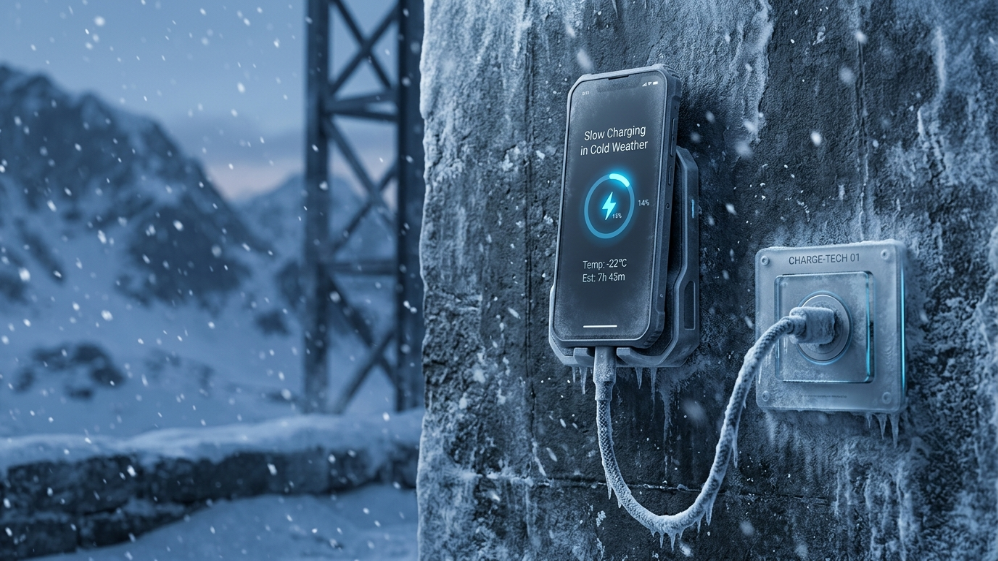
| Operating Temperature | -20°C to 45°C | -30°C to 60°C | Suitable for extreme climates |
| Power Stability | Thermal throttling common | Sustained high-wattage output | True OEM-level charging experience |
| Transport Classification | Strict Class 9 hazardous goods | Easier UN38.3 compliance | Lower insurance costs & expanded logistics options |
Cutting Through Industry Hype: Verifying True Power and Capacity
In B2B trade, samples often look perfect—but mass production inconsistencies are a major cause of returns and claims. With 15 years of vertically integrated manufacturing experience, AOVOLT recommends professional blind testing across three dimensions.
Rated Energy (Wh) and Voltage Drop Testing
Many manufacturers label power banks as 20,000mAh without addressing real energy conversion efficiency.
Formula:
E(Wh)=V(V)×Q(Ah)E (Wh) = V (V) \times Q (Ah)
Verification Method:
Discharge at 0.2C constant current using an electronic load tester until cutoff voltage. If measured energy falls below 85% of the rated value, the product likely contains exaggerated cells or substandard PCBA.
AOVOLT Standard:
Semi-solid cells maintain stable conversion efficiency above 92%, ensuring that every milliamp-hour is real, usable capacity.
PD Protocol Handshake and Sustained Power Output

Inflated wattage typically appears as a brief peak spike. For example, a “140W” power bank may drop to 65W within two minutes due to overheating.
Professional evaluation:
Monitor stability in PD3.1 EPR (Extended Power Range) mode.
AOVOLT Solution:
With OEM-grade engineers from Xiaomi and OPPO, we optimized the charge pump balancing algorithm. During continuous charge-discharge cycles, temperature fluctuation remains within ±2°C—delivering genuine sustained high-power performance.
Cross-Border Logistics and Certification Barriers: Solving the Export Challenge
Battery-powered products are classified as Class 9 hazardous goods. High freight rates and limited channels are persistent challenges for B2B buyers.
Global Certification Matrix
AOVOLT products exceed baseline requirements and are prepared with market-specific compliance packages:
| Target Market | Required Certifications | AOVOLT Added Value |
|---|---|---|
| North America | UL2054, FCC, DOE | Meets Level VI energy efficiency standards |
| Europe | CE-LVD/EMC, RoHS, ErP | Full Declaration of Conformity (DoC) to prevent customs delays |
| Japan | PSE (Circle/Diamond) | Fully compliant with Japanese Electrical Appliance Law |
| Global Aviation | UN38.3, MSDS | 1.2m drop test & low-pressure simulation validated |
Exclusive Logistics Empowerment
For customers lacking battery shipping channels, AOVOLT provides Delivered Duty Paid (DDP) solutions. Through deep partnerships with leading global freight forwarders, semi-solid fast charging products are allocated dedicated container space—substantially reducing customs clearance risks and logistics costs for small and mid-sized wholesalers.
Patented Industrial Design: The Ultimate Defense Against Price Wars
On platforms like Amazon and Lazada, product homogenization leads to thin margins and high IP infringement risk.
Differentiated ID Design
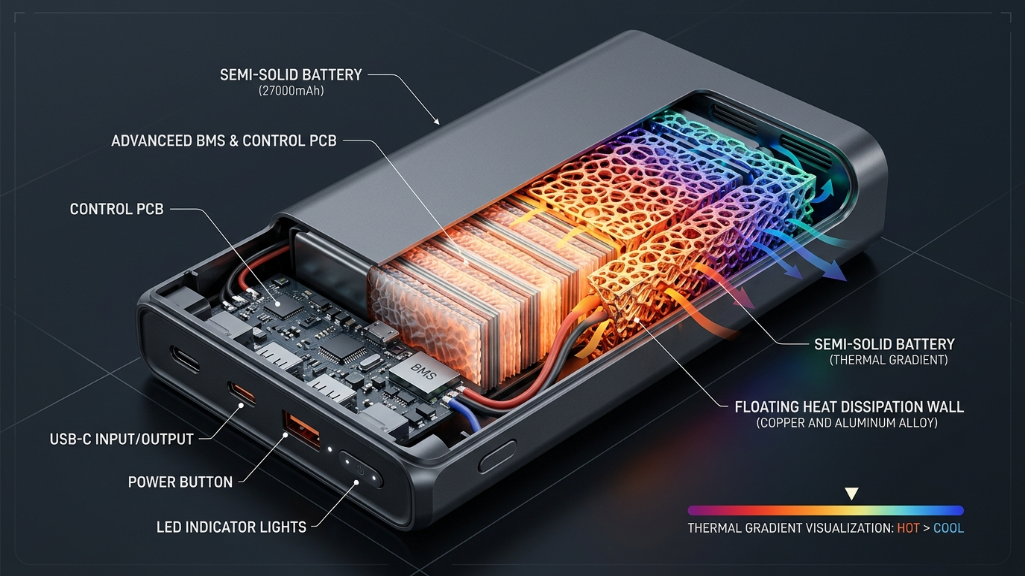
AOVOLT insists on original industrial design. All private-mold products are protected by appearance patents. From streamlined heat dissipation structures to minimalist CMF (Color, Material, Finish) treatments, your product stands out naturally on the shelf. Choose a differentiated power bank provider: Beyond capacity and price.
Thermal Logic Meets Aesthetic Balance
Overheating in magnetic power banks often results from minimal coil-to-battery spacing. AOVOLT’s patented “floating heat dissipation wall” structure, combined with semi-solid battery heat resistance, maintains slim form factors while keeping surface temperatures noticeably lower than comparable products.
Frequently Asked Questions (FAQ)
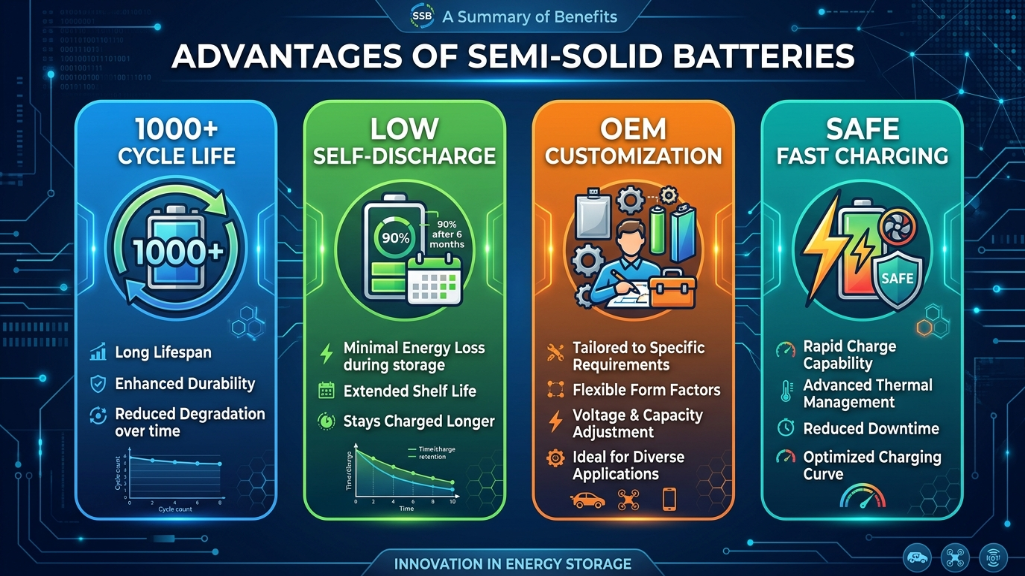
Q1: Do semi-solid batteries have longer cycle life than standard lithium batteries?
Yes. Reduced electrolyte-related material degradation allows AOVOLT products to exceed 1,000 charge cycles while retaining 80% of initial capacity—approximately twice the lifespan of standard cells.
Q2: Why is your 65W charger 15% more expensive than some factories?
B2B procurement should not focus solely on BOM cost. That 15% premium includes:
-
Genuine third-generation GaN chips (not low-end silicon substitutes)
-
OEM-grade PCBA design ensuring zero damage to smartphone batteries
-
Comprehensive global compliance certification backing—mitigating multi-million-dollar legal risks
Q3: Is OEM customization available?
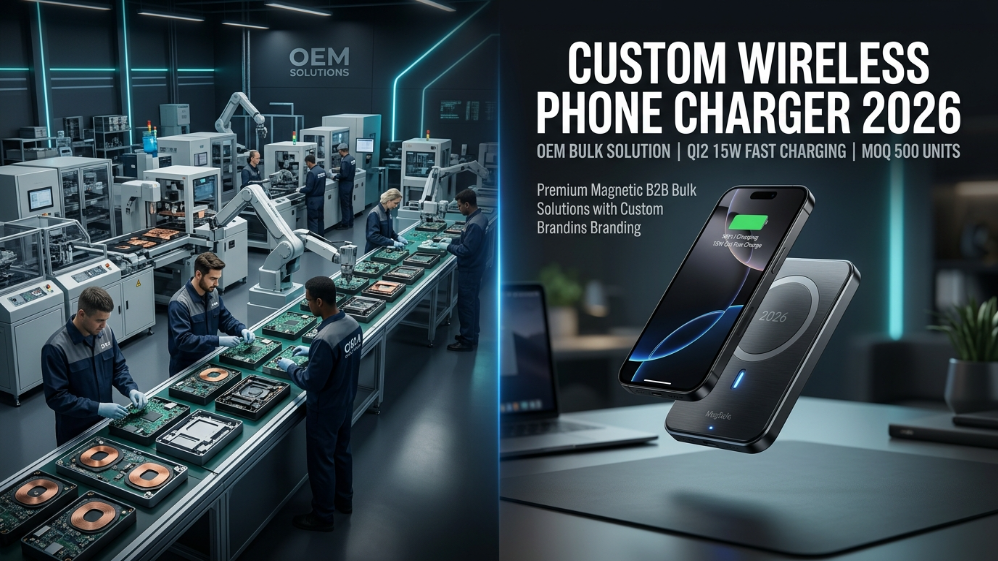
Absolutely. We provide one-stop services from customized PCBA solutions and logo printing to fully customized packaging. Thanks to in-house PCBA expertise, protocol combinations (such as dedicated PPS profiles) can be dynamically adjusted to meet your target budget.
Q4: Will the power bank swell after long-term storage?
One major advantage of semi-solid batteries is ultra-low electrolyte volatility. Under room-temperature, dry storage conditions, AOVOLT products can remain stable for over 12 months without structural swelling—significantly reducing retailer inventory losses.
Conclusion: Choosing Technical Certainty Means Securing Commercial Future
By 2026, the fast charging industry has shifted from competing on price to competing on technological integrity. With 15 years of industry expertise, AOVOLT integrates the upper safety limits of semi-solid batteries with the lower speed limits of OEM-grade charging performance.
If you are seeking a smart fast charging partner capable of supporting brand premium positioning while minimizing compliance risk, contact our technical consultants today. We provide complimentary sample testing reports and market access compliance guidance to support your long-term growth.
References:
UN Manual of Tests and Criteria, Part III, Subsection 38.3
IEC 62133 – Safety Requirements for Portable Rechargeable Batteries