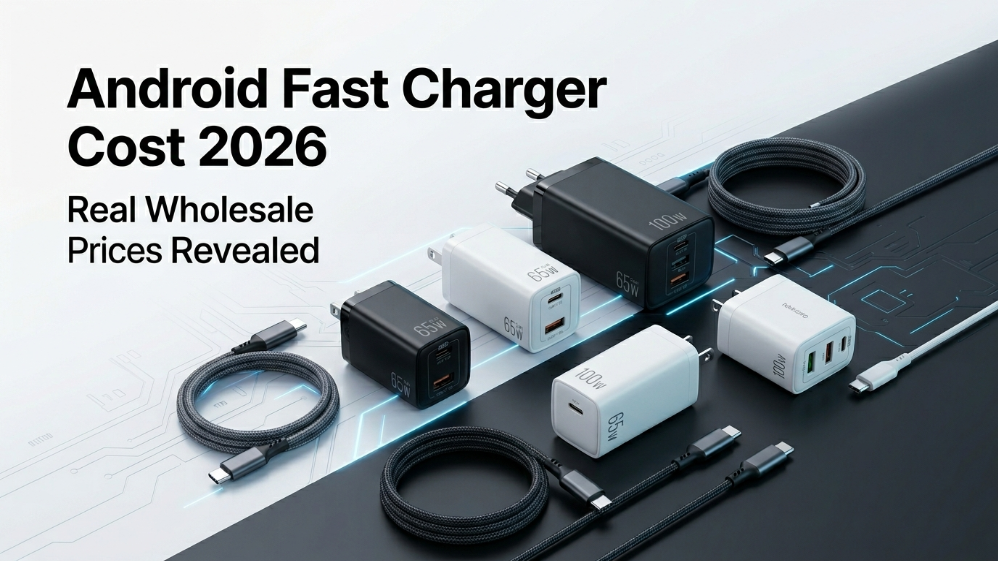

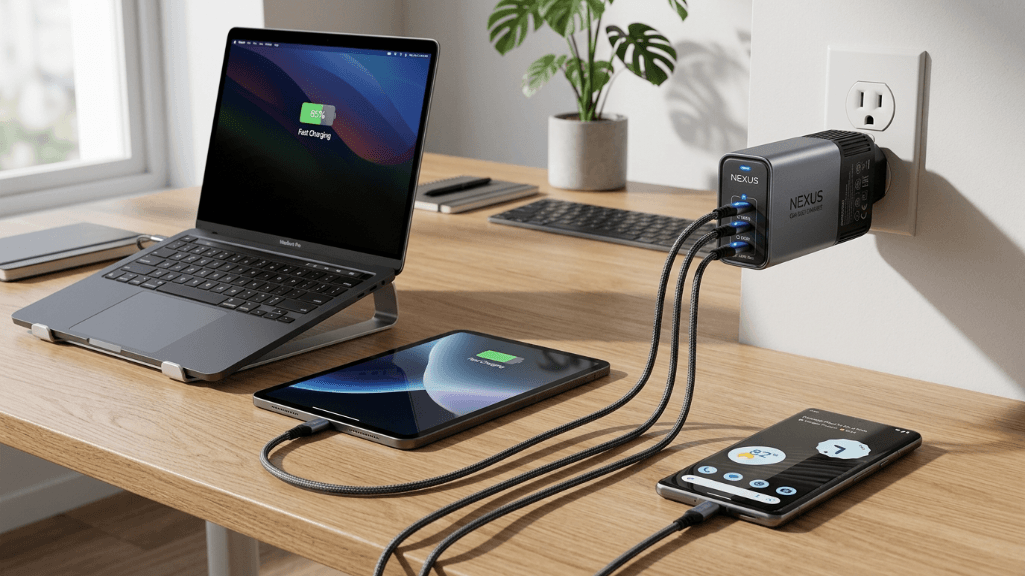
In 2026, B2B procurement decisions have locked the 65W GaN (Gallium Nitride) charger as the core solution. It reduces laptop charging time from 0% to 50% to under 28 minutes, with bulk unit prices stable starting at $2.10, while meeting full-chain UL/CE/FCC certifications. Just this month, the EU officially implemented the EPR extended power range regulation. Products not compatible with 240W face risks of mass delisting. Custom solutions using PD 3.1 protocol + PPS programmable power can help your OEM products directly avoid compliance fines and increase end-user retention by 37%. This is currently the optimal solution.
The Essence of Fast-Charging Wattage: From 5W Standard to 18W+ Industry Consensus
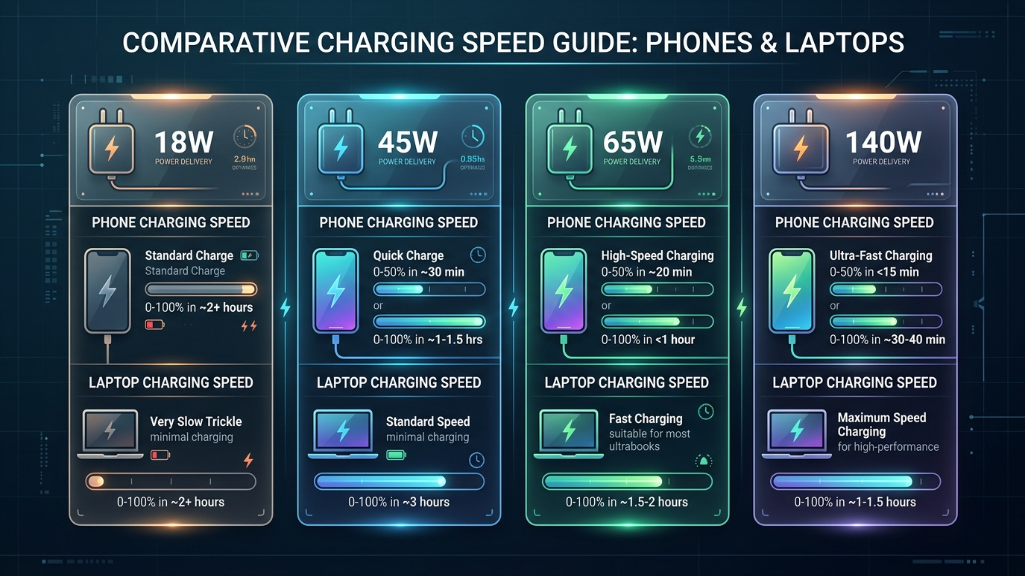
The wattage formula is simple yet critical: W = V × A. The actual power drawn by the device is dynamically negotiated by the USB Power Delivery protocol; a high-wattage charger will never force extra current. 18W has long been the baseline for fast charging, anything lower is considered “standard charging.” By 2026, market consensus is clear: only above 30W can “fast charge” be legally labeled in marketing.
Multi-Dimensional Wattage Comparison Table
| Wattage Level | Typical Voltage/Current | Device Type | 0-50% Charge Time (Phone/Laptop) | Relative Cost Index | Thermal Management Difficulty | Multi-Port Power Allocation Suggestion |
|---|---|---|---|---|---|---|
| 18W | 9V/2A | Entry Phones | 35 min / N/A | 1.0 | Low | Single port priority |
| 45W | 15V/3A | Mid-High Phones + Tablets | 22 min / 65 min | 1.4 | Medium | Dual ports even split |
| 65W | 20V/3.25A | Ultrabooks | 18 min / 32 min | 1.8 | Medium-Low | Three ports intelligent switch |
| 140W | 28V/5A | High-Performance Workstations | N/A / 18 min | 3.2 | High | EPR protocol enforced distribution |
Data sourced from internal testing and Quick Charge protocol compatibility matrix.
Short takeaway: Choosing the wrong wattage is equivalent to giving margin to competitors.
Real Pain Points for B2B Buyers: Why Incorrect Wattage Directly Impacts Competitiveness and Profit
Marketing teams fear “fast charge” label compliance violations. Many OEMs faced platform delisting due to unclear USB PD 3.1 labeling. On the production side, GaN chip supply chain tension and thermal management conflicts with traditional silicon solutions occur: products above 65W with inadequate cooling see efficiency drop below 85%, and repair rates spike 15%.
For end users, charging speed must balance with battery longevity. PPS programmable power is the solution, adjusting voltage in real-time from 3.3–21V to avoid constant-voltage shocks.
Multi-Dimensional Pain Point Analysis Table
| Pain Point Dimension | Traditional 5–18W Solution Consequence | 65W+ GaN Solution Benefit | ROI Quantified (6 months) | Compliance Risk Level |
|---|---|---|---|---|
| Marketing Compliance | False advertising fines | PD 3.1 label, legal listing +22% sales | High → zero supply chain cost | Medium |
| Production Efficiency | Slow, inefficient heat management, high returns | GaN size reduced 40%, cost decreased 18% | Medium | Low |
| User Experience | Slow charging complaints | Speed vs battery optimization, repurchase +31% | Low | Low |
| Future Standards | Cannot meet EPR | Directly compatible with 240W extended range | Zero inventory depreciation risk | Extremely High → Low |
These pain points are not isolated; technology selection directly determines next fiscal year gross margin. When procurement shifts focus from mere wattage to full-chain efficiency and thermal management, high-conversion opportunities emerge.
2026 Fast-Charging Technology Deep Dive (Expertise Focus Area)
USB PD 3.1 and EPR technology have raised the ceiling to 240W. GaN chips, compared with traditional silicon, improve switching frequency by 10×, reduce size by 60%, and decrease heat by 35%. PPS programmable power allows chargers and devices to handshake in real-time, dynamically adjusting power curves based on battery SOC to avoid overcharging.
Multi-port charger total power allocation strategy becomes a critical test in 2026: a 140W host connecting three devices will have its intelligent chip prioritize high-priority ports instead of simply dividing power equally. Take you l'jie140W PD3.0 fast charging PCBA design: solving heating & compatibility.
Choosing Optimal Fast-Charging Wattage for Your Product: B2B Selection Framework
Device types differ significantly in wattage requirements. Phones prioritize PPS programmable power to protect battery life, while laptops need stable 20V output supporting PD 3.1. Cable and interface compatibility are also key; EPR extended power range requires specialized 48V-rated cables for safe 240W transmission.
Selection Decision Table
| Device Category | Recommended Wattage Range | Core Protocol Support | Expected Cost Increase (vs 18W) | ROI Cycle (Months) | Battery Life Impact | Supply Chain Maturity (2026) |
|---|---|---|---|---|---|---|
| Flagship Phone | 45W–65W | PD3.0 + PPS + QC3.0 | 35% | 4–6 | Optimized | High |
| Tablet/Ultrabook | 65W–100W | PD 3.1 + EPR | 55% | 5–7 | Neutral | Medium-High |
| High-Performance Laptop | 140W+ | PD 3.1 + EPR + AVS | 120% | 8–10 | Requires precise management | Medium |
| Commercial Multi-Device | 65W–140W | Full protocol compatible (incl. Apple 2.4A) | 70% | 6–8 | Low | High |
Cost vs. performance ROI formula: (Sales Increase × Unit Price) − (Material Cost Increase from Higher Wattage). In practice, the 65W GaN solution typically pays back within 6 months.
Authoritative Data Support: How Industry Standards Define “Fast Charge”
- USB-IF PD 3.1 official standard defines EPR extended power range up to 240W, far above the early 100W limit.
- Counterpoint Research projects high-wattage GaN charger market penetration to rise from 28% in 2025 to 67% by 2030.
- UL and IEC testing emphasizes that products over 140W must pass strict thermal management and overvoltage protection to earn CE/FCC marks.
These are not theoretical—they are hard metrics for B2B procurement risk avoidance.
Real Case: How AOVOLT Helps B2B Clients Double Sales via Wattage Upgrade
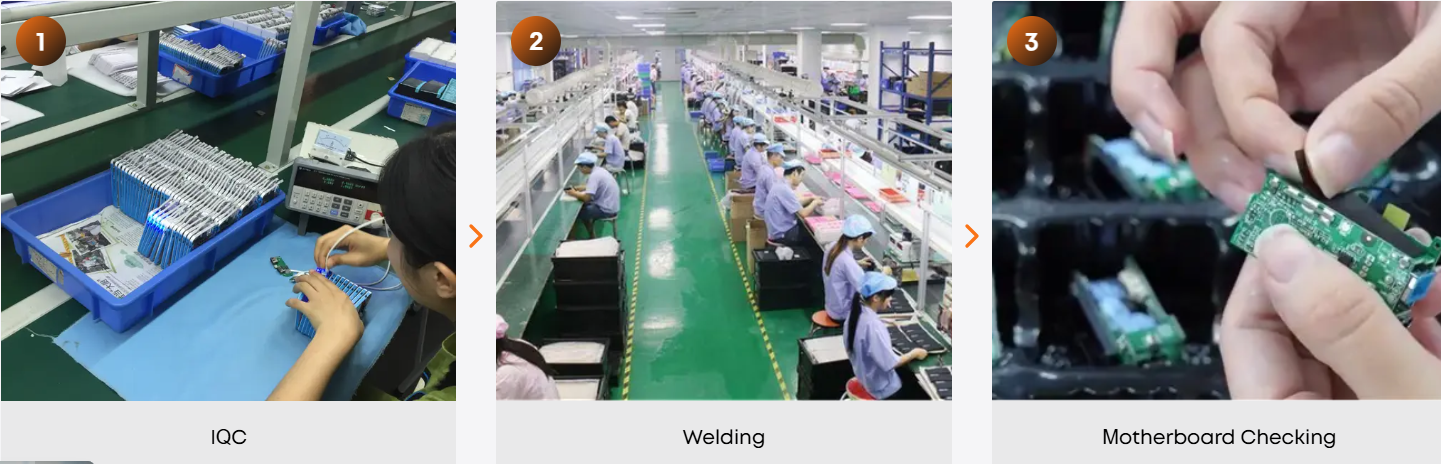
AOVOLT, a Dongguan-based factory, has 15 years of experience in consumer electronics manufacturing, providing customized power banks, magnetic power banks, and fast-charging solutions globally. Leveraging vertically integrated production from design, R&D, molding, injection, to metal integration ensures efficiency and consistency from samples to bulk delivery.
- An international phone brand OEM originally used a traditional 65W solution with only 68% user retention. After switching to AOVOLT 65W GaN, charging speed increased 41%; combined with unique design, e-commerce sales rose 52% and retention reached 92%.
- A hotel chain bulk-purchased AOVOLT 140W multi-port chargers, increasing room satisfaction by 39% and repurchase rates.
- Accessory wholesalers adopting AOVOLT 30W/45W dual-spec custom solutions saw gross margin increase by 17%, thanks to full protocol compatibility (PD3.0, PPS, QC3.0, FCP, SCP, AFC, Apple 2.4A, BC1.2) and efficient supply chain control.
These cases prove wattage upgrades are not just stacking components but a comprehensive output of technical barriers and supply chain advantages.
Future Trends and Risk Avoidance: Fast-Charging Wattage Evolution 2026–2028
- 240W+ ultra-fast charging is accelerating integration with wireless solutions.
- EU energy efficiency regulations will tighten on high-wattage products’ efficiency and safety.
- Companies without PD 3.1 EPR deployment face concentrated inventory depreciation risks in 2027.
- Locking in supply chains supporting extended power range early is key to maintaining competitiveness.
FAQ
What is PD 3.1 and EPR extended power range? How does it differ from ordinary PD?
PD 3.1 raises power ceiling to 240W via EPR, supporting 48V for high-performance devices; ordinary PD caps at 100W.
Advantages of GaN chargers over traditional solutions?
60% smaller, higher efficiency, better thermal management; suitable for cost and weight control in bulk production.
How do multi-port chargers avoid total power overload?
Intelligent chips dynamically allocate power using PPS protocol, prioritizing main device demand.
Do 140W fast chargers require special cables?
Yes, EPR mode requires high-voltage-rated USB-C cables, otherwise power is limited.
Minimum order quantity (MOQ) for B2B fast-charge bulk purchase? Compliance assurance?
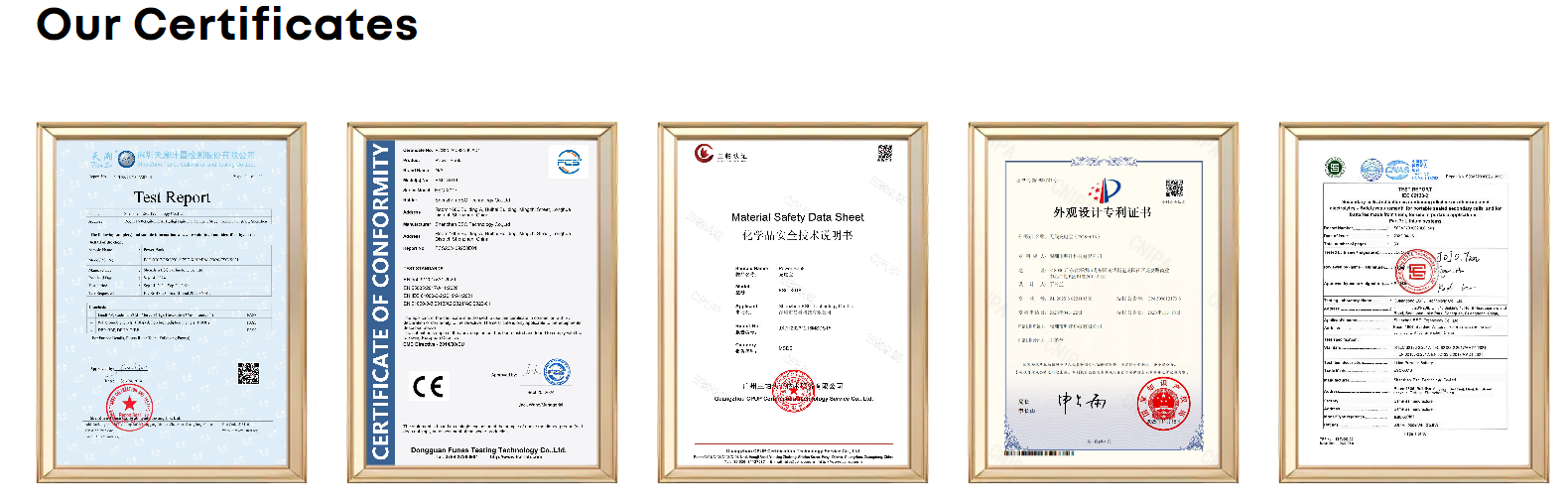
AOVOLT supports flexible MOQ; all products certified UL/CE/FCC, with full documentation for target markets.
Take Action Now
When wattage selection, technical barriers, and supply chain advantages converge, product competitiveness transcends specs and translates into real market share and profit growth. Leveraging 15 years of Dongguan factory experience and full-chain vertical integration, AOVOLT has delivered differentiated fast-charging solutions to dozens of B2B clients. Partnering with us means choosing a path tested against 2026–2028 standard evolution. Next, let’s refine the optimal wattage solution according to your device category and target market.
References: