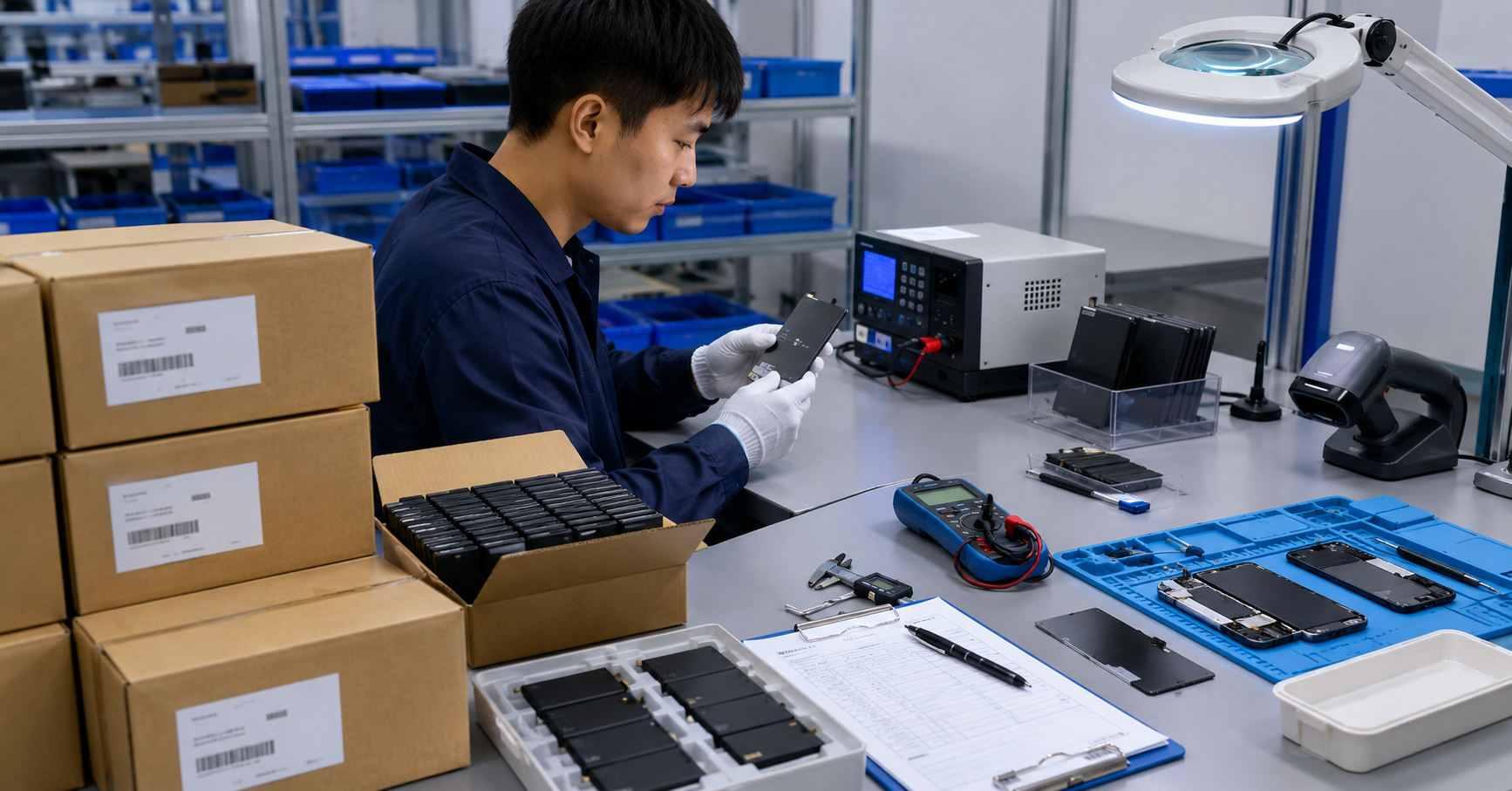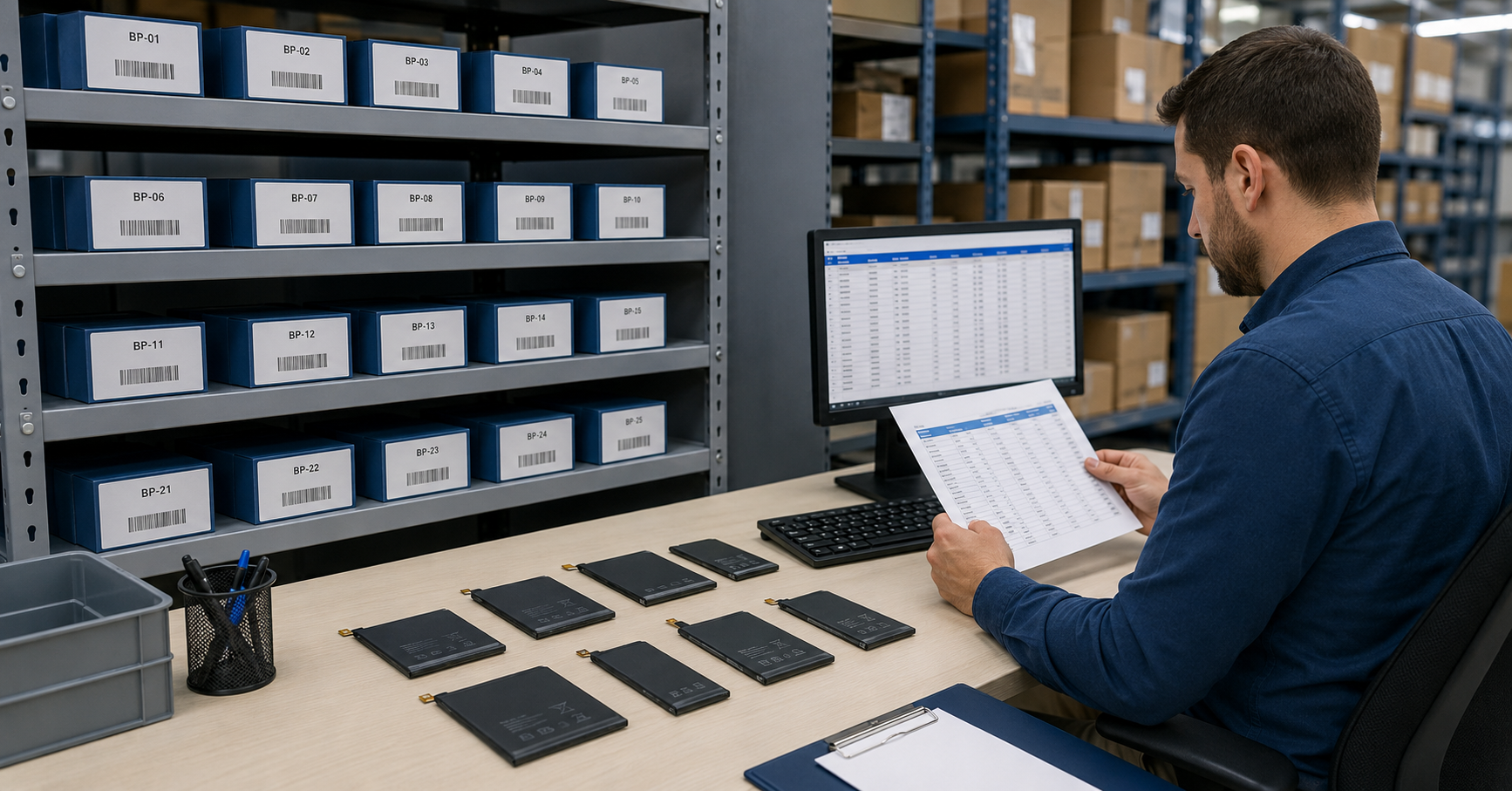

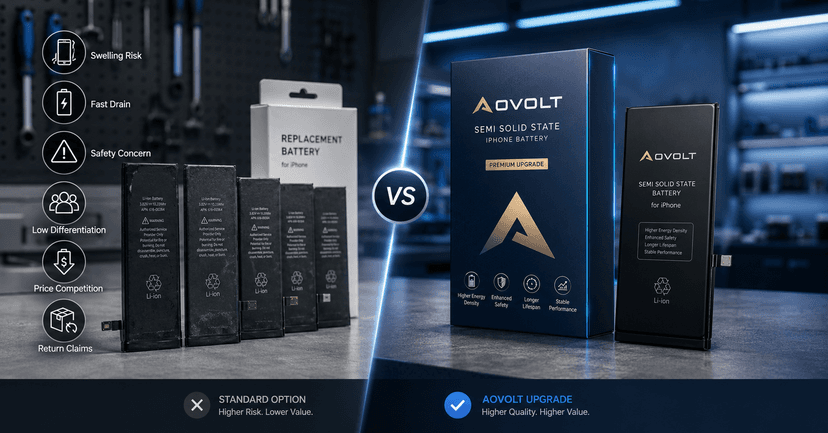
A semi solid state iPhone battery supplier is not only selling a replacement battery with a newer technology name. For repair shops, wholesalers, refurbished phone suppliers and private label battery brands, the real value is whether this battery category can reduce safety concerns, improve customer confidence, support premium repair services and create a product line that is not trapped in low-price competition. As iPhone batteries chemically age, users experience shorter runtime and weaker peak performance, so replacement demand remains strong. The next question for B2B buyers is simple: should they continue selling only standard lithium-ion replacement batteries, or add a safer and more premium battery option to their catalog?
Product Pain Points: Standard Replacement Batteries Are Easy to Sell but Hard to Differentiate
The phone battery market is crowded.
Many repair shops and wholesalers sell similar iPhone replacement batteries with similar black pouch appearance, similar capacity labels and similar packaging claims. When every supplier says high capacity, long cycle life and premium quality, buyers find it difficult to know which product actually deserves a higher price.
For repair shops, the most painful issues are customer complaints after replacement.
Fast drain.
Battery swelling.
Battery health concerns.
Heating during charging.
Sudden shutdown.
Customer doubt about safety.
For wholesalers, the problem becomes warranty pressure from downstream repair stores.
For e-commerce sellers, the problem becomes return rate and negative reviews.
For private label brands, the problem is even more serious because the brand name on the packaging carries the quality responsibility.
This is where semi-solid-state positioning becomes commercially useful.
It gives B2B buyers a clearer premium story: safer structure, stronger differentiation, higher-value repair option and better customer communication.
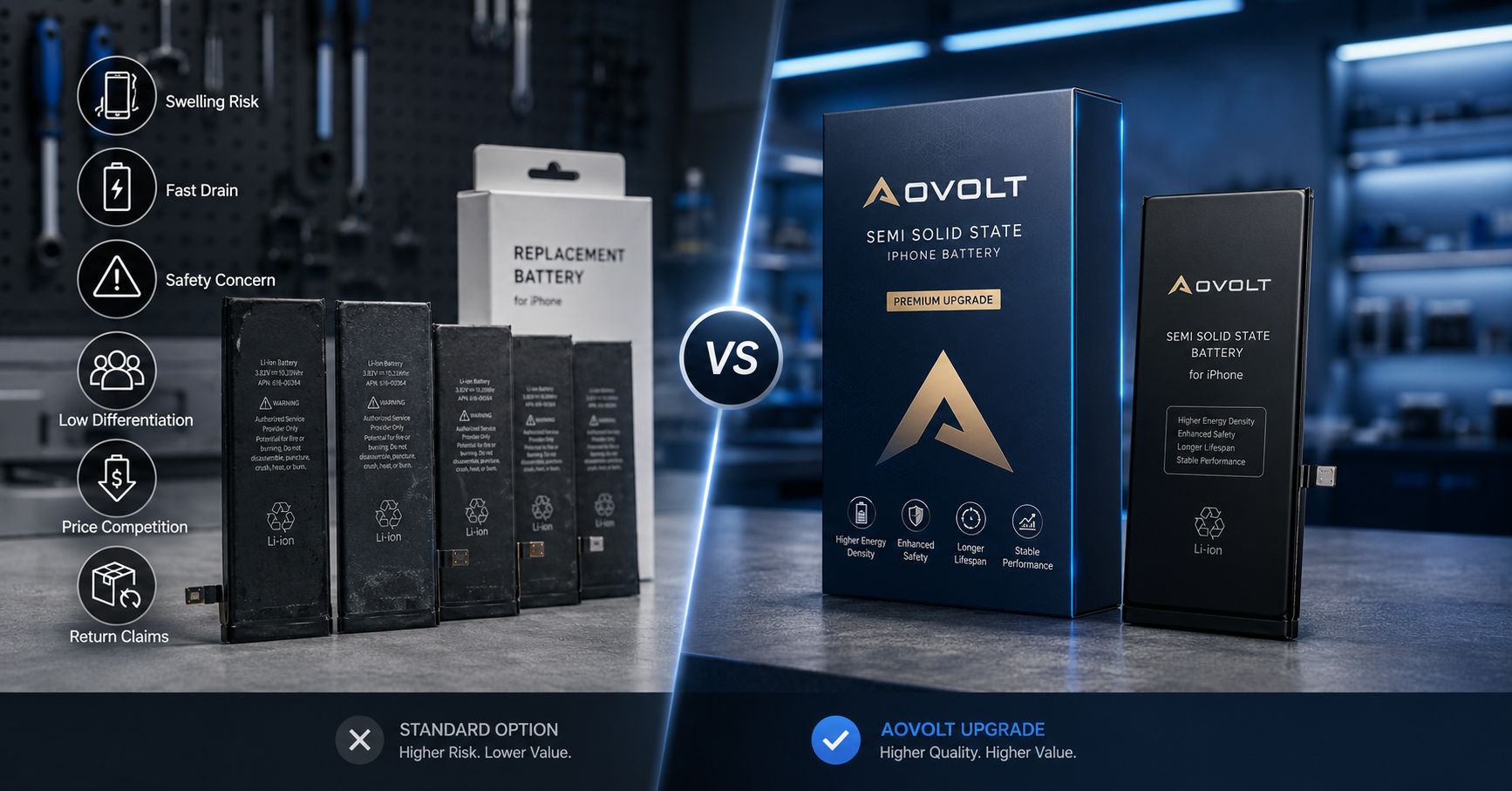
Illustration Suggestion: Product Pain Points
Create a 1200×628px premium B2B infographic showing a repair shop counter with standard iPhone batteries on one side and customer concern icons around them. Use short labels only: Swelling Risk, Fast Drain, Safety Concern, Low Differentiation, Price Competition, Return Claims. Show an AOVOLT semi solid state iPhone battery box as the upgraded solution on the right. Use blue-white technical style, minimal text and professional lighting.
Battery Principle: What Makes Semi-Solid-State Different
A standard lithium-ion polymer phone battery usually uses a liquid electrolyte system inside a flexible pouch cell.
A semi-solid-state battery still belongs to the broader lithium battery family, but it uses a more solid-like electrolyte structure or gel / hybrid electrolyte approach compared with conventional liquid-electrolyte cells. In practical B2B language, it is positioned between traditional lithium-ion batteries and full solid-state batteries.
The purpose is not just to sound advanced.
The technical direction is to improve safety behavior, reduce leakage-related risk, support better structural stability and create a more premium battery platform.
For iPhone replacement batteries, the core structure still needs to match the phone.
The cell must fit the battery cavity.
The flex cable must align correctly.
The connector must match the model.
The PCM protection board must control overcharge, over-discharge, over-current and short-circuit risk.
The battery label, packaging and model information must be suitable for repair and distribution.
This means semi-solid-state technology alone is not enough.
A good product still needs proper cell design, PCM matching, capacity control, installation fit and batch testing.
Comparison: Standard Lithium-Ion Battery vs Semi-Solid-State iPhone Battery
A standard lithium-ion replacement battery is suitable for daily repair demand.
It is cost-effective, widely available and easy to stock in large quantities. For price-sensitive customers, this is still necessary.
A semi-solid-state iPhone battery is positioned differently.
It is more suitable for premium repair shops, wholesalers building upgraded product lines, e-commerce sellers who need stronger selling points, and private label brands that want to avoid looking like every other generic battery seller.
The main difference is business positioning.
Standard Lithium-Ion iPhone Battery
Good for daily repair
Lower cost
Easy mass supply
Suitable for price-sensitive markets
Competes mostly on price, model coverage and basic quality
Semi-Solid-State iPhone Battery
Better for premium repair
Stronger safety positioning
Better product differentiation
Higher perceived value
Suitable for private label and upgraded repair services
For B2B buyers, the comparison should not be standard battery is bad and semi-solid-state is perfect.
That would be stupid marketing.
The better conclusion is this:
Standard batteries are for volume.
Semi-solid-state batteries are for premium positioning.
A serious supplier should help customers build both, not force one solution on every market.
Solution: How Shenzhen ESC Supports Semi-Solid-State iPhone Battery Projects
As a semi solid state iPhone battery supplier, Shenzhen ESC can support customers who want to build a premium iPhone replacement battery line under the AOVOLT brand or their own private label.
The solution can include semi-solid-state cell options for selected iPhone models, standard capacity and high capacity planning, PCM protection board matching, flex cable and connector fit checking, battery health display options, decoded battery options, OEM packaging and sample testing before bulk orders.
For repair shops, the solution is not only the battery itself.
It is a way to offer customers an upgraded repair choice.
For wholesalers, it is a way to separate premium buyers from low-price buyers.
For e-commerce sellers, it is a way to build stronger listing value.
For private label brands, it is a way to create a more defensible battery series.
The correct product structure may look like this:
Standard Series for daily repair.
High Capacity Series for longer runtime.
Battery Health Display Series for premium repair experience.
Decoded Series for professional iPhone repair.
Semi Solid State Series for safety-focused premium positioning.
This is how a battery catalog becomes a business system instead of a random SKU list.
Core Advantages: Why Semi-Solid-State iPhone Batteries Matter
The first advantage is stronger safety positioning.
Phone battery buyers are sensitive to swelling, heating and fire-related concerns. A semi-solid-state product gives repair shops and brands a clearer safety story to explain to customers.
The second advantage is premium differentiation.
Most standard batteries look similar. A semi-solid-state iPhone battery creates a more visible reason for a higher selling price.
The third advantage is better customer communication.
Repair shops can explain that this is an upgraded battery option designed for users who care more about safety, quality and long-term confidence.
The fourth advantage is private label value.
A private label brand can use semi-solid-state technology as a premium product category instead of competing only through packaging design or low prices.
The fifth advantage is catalog strategy.
Wholesalers can sell standard batteries for basic repair and semi-solid-state batteries for professional repair shops that want a higher-margin product.
The sixth advantage is long-term brand trust.
When customers see a battery brand offering clearly different product tiers, the brand looks more professional and more serious.
Application Scenarios: Where Semi-Solid-State iPhone Batteries Create Business Value
Repair shops can use semi-solid-state iPhone batteries as an upgraded service option for customers who worry about safety, swelling or long-term reliability.
Repair chains can use them to standardize premium repair packages across multiple stores.
Wholesalers can position them as a premium line for professional repair customers instead of selling only low-price batteries.
Refurbished phone suppliers can use them for higher-grade refurbished devices where resale confidence matters.
E-commerce sellers can build repair kits around safety, premium quality and better product differentiation.
Private label brands can use semi-solid-state batteries to build a more advanced product series under their own packaging and brand identity.
Selection Advice: How Different Buyers Should Choose
Repair shops should not replace all standard batteries with semi-solid-state products immediately.
A better strategy is to offer two service levels.
Standard battery replacement for price-sensitive customers.
Semi-solid-state battery replacement for customers who want a premium safety-focused option.
Wholesalers should treat semi-solid-state as a product tier, not a replacement for the entire catalog. Start with popular iPhone models, test market feedback and gradually expand.
E-commerce sellers should avoid exaggerated claims. Do not promise impossible performance. Focus on safety positioning, premium material structure, reliable testing and clear compatibility information.
Refurbished phone suppliers should use semi-solid-state batteries for higher-value devices where battery quality can improve resale positioning.
Private label buyers should ask the supplier to help plan packaging, label language, model selection, warranty policy and product series structure.
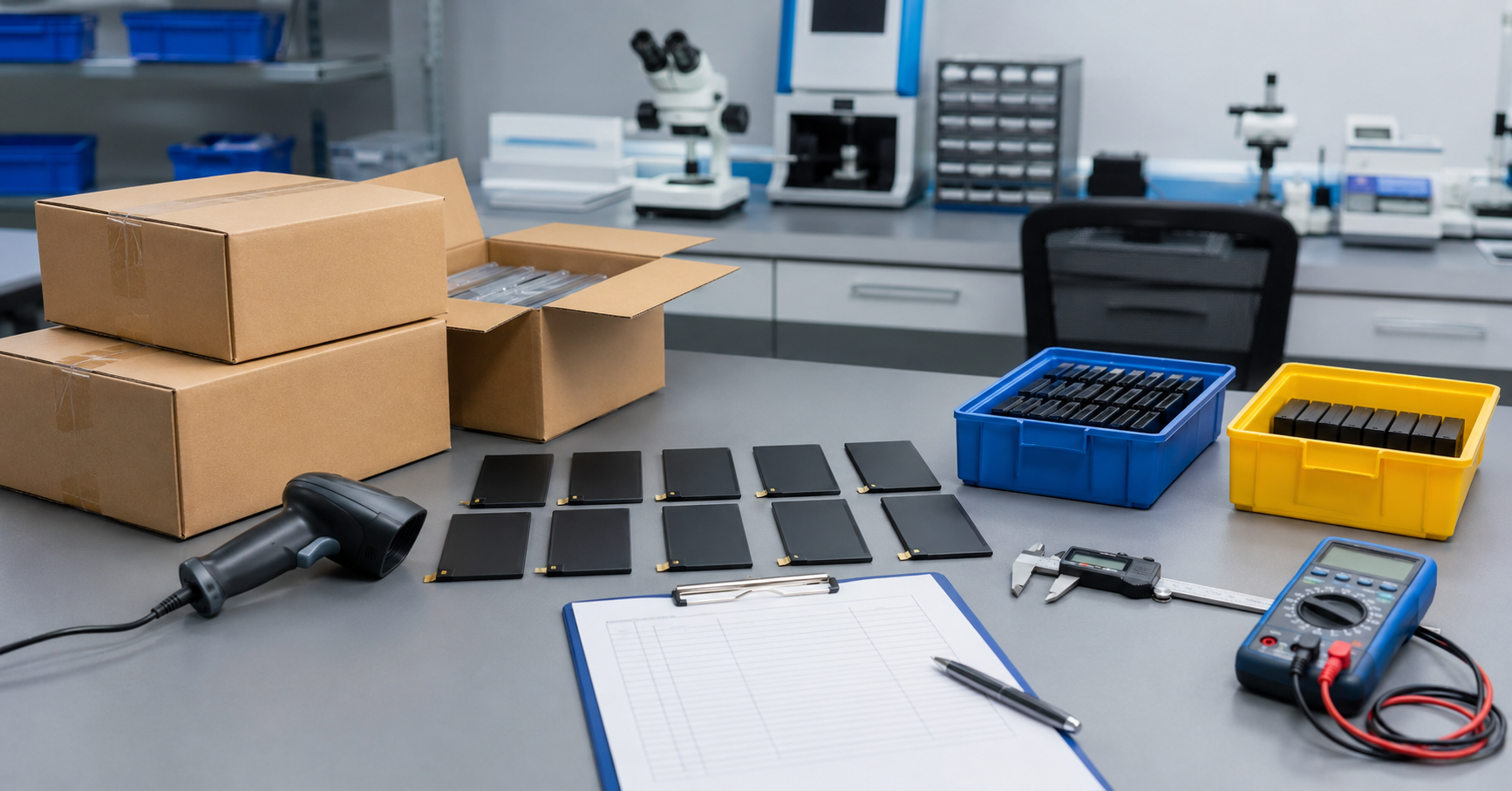
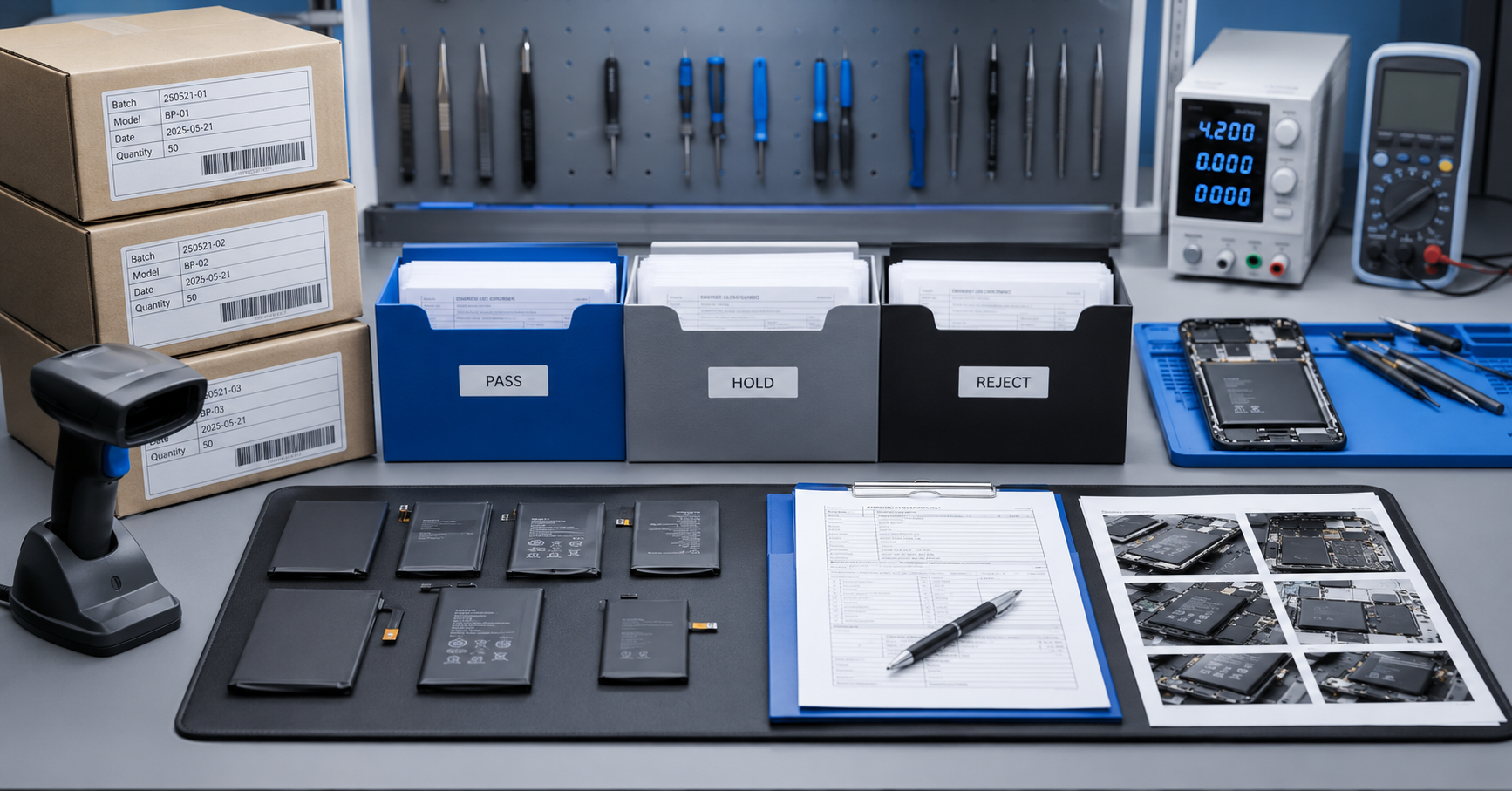
Before bulk purchasing, every buyer should request samples and check real capacity, voltage, internal resistance, installation fit, charging behavior, heat behavior, packaging protection and batch consistency.
How to Evaluate a Semi Solid State iPhone Battery Supplier
A professional supplier should be able to explain more than the word semi-solid-state.
Buyers should ask these questions:
Which iPhone models are supported?
What is the realistic capacity range?
What cell structure is used?
How is internal resistance controlled?
What PCM protection is included?
Can the battery support Battery Health display or decoded options?
Can samples be tested before bulk orders?
What QC process is used before shipment?
Can the supplier support OEM or private label packaging?
How does the supplier handle after-sales feedback?
A supplier that only says safer and longer lasting without explaining structure, testing and application limits is not enough for professional B2B cooperation.
FAQ
What is a semi solid state iPhone battery?
A semi solid state iPhone battery is a premium replacement battery that uses a more solid-like or hybrid electrolyte structure compared with conventional liquid-electrolyte lithium-ion polymer batteries. It is mainly positioned around improved safety, premium quality and product differentiation.
Is a semi-solid-state iPhone battery the same as a full solid-state battery?
No. Semi-solid-state and full solid-state are not the same. Semi-solid-state batteries still use a hybrid structure, while full solid-state batteries use solid electrolyte systems more completely. B2B buyers should avoid suppliers that mix these terms carelessly.
Who should buy semi-solid-state iPhone batteries?
They are suitable for repair shops, repair chains, wholesalers, e-commerce sellers, refurbished phone suppliers and private label brands that want a premium battery option with stronger safety positioning and higher product value.
Can semi-solid-state batteries reduce swelling risk?
Semi-solid-state technology is generally positioned to improve safety and structural stability compared with conventional liquid-electrolyte designs. However, actual performance still depends on cell quality, PCM design, installation process, charging behavior and quality control.
Are semi-solid-state iPhone batteries more expensive?
Usually yes. They are positioned as a premium battery category. The higher cost should be matched with better product positioning, stronger customer communication and lower price competition.
Should wholesalers stock both standard and semi-solid-state batteries?
Yes. Standard batteries serve daily repair volume, while semi-solid-state batteries serve premium repair shops and customers who want a higher-value option. A tiered catalog is usually more practical than using only one battery type.
Can Shenzhen ESC support OEM semi-solid-state iPhone batteries?
Yes. Shenzhen ESC can support OEM and private label battery projects, including battery label, retail box, barcode, warranty card, user manual, carton mark and product series planning.
What should buyers test before ordering semi-solid-state iPhone batteries in bulk?
Buyers should test real capacity, voltage, internal resistance, charging behavior, discharge stability, installation fit, heat behavior, Battery Health behavior where applicable, packaging protection and batch consistency.
Conclusion
Choosing a semi solid state iPhone battery supplier is not only about following a new battery trend. For B2B buyers, the real value is building a premium product line that addresses safety concerns, customer trust, repair confidence and brand differentiation.
Semi-solid-state iPhone batteries are best used as an upgraded repair and private label solution, while standard lithium-ion batteries remain useful for daily repair volume.
Shenzhen ESC helps repair shops, wholesalers, e-commerce sellers, refurbished phone suppliers and private label brands build iPhone battery product lines with standard capacity, high capacity, Battery Health display, decoded options, semi-solid-state solutions, OEM packaging and sample testing support.
Contact Shenzhen ESC to request semi-solid-state iPhone battery samples, model recommendations, OEM packaging options and wholesale pricing.