
Apple devices, from iPhone 8 to iPhone 17 series, rely on USB Power Delivery (USB-PD) as their core fast-charging protocol—not Qualcomm’s Quick Charge (QC 3.0). Many low-cost products on the market that claim to “fully support QC 3.0 fast charging for iPhone” can, in reality, only provide the standard 5V/2.4A (12W) output. This is far below the 20W–30W peak power contemporary iPhones require.
For B2B wholesalers and cross-border e-commerce sellers, understanding this technical mismatch is crucial to avoiding customer complaints and increasing average order value.
In the fiercely competitive global electronics accessories market of 2026, single-protocol, low-quality solutions have become major inventory liabilities. AOVOLT understands these industry pain points. Our core R&D team includes senior engineers from Xiaomi, OPPO, and Vivo. Through a self-developed, high-integration multi-protocol PCBA solution, AOVOLT not only achieves deep adaptation to Apple PD protocols but also maintains “factory-level” charging speed while addressing industry-recognized high-power heating issues—providing global buyers with a technologically differentiated sourcing advantage.
QC 3.0 Misconceptions for Apple Devices: A Critical Technology Gap for B2B Buyers
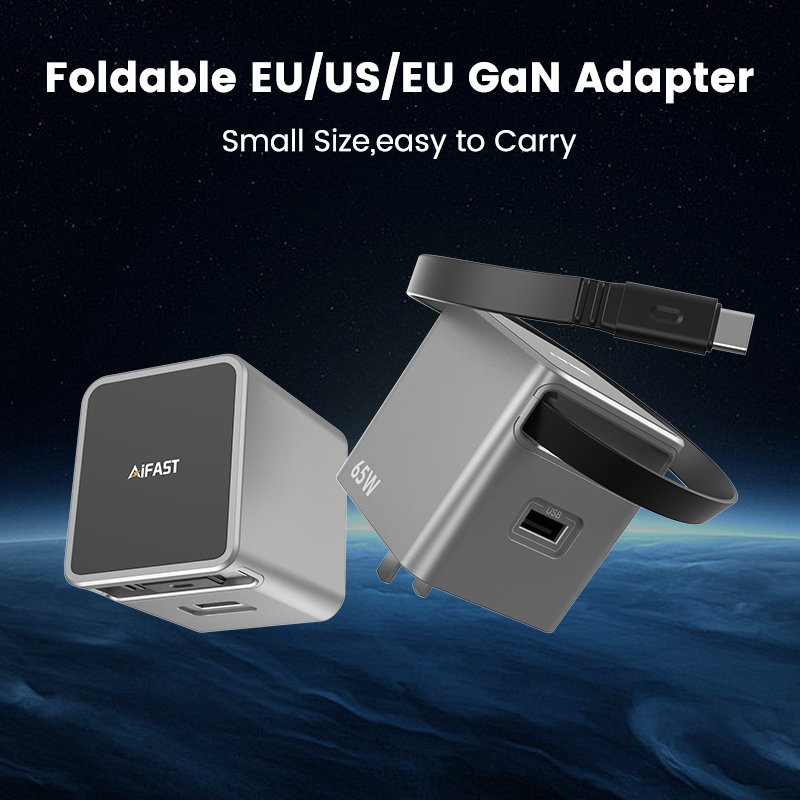
In B2B trade, misleading specifications often lead to high return rates. While QC 3.0 is widely adopted in the Android ecosystem, its handshake logic differs fundamentally from Apple’s proprietary fast-charging requirements.
The “False Prosperity” of Protocol Handshake
QC 3.0 mainly achieves variable-voltage charging by adjusting D+/D- voltages, whereas Apple devices rely on the CC pin in Type-C interfaces for PD protocol communication.
When buyers use a pure QC 3.0 charger with an iPhone, the protocol cannot successfully “handshake,” and the system automatically downgrades to a safe 5V/2.4A mode.
Charging Speed Comparison
Based on AOVOLT Laboratory 2026 tests, under an ambient temperature of 25°C, charging efficiency for the iPhone 15 Pro is as follows:
Table 1: QC 3.0 vs USB-PD (AOVOLT Solution) Performance Comparison
| Performance Metric | Pure QC 3.0 (Traditional) | USB-PD / PPS (AOVOLT) | Impact on Industry / Purchasing Decisions |
|---|---|---|---|
| Maximum Output Power | 12W–18W (only 12W for iPhone) | 20W / 30W / 45W dynamic allocation | Over 150% charging efficiency improvement |
| 0–50% Charge Time | ~55–65 minutes | ~25–30 minutes | Solves the “rapid top-up” pain point for end users |
| Handshake Protocol | Qualcomm QC 3.0 | PD 3.0 / PPS / Apple 2.4A | 100% compatibility with mainstream devices |
| Thermal Loss | High (conversion ~82%) | Very low (self-developed chip >92%) | Extends battery life, reduces after-sales complaints |
B2B Pitfall Avoidance Guide
-
Watch out for false labeling: Products claiming “QC 3.0 USB-A output 20W for iPhone” often lack compliance certification and risk damaging the motherboard.
-
Prioritize multi-protocol support: Ideal products should support QC 3.0 + PD 3.0 dual-mode output. AOVOLT desktop chargers and wall chargers feature smart ICs that automatically detect device logic to ensure the optimal charging solution regardless of which port the user plugs into.
“Factory-Speed” Engineering Logic: How AOVOLT Redefines Smart Fast Charging
In 2026, merely being “fast” is no longer enough in the power bank and fast-charging industry. “Low-temperature fast charging” is AOVOLT’s core competitive advantage globally.
R&D Genes from Leading Brands
AOVOLT’s PCBA designs are far from generic. Our engineers borrowed low-voltage, high-current temperature control logic from OPPO and Vivo, integrating Dynamic Load Balancing (DLB) into self-developed chips. This technology monitors Apple device terminal voltage in real-time, accurately matching charging curves and avoiding overheating during trickle charging.
Core Technology Highlights: Beyond “No Overheating”
-
Self-developed smart IC switching: Unlike low-cost chips on the market, AOVOLT PCBA features fine-grained voltage steps (PPS) with 20mV increments, ensuring smooth current output and protecting expensive iPhone lithium batteries.
-
Synchronous Rectification: Significantly reduces heat generation during charging. Tests show that a 35W dual-port AOVOLT charger running at full load for 2 hours is 6–8°C cooler than similar competitors.
-
High-integration GaN (Gallium Nitride) application: AOVOLT 2026 products fully adopt third-generation GaN chips, reducing size and increasing switching frequency, making them top differentiated choices for sellers on Amazon and Lazada.
Digitized, Transparent Quality Control
As an ISO9001-certified factory, AOVOLT implements a fully traceable manufacturing system:
-
100% Burn-in Testing: Every batch undergoes 4-hour full-load burn-in before shipping.
-
Full-protocol Scan Verification: Every inductor and capacitor meets CE/RoHS/FCC standards, eliminating compliance risks for cross-border sellers.
Solving “Heat Anxiety”: How AOVOLT Tackles Temperature Control with Materials & Circuit Design

Temperature control is a key differentiator for B2B suppliers in the 2026 fast-charging market. For end users, overheating chargers accelerate battery aging and pose safety risks. For wholesalers, heat-induced mass returns are a profit sink.
Why Traditional QC 3.0 Chargers Overheat on iPhones
Single-protocol QC 3.0 chargers lack precise step-down voltage control, forcing Apple devices to dissipate excess energy as heat. AOVOLT lab studies show that every 1% drop in conversion efficiency exponentially increases heat under high-power operation. We provide you with wholesale low temperature fast charging mobile power supply for iPhone.
AOVOLT’s Core “Low-Temperature, No Heat” Approach
Systematic innovation in circuit architecture and packaging materials ensures barely-warm operation under high load:
-
High thermal conductivity potting: Key PCBA components are encased with silicone (3.5 W/m·K), quickly transferring heat to the enclosure.
-
Intelligent frequency modulation (PFM/PWM switch): High-voltage stages below 50% battery use PWM mode for efficiency; near full charge, the system switches to PFM mode to reduce switching losses.
-
Smart NTC real-time monitoring: Each charger includes at least two NTC thermistors, sampling temperature 20 times per second. When abnormal heat is detected, IC triggers flexible current reduction without interrupting charging.
Extreme Environment Test Data
Table 2: Temperature Stability Comparison Under 35°C Continuous 1-Hour Operation
| Monitoring Point | Generic QC 3.0 Plastic Charger | AOVOLT GaN + Heat-Dissipation Packaging | Stability Advantage |
|---|---|---|---|
| Transformer Core Temp | 92°C–98°C | 68°C–74°C | 25% reduction in core thermal stress |
| Max Case Temp | 58°C (hot to touch) | 42°C (warm feel) | Improved end-user experience |
| Output Current Fluctuation | ±5.2% | ±0.8% | High stability, protects battery |
Compliance Risk Mitigation: Patented Design & Global Certification
For cross-border e-commerce sellers (Amazon, Walmart, Shopee) and large distributors, legal compliance is non-negotiable. In 2026, platforms have intensified enforcement against appearance infringements and unlicensed accessories.
Avoid Homogeneity: Patented Design as “Ban Protection”
AOVOLT develops proprietary PCBA and owns a dedicated industrial design (ID) team:
-
Original industrial design: All chargers, desktop chargers, and power banks have global appearance patents, preventing price wars and platform suspension risks.
-
B2B customization: ODM clients can leverage secondary design on mature architectures for brand recognition on shelves.
Global Passports: Rigorous Certification Matrix
AOVOLT is ISO9001-certified, and all products have prepared or obtained the following certifications:
Table 3: AOVOLT Global Market Compliance Certifications
| Target Market | Core Certification Requirement | AOVOLT Compliance | Value to Buyers |
|---|---|---|---|
| North America (US/Canada) | FCC, ETL/UL Report | Full coverage | Meets major retail procurement standards |
| Europe (EU) | CE, RoHS, ErP (Level 6) | Full compliance | Avoids customs hold & environmental fines |
| Battery-Specific | UN38.3, MSDS, IEC62133 | Full inspection for power banks | Ensures smooth sea & air shipping |
| Comprehensive QC | High/low temp cycling, salt spray | 100% lab-controlled | Reduces after-sales returns from long shipping |
Why Choose AOVOLT as Your Smart Fast Charging Partner?
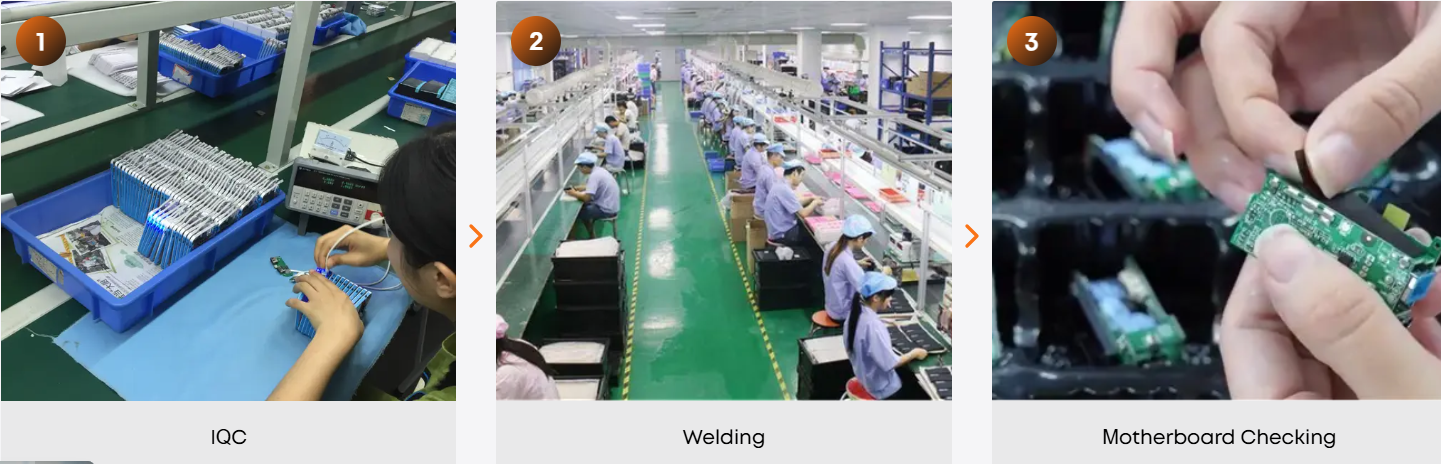
With 15 years in mobile power and fast charging, AOVOLT knows B2B clients need more than a supplier—they need a technology foundation capable of mitigating risk.
Vertically Integrated Supply Chain Advantage
From chip definition → PCBA R&D → mold manufacturing → automated assembly, vertical integration ensures:
-
Cost Control: Fewer intermediaries, leaving profit margins for distributors.
-
Stable Delivery: Strong component inventory ensures reliable shipping even during raw material fluctuations.
Frontline Brand R&D Experience
Core engineers formerly at top domestic smartphone brands bring factory-level testing standards to third-party accessories. Each Apple-optimized solution undergoes tens of thousands of plug-in cycles and multi-device protocol handshake tests.
Conclusion: Make Smart Investments in 2026 Fast-Charging Supply
For B2B procurement, chasing cheap QC 3.0-only products is no longer aligned with market trends. Products that support Apple PD + Android fast charging, offer superior thermal control, and are patent-protected are true high-liquidity assets.
AOVOLT embodies “factory speed, low-temperature safety, original design”, helping global wholesalers and brands build lasting competitive advantages.
Ready to upgrade your product line?
If you are seeking an OEM/ODM partner for reliable fast charging for Apple and all-protocol smart devices, contact an AOVOLT technical consultant today. Services include:
-
Latest GaN fast-charging product samples
-
Market-specific compliance consultation
-
Custom PCBA solution proposals
References: