
In 2026, high-performance power delivery exceeding 100W is no longer a niche reserved for tech enthusiasts. It has become standard for AI laptops, high-end gaming devices, and large-capacity portable power stations. With the widespread adoption of the USB PD 3.1 protocol (Extended Power Range, EPR), the charger industry is shifting from merely pursuing higher wattage to optimizing efficiency, thermal management, and reliability.
For B2B buyers, cross-border e-commerce sellers, and brand distributors, understanding the technical gap between PD 3.1 and PD 3.0 directly impacts SKU lifecycle, market positioning, and pricing power. Based on the practical experience of AOVOLT (ESC Technology)’s core R&D team—originating from leading smartphone brands like Xiaomi, OPPO, and Vivo—we have found that PD 3.1’s core advantage is not simply the extra 140W, but the stability and conversion efficiency of the power management PCBA under extreme conditions.
Technical Leap: Deep Dive into PD 3.1 and EPR Evolution

The introduction of the PD 3.1 protocol marks USB-C’s official entry into the “full-scenario power supply” era. Unlike PD 3.0 (SPR, Standard Power Range), which caps at 100W, PD 3.1’s EPR extension raises the voltage ceiling from 20V to 48V, enabling higher-power applications.
From 100W to 240W: More Than Just Numbers
In the PD 3.0 era, 100W was the physical limit, constrained by a maximum of 5A current and 20V voltage. Laboratory tests by AOVOLT show that under the PD 3.1 architecture, new power tiers—28V/5A (140W), 36V/5A (180W), and 48V/5A (240W)—allow chargers to power heavier devices without additional cable heating.
Adjustable Voltage Supply (AVS): The Key to “Low Heat, High Speed”
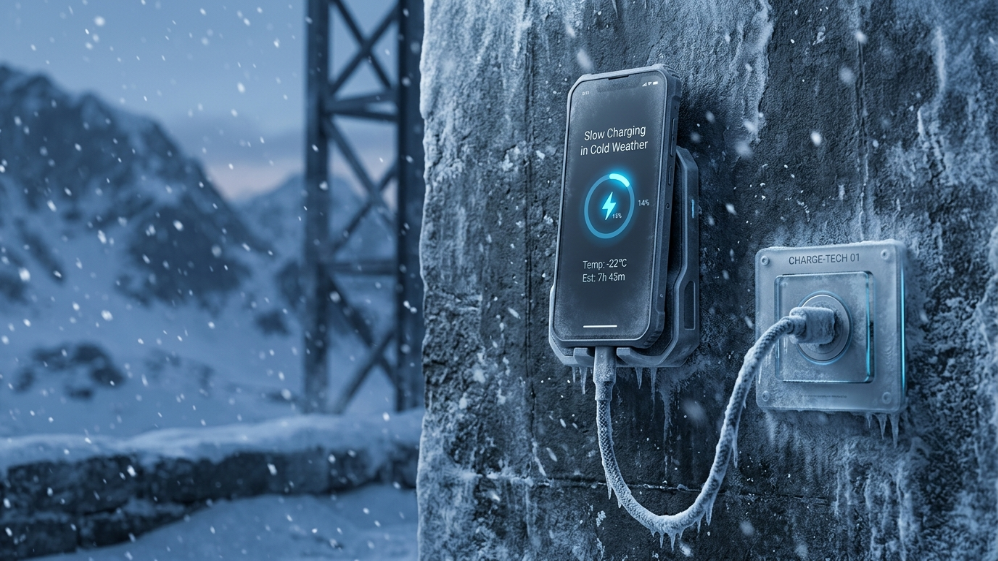
PD 3.1 introduces AVS, which differs from PD 3.0’s stepped voltage adjustments. AVS allows receiving devices to request voltages between 15V and 48V in 100mV increments, significantly reducing energy loss in step-down circuits. This is the technical foundation enabling AOVOLT chargers to deliver original-speed charging at low temperatures.
Technical Comparison Table: PD 3.0 vs. PD 3.1
| Technical Aspect | USB PD 3.0 (SPR) | USB PD 3.1 (EPR) | Commercial Impact |
|---|---|---|---|
| Max Power | 100W | 240W | Covers devices from smartphones to high-performance AI laptops |
| Voltage Range | 5V / 9V / 12V / 15V / 20V | Adds 28V / 36V / 48V | Supports higher voltage, reducing cable heat |
| Fine Adjustment | PPS (below 20V) | AVS (15V–48V dynamic) | Improves efficiency and extends battery life |
| Hardware Requirements | Standard 5A E-Marker cables | EPR-specific 240W cables required | Adds upsell and increases AOV |
| Main Applications | Smartphones, ultrabooks | Gaming laptops, workstations, e-bikes, high-capacity power banks | Establishes high-end product differentiation |
Commercial Decision-Making: PD 3.1 vs. PD 3.0 Selection Logic

In B2B bulk procurement, choosing a protocol is not “the higher the better.” It depends on end-user needs and cost efficiency.
Compatibility and Backward Integration: Avoid Obsolete SKUs
Industry research (2025–2026) shows that over 85% of new high-performance laptops natively support PD 3.1. While PD 3.1 chargers are backward compatible with PD 3.0 devices, continuing to stock primarily 100W PD 3.0 chargers for mid-to-high-end office or gaming markets risks serious inventory obsolescence in H2 2026.
Cable Bundling: Upsell Opportunities vs. Technical Pitfalls
PD 3.1 requires EPR-specific cables with built-in E-Marker chips. Without matching certified cables, users cannot achieve rated power, resulting in complaints. AOVOLT provides OEM/ODM solutions with bundled EPR cables to ensure consistent end-user experience.
Cost Analysis: Is PD 3.1 Premium Justified?
PD 3.1 controllers and high-voltage GaN power devices are now cost-stable. Supply chain models show BOM costs are 15–25% higher than PD 3.0, while retail markups often exceed 40%. For cross-border e-commerce sellers seeking differentiation, PD 3.1 offers a pathway to escape commoditized price wars and build premium brand recognition.
Engineering Challenges: Achieving “Original-Speed” Without Overheating
At 140–240W PD 3.1, thermal management is no longer optional. Many market chargers labeled 140W throttle severely after 20 minutes of continuous load due to thermal protection. 140W PD 3.1 Desktop Charger Buying Guide: Technology, Compliance, and Suppliers.
In-House PCBA Architecture: Solving Efficiency at the Core
AOVOLT leverages 15+ years of fast-charge protocol R&D from leading smartphone brands. Charger heat is fundamentally energy conversion loss. Our team uses QR + SR (quasi-resonant + synchronous rectification) topology and third-generation GaN devices to:
-
Increase switching frequency by 3×, reduce volume by 40%, and cut energy loss by 18%
-
Advanced thermal management with high-thermal epoxy and nano heatsinks keeps the outer shell below safety thresholds
“Original-Speed” Logic: Beyond Handshaking
Many PD 3.1 chargers fail to match OEM curves due to poor ripple control or protocol adaptation. AOVOLT’s 140W charger charges a MacBook Pro 16-inch to 50% in 30 minutes with a 98.5% curve fidelity to the original adapter.
AOVOLT vs. Generic Public Models
| Performance Metric | AOVOLT (In-House) | Generic Public Model | Commercial Implication |
|---|---|---|---|
| Conversion Efficiency | ≥92.5% | 85–88% | Low efficiency generates excess heat |
| Full-load Shell Temp | ≤65°C (25°C ambient) | ≥78°C (possible odor) | Affects brand reputation and safety ratings |
| Ripple Voltage (Vp-p) | <100mV | 250–300mV | High ripple shortens battery lifespan |
| Protocol Compatibility | Deep PD 3.1, PPS, QC 5.0 | Basic PD only | May prevent fast charging on high-end devices |
Procurement Strategy: Patented Designs and Differentiation as Defenses
In 2026, homogeneous public models on Amazon, TikTok Shop, and regional e-commerce platforms face fierce price competition and compliance risk.
Avoid Patent Risks
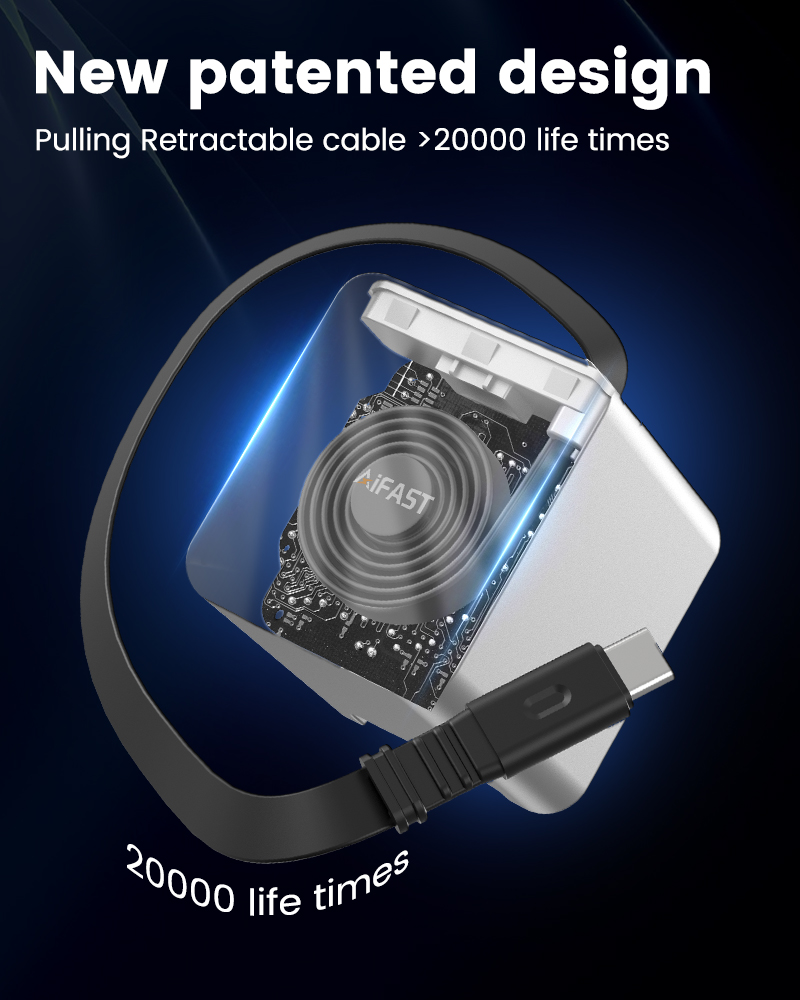
Many small factories copy PD 3.0/3.1 charger designs. Any infringement complaint can render inventory unsellable. AOVOLT products feature independent patented designs, enabling global compliant marketing.
Differentiation as Brand Negotiation Power
For high-end gifts or custom brands:
-
Precision Molding: V0 fireproof PC, micro-level molds, seam control <0.05mm
-
Private Mold Customization: Visual ID customization for bulk clients ensures shelf differentiation
Global Compliance Certification: Entry Requirements
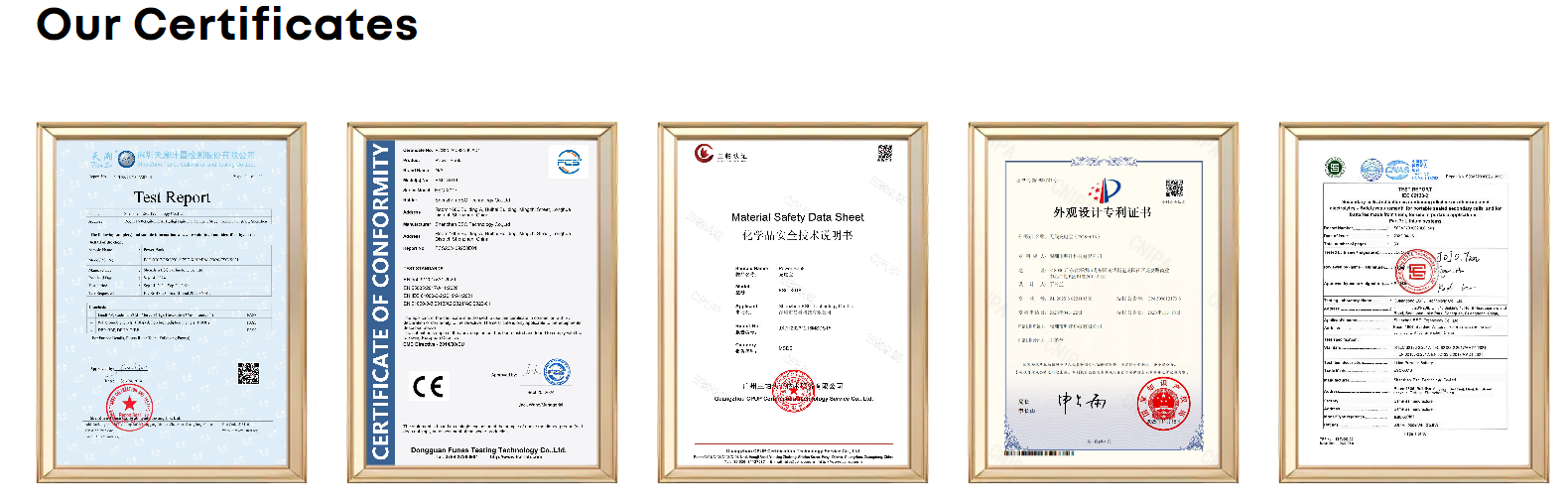
CE alone is insufficient for premium distribution. AOVOLT products adhere to:
-
Safety: IEC 62368-1
-
EMC: FCC Part 15 / EN 55032
-
Efficiency: DOE Level VI / CoC Tier 2
-
Battery Compliance: IEC 62133 / UN38.3 / MSDS
Why AOVOLT (ESC Technology) Is Your Ideal PD 3.1 Partner
A vertically integrated manufacturer, AOVOLT provides products and certainty:
-
R&D Expertise: Engineers from top global smartphone brands
-
ISO9001 Quality Control: 4-hour high-temp aging, 1000 plug/unplug cycles, 10,000V dielectric test
-
B2B Support: High-quality renders, technical whitepapers, and spec sheets for fast e-commerce listing
Frequently Asked Questions (FAQ)
Q1: Can a PD 3.1 charger power a PD 3.0 laptop not supporting 140W?
Yes. PD 3.1 is fully backward compatible. Protocol chips handshake and select optimal voltage automatically, even for low-watt devices like an 18W iPhone.
Q2: Why are some 140W chargers still large?
Size depends on component power density. AOVOLT uses high-frequency GaN and compact planar transformers to reduce 140W chargers to ~70% of a traditional 96W adapter.
Q3: Can all USB-C cables handle full 240W PD 3.1?
No. Only EPR 240W-certified cables with upgraded E-Marker chips can safely transmit 48V/5A.
Q4: How does AOVOLT’s low-heat tech benefit battery life?
Better thermal management means stable output, less heat, and reduced internal device temperature, extending battery chemistry lifespan.
Conclusion: 2026 as the EPR Protocol Decisive Year
With the explosive growth of high-performance devices, USB PD 3.1 has shifted from high-end supplement to core inventory. Partnering with a manufacturer that offers R&D depth, strict quality control, and patented designs is key to mitigating risk and enhancing brand value.
For original-speed, extreme thermal control, and compliant PD 3.1 fast-charging or high-capacity power solutions, contact AOVOLT (ESC Technology) for the latest technical whitepapers and sample quotes.
References: