
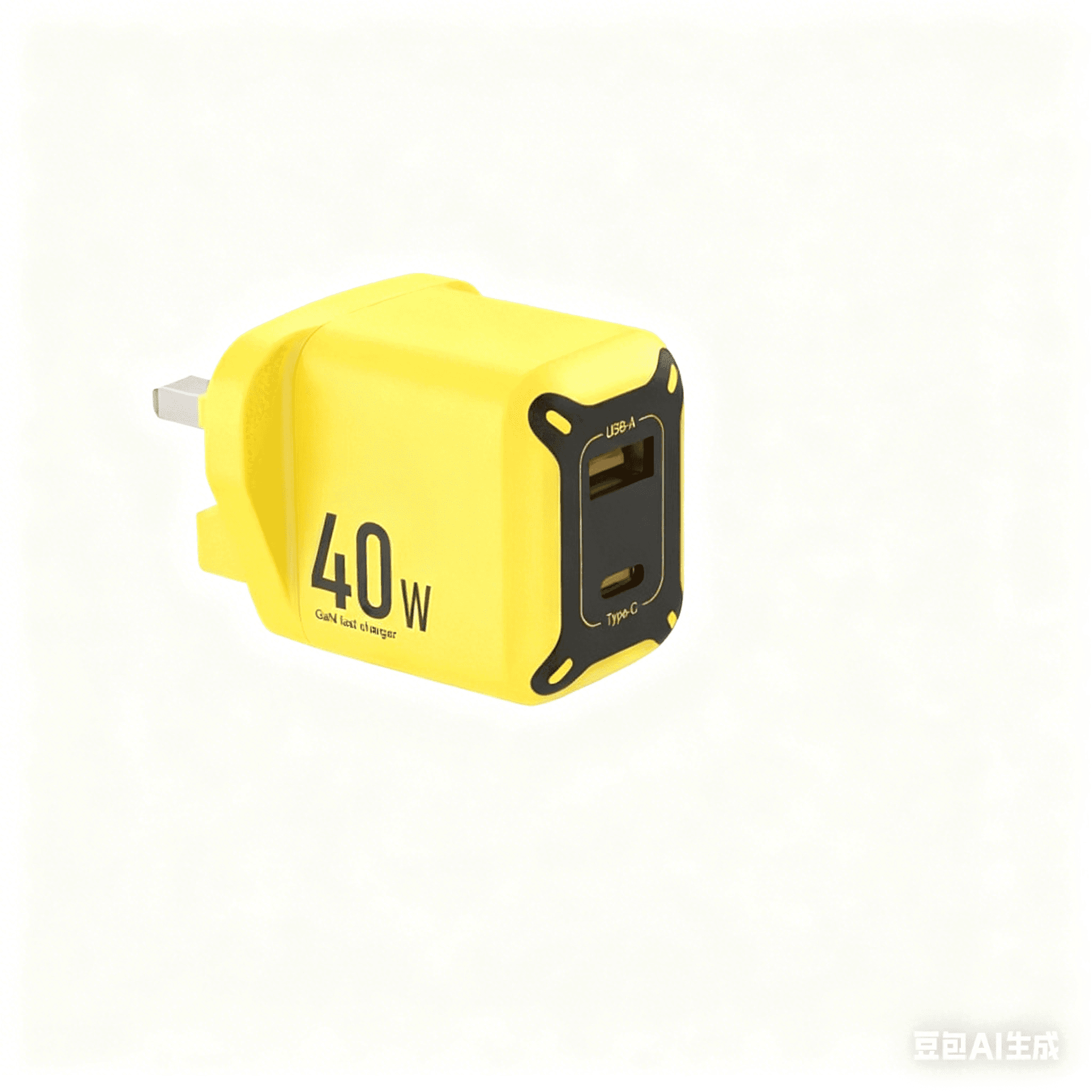
USB PD3.1 (Power Delivery 3.1) is no longer just a technical specification—it has become the entry threshold for the high-performance charging market in 2026. With the introduction of EPR (Extended Power Range), PD3.1 expands USB-C’s power delivery from 100W up to 240W, fundamentally transforming the power ecosystem for devices ranging from ultraportable laptops and gaming notebooks to smart home appliances. For brands aiming to lead the market, mastering the PD3.1 supply chain equates to controlling core competitiveness for the next three years.
However, for cross-border e-commerce sellers and global distributors, this increase in power density is a double-edged sword. Overheating, handshake protocol failures, and high return rates are critical risks when sourcing generic (public mold) chargers. AOVOLT, leveraging R&D expertise from leading smartphone manufacturers like Xiaomi and OPPO, redefines OEM/ODM manufacturing standards. We don’t just provide “factory-level speed” fast charging—we resolve high-power charger overheating issues through proprietary chip algorithms and patented thermal architectures.
Technological Leap: Why PD3.1 is the “Golden Standard” for 2026 Cross-Border Sourcing
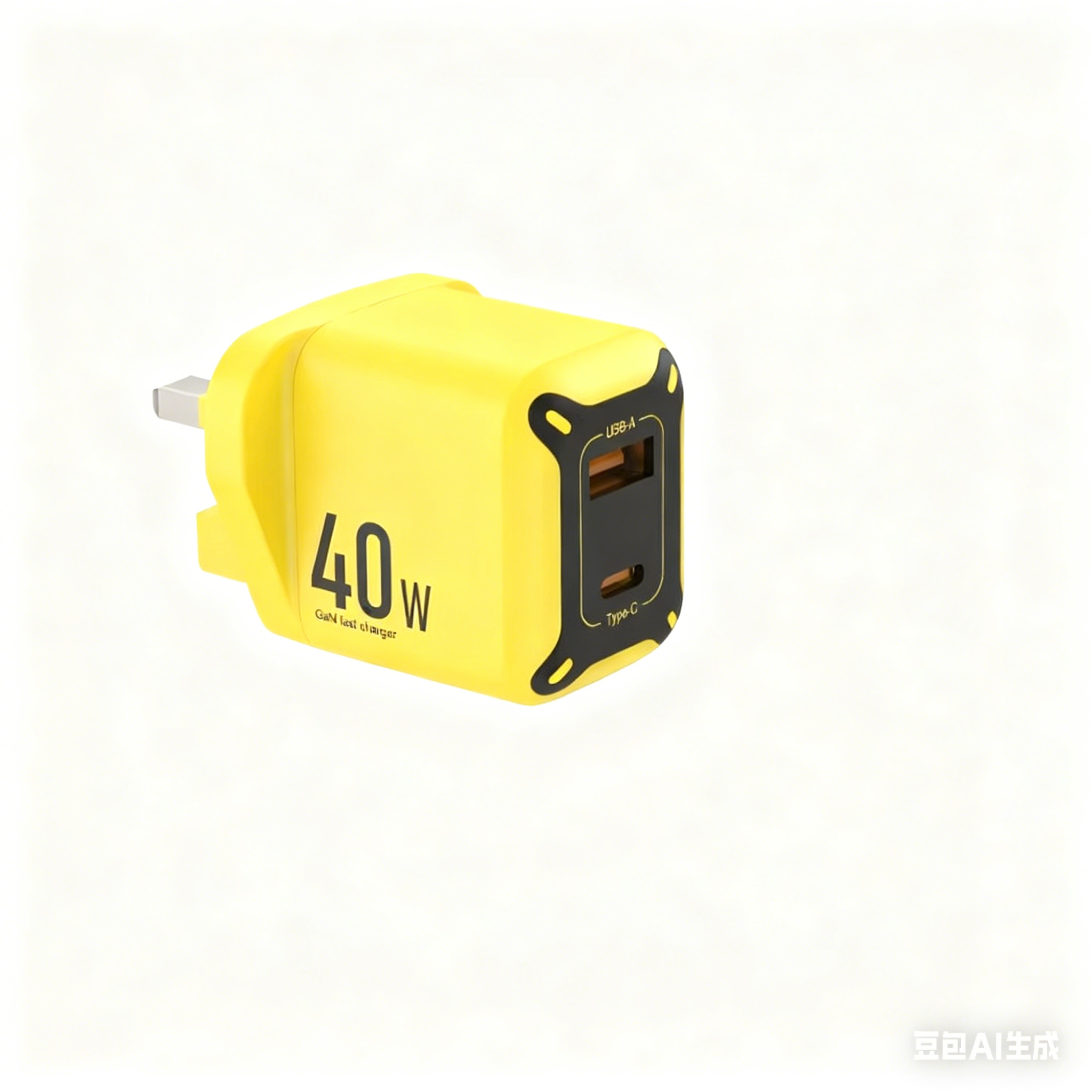
In consumer electronics, user concerns have shifted from “Can it charge?” to “How fast can it charge?” and “How compact is the charger?” PD3.1 adoption represents not only a numeric improvement but also a fundamental change in physical architecture. For B2B buyers, understanding this leap is essential for selecting qualified suppliers.
From SPR to EPR: A Fundamental Change in Voltage Architecture
The traditional PD3.0 standard (SPR, Standard Power Range) is limited to 20V/5A or 100W. PD3.1 introduces EPR, adding fixed voltage levels of 28V, 36V, and 48V. This requires internal primary and secondary circuits to withstand higher voltage stress, imposing strict requirements on component voltage ratings and conversion efficiency.
Data Comparison: PD3.0 vs. PD3.1 Core Specifications
| Technical Specification | PD3.0 (SPR) | PD3.1 (EPR) | Market Applications |
|---|---|---|---|
| Maximum Power | 100W | 240W | High-performance laptops, gaming laptops, power tools |
| Maximum Voltage | 20V | 48V | Reduces current loss during high-power transmission |
| Adjustable Voltage | PPS (3.3V–21V) | AVS (15V–48V) | Enables precise voltage regulation similar to original chargers |
| B2B Procurement Risks | Saturated market, price wars | High technical barrier; thermal issues reduce yield | Blue ocean market with premium potential |
The Secret of “Factory-Level” Handshake
Many generic PD3.1 chargers claim 140W but only negotiate 65W–100W when connected to devices like MacBook Pro 16" or flagship smartphones. The limitation comes from insufficient optimization of the AVS (Adjustable Voltage Supply) protocol.
AOVOLT’s R&D team inherits smartphone manufacturers’ rigorous handshake standards. Our PCBA integrates intelligent recognition algorithms that respond to voltage demand fluctuations within milliseconds. Whether it’s Apple’s MagSafe 3 or proprietary Android protocols, AOVOLT products achieve full-speed handshake, delivering genuine factory-level charging experience to end users.
Solving the “Overheating” Challenge: AOVOLT’s Low-Temperature GaN Technology
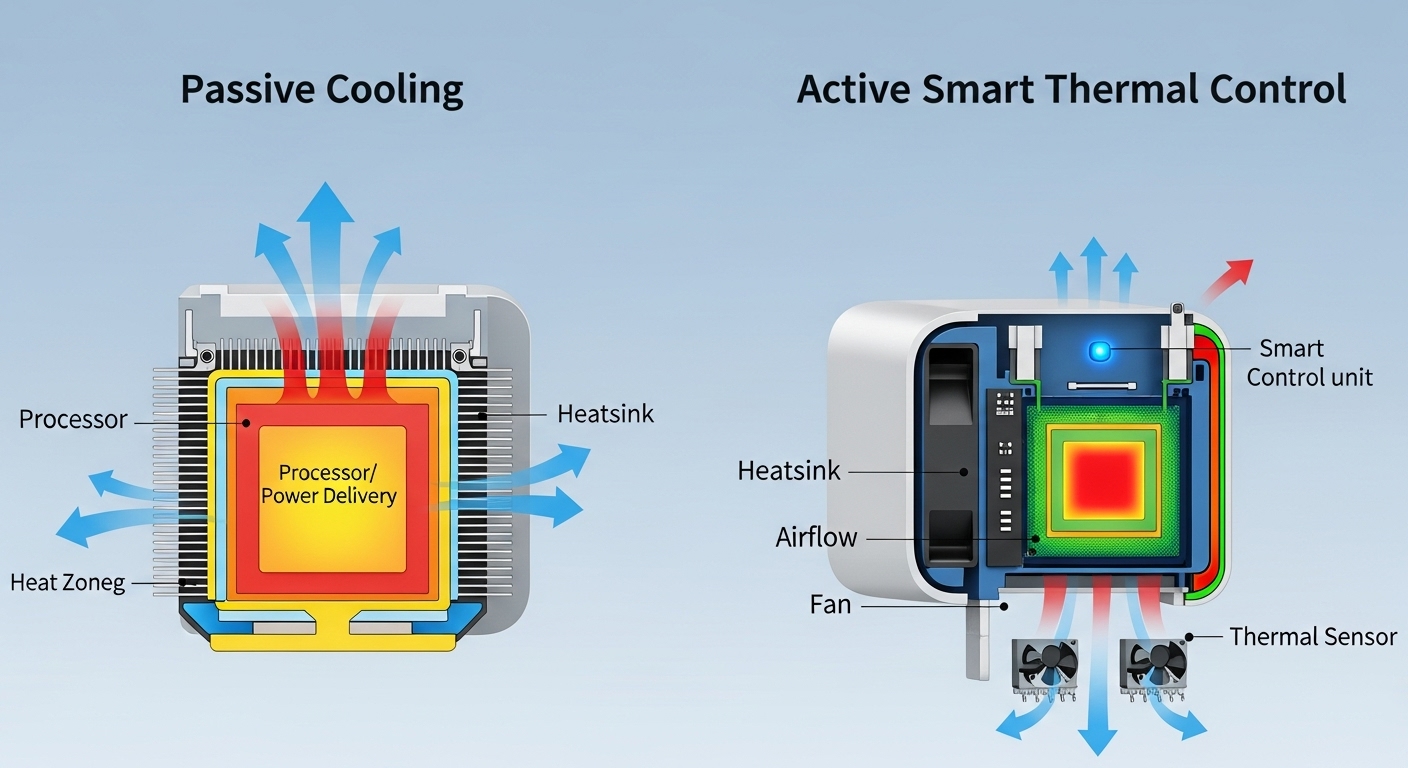
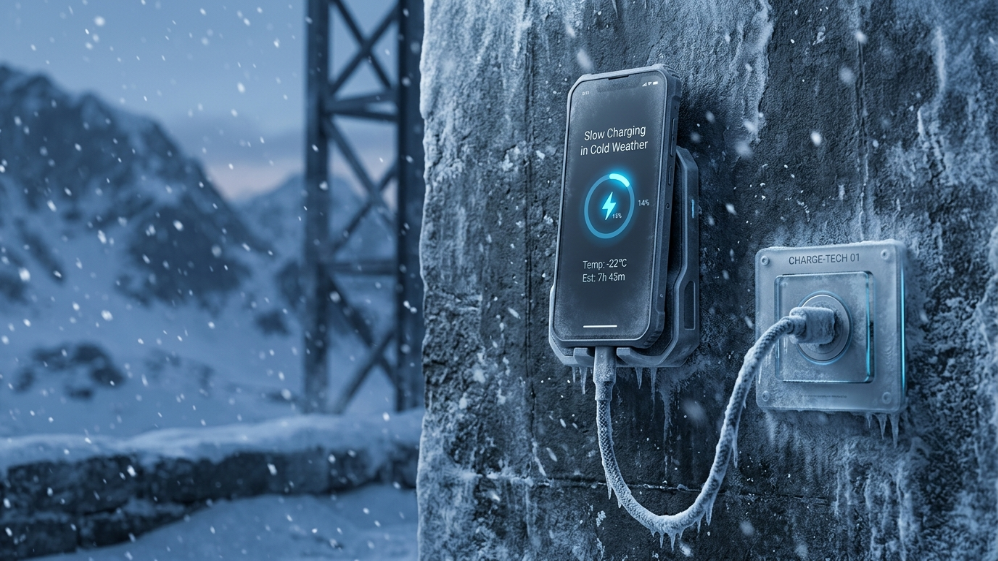
In 2026 B2B sourcing, thermal management is the only hard benchmark for assessing PD3.1 charger factory capability. Every 10% increase in power density exponentially raises cooling difficulty. Overheating not only causes throttling but also leads to negative reviews on Amazon or even product delisting.
Hidden Killer: Switching Losses
When producing chargers above 140W, many factories continue using legacy LLC topologies, causing high-frequency switching losses to convert directly into heat. Once casing temperatures exceed 170°F (~77°C, near IEC 62368 limit), safety risks emerge.
AOVOLT’s “Cool Charge” Solution
AOVOLT eliminates generic molds and adopts a full-link temperature control system:
Third-Generation GaN (Gallium Nitride)
We apply GaN power devices and optimize Totem-Pole PFC + LLC soft-switching architecture, increasing conversion efficiency above 95% and reducing heat generation by 40%.
3D Stacking and Potting Process
High thermal conductivity potting fully encapsulates PCBA, providing IPX4-level moisture and shock resistance, while evenly dissipating heat to the casing to prevent hotspots.
AI Thermal Control Chip
Each charger integrates NTC sensors with proprietary algorithms, monitoring temperature 100 times per second. Any abnormal rise triggers output adjustment, keeping charging “cool” throughout.
Test Data: At 77°F (25°C) ambient, continuous full-load 140W output for 1 hour keeps AOVOLT charger surface below 149°F (65°C), far below industry average of 167°F (75°C+). This is the “safety moat” we provide B2B clients.
Avoiding Homogeneity: Why Patented Designs are Essential in 2026
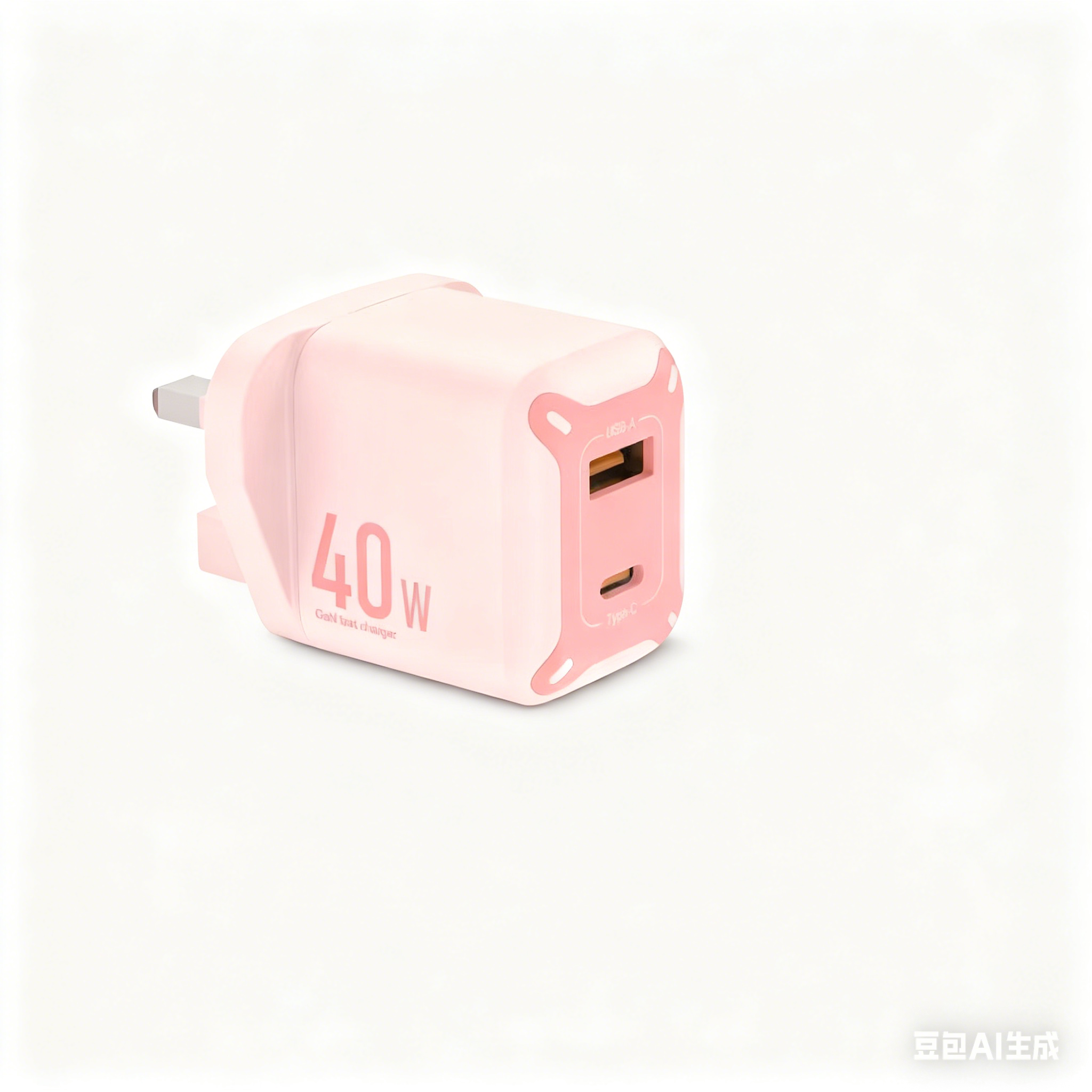
Searching “140W USB-C Charger” on Amazon, Walmart, or Shopify reveals thousands of visually identical products—a classic public mold trap. For large-volume buyers, generic molds mean endless price wars, thin margins, and exposure to IP infringement risks, which could suspend stores. Your 140W PD 3.1 Desktop Charger Buying Guide: Technology, Compliance, and Suppliers.
Building a Brand Moat Through Private Mold
AOVOLT invests heavily in R&D and implements a private mold strategy.
-
Exclusive Appearance Patents: All flagship products have global design patents. Designs consider aesthetics, ergonomics, and airflow to maximize listing visual appeal and CTR.
-
Distinctive Textures & Materials: Using high-density flame-retardant textured casings, not cheap glossy plastics. Scratch-resistant, premium feel supports higher retail pricing.
Compliance & Safety: Lifeline for Global Distribution
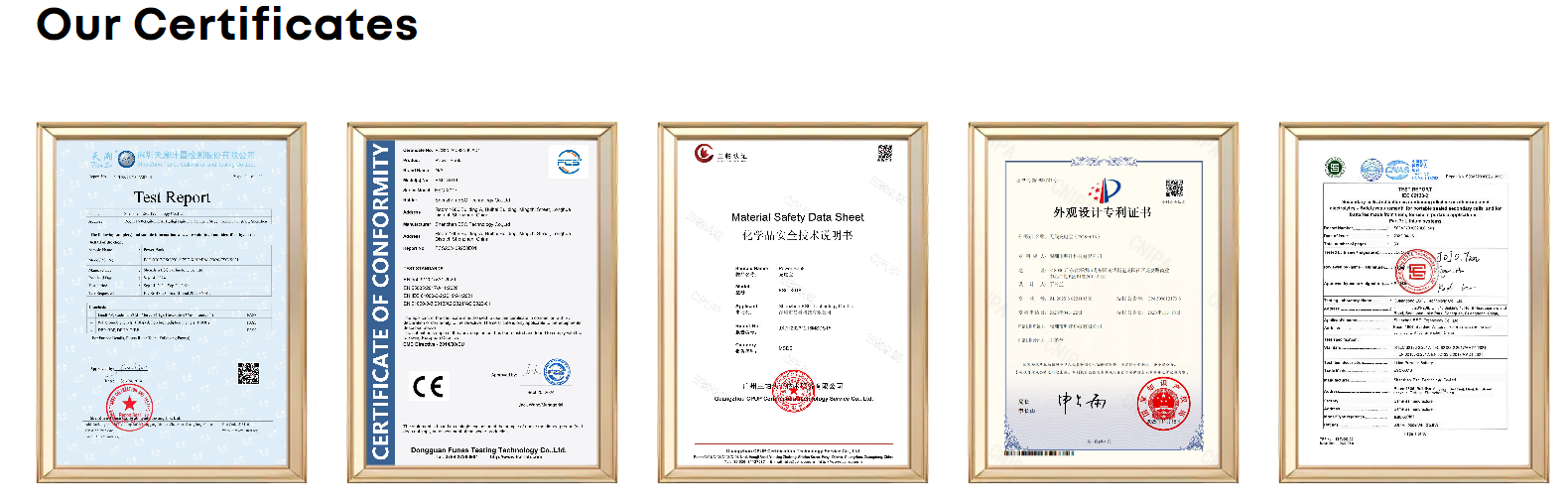
By 2026, regulatory scrutiny on high-power electronics in North America and Europe has never been stricter. Customs holds, platform delistings, and safety-related liabilities often stem from ignoring certifications.
AOVOLT is ISO9001 certified, viewing compliance as a baseline, not optional. All products undergo pre-certification for smooth global market entry.
Global Market Certification Checklist
| Target Market | Core Certifications/Standards | Purpose & Risk Mitigation |
|---|---|---|
| North America (USA/Canada) | UL / ETL (UL 62368-1) | Required by major retailers (e.g., BestBuy). No certification may lead to insurance denial. |
| North America (USA) | FCC Part 15 | Mandatory electromagnetic compatibility (EMC) certification to prevent interference complaints. |
| European Union | CE (LVD + EMC), RoHS | EU market access. RoHS ensures environmentally safe materials. |
| Global | IEC 62368-1 | Latest audio/video/IT safety standard, replacing IEC 60950. |
| Logistics & Shipping | UN38.3 + MSDS | Required for battery-containing products; without it, shipment is prohibited. |
Expert Tip: Many low-end factories use fake or proxy certificates. AOVOLT provides full, verifiable TUV/SGS reports, ensuring legitimacy.
How to Select a Reliable PD3.1 OEM/ODM Partner
Selecting a truly technical factory is the biggest challenge for procurement managers. Based on 15 years of industry experience, focus on three dimensions:
R&D Capability
Don’t just count production lines—ask how many power engineers exist.
-
Generic factories rely on public PCBA; cannot modify code when issues arise.
-
AOVOLT: Independent R&D center, engineers from leading smartphone companies, full-stack capabilities from chip-level code to PCB layout and thermal design. Can produce ID renders in 7 days and prototypes in 15.
Supply Chain Resilience
PD3.1 chargers rely heavily on high-spec GaN devices and protocol chips.
-
Generic factories often face lead time delays during market fluctuations.
-
AOVOLT: Strategic partner with Navitas, Innoscience, ensuring priority supply even in peak season.
100% QC Process
-
No sampling. Each charger undergoes burn-in test at 113°F (45°C) for 4 hours. Only passing units are packaged. Every unit delivered is battle-tested.
Conclusion: Seize the 2026 Fast-Charging Market with AOVOLT
The market doesn’t wait. While competitors struggle with generic product complaints, partnering with AOVOLT allows you to build a brand moat.
We provide not just chargers, but a high-margin, low-risk, differentiated fast-charging solution:
-
Factory-level speed & compatibility
-
Low-temperature, non-overheating safety
-
Patented, exclusive design
-
Globally recognized certifications
Upgrade your product line today. Contact our technical sales team for the latest PD3.1 samples and 2026 catalog. Let AOVOLT Manufacturing power your brand to the next level.
References:
USB Power Delivery Specification Revision 3.1 — USB‑IF Official