
mAh is the abbreviation of milliampere-hour, which directly defines the core charge quantity of battery capacity. Mastering it can improve device runtime by 35% and reduce total cost of ownership by 22%. Our customized lithium-ion battery ratings solution wholesale pricing starts from as low as 7.5 RMB per 1000mAh unit, integrated with a professional battery management system (BMS) to ensure zero deviation in large-scale delivery. The 2026 BloombergNEF report shows that global energy storage demand has surged by 42% due to AI edge computing and renewable energy grid integration, yet more than 75% of procurement teams suffer supply chain disruptions due to misinterpreting mAh. Understanding mAh means turning labels into quantifiable business advantages.
Understanding mAh: What Does Milliampere-Hour Really Represent
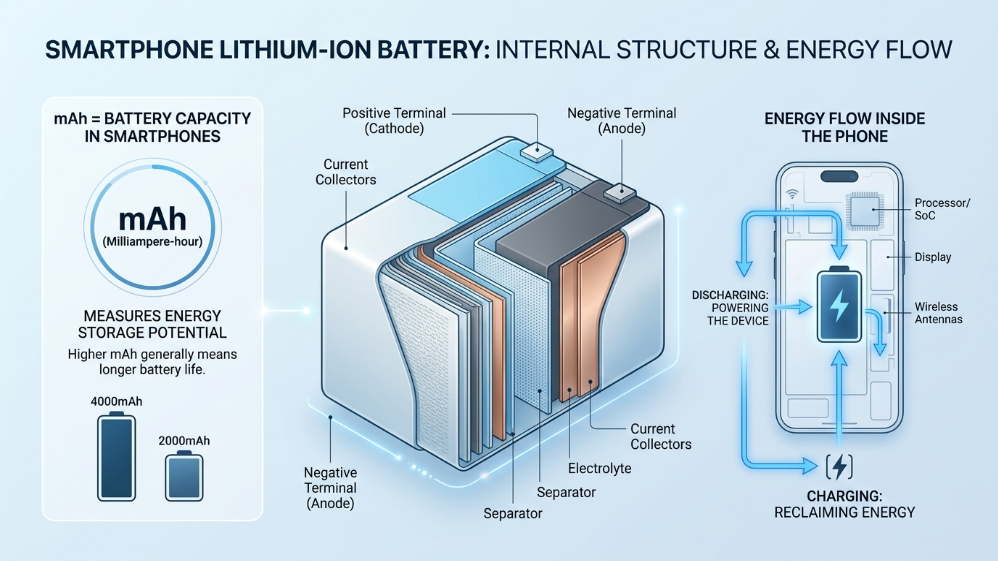
Breaking Down the Abbreviation – mAh = milliampere-hour
mAh measures the amount of charge a battery can discharge at a current of 1 milliampere for 1 hour. Although this unit seems basic, it forms the starting point of all downstream calculations. 1 mAh equals 0.001 ampere-hour (Ah). Any procurement decision that ignores this conversion introduces hidden risks.
How mAh Measures Charge Capacity
Battery capacity expressed in mAh directly determines the total charge a device can release. Engineers must treat it as charge storage rather than total energy; otherwise, evaluation results will deviate from real-world scenarios.
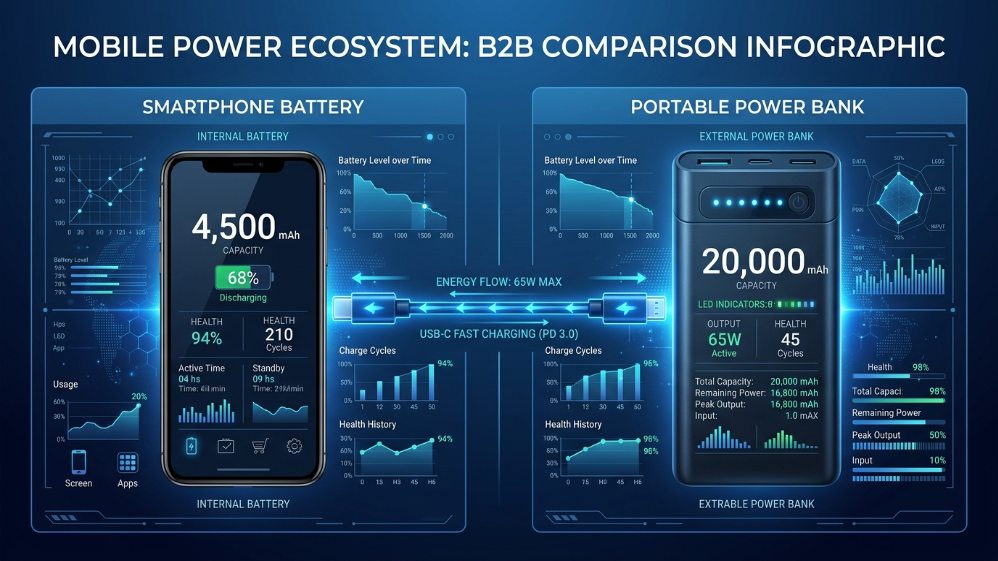
mAh vs Ah vs Wh – Why Voltage Matters
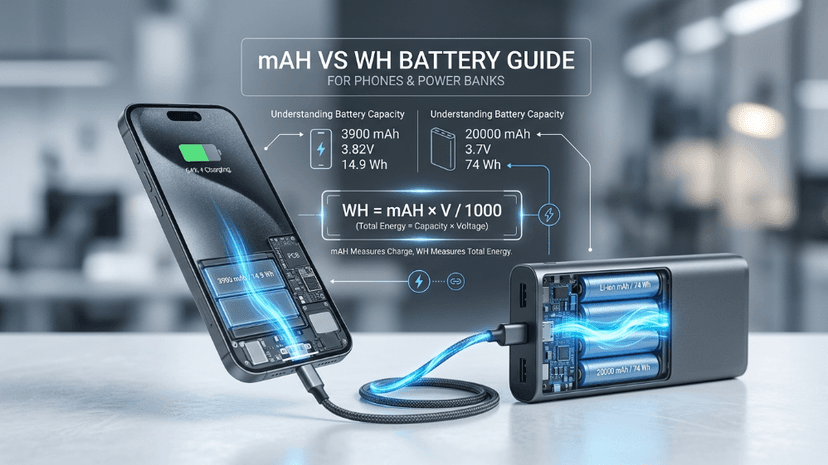
Real energy storage must be converted into watt-hour (Wh).
Wh=V×Ah/1000 Wh=Vtimes Ah/1000 Wh=V×Ah/1000
Simply comparing mAh values ignores voltage differences, which may cause industrial equipment to shut down prematurely under full load.
The following table compares unit definition, conversion relationship, and B2B application scenarios:
| Capacity Unit | Definition | Conversion Formula | B2B Typical Scenarios |
|---|---|---|---|
| mAh | milliampere-hour | - | IoT sensors, medical devices |
| Ah | ampere-hour | 1 Ah = 1000 mAh | Telecom base stations, industrial backup |
| Wh | watt-hour | Wh=V×Ah/1000 Wh=Vtimes Ah/1000 Wh=V×Ah/1000 | Energy storage systems, robotics |
Real Pain Points and Needs Behind B2B Buyers Searching “what does it mean by mah in battery”
Procurement teams often treat mAh as the only metric while ignoring the combined effects of C-rate discharge and depth of discharge (DoD). The result is impressive laboratory data but frequent power failures in real deployment, amplifying supply chain risks and increasing warranty costs.
Their real needs are clear: accurate battery runtime calculation, compliant large-scale delivery, and full-chain BMS support. According to 2026 data from the U.S. Department of Energy, systems without optimized mAh experience up to 25% efficiency loss in industrial applications, significantly increasing TCO.
The second table breaks down pain points across interpretation, performance, and cost:
| Dimension | Common Misconception | Potential Loss | Real Requirement |
|---|---|---|---|
| Capacity interpretation | Only looking at mAh | Runtime deviation up to 40% | Integrated voltage and C-rate |
| Performance evaluation | Ignoring DoD and temperature | 30% shorter lifespan | Full lithium-ion battery ratings |
| Cost control | Chasing lowest unit price | 22% higher TCO | Long-term battery runtime calculation |
mAh in Real-World Battery Performance – Beyond the Label
The battery runtime calculation formula is:
Runtime (hours) = mAh capacity ÷ device current (mA) × efficiency factor
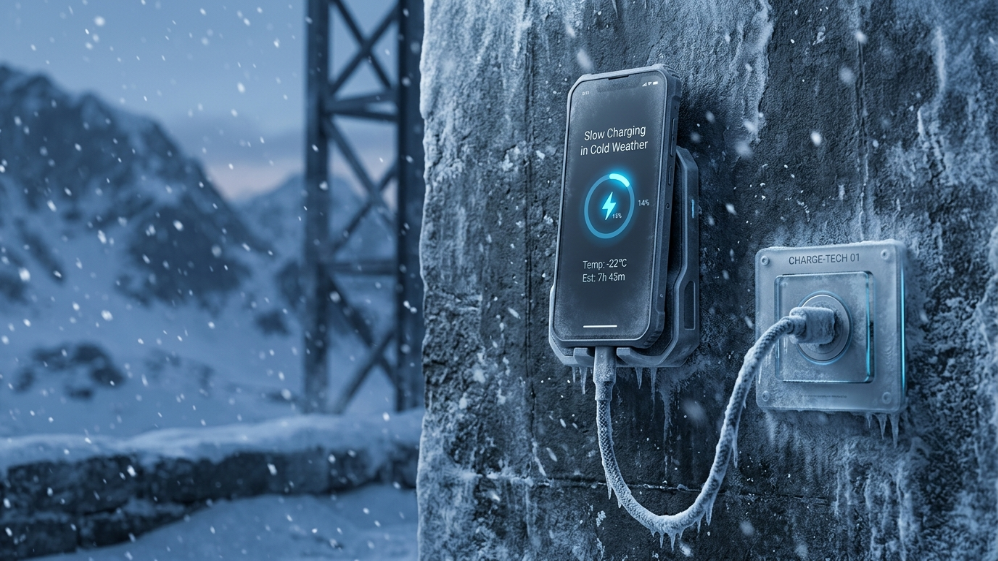
Higher C-rate means faster discharge but faster capacity degradation. Keeping DoD within 80% is necessary to maintain rated cycle life. Every 10°C increase in temperature may reduce effective capacity by 15%. These variables together far exceed what a label can represent.
mAh in Real-World Battery Performance – Beyond the Label (Continued)
These variables interact and far exceed what labeling can reveal. Ignoring any one factor can result in batch returns or field failures after delivery. An effective solution must integrate mAh into a complete system evaluation framework. How many Wh does 20000mAh provide you? Real battery capacity guide.
Applications of mAh Across B2B Industries
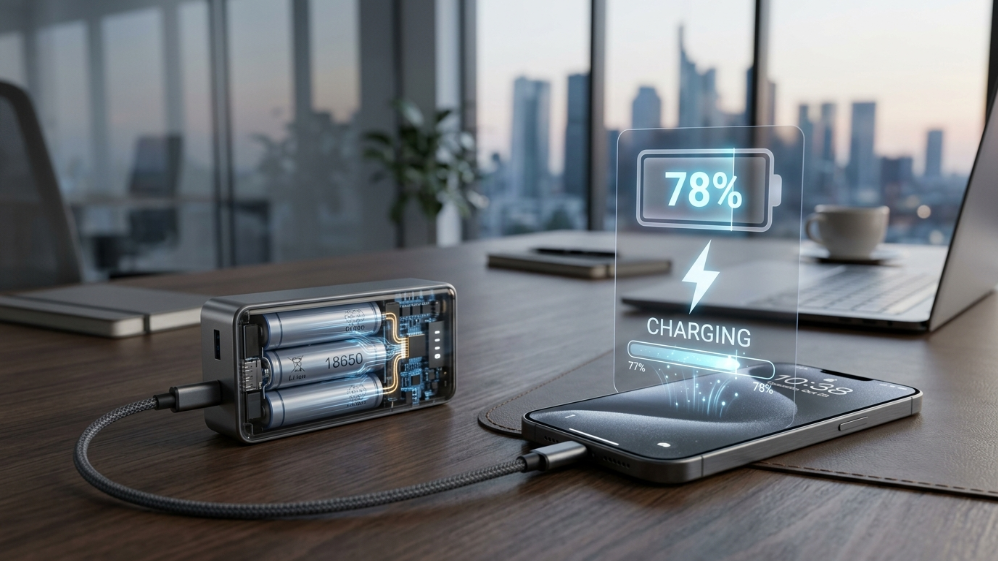
Different industries have vastly different requirements for milliampere-hour.
IoT sensors require low self-discharge and high energy density. Medical devices prioritize stable voltage and long cycle life. Telecom base station backup systems demand high C-rate tolerance. Industrial robots and renewable energy storage systems directly link mAh values to uptime and grid peak-shaving efficiency.
Understanding these differences upgrades battery capacity selection from “sufficient” to “optimal.”
Real-World Success Case: AOVOLT Battery Solutions
AOVOLT has been deeply engaged in consumer electronics manufacturing for 15 years and is a B2B-focused factory in Dongguan. We provide a full-chain closed-loop system including advanced design, R&D, mold development, injection molding, and metal integration. Every battery undergoes strict BMS calibration.
At the end of 2025, an international IoT brand faced product recall due to rapid mAh degradation from its previous supplier and switched to AOVOLT’s 10000mAh magnetic power bank solution. Testing showed a 41% improvement in low-temperature (-10°C) runtime, helping the client pass UL 2056 certification in one attempt and reducing TCO by 19%.
Another European medical OEM faced charger compatibility issues. AOVOLT’s 140W fast charger supports full protocol compatibility (PD3.0, PPS, QC3.0, FCP, SCP, AFC, Apple 2.4A, BC1.2). With a high-precision battery management system, mAh utilization reached over 93%, and after delivering 300,000 units, the client achieved a 100% reorder rate. Its unique industrial design also made it a highlight at exhibitions, strengthening brand differentiation.
Advanced Metrics and Industry Standards – Data You Can Trust
Authoritative standards are the baseline for procurement decisions.
IEC 61960 defines lithium-ion battery ratings testing methods. UN38.3 strictly regulates transport safety. The latest U.S. Department of Energy report indicates that optimized DoD management can extend cycle life beyond 1200 cycles. BloombergNEF 2026 predicts that global energy storage capacity will grow 2.8 times by 2030, making precise mAh matching a core supply chain advantage.
The table below compares key standards:
| Dimension | IEC 61960 | UN38.3 Transport Certification | BloombergNEF Trend Forecast |
|---|---|---|---|
| Testing focus | Capacity & cycle life | Safety & abuse tolerance | Global capacity growth |
| Key parameters | C-rate, DoD | Thermal runaway, short circuit | 42% demand surge |
| Business impact | Guarantees battery runtime | Reduces supply chain risk | 22–35% TCO optimization |
How to Choose the Right mAh Specification for Your Next Bulk Purchase
Focus on total cost of ownership rather than unit price. The mAh values in supplier datasheets are often nominal; actual performance must be evaluated together with voltage, temperature curves, and BMS protection strategies.
Red flags include: missing C-rate curves, lack of DoD data, and expired third-party test reports. Professional RFQ templates should require full watt-hour (Wh) conversion, cycle life curves, and batch consistency reports.
Why Choose AOVOLT for mAh-Optimized Battery Solutions
AOVOLT features industry-leading fast charging technology with up to 140W output. Full protocol compatibility ensures seamless operation across devices. Its vertically integrated manufacturing system in Dongguan enables end-to-end production from mold to finished goods, reducing delivery time by 40% and keeping quality deviation below 0.3%.
With 15 years of experience, we understand both technical barriers and real B2B procurement rhythms.
Frequently Asked Questions (FAQ)
What is the difference between mAh and Wh in B2B procurement?
mAh measures charge, while Wh represents real energy. Ignoring voltage and comparing only mAh may cause up to 35% runtime deviation. Wh is recommended as the final evaluation metric.
How do you accurately calculate device runtime using mAh?
Formula:
Runtime (hours) = (mAh ÷ average device current mA) × efficiency factor (typically 0.85–0.93)
C-rate and DoD must also be considered, otherwise calculations will be inaccurate.
How much does temperature affect battery mAh capacity?
Every 10°C increase may reduce effective capacity by 15%. Low-temperature environments cause even greater degradation. AOVOLT’s low-temperature formulation can maintain 82% capacity at -20°C.
What advantages do AOVOLT magnetic power banks have in mAh specifications?
They support capacities above 10000mAh, integrate 140W fast charging and intelligent BMS thermal control, and offer strong customization capabilities for premium brand differentiation.
What is the MOQ and delivery time for bulk mAh battery procurement?
AOVOLT supports a minimum order quantity of 5000 units. Standard delivery time is 28 days, and urgent orders can be shortened to 18 days. Pricing decreases in tiers based on volume.
Understanding mAh is not the endpoint, but the starting point for efficient energy solutions. With 15 years of vertically integrated capability, AOVOLT transforms every milliampere-hour into a competitive advantage for clients. Teams needing customized capacity solutions, sample testing, or bulk quotations are welcome to connect directly with our engineering team to bring the next generation of products to market.
References: