
A New Era of Smart, Multi-Device Charging
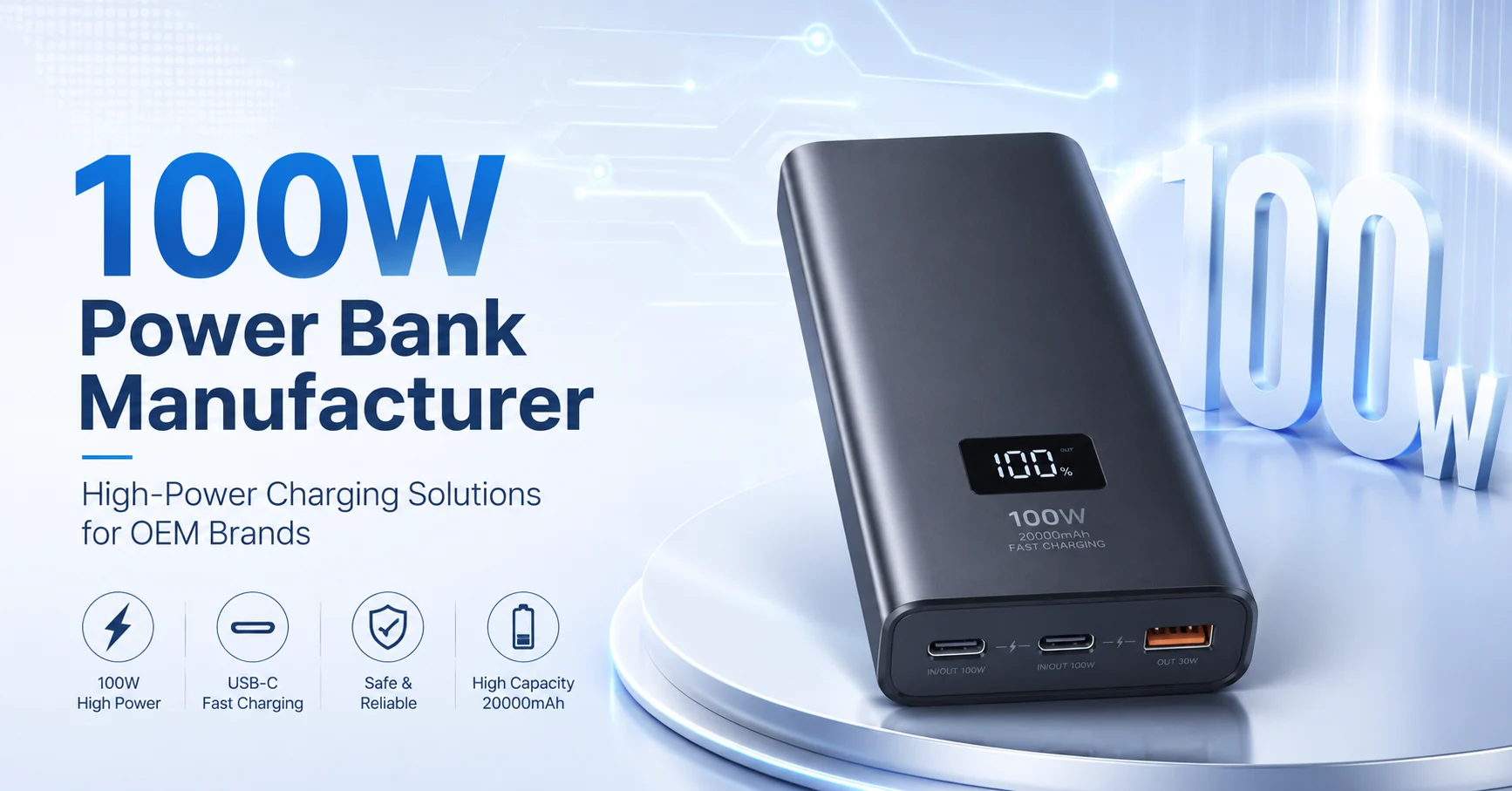
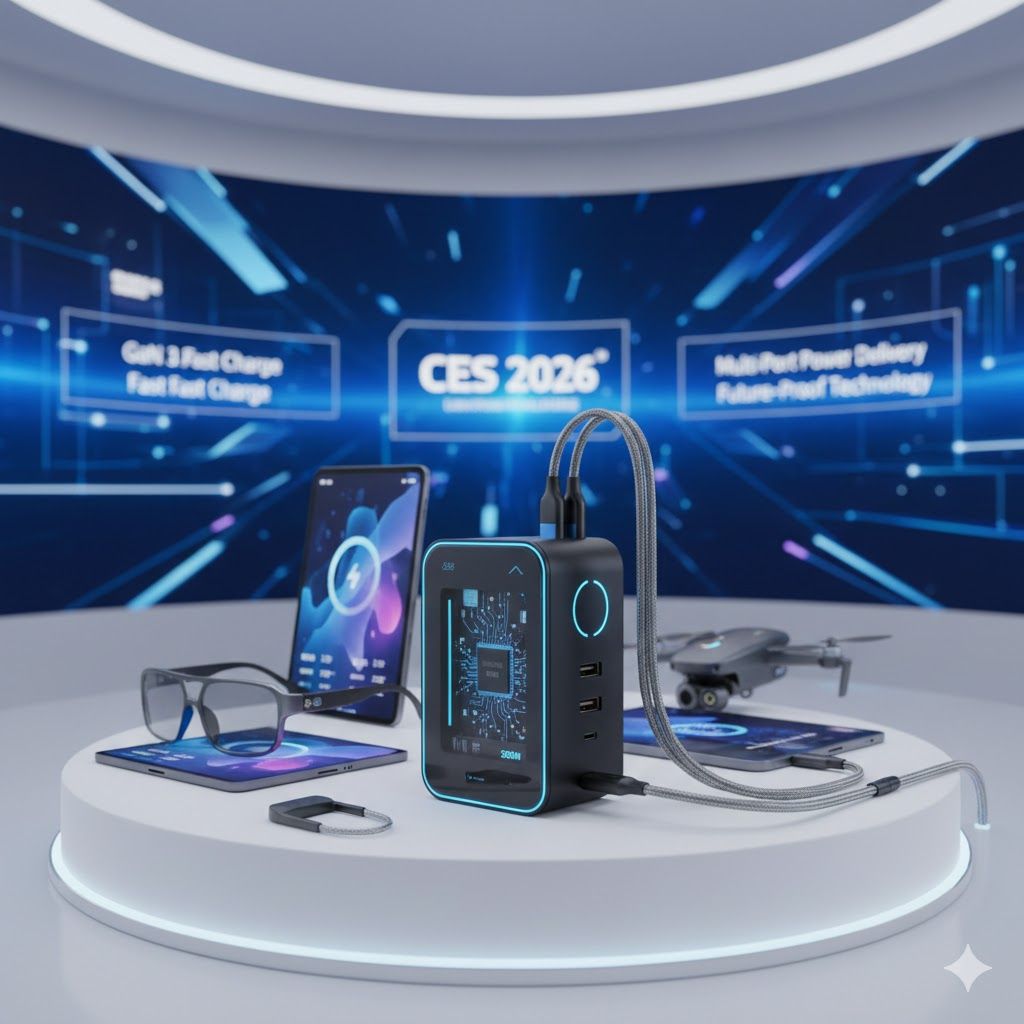
The charging habits of consumers and professionals have changed dramatically by 2026. Phones, laptops, earbuds, cameras, and even drones now depend on portable power. As the number of connected devices grows, multi-port power banks have become essential—combining higher efficiency, faster output, and smarter load management within one compact unit.
These upgraded models are not simply about having more ports; they represent a complete redesign of energy distribution, powered by GaN ( Gallium Nitride ) technology and intelligent power-allocation algorithms.
1. The Evolution of Power Banks Toward Multi-Port Designs
Why Single-Port Models Are No Longer Enough
In 2018, a 10 000 mAh single-port bank was considered advanced. In 2026, with multiple high-power devices per user, it’s inadequate.
Today’s mobile workers and travelers need to charge multiple devices simultaneously—a laptop via USB-C PD 3.1, a phone via QC 4.0, and wireless earbuds at the same time.
Modern multi-port configurations include:
-
Dual USB-C PD 3.1 ports (65 W + 30 W)
-
USB-A QC 4.0 fast-charging port
-
Wireless Qi 2.0 output (15 W MagSafe compatible)
These combinations enable true multi-tasking charging without throttling speed or overloading the circuit.
2. GaN Technology: The Heart of Efficiency
Smaller, Cooler, and Smarter
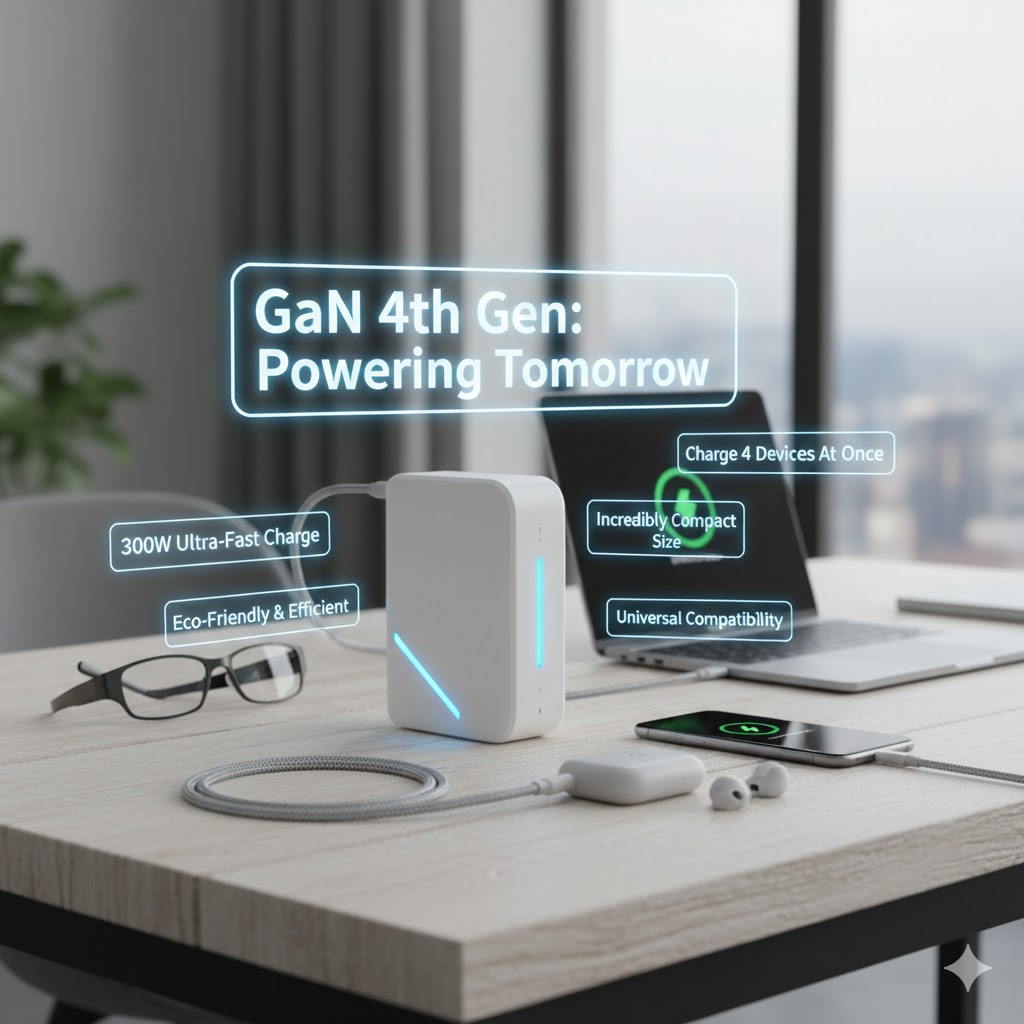
The integration of GaN semiconductors revolutionized power banks.
Unlike silicon-based chips, GaN conducts current faster and withstands higher voltages with less heat.
Key advantages:
-
30 % smaller form factor than silicon models
-
20 % less heat generation at full load
-
Up to 95 % conversion efficiency during fast-charging
When combined with PD 3.1’s dynamic voltage scaling, multi-port GaN banks deliver maximum output per device—balancing the load automatically when more ports are active.
3. Smart Power Management for Simultaneous Charging
How Intelligent IC Controllers Distribute Energy
In a traditional dual-port charger, connecting a second device reduces total output.
In contrast, 2026 multi-port designs feature smart IC controllers that sense device priority and allocate current accordingly.
For example:
-
When a laptop (100 W PD) and a phone (30 W QC) are connected, total output = 130 W with dynamic balancing.
-
Once the phone reaches 80 %, the controller re-routes excess power to the laptop.
This algorithm minimizes wasted current, extending both battery health and power bank lifespan.
Leading manufacturers, including ESC Charge, implement real-time voltage tracking and MOSFET switch cooling circuits to maintain optimal thermal performance below 45 °C.
4. The Efficiency Equation: More Ports, Less Downtime
Understanding Real-World Efficiency
True efficiency isn’t just wattage—it’s how consistently a device maintains power delivery across ports.
| Port Setup | Output (W) | Efficiency (%) | Typical Usage |
|---|---|---|---|
| Single USB-C PD 3.1 | 100 W | 95 % | Laptop / Tablet |
| Dual USB-C + USB-A | 130 W combined | 92 % | Laptop + Phone |
| Dual USB-C + Wireless | 110 W combined | 90 % | Laptop + Phone + Earbuds |
The GaN controller and high-density Li-polymer cells allow a multi-port power bank to achieve up to 1.3× faster total charging compared with traditional 2-port lithium units.
5. Practical Benefits for Different Users
For Business Travelers
-
Charge laptop + phone + headset simultaneously from one device.
-
Avoid airport charging stations and reduce baggage weight.
For Content Creators
-
Power camera rigs and LED lights while recharging phones.
-
Dual output reduces downtime between shoots.
For OEM and Distributors
-
One SKU covers multiple charging needs (phones, tablets, laptops).
-
Simplifies inventory while increasing market appeal.
6. Safety and Certification Remain Non-Negotiable
International Standards for 2026 Power Banks
Efficiency is meaningless without safety. Buyers should insist on multi-certified models with:
-
UN38.3 Transport Certification (essential for air shipping)
-
CE / FCC / RoHS for electronic compliance
-
Qi 2.0 wireless certification for MagSafe compatibility
-
Temperature Cut-off Protection ≤ 45 °C
According to IEEE Standards Association, devices meeting multi-port safety protocols reduce charging failure rates by up to 60 %.
7. Design Trends in 2026: Compact Power, Premium Build
Form Follows Function
Modern multi-port power banks balance performance with design efficiency.
Key design elements include:
-
Anodized aluminum housing for better heat transfer.
-
Graphene-based heat sinks.
-
Smart LED displays showing voltage and port status.
-
Rounded corners and matte finish for better grip and durability.
With GaN integration, even a 20 000 mAh multi-port unit can be as thin as 18 mm and weigh under 400 g — a major improvement over 2023 designs.
8. Sustainability and Recyclability in Power Design
Eco Charging Is the New Standard
Consumers and corporate buyers in 2026 demand sustainable designs. Manufacturers now use recycled polycarbonate and low-VOC coatings.
The International Energy Agency reports that if portable charging devices achieve 95 % energy efficiency across supply chains, the global carbon impact could drop by 35 % by 2030.
For OEMs, this is no longer a trend — it’s a requirement to comply with EU Green Directive (Ecodesign 2026).
Multi-Port Efficiency Defines the Future
The multi-port power bank is more than a convenience—it's a reflection of 2026’s demand for connected productivity.
By combining GaN semiconductors, smart IC controllers, and eco-conscious materials, modern designs deliver unprecedented charging efficiency, portability, and safety.
Whether for travelers, business users, or OEM buyers, investing in multi-port solutions ensures devices stay powered and operations stay efficient.
For certified fast-charging and multi-device OEM solutions, visit
ESCCharge Official Website to explore next-generation charging technology built for 2026 and beyond.