
Ultra-Slim Power Banks in 2026: How Design Meets Performance
When Portability No Longer Means Sacrifice
In 2026, the demand for slim and lightweight charging solutions has reshaped the portable energy industry. Users no longer want bulky bricks that clutter their bags — they expect compact, sleek devices that still deliver reliable, high-speed power.
This evolution reflects a simple truth: design and performance can now coexist. With GaN semiconductors, high-density lithium cells, and precision housing design, ultra-slim power banks have become a mainstream category for both consumers and OEM buyers.
1. The Shift Toward Thinner, Smarter Energy
Why 2026 Is the Year of Compact Power
The global rise of foldable phones, smartwatches, and wearable tech has driven demand for smaller power accessories. According to a 2026 report by Statista, over 62% of mobile users prefer devices under 15mm in thickness — and that includes their power bank.
To match this expectation, modern manufacturers employ multi-layer stacking cells and ultra-flat GaN control boards, reducing size while maintaining 10,000–15,000 mAh capacity.
Design milestones include:
-
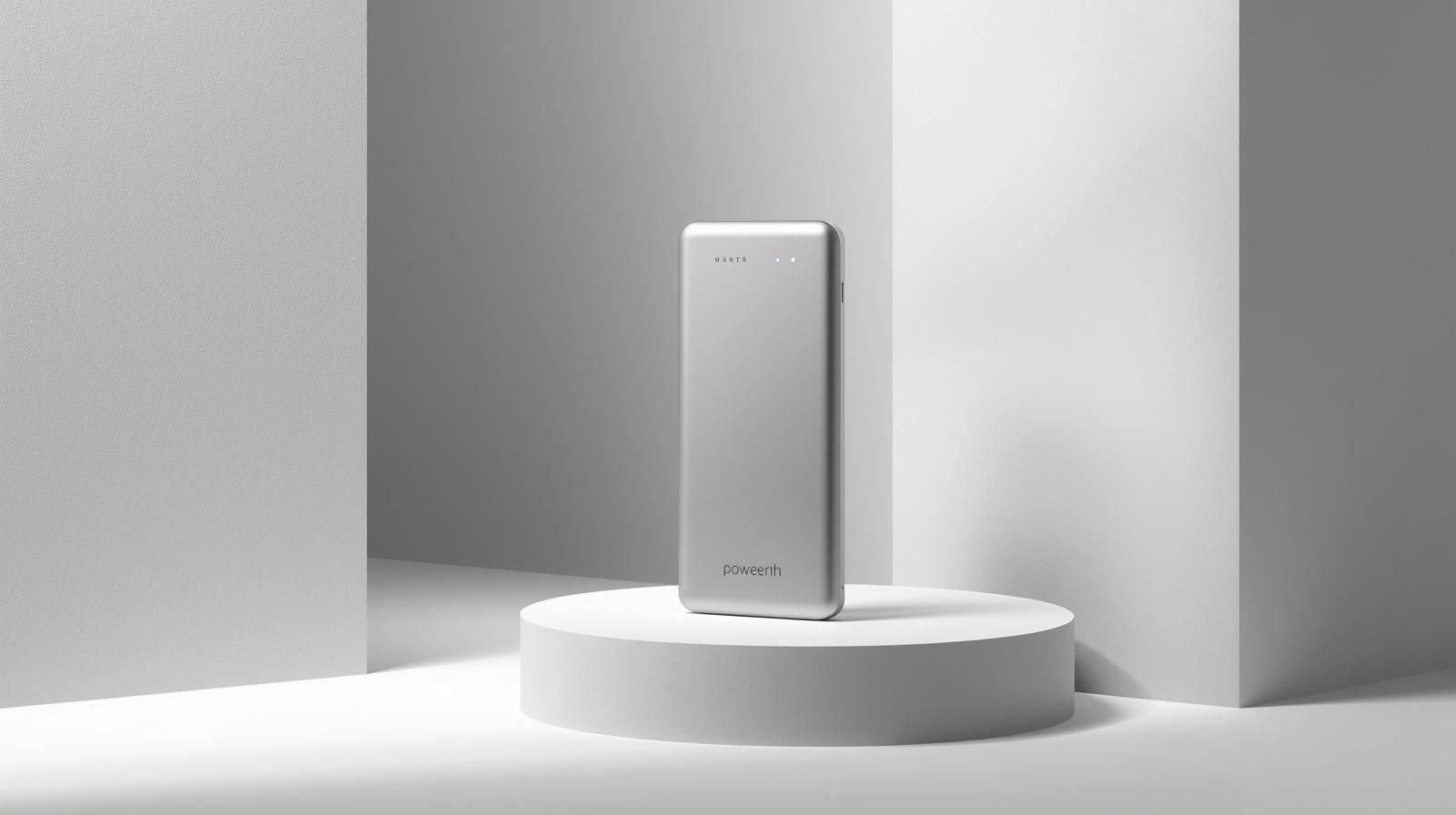
10–12 mm thin aluminum shells with reinforced corners
-
Dual PD (Power Delivery) ports in low-profile orientation
-
Curved edges for ergonomic handheld comfort
-
Smart temperature control systems for stable output
These design cues redefine what “portable” truly means.
2. Material Innovation for Strength and Style
Lightweight Doesn’t Mean Fragile
Ultra-slim power banks rely on aerospace-grade aluminum or PC+ABS hybrid materials that resist warping and overheating. Internal frames are reinforced with graphite cooling films to manage thermal stress during 30W–65W output.
Key materials now used in 2026 models:
-
Anodized aluminum: scratch-resistant, premium texture
-
Graphene thermal sheets: enhance cooling performance
-
Recycled polycarbonate: eco-friendly and impact-resistant
This combination ensures that even with reduced thickness, users enjoy durability, stability, and long service life.
3. Balancing Capacity and Compactness
Smaller Size, Smarter Power Management
One major challenge in ultra-slim design is maximizing battery density without causing overheating.
New-generation high-energy-density Li-polymer cells achieve up to 280 Wh/L, allowing manufacturers to maintain long runtime in a 12mm shell.
| Specification | Typical Range (2026 Models) |
|---|---|
| Capacity | 10,000 – 15,000 mAh |
| Output | Dual USB-C PD 30–45W |
| Input | USB-C PD 3.1 45W |
| Efficiency | 93–95% |
| Weight | 200–250g |
| Thickness | 10–13mm |
These specifications highlight the equilibrium between design and function — small enough for your pocket, strong enough for your laptop.
4. Charging Speed and Safety Innovations
GaN + AI Control: The New Standard
In 2026, GaN-based circuits and AI-driven IC controllers make slim power banks safer and more intelligent.
They adjust voltage output in real time based on connected devices, protecting phones, tablets, and earbuds from overcurrent damage.
Core safety features include:
-
Overcharge and over-discharge protection
-
Real-time temperature feedback
-
Adaptive current balancing for multi-device use
According to UL Solutions, certified GaN power systems exhibit 30% lower heat rise and 20% longer cycle life compared to non-GaN models.
5. OEM Customization and Market Applications
Where Design Adds Business Value
For distributors and brand owners, ultra-slim power banks offer both functional appeal and aesthetic flexibility.
The large, flat surface area is ideal for laser logo engraving, color branding, or corporate gifting.
ESCCharge’s OEM highlights:
-
Full customization: color, capacity, material, packaging
-
Optional magnetic add-ons for hybrid models
-
Certified for CE, FCC, RoHS, UN38.3 compliance
This makes ultra-slim chargers not just consumer products, but also brand storytelling tools — combining design precision with everyday utility.
6. When to Choose an Ultra-Slim Power Bank
Practical Scenarios Where Slim Wins
| Scenario | Recommended Wattage | Reason |
|---|---|---|
| Daily commuting | 20–30W | Lightweight and pocket-friendly |
| Business travel | 30–45W | Compact yet powerful for phones and tablets |
| Corporate gifting | 20–25W | Sleek, elegant appearance for brand promotion |
| Smartwatch & accessories | 15–20W | Ideal for wearable charging efficiency |
In essence, the ultra-slim design is not about cutting corners — it’s about optimizing the balance between performance, portability, and presentation.
7. The Future: Foldable, Magnetic, and Hybrid Slim Designs
Where Innovation Meets Usability
2026 marks the emergence of dual-mode ultra-slim chargers, integrating MagSafe wireless coils into a 12mm body.
This hybrid approach gives users both wired PD 3.1 and wireless Qi 2.0 charging in one sleek form factor.
Expect trends like:
-
Transparent housings showcasing PCB layout aesthetics
-
OLED status displays for power monitoring
-
Eco-friendly battery chemistry with cobalt-free cells
Such designs make the next generation of power banks as visually appealing as they are technologically advanced.
Conclusion: Compact Is the New Powerful
The evolution of ultra-slim power banks in 2026 proves that sleek design can coexist with robust functionality.
Through advanced GaN technology, precision materials, and intelligent power management, today’s slim chargers deliver both speed and sophistication.
At ESCCharge, we engineer power banks that are not just thin, but smart, safe, and sustainable — combining aesthetics and efficiency for OEM, retail, and corporate clients worldwide.
Explore the next generation of portable charging solutions at
ESCCharge Official Website
and discover how design and performance finally meet in perfect balance.