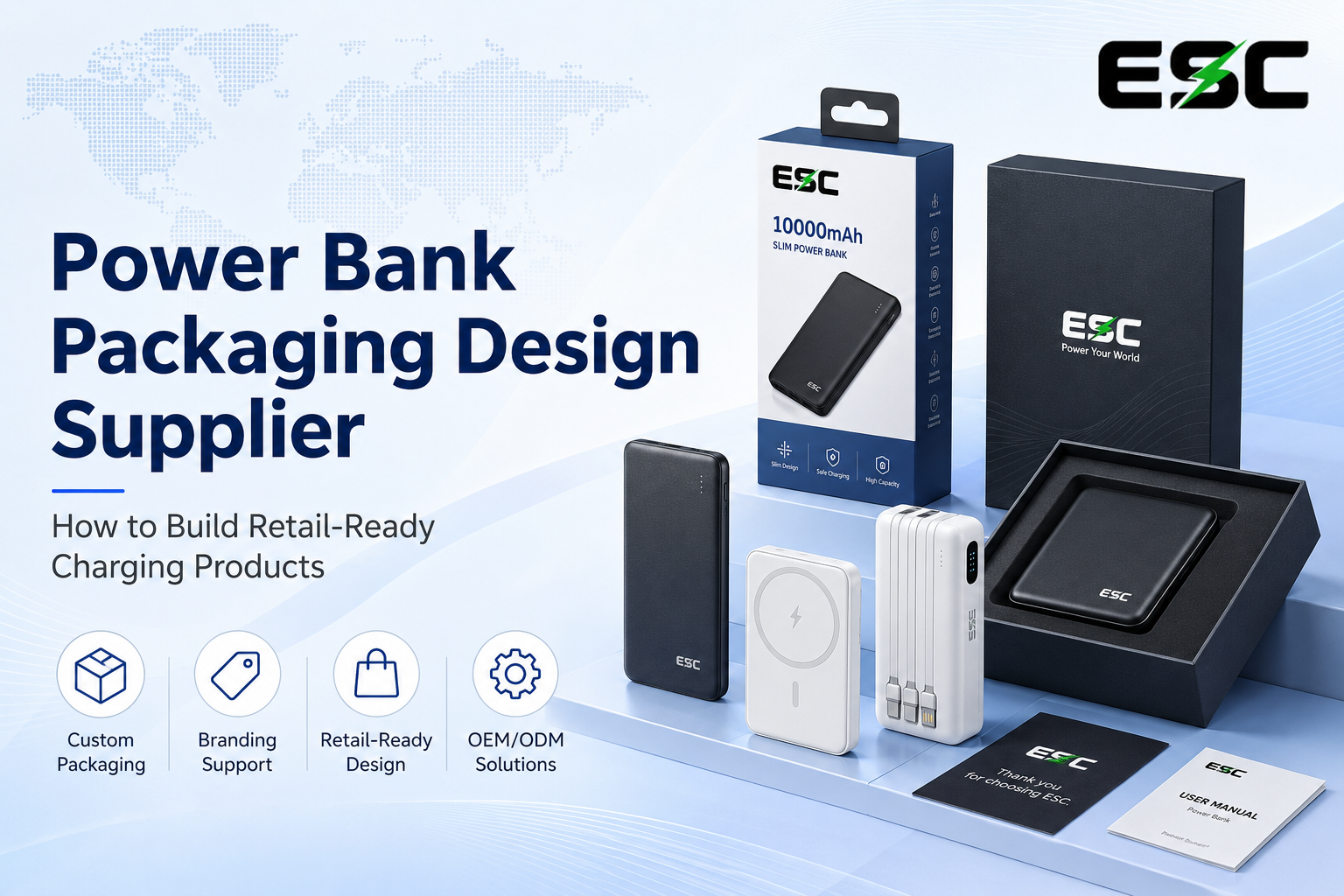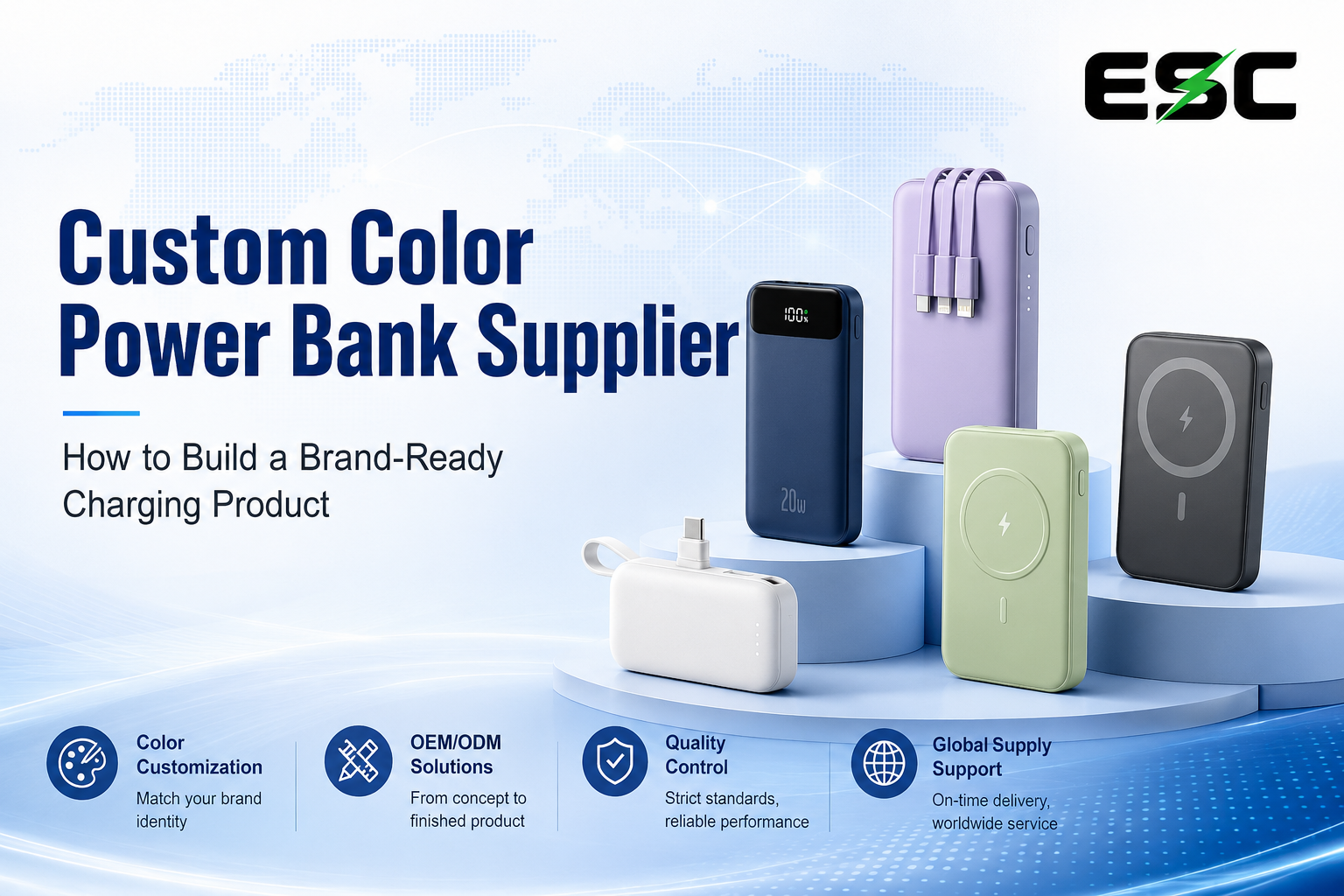

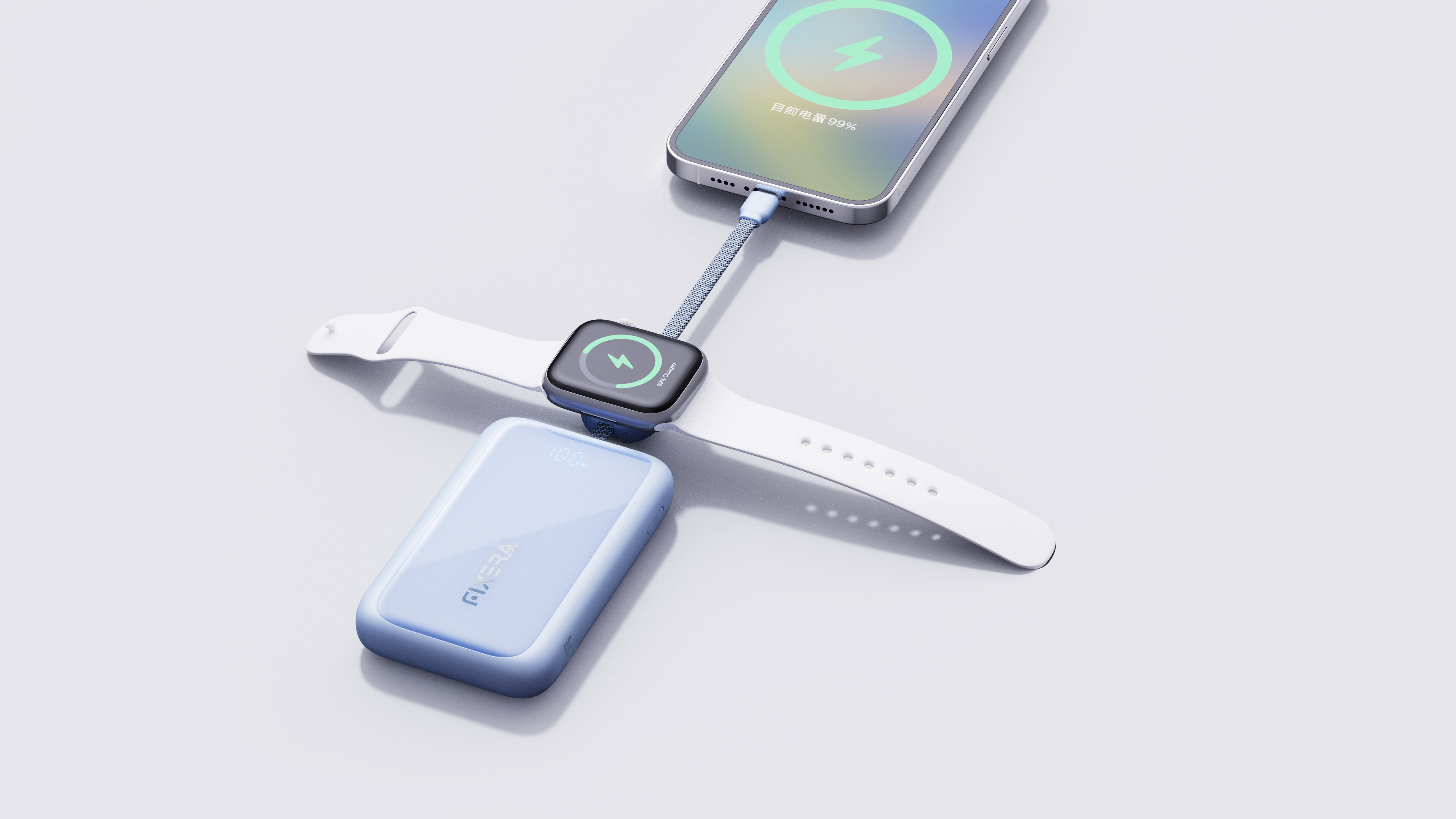
Charging Speed Defines Modern Mobility
In 2026, every second of charging counts. The demand for a fast charging power bank is no longer about storage — it’s about speed, intelligence, and efficiency.
Modern models now integrate GaN chips, PD 3.1 standards, and AI load management, enabling users to power laptops, tablets, and phones all at once without overheating.
This shift marks the transition from “bigger batteries” to smarter energy systems — devices designed to deliver full-speed performance in compact, travel-ready shells.
1. The New Speed Standard: From 10W to 140W
PD 3.1 Expands the Limits
Traditional chargers operated at 5V and 10W — enough for a phone, but not for modern workflows.
In 2026, PD 3.1 allows output up to 140W, powering MacBooks and iPhone 17 devices simultaneously.
According to the USB Implementers Forum, PD 3.1’s Extended Power Range (EPR) increases voltage without overheating, unlocking a new level of performance for portable chargers.
For users and OEM brands alike, this means one fast charging power bank can replace multiple adapters.
2. GaN Technology: The Heart of Speed
More Power in Less Space
Gallium Nitride (GaN) transistors have transformed charger design.
They switch 10× faster than silicon, produce less heat, and allow higher density layouts.
| Feature | GaN Power Bank | Conventional Battery |
|---|---|---|
| Efficiency | 95% | 86% |
| Max Output | 100–140W | 45–65W |
| Size | 30% smaller | Standard |
| Heat Control | Active (graphene) | Passive |
| Cycle Life | 1000+ cycles | 600 cycles |
3. Smarter Energy Management
AI-Driven Power Allocation
2026 power banks incorporate AI chips that automatically distribute energy between connected devices.
The system identifies voltage needs, prevents overload, and stabilizes charging speed even under heavy use.
Typical specs include:
-
Dual USB-C PD 3.1 ports
-
100W total output
-
10,000–30,000 mAh battery density
-
Graphene thermal film for safe operation
AI control ensures stable current across devices, extending battery life and improving efficiency for every fast charge session.
4. Materials and Form Factor
Performance Housed in Precision Design
Modern power banks use aerospace-grade aluminum and flame-retardant PC+ABS shells for durability.
The addition of graphene heat spreaders keeps surfaces below 45°C during continuous 100W charging.
Design priorities now include:
-
Ultra-slim profiles (12–15mm)
-
Rounded corners for easy handling
-
Smart indicator displays
-
OEM branding space for corporate customization
5. OEM and Export Opportunities
Customization Creates Value
Leading suppliers like ESCCharge provide full OEM support:
-
Custom capacity range (10,000–30,000 mAh)
-
Multi-port configurations (PD + QC5.0)
-
CE / FCC / RoHS / UN38.3 certification
-
Logo engraving and packaging design
Such flexibility allows partners to align function with brand identity — creating reliable, export-ready products that appeal to business and retail clients alike.
6. Selecting the Right Power Bank
| Scenario | Ideal Output | Recommended Type |
|---|---|---|
| Daily Commute | 45W | Compact Dual-Port |
| Business Travel | 65W | Multi-Port GaN Bank |
| Laptop Power | 100W | PD 3.1 High-Capacity |
| OEM Export | 30–140W | Custom GaN Edition |
The best models balance output, size, and safety certifications, ensuring efficiency across all environments.
The Future of Portable Power
The fast charging power bank represents the fusion of innovation and convenience — smaller, faster, and smarter than ever before.
Through GaN materials, AI management, and global certification standards, it transforms mobile productivity from a luxury into a necessity.
At ESCCharge, we engineer every unit to deliver professional-grade reliability with OEM precision.
Explore our latest series at
ESCCharge Official Website
and experience how speed meets sustainability in portable energy.