
Why Electronics Brands Often Struggle to Find a Reliable Charging Device Manufacturer
Many electronics brands entering the mobile accessories market quickly discover a frustrating reality: not every charging device manufacturer can deliver stable and safe charging products at scale.
Products may pass initial inspection but later reveal serious issues in real-world use—overheating adapters, unstable voltage output, poor compatibility with fast-charging standards, or inconsistent batch quality during mass production. These problems frequently lead to product returns, brand reputation damage, and unexpected warranty costs.
The root cause is rarely just one component. Instead, it is usually a combination of insufficient electrical engineering, weak thermal management design, and limited manufacturing quality control.
To solve these challenges, experienced manufacturers rely on a combination of advanced power-management engineering, strict production verification, and optimized charging architecture. At AOVOLT, our development teams focus on building charging products that remain stable under continuous load while maintaining high energy efficiency and compatibility across modern consumer electronics devices.
Industry research from the USB Implementers Forum highlights that advanced fast-charging technologies such as USB Power Delivery significantly improve charging stability when properly implemented within device hardware.
https://usb.org
Materials, Industrial Design, and Structural Engineering Behind Charging Devices
Before discussing manufacturing scale, it is important to understand the technical foundations of charging devices themselves. A high-quality charger or power bank is the result of carefully selected materials and electrical architecture.
Modern charging products typically include the following core components:
-
High-efficiency power conversion circuits
-
GaN or silicon switching transistors
-
Precision transformers and capacitors
-
PCB power management modules
-
Thermal dissipation structures
-
Safety protection circuits
Material selection plays a major role in device reliability. For example:
-
High-temperature resistant PC or ABS housings improve insulation and durability.
-
Multi-layer PCB boards improve electrical stability.
-
Copper heat-dissipation layers reduce thermal buildup during high-power charging.
Engineering studies published by Battery University emphasize that efficient thermal design and battery protection circuits significantly reduce the risk of device failure in high-power charging environments.
https://batteryuniversity.com
When these structural and electrical elements are designed correctly, charging products can maintain both high efficiency and long-term durability.
Why Brands Work with AOVOLT: Experience That Supports Product Stability
When electronics brands evaluate manufacturing partners, technical experience often becomes the deciding factor. Product reliability is not achieved through components alone—it depends on how those components are engineered and integrated.
At AOVOLT, our engineering and manufacturing teams combine product design, electronic architecture, and scalable production capabilities to support global OEM projects.
Our development process focuses on several key areas:
-
multi-protocol charging compatibility
-
optimized PCB power architecture
-
thermal dissipation engineering
-
stable component supply chains
-
strict product testing systems
Because charging products interact directly with batteries and sensitive electronics, small design decisions can significantly affect product safety and performance. Our teams continuously evaluate voltage stability, charging efficiency, and thermal behavior during the design stage to prevent issues later in the production cycle.
This engineering-driven approach allows brands to launch charging devices that meet modern consumer expectations for speed, safety, and portability.
Performance Comparison of Charging Device Technologies
Different charging technologies vary significantly in performance. The table below illustrates common engineering differences between traditional silicon-based chargers and modern GaN charging solutions.
| Technology | Power Efficiency | Heat Generation | Size Reduction | Charging Stability | Typical Failure Rate |
|---|---|---|---|---|---|
| Silicon Charger | 85–88% | High | Standard size | Moderate | 3–5% |
| GaN Charger | 94–96% | 30–40% lower heat | Up to 50% smaller | High stability | <1.5% |
These improvements explain why GaN technology is rapidly becoming the preferred solution for high-power chargers used with laptops, tablets, and modern smartphones.
Higher efficiency means less wasted energy, reduced heat buildup, and longer product lifespan—critical factors for OEM brands seeking reliable charging solutions.
Manufacturing Systems That Ensure Product Consistency
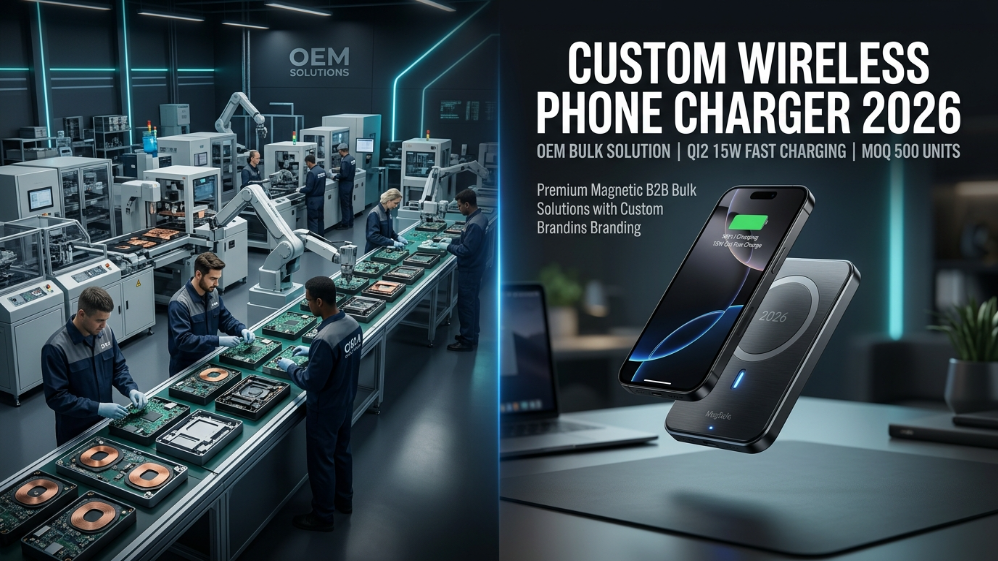
Engineering design alone does not guarantee product quality. Reliable production systems must support consistent output across thousands or millions of units.
Professional charging manufacturers typically rely on structured production stages such as:
-
SMT PCB assembly lines
-
automated component placement
-
electronic module calibration
-
thermal load testing
-
aging tests under continuous operation
-
final functional verification
During production testing, chargers are often subjected to continuous load simulations lasting between 4 and 12 hours to verify thermal stability and voltage regulation performance.
These procedures help detect hidden defects before products enter the global market.
Case Example: OEM Charging Product Development for a Consumer Electronics Brand
A European electronics brand once approached AOVOLT seeking a custom fast-charging adapter for its tablet product line. Their existing supplier was experiencing frequent overheating issues during prolonged charging sessions.
After reviewing the design, our engineering team discovered that the original charger lacked adequate thermal dissipation layers on the PCB and used lower-efficiency switching components.
To address the issue, AOVOLT implemented several improvements:
-
redesigned PCB power architecture
-
upgraded switching transistors
-
added copper heat-dissipation layers
-
optimized voltage regulation
The results were measurable:
| Performance Metric | Previous Design | AOVOLT Optimized Design |
|---|---|---|
| Charging Efficiency | 87% | 95% |
| Surface Temperature | 78°C | 52°C |
| Failure Rate | 4.2% | 0.9% |
| Product Return Rate | 3.5% | 1.1% |
Following the redesign, the brand successfully launched its tablet charging accessories across multiple European markets with significantly improved product stability.
Frequently Asked Questions
Q: What certifications should a charging device manufacturer provide?
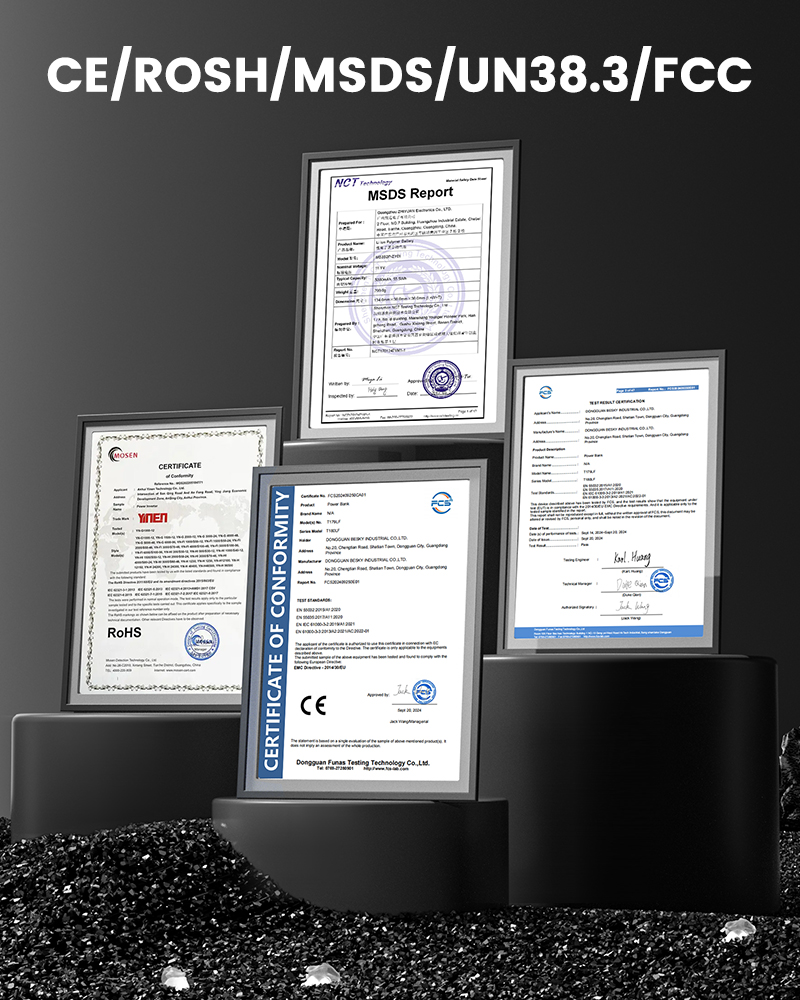
A: Reliable manufacturers typically provide certifications such as CE, FCC, and RoHS. Power banks may also require UN38.3 certification for battery transportation compliance.
Q: Why are GaN chargers becoming more popular in the charging industry?
A: GaN technology allows higher switching frequency and improved energy efficiency. This enables chargers to deliver higher power while reducing heat generation and device size.
Q: How can brands evaluate the reliability of a charging device manufacturer?
A: Brands should review the manufacturer’s engineering capabilities, production testing systems, certification compliance, and experience with OEM product development.
Building Long-Term Charging Solutions with AOVOLT
Developing reliable charging products requires a combination of electrical engineering expertise, stable manufacturing processes, and strict safety verification. Without these elements, even well-designed charging devices may fail under real-world conditions.
AOVOLT focuses on delivering dependable charging solutions through engineering-driven development, scalable production capacity, and strict quality control systems. Our product portfolio includes fast chargers, wireless charging devices, and power banks designed to meet modern consumer electronics demands.
If you are looking to explore our charging products, you can learn more about our solutions here:
https://esccharge.com/products/charger-plug
For brands seeking customized charging solutions or OEM development support, our engineering team is ready to assist with product design and manufacturing planning:
https://esccharge.com/solution/customized-solution
By combining advanced charging technology with reliable manufacturing systems, AOVOLT helps electronics brands deliver safe, efficient, and market-ready charging products worldwide.