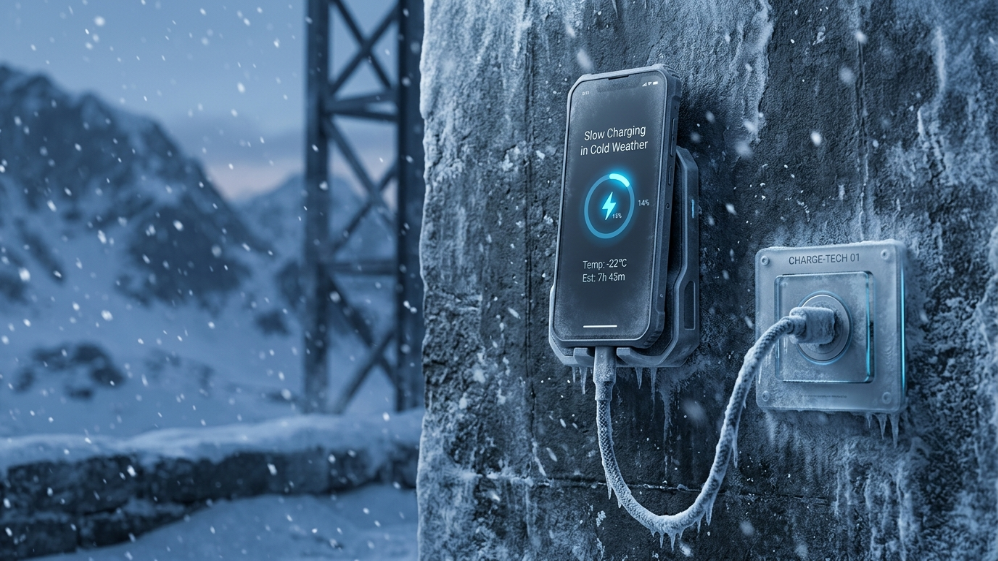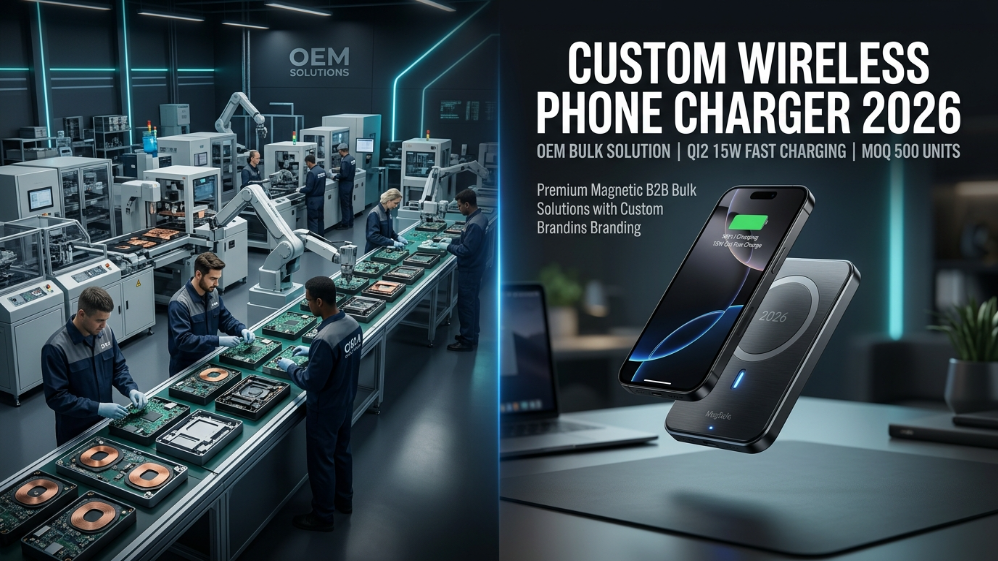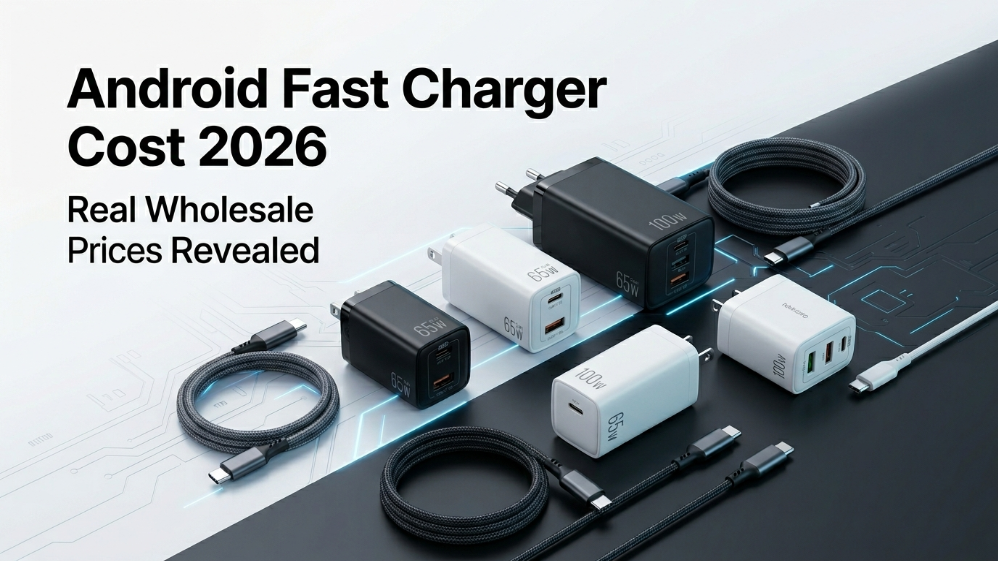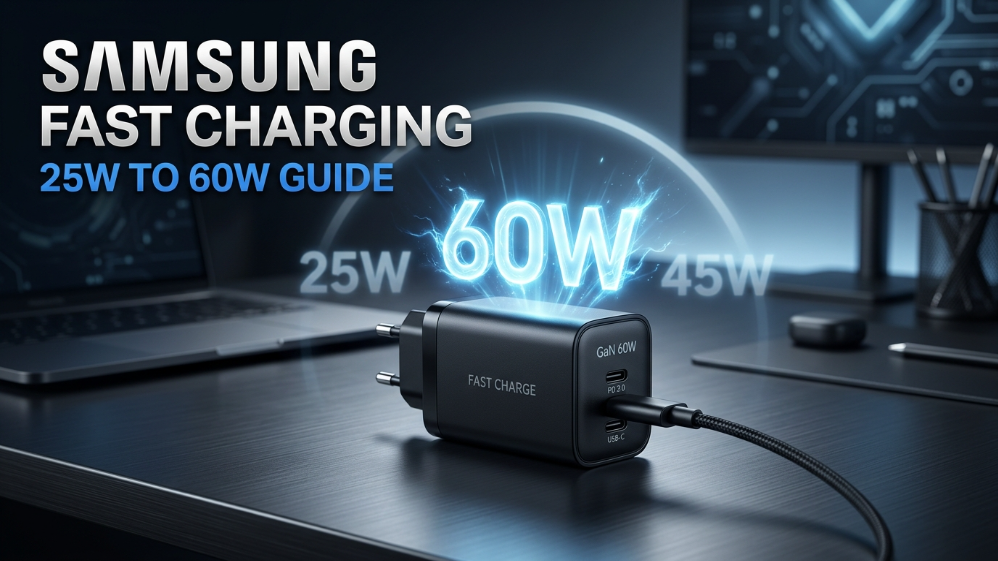

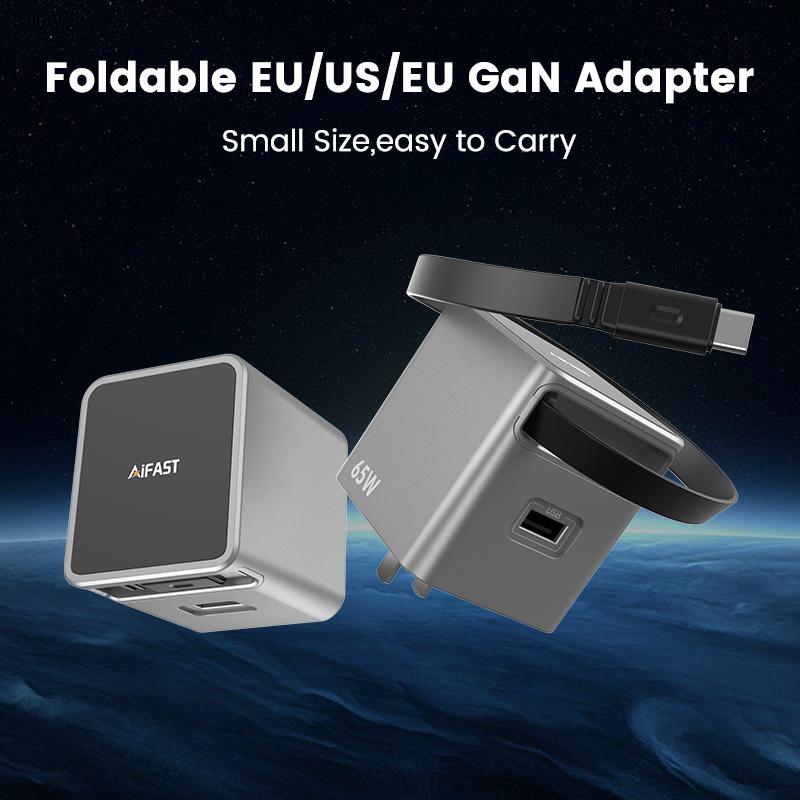
Low-temperature safe fast-charging technology fundamentally relies on high conversion efficiency (>94%) and low thermal-resistance PCBA layouts to keep surface temperature rise under 30°C even under full load. The key to passing aging tests lies in ensuring that the power semiconductors (GaN) maintain stable on-resistance (R_{DS(on)}) under prolonged thermal stress, thereby eliminating the risk of thermal runaway.
For global B2B buyers, a product’s instant lab performance does not guarantee commercial success. Overheating can lead to reduced battery life, casing deformation, or even fire hazards—common reasons for product delisting or mass recalls on cross-border e-commerce platforms. Leveraging R&D experience from leading smartphone brands like Xiaomi and OPPO, AOVOLT integrates self-developed fast-charging protocol chips with factory-grade power management, ensuring stable full-load operation even at 45°C ambient temperature, providing partners with “factory-grade” reliability assurance.
What Is an Aging Test for Smart Chargers?

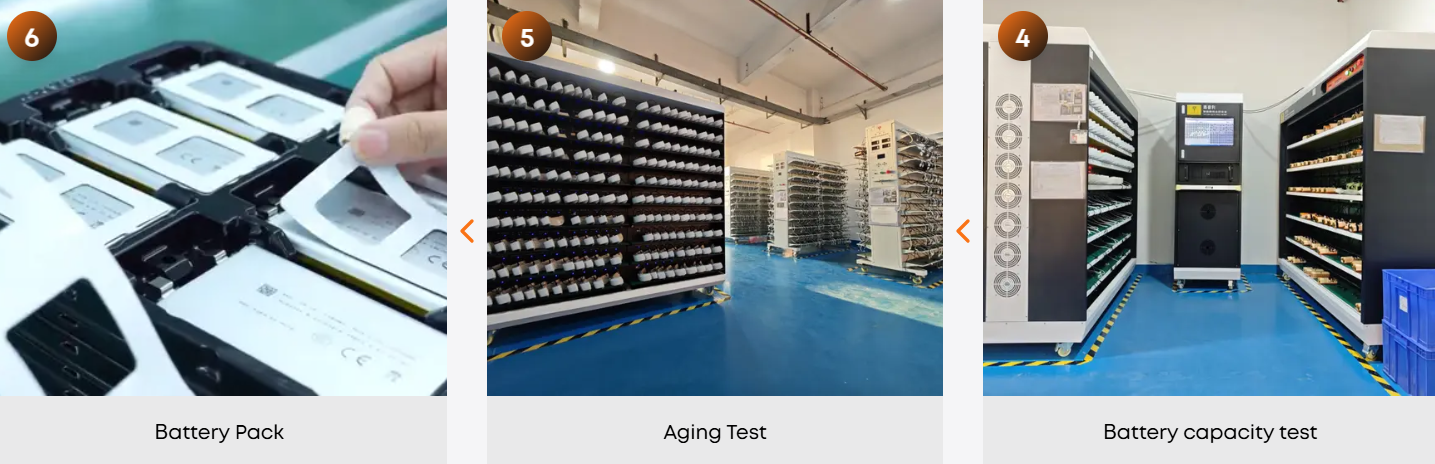
In the power electronics industry, an aging test (also known as a burn-in test) simulates the harshest usage scenarios throughout a product’s life cycle and serves as a mandatory quality control step.
Standard Framework for Stress Testing
AOVOLT’s laboratory aging tests are not simple powered-on runs but dynamic, data-driven procedures:
-
Full-Load Cycling: Continuous operation at rated output power (e.g., 65W or 140W).
-
Constant Temperature Environment: Aging chamber set to 40°C ± 5°C, simulating tropical regions or poorly ventilated indoor spaces.
-
Instant Power Cycling: Fast ON/OFF cycles every 30 minutes to test capacitor and transistor tolerance to surge currents.
Why “Low Temperature” Is the Ultimate Stability Benchmark
According to the Arrhenius Law, the lifespan of electronic components is highly temperature-dependent. Each 10°C increase can halve the expected life of electrolytic capacitors.
-
AOVOLT Standard: Component junction temperatures are kept below 70% of the safe margin.
-
Business Value: Lower operating temperatures mean fewer RMAs and longer brand lifecycle.
AOVOLT’s Core Advantage: The Logic of “Cool Operation”
AOVOLT achieves low-temperature operation without sacrificing power, thanks to advanced underlying technology that increases energy density.
Proprietary PCBA and IC Design
AOVOLT’s engineering team performs deep-level optimizations of charging protocols. Unlike generic market solutions, AOVOLT’s self-developed system offers:
-
Intelligent Power Distribution: Dynamically adjusts multi-port output currents (C1 + C2 + A) to prevent local transformer overload.
-
High-Frequency Planar Transformer: Offers 40% larger heat-dissipation area than traditional wire-wound transformers, effectively reducing heat from magnetic losses.
Third-Generation GaN Semiconductor Applications
High-performance GaN materials are applied to all high-power-density models. Comparison between AOVOLT GaN and traditional silicon-based chargers:
| Technical Parameter | AOVOLT GaN Solution | Traditional Silicon Solution | Industry Improvement / Comparison |
|---|---|---|---|
| Peak Conversion Efficiency | 94.5% | 87%-89% | >5% increase |
| Loss Reduction | >50% | – | Significant |
| Full-Load Surface Temperature | 52°C - 58°C | 72°C - 85°C | Much cooler to touch |
| Power Density | 1.2 W/cm³ | 0.5 W/cm³ | 2.4x higher |
| MTBF (Mean Time Between Failures) | >50,000 hrs | <20,000 hrs | 2.5x reliability increase |
3D Thermal Architecture and Patented Materials
To avoid commoditization and improve heat dissipation:
-
Thermally Conductive Potting: High thermal conductivity silicone transfers PCBA heat to the casing quickly.
-
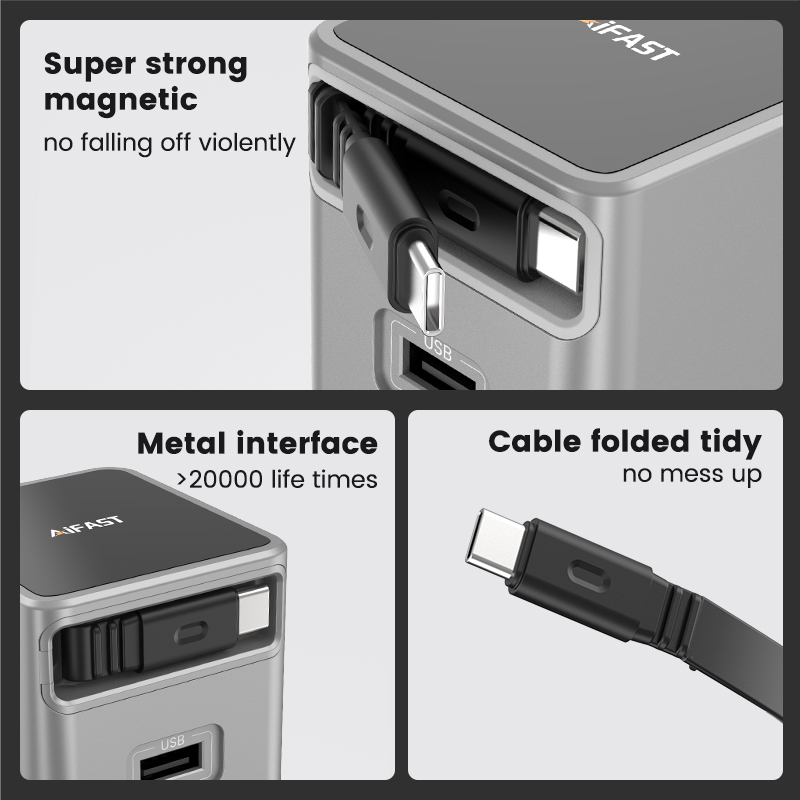
Patented Airflow Design: Unique convection grooves maximize heat transfer in a compact volume, helping clients avoid platform infringement risks. Here's the AOVOLT GaN charger: a safe, fast, and reliable OEM solution
Step-by-Step: How AOVOLT Passes Extreme Aging Cycles
Before mass production, every AOVOLT product undergoes rigorous, destructive aging verification, guaranteeing both quality and B2B brand protection.
Stage One: Thermal Mapping Under Full Load
During the first 2 hours of testing, engineers scan the PCBA using high-resolution infrared cameras.
-
Goal: Identify hot spots.
-
AOVOLT Standard: Temperature difference between key components (inductors, capacitors, casing) must not exceed 15°C. Layout adjustments are made if heat is uneven.
Stage Two: 48–72 Hour Continuous Burn-In
The ultimate endurance test places products in 40°C aging chambers at 100% rated power.
-
Data Monitoring: Automated systems record voltage ripple and conversion efficiency.
-
Failure Criteria: Voltage fluctuations > ±5% or casing deformation are deemed failures.
-
Yield: AOVOLT maintains 99.8%+ production pass rate.
Stage Three: Post-Test Performance Verification
After aging, products undergo secondary verification before packaging:
-
Efficiency Check: Ensure GaN transistors retain ≥99% of initial conversion efficiency.
-
Safety Test: High-voltage insulation tests confirm no degradation after thermal stress.
Why B2B Buyers Should Prioritize Aging Test Data
For distributors and brand owners, the unit price is just the tip of the iceberg. Hidden quality risks are the real profit killers.
Reduce RMA and After-Sales Costs
Low-quality fast chargers often degrade within 3–6 months.
AOVOLT’s Solution: 72-hour aging reduces market failure rates by 85%, minimizing returns and stabilizing brand reputation.
Avoid Platform Bans and Compliance Risks
Platforms like Amazon and Walmart enforce strict safety standards. Overheating or fire hazards can lead to fines or store closure.
-
Safety Margin: AOVOLT products include 20% thermal safety reserve, ensuring reliable operation even in extreme conditions (e.g., vehicle or enclosed spaces).
Patented Designs for Differentiation
-
Avoid Infringement: Patented appearance prevents delisting due to design similarity.
-
Brand Premium: Unique industrial design combined with superior cooling improves shelf recognition.
Global Market Access: AOVOLT Certification Overview
A complete, genuine certification portfolio is essential for North American, European, and Japanese markets.
| Certification | Region / Function | AOVOLT Standard |
|---|---|---|
| UL / ETL / FCC | North America | Complies with UL 62368-1, flame-retardant V-0 rating |
| CE / ROHS / ERP | Europe | Meets Level VI energy efficiency, standby <0.1W |
| PSE | Japan | Circuit stability optimized for Japanese power standards |
| UN38.3 / MSDS | Battery Transport | Ensures battery stability under pressure, vibration, and impact |
| IEC 62133 | Battery Safety | Core cells undergo nail, crush tests; fire-proof |
Conclusion: Reliability is the only sustainable ROI.
In the smart fast-charging industry, speed is standard; long-term, low-temperature stability separates “factory-grade” suppliers from amateur workshops. With 15 years of industry expertise, AOVOLT transforms complex power management engineering into a trustworthy commercial asset.
Choosing AOVOLT means purchasing more than a fast-charging solution—it’s long-term “insurance” for your brand.
References: