
1. Introduction: The Rise of Wireless Power Banks
The tethered life is officially phasing out. As we move deeper into 2025, the demand for seamless, cable-free interactions with our technology has transitioned from a luxury convenience to a baseline expectation. The portable power market is undergoing a significant transformation, driven almost entirely by the rapid adoption of magnetic wireless charging.
For years, "wireless" charging was often a misnomer—you still needed a cable plugged into a pad, and finding the exact "sweet spot" for your phone was a frustrating exercise in trial and error. The introduction of Apple’s MagSafe and the subsequent universal Qi2 standard changed everything. By using magnets to align the charging coils perfectly every time, efficiency soared, and the user experience became effortless.
In 2026, the trend is clear: power banks are no longer just utilitarian bricks; they are sleek, magnetic companions designed to integrate seamlessly with the devices we hold most dear.
2. What Is Wireless and Magnetic Charging? (Q&A)
To understand why these new power banks are game-changers, we need to look at the underlying technology and the hurdles it has overcome.
What exactly is wireless charging?
At its core, wireless charging utilizes a process called resonant inductive coupling. Both the power bank (the transmitter) and the smartphone (the receiver) contain copper coils. When current moves through the transmitter coil, it creates an oscillating electromagnetic field. When the receiver coil in your phone comes within range of this field, it induces a current back into the phone's battery. No direct metal-to-metal contact is required.
Why is magnetic alignment so important?
Traditional wireless charging suffered greatly from misalignment. If the two coils weren't perfectly stacked, energy was lost as heat rather than charging the battery, resulting in slow speeds and hot devices.
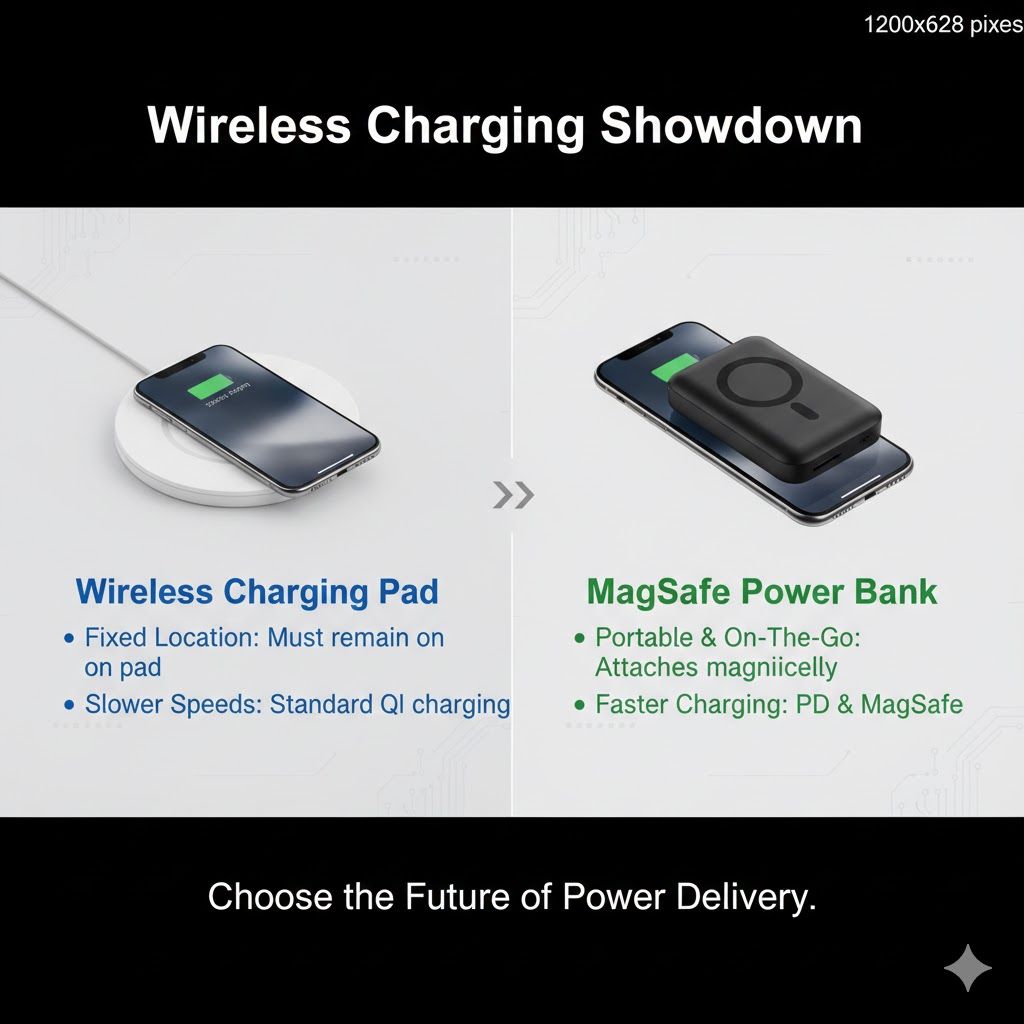
Magnetic charging (like MagSafe and Qi2) solves this physically. A ring of magnets surrounds the charging coil, forcing the power bank to snap into perfect alignment with the phone. This ensures maximum energy transfer efficiency every single time.
How does wireless efficiency compare to wired charging?
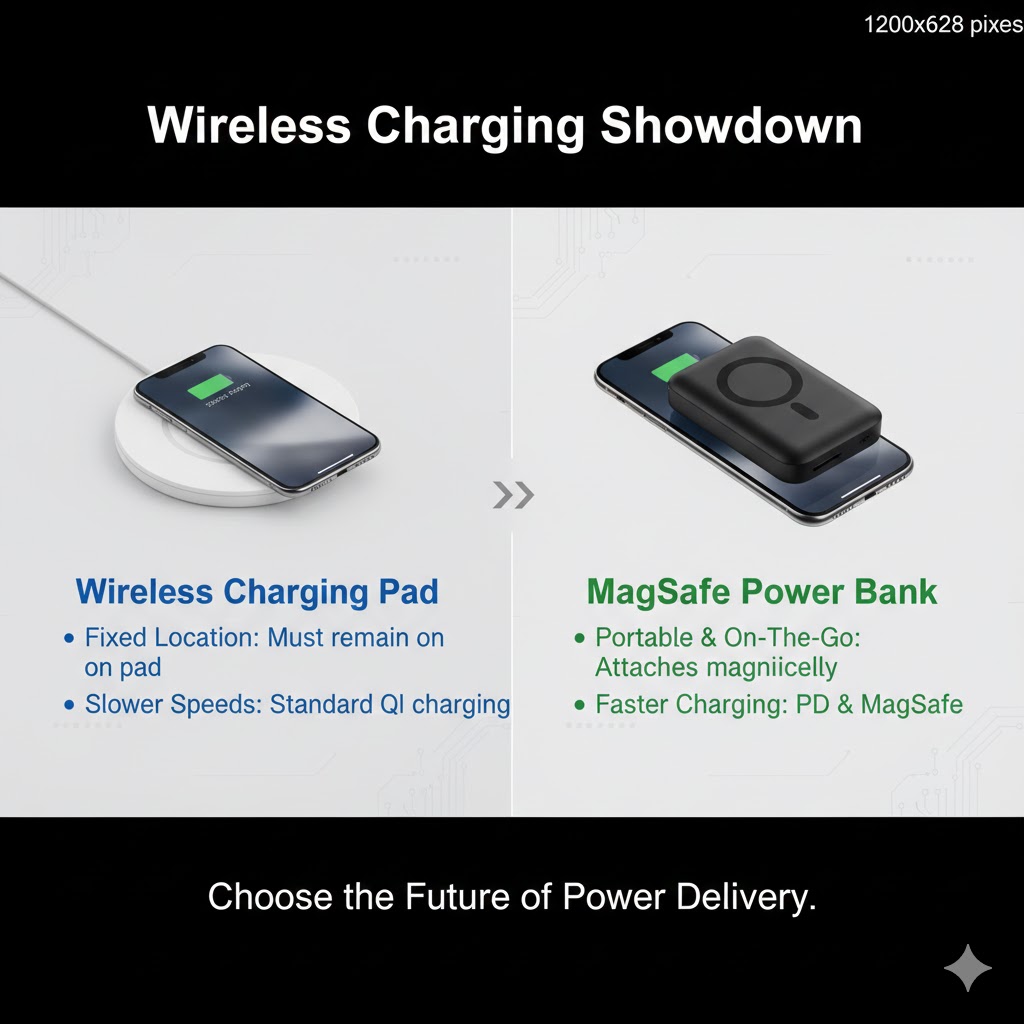
It is important to set realistic expectations. While magnetic alignment has vastly improved things, wired charging remains physically more efficient.
Table 1: Wired vs. Wireless Charging Efficiency Comparison
| Feature | Wired Charging (USB-C) | Magnetic Wireless Charging (Qi2/MagSafe) |
| Energy Efficiency | High (~90-95%) | Medium-High (~75-85%) |
| Heat Generation | Low | Moderate (Energy loss converts to heat) |
| Convenience | Low (Requires plugging in) | Highest (Snap and go) |
| Max Potential Speed | Very High (100W+) | Limited (Currently peaking around 15W-25W) |
3. Popular Wireless Power Bank Models Trends in 2026
The market has moved beyond the "one-size-fits-all" black brick. In 2025, wireless power bank manufacturer are specialized tools designed for specific lifestyles.
The "Daily Carry": Compact & Aesthetic Models
For students, young professionals, and urban commuters, bulk is the enemy. This trend focuses on ultra-compact magnetic power banks—often around 5,000mAh—that snap onto the back of a phone without adding significant weight or thickness.
These models are treated as fashion accessories. They feature unique textures, vibrant colors, and minimalist designs that complement the phone rather than burdening it. They provide just enough power to get through a heavy day, focusing on portability over massive capacity.
The "Executive Pro": High-End MagSafe Performance
This category serves business travelers, content creators, and power users who demand peak performance. These premium magnetic power banks typically range from 10,000mAh to 20,000mAh and push the boundaries of wireless speed, offering true 15W or even emerging 25W wireless output.
Key features defining this trend include:
-
TFT Digital Displays: Providing real-time data on exact battery percentage and input/output wattage.
-
Multi-Device Charging: The ability to magnetically charge a phone while simultaneously charging an Apple Watch wirelessly and a laptop via a wired USB-C port.
The "Ecosystem Hub": Desktop & Travel Combinations
These are versatile, multi-functional units that blur the line between a stationary desktop charger and a portable battery.
They often feature unique, convertible designs. On a desk, they act as a stand, charging your phone, earbuds, and watch simultaneously while connected to a wall outlet. When it's time to leave, the main magnetic power bank module detaches, ready for travel. They are designed to be aesthetically pleasing desk décor as much as functional technology.
4. Key Features to Look For in Magnetic Power Banks
When selecting a magnetic power bank in 2026, several technical parameters differentiate generic products from premium solutions.
What are the critical parameters to check?
-
Magnetic Strength: A weak magnet means the power bank falls off in your bag. Look for "N52 grade" magnets or strong pull-force ratings.
-
True Wireless Wattage: Many cheap banks claim "fast wireless," but only deliver 7.5W to iPhones. Look for explicit support for 15W MagSafe or Qi2 certification for faster speeds on compatible Android and iOS devices.
-
Pass-Through Charging: Can the power bank charge itself from a wall outlet while simultaneously wirelessly charging your phone? This is essential for overnight travel.
The Shenzhen ESC Advantage in Magnetic Charging
At Shenzhen ESC, we have heavily invested in refining the magnetic charging experience. We recognized early on that standard off-the-shelf molds could not meet the demands of 2025's discerning users.
Our advantage lies in proprietary private-mold designs that prioritize ergonomics and functionality:
-
Ultra-Slim Profile: We engineer our PCBs to maximize slimness, ensuring the phone remains comfortable to hold while charging.
-
Integrated Metal Kickstands: A robust, fold-out stand is built into the chassis, allowing users to prop their phones up for video calls or movie watching while magnetically charging—perfect for working on the go.
-
Intelligent Thermal Management: We utilize advanced thermal pads and chip algorithms to ensure that wireless charging does not overheat the device, protecting phone battery health.
-
Customizable Power Output: Recognizing diverse market needs, Shenzhen ESC offers customizable wireless solutions, allowing OEM partners to select 10W, 15W, or emerging 25W wireless configurations based on their target audience.
5. Chargers for Wireless OEM Power Banks
It is a common oversight: buying a fast wireless power bank but using an old 5W wall cube to recharge it.
A 10,000mAh magnetic power bank takes hours to fill on an old charger. To maximize the utility of modern power banks, they must be paired with high-wattage GaN (Gallium Nitride) wall chargers.
The trend in 2025 is bi-directional fast charging. The USB-C port on the wireless power bank used to charge other devices by wire should also accept high-speed input (at least 20W-30W) to recharge its internal battery rapidly.
6. Pros and Cons: Wireless vs. Wired Power Banks
Is the switch to magnetic wireless right for every application? Not necessarily.
Table 2: A Comparative Overview
| Feature | Magnetic Wireless Power Banks | Traditional Wired Power Banks |
| Primary Pro | Unmatched Convenience: No cables needed; snaps on perfectly every time. | Maximum Speed & Efficiency: Zero energy loss; fastest possible charging rates. |
| Primary Con | Slower Speeds & Heat: Generally slower than wired; generates more heat during energy transfer. | Cable Clutter: Requires carrying and managing separate charging cables. |
| Portability | High: Often designed to become part of the phone. | Medium: The bank itself may be small, but the cable adds bulk. |
| Best Use Case | Daily commuting, travel, and topping up while using the phone. | Emergency rapid recharges, charging high-power devices like laptops. |
| Price Trend | Premium pricing due to magnets, coils, and complex chips. | More affordable for higher capacities. |
7. Conclusion + Call to Action
The trajectory for 2025 and beyond is undeniable: the future of portable mobile charging is wireless and magnetic. The convenience of "snap-and-go" aligns perfectly with the fast-paced nature of modern life, making traditional cable-based charging feel increasingly obsolete for handheld devices. While wired connections will always have a place for maximum speed, the magnetic power bank is becoming the standard everyday carry.
As the market matures, the differentiation will come from quality, design innovation, and thermal performance.
Are you looking to bring cutting-edge magnetic charging solutions to your market?
Shenzhen ESC specializes in high-performance, private-mold OEM/ODM charging solutions. From ultra-slim magnetic packs with digital displays to high-wattage multi-device hubs, we can help you customize the perfect product for 2025's demanding consumers.
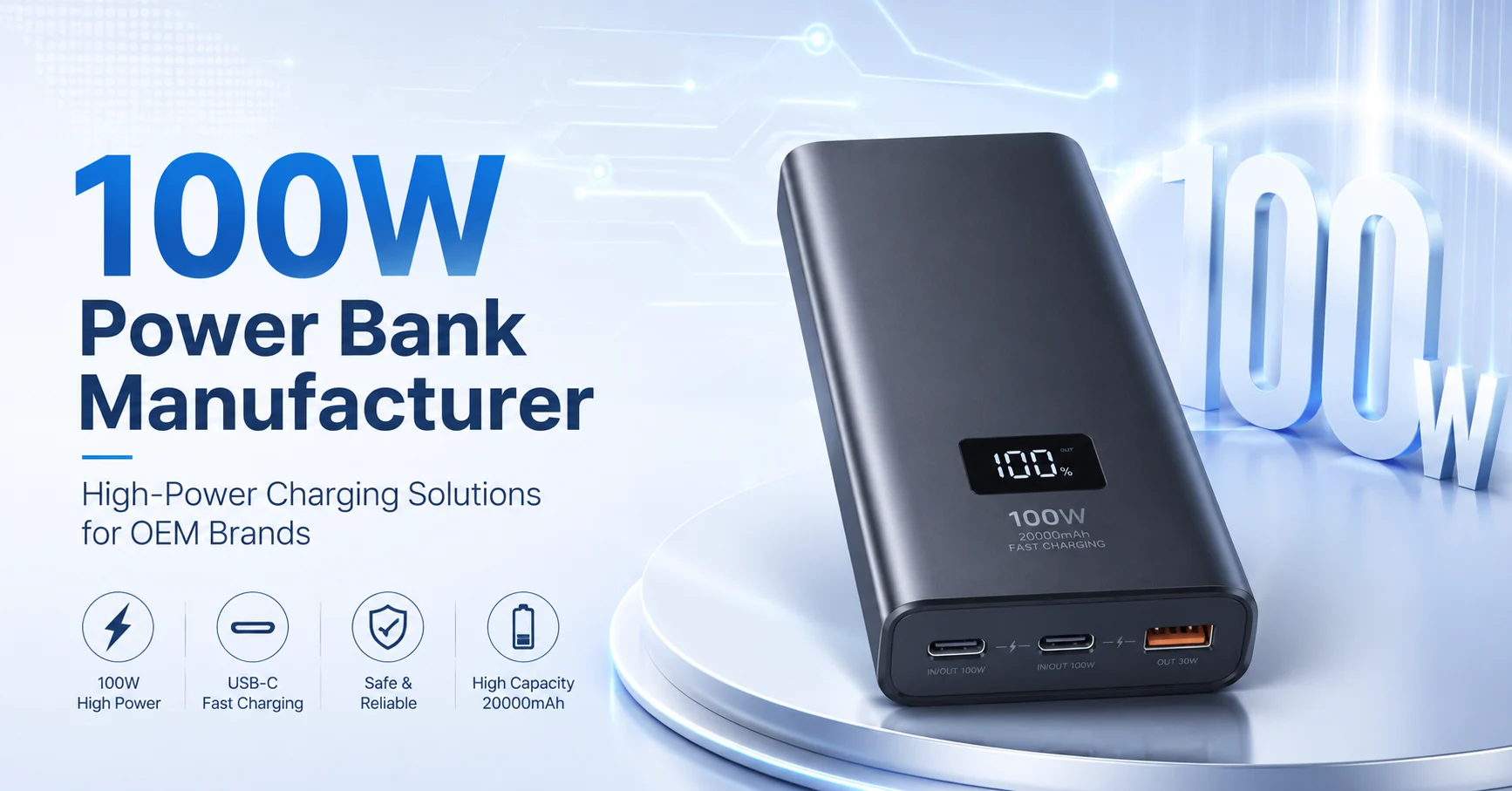
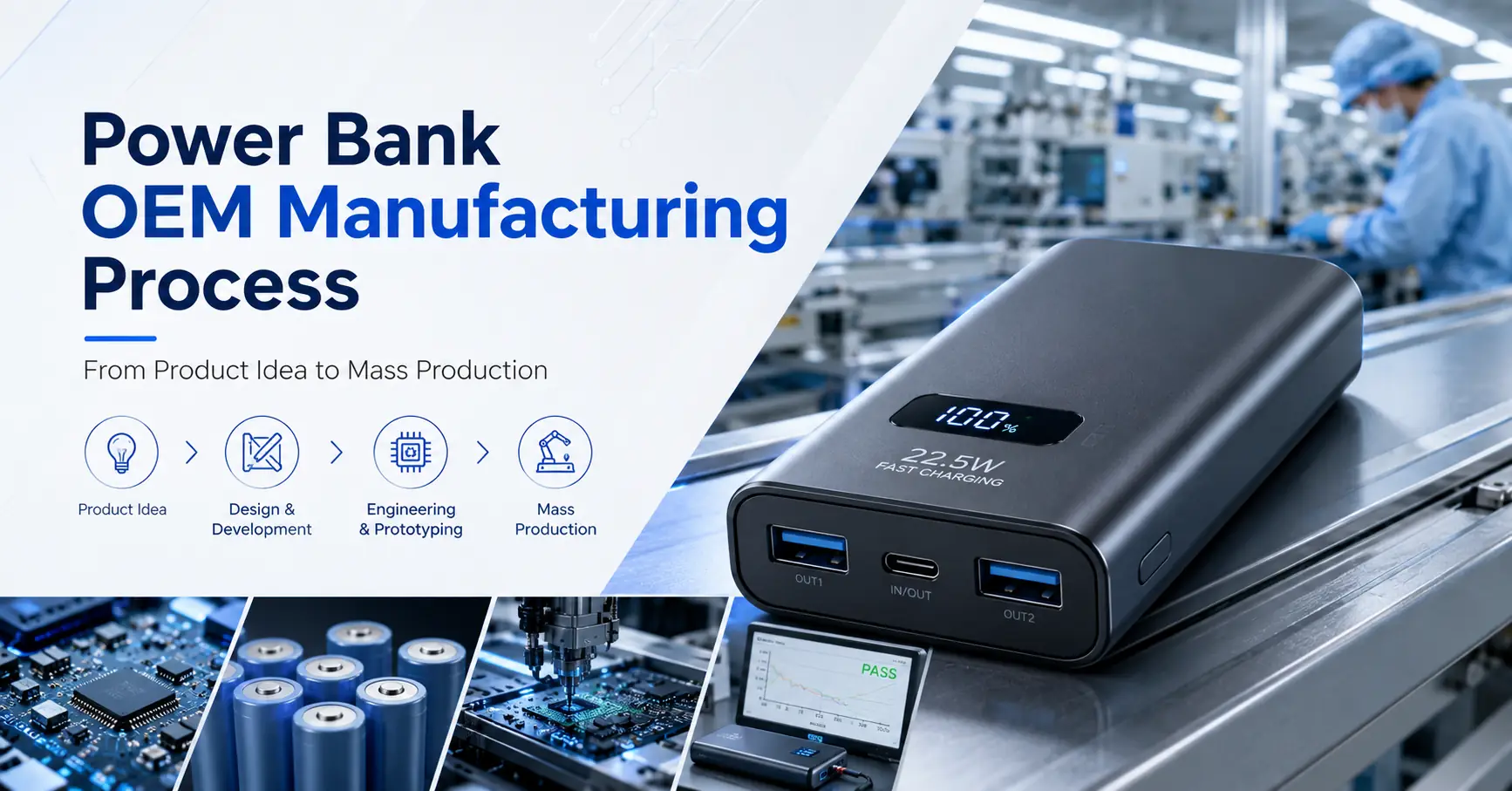
Shenzhen ESC is a leading power bank manufacturer with over 10 years of production experience. Specializing in fast-charging power banks and chargers, we feature an R&D team with listed company expertise and proprietary chip technology. Our high-power products deliver multi-brand fast charging compatibility without overheating.
Certified for quality and safety, our products are exported to dozens of countries worldwide.
Interested in OEM/ODM partnerships? Contact us today!
WhatsApp/WeChat: +86 18576695768
Email: amy@escpowerbank.com
YouTube: https://www.youtube.com/@escpowerbank
We look forward to powering your business!Partner with a leader in fast-charging technology. Powering your business, wherever you go.