
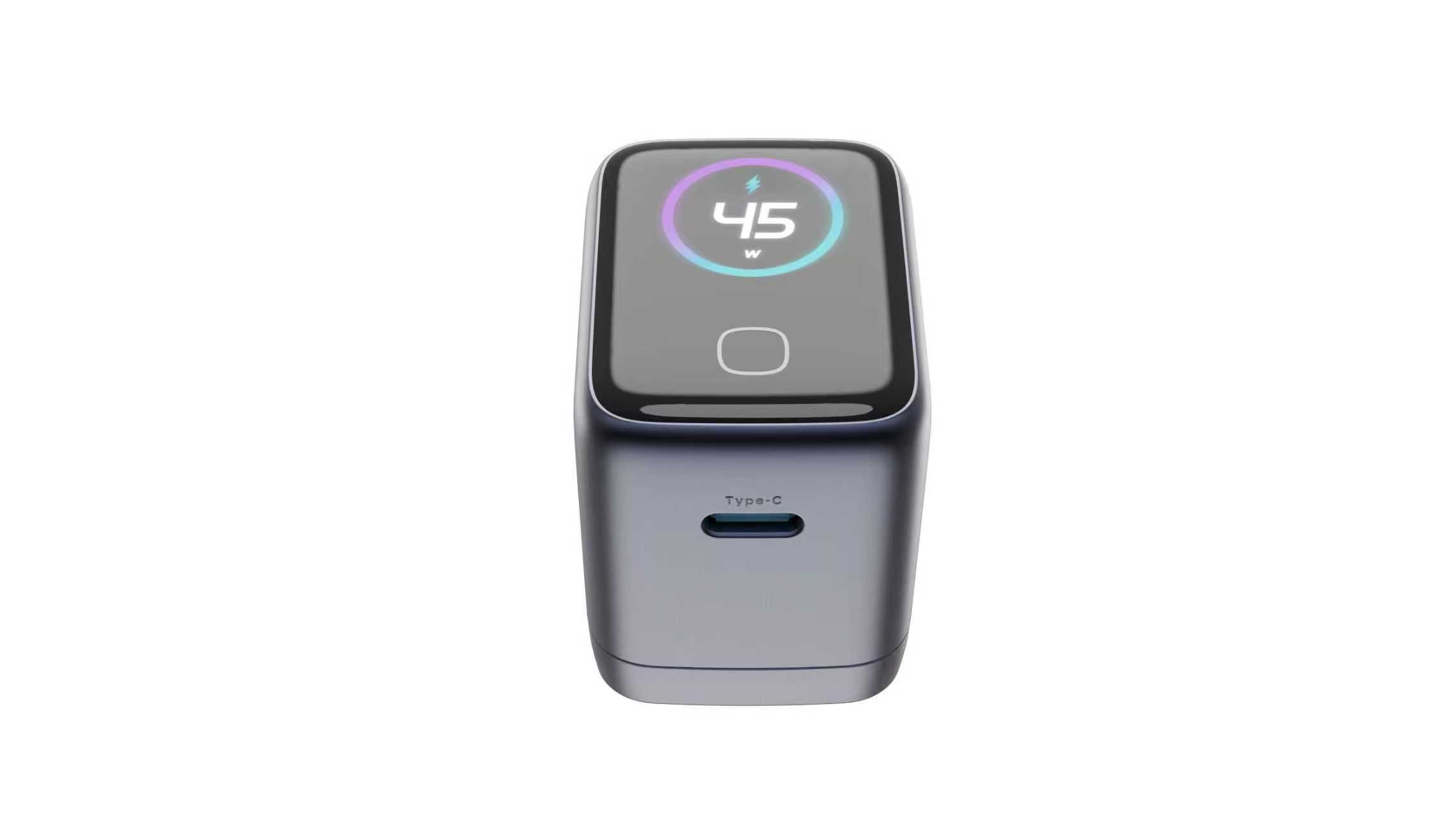
USB-PD 3.1, through EPR (Extended Power Range), elevates charging power to 240W. This is not merely a numerical upgrade—it represents a complete overhaul of power architecture, from circuit design and topology to thermal management systems. The true core of PD3.1 manufacturing lies in maintaining ultra-low ripple voltage and conversion loss under high-voltage current, rather than just stacking specifications.
For global B2B buyers, the challenge in sourcing PD3.1 suppliers has shifted from “who can make it” to “who can make it stable.” Homogenized turnkey products often experience thermal runaway or compatibility collapse at high power levels above 140W, leading to high return rates and potential safety recalls.
AOVOLT (Xindian Technology), leveraging core R&D teams from Xiaomi, OPPO, and Vivo, brings smartphone-grade power management precision to PD3.1 production. Through self-developed PCBA architectures, they address the “temperature rise and efficiency bottlenecks” in high-power charging, offering OEM/ODM partners factory-level performance guarantees.
PD3.1: Beyond Power Upgrade, the Brand Premium Divider
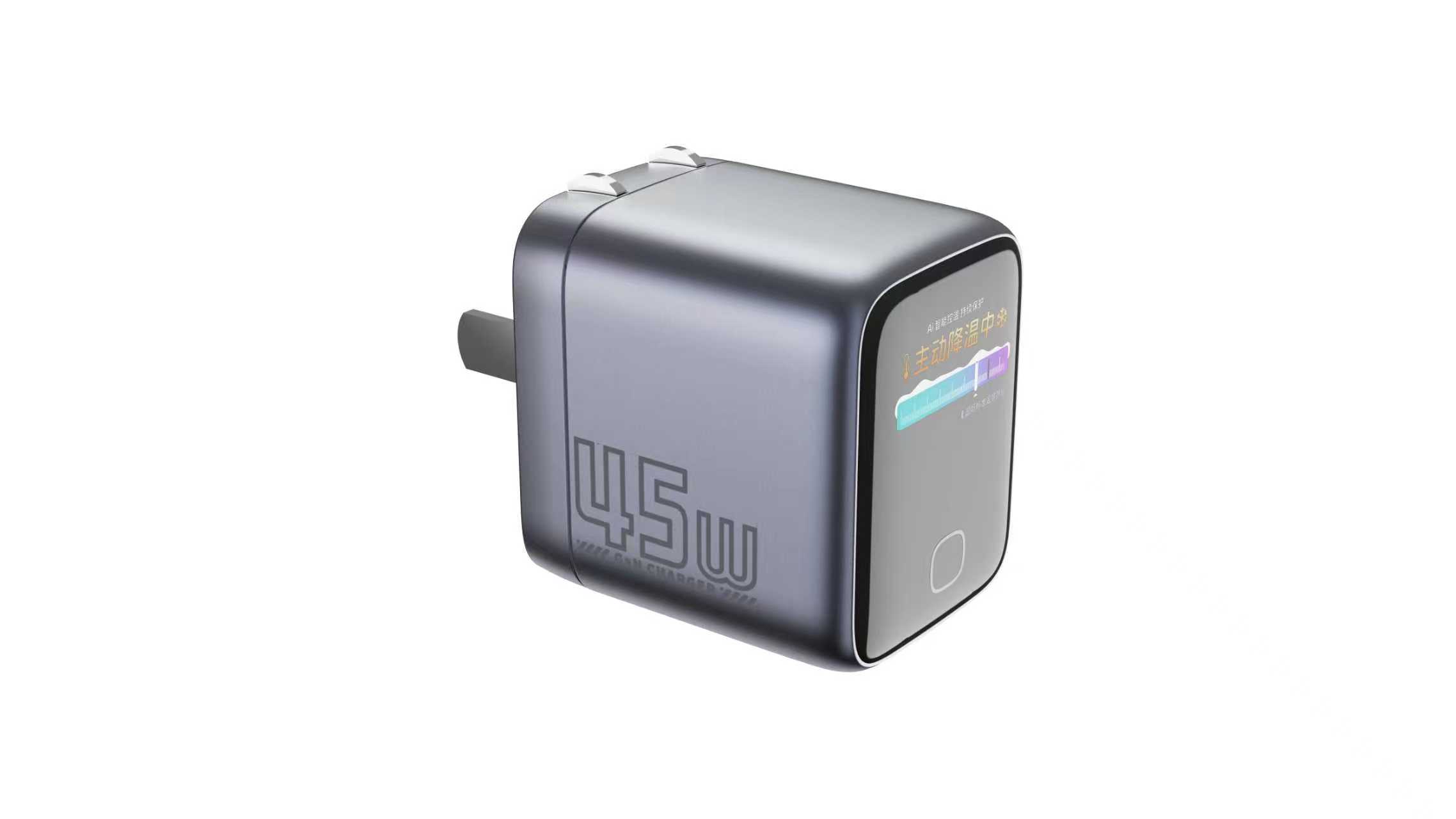
In 2026, the fast-charging market has made PD3.0 (100W) a red ocean, while PD3.1—especially custom voltage levels of 28V, 36V, and 48V—is becoming the new standard for high-performance laptops, outdoor power stations, and professional imaging devices.
From 100W to 240W: The Technical Leap
PD3.1 introduces EPR technology, supporting up to 48V/5A output. Manufacturers must therefore handle higher voltage stress reliably.
Voltage Level Optimization: Traditional 20V architectures have reached physical limits; PD3.1 demands precise synchronous rectification technology.
Protocol Backward Compatibility: Full compatibility with PPS, QC5.0, and brand-specific protocols is required, placing high demands on controller firmware tuning.
Hidden Costs for B2B Buyers
Choosing low-end PD3.1 solutions can cost heavily within 3–6 months after shipment:
-
Excessive EMI: Can disrupt nearby wireless devices.
-
Poor Dynamic Response: Voltage spikes under fluctuating loads can damage downstream ICs.
-
Shortened Lifespan: Continuous operation near critical temperature dries out electrolytic capacitors.
Beware of PD3.1 Manufacturing Traps
High-power chargers become exponentially harder to manufacture as power increases. When evaluating factories, three core dimensions determine product lifespan.
Thermal Management Paradox in High Power Density
Pursuing extremely compact designs (high power density) naturally conflicts with heat dissipation. Many factories sacrifice thermal space for visual appeal, causing casing temperatures to exceed 70°C after 30 minutes of full-load operation.
AOVOLT Solution: High-thermal-conductivity encapsulation, multi-layer PCB thermal design, and GaNFast™ GaN technology ensure full-load temperatures remain well below IEC limits at 25°C ambient temperature.
Compatibility “Black Hole” of Turnkey PCBAs
About 80% of small to medium factories use third-party turnkey solutions with limited ability to modify the underlying protocol stack.
Risks: Firmware updates on MacBooks or gaming laptops often cause “handshake failures” or intermittent charging.
Solution: Only choose factories with self-developed PCBA capabilities. AOVOLT’s R&D team can capture protocols and fine-tune them for specific brands.
Core Performance Metrics: Self-Developed vs. Standard Solutions
| Technical Metric | Standard PD3.1 | AOVOLT Self-Developed PD3.1 | Buyer Benefits |
|---|---|---|---|
| Conversion Efficiency | 88%–91% | 94%–95.5% | Lower heat, longer product lifespan |
| No-Load Power Loss | <0.15W | <0.075W | Meets stricter EU Tier 2 energy efficiency |
| Ripple Control | 150–200 mV | <80 mV | Protects device battery life |
| Power Distribution | Static (disconnects when unplugged) | Dynamic Smart Swapping | Enhanced multi-device charging experience |
AOVOLT’s R&D Moat: Bringing “Smartphone Factory-Level” Architecture to Power Manufacturing
In fast charging, stacking components is just the baseline. Real differentiation comes from the perfect balance between power density and efficiency. AOVOLT’s core engineers have led proprietary protocol development for top domestic smartphone brands, replicating these strict “factory-level” standards in PD3.1 product lines.
Self-Developed PCBA: Breaking Turnkey Limitations
Many factories rely on reference designs provided by chip vendors, producing highly homogenized products. AOVOLT develops its own PCBA topology:
-
Synchronous Rectification Optimization: Redesigning control loops for 28–48V high-voltage environments, reducing dynamic load response to microseconds.
-
Stacking Miniaturization: 3D circuit stacking allows 140W output in a footprint over 20% smaller than competitors.
Dynamic Power Intelligence
B2B customers often complain: “When a second device is plugged in, the first device disconnects.” AOVOLT’s Smart Swapping 2.0 enables seamless multi-port charging:
-
Real-Time Monitoring: Millisecond detection of device insertion, dynamically adjusting output per device SoC.
-
Cooling Algorithm: Smooth power adjustment near thermal thresholds prevents interruption while controlling temperature.
Differentiation & Compliance: Strategic Tools Against Homogenization
For cross-border e-commerce (Amazon, Walmart) and offline overseas channels, compliance and patent uniqueness are lifelines.
Patented Design: Avoid Turnkey Legal Risks
From 2025–2026, platforms have intensified enforcement against design infringement. AOVOLT invests 12% of annual revenue in industrial design:
-
Exclusive Appearance: All PD3.1 chargers and power banks have original design patents.
-
Brand Recognition: Deep customization (casing, color, logo, texture) helps OEMs avoid automated price-comparison associations.
Global Compliance Checklist
Certifications not only satisfy legal requirements but also validate performance. AOVOLT’s labs hold ISO9001 certification, and every PD3.1 product has a complete compliance report.
| Region / Standard | AOVOLT Standard |
|---|---|
| North America | FCC / UL 62368-1, 5000V surge test for high-voltage EPR |
| Europe | CE / RoHS / ErP, standby power better than EU Tier 2 efficiency |
| Global / Logistics | UN38.3 / MSDS, power banks tested for puncture, high-altitude drop, extreme temp cycles |
| Safety | IEC 62133, full lifecycle monitoring for internal battery PD3.1 power banks |
Quality Control as Life: AOVOLT’s Path to 0.3% RMA
In B2B bulk trading, a 1% defect rate can ruin a brand. AOVOLT implements a closed-loop quality system to maintain RMA (return merchandise authorization) below 0.3%.
Strict Material Selection
-
GaN Chips: Navitas or factory-authorized GaN.
-
Capacitors: Solid capacitors rated 105°C, 5000-hour lifespan (vs. industry 2000-hour standard).
Automated, Real-World Simulation Testing
Before shipment, every batch undergoes:
-
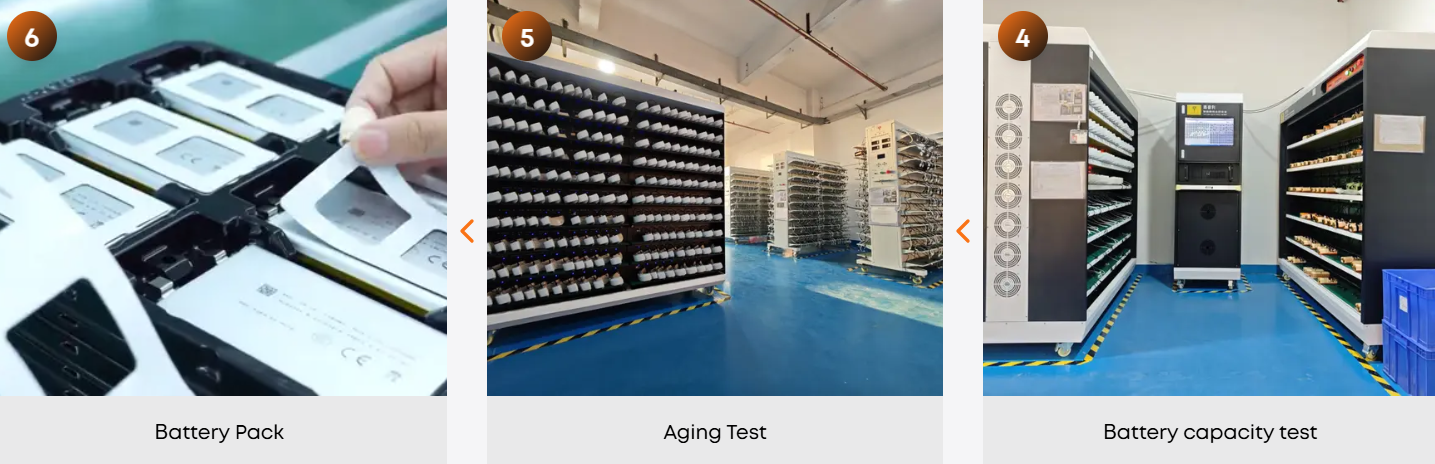
100% Full-Load Aging: 4 hours at 140W/240W in a 40°C chamber.
-
Compatibility Lab: Covers 200+ mainstream devices (MacBook M1–M4, iPhone, Samsung S-series, high-end laptops).
-
Plug & Drop Tests: USB-C maintains firm connection after 10,000 insertions.
Conclusion: Choosing the Right Long-Term Partner in the PD3.1 Wave
The 2026 fast-charging market is no longer about price wars—it is a contest of deep R&D and supply chain stability. AOVOLT offers not just PD3.1 chargers, but a complete B2B solution integrating R&D endorsement, patent protection, and compliance safety.
Choosing AOVOLT means experiencing “factory-speed charging” with a low-heat, safe operation guarantee.
References: