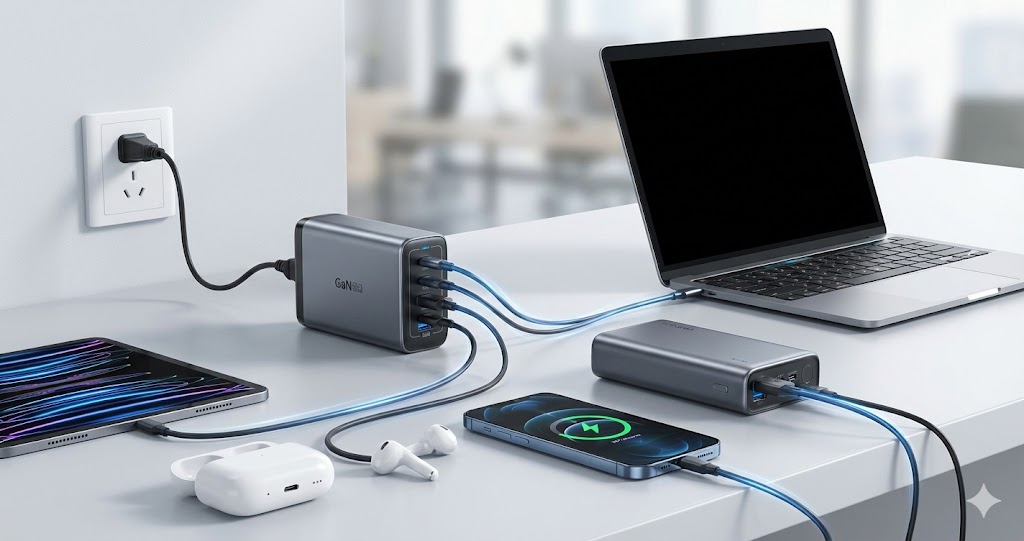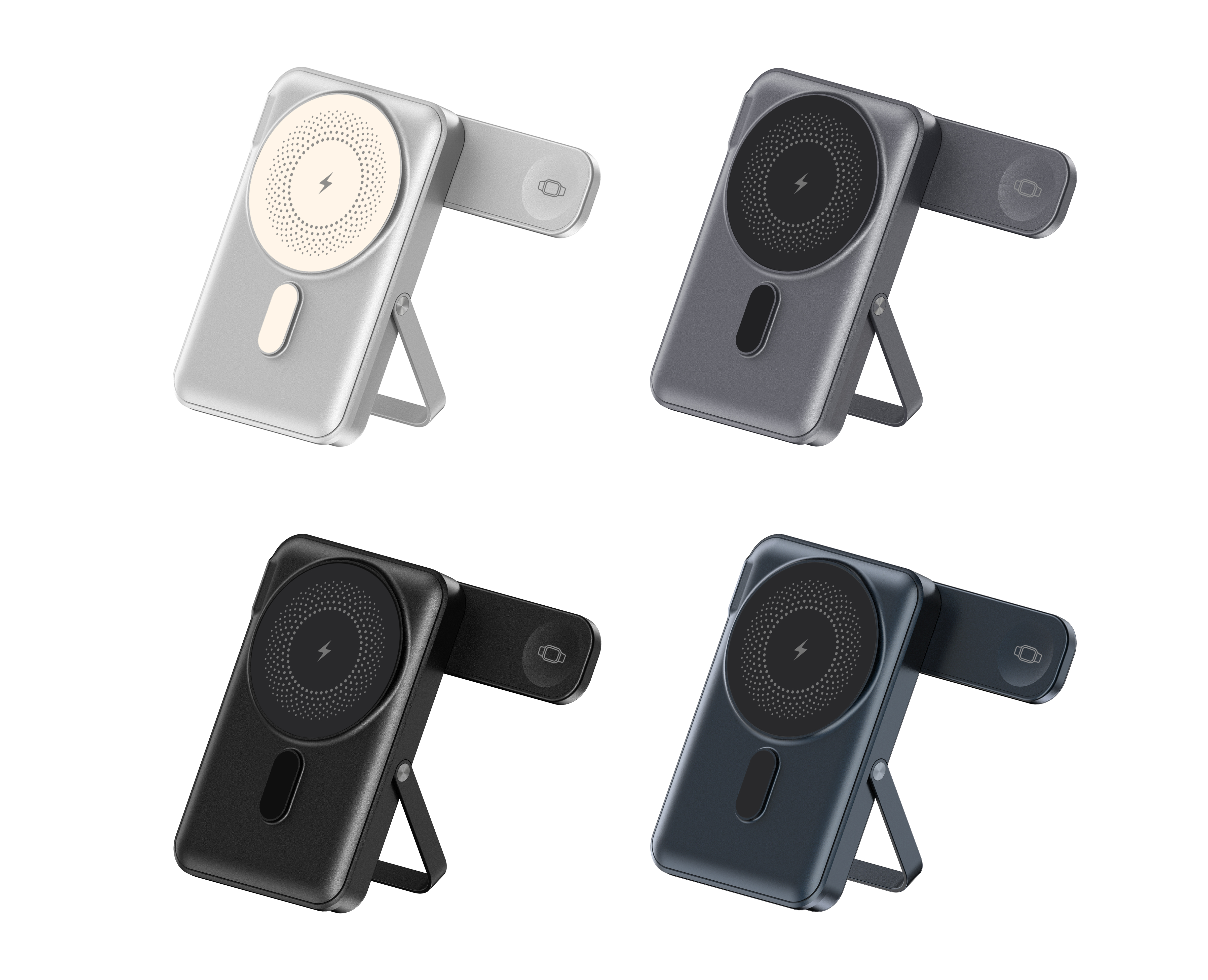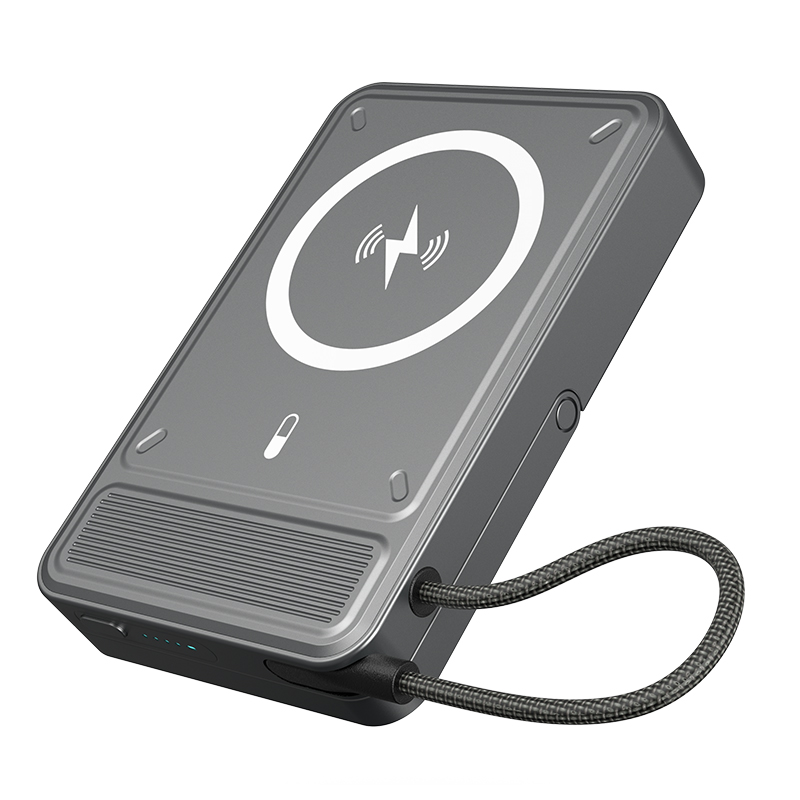


The modern consumer is no longer defined by a single device. A typical user’s daily carry includes a smartphone, a tablet for work, noise-canceling earbuds for the commute, and often a smartwatch or laptop.
For years, the industry standard was a one-to-one relationship: one device, one charger. However, this model has become obsolete. The demand for multi-device charging solutions—power banks and wall adapters capable of powering several electronics simultaneously—is skyrocketing.
In this guide, we will explore why multi-device charging is becoming the new standard, the technical innovations making it possible, and what brands and retailers must prioritize when sourcing these next-generation power accessories.
Quick Comparison: Single-Port vs. Multi-Port Charging
Before diving into the technical details, here is a quick breakdown of why the market is shifting away from single-port solutions.
| Feature | Traditional Single-Port Charger | Modern Multi-Device Charger |
| Convenience | Low; requires multiple outlets/cables | High; one outlet powers 2-4 devices |
| Portability | Bulky; users carry multiple "bricks" | Compact; one adapter covers all needs |
| Power Distribution | Fixed (e.g., always 20W) | Dynamic (Adjusts based on load) |
| Travel Suitability | Poor; heavy and clutter-prone | Excellent; streamlines luggage |
| Cost Efficiency | Expensive to buy multiple units | Better value for total power output |
The Multi-Device Trend: Why Now?
The shift toward multi-port charging isn't just a convenience; it is a necessity driven by the "ecosystem" effect.
The Ecosystem Problem
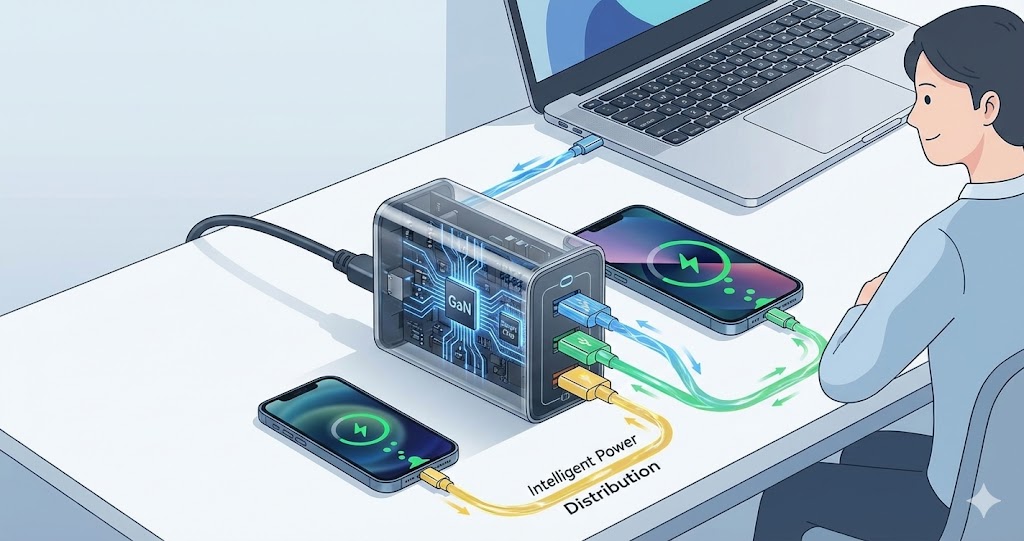
Consumers are increasingly buying into closed ecosystems (like Apple, Samsung, or Google). A user with an iPhone 15, an Apple Watch, and AirPods needs to charge all three every night. In a hotel room or a coffee shop with limited outlets, a single-port charger creates a bottleneck. Multi-port chargers solve this "outlet anxiety" by allowing users to plug in a single brick and power their entire digital life at once.
The Rise of High-Power Devices
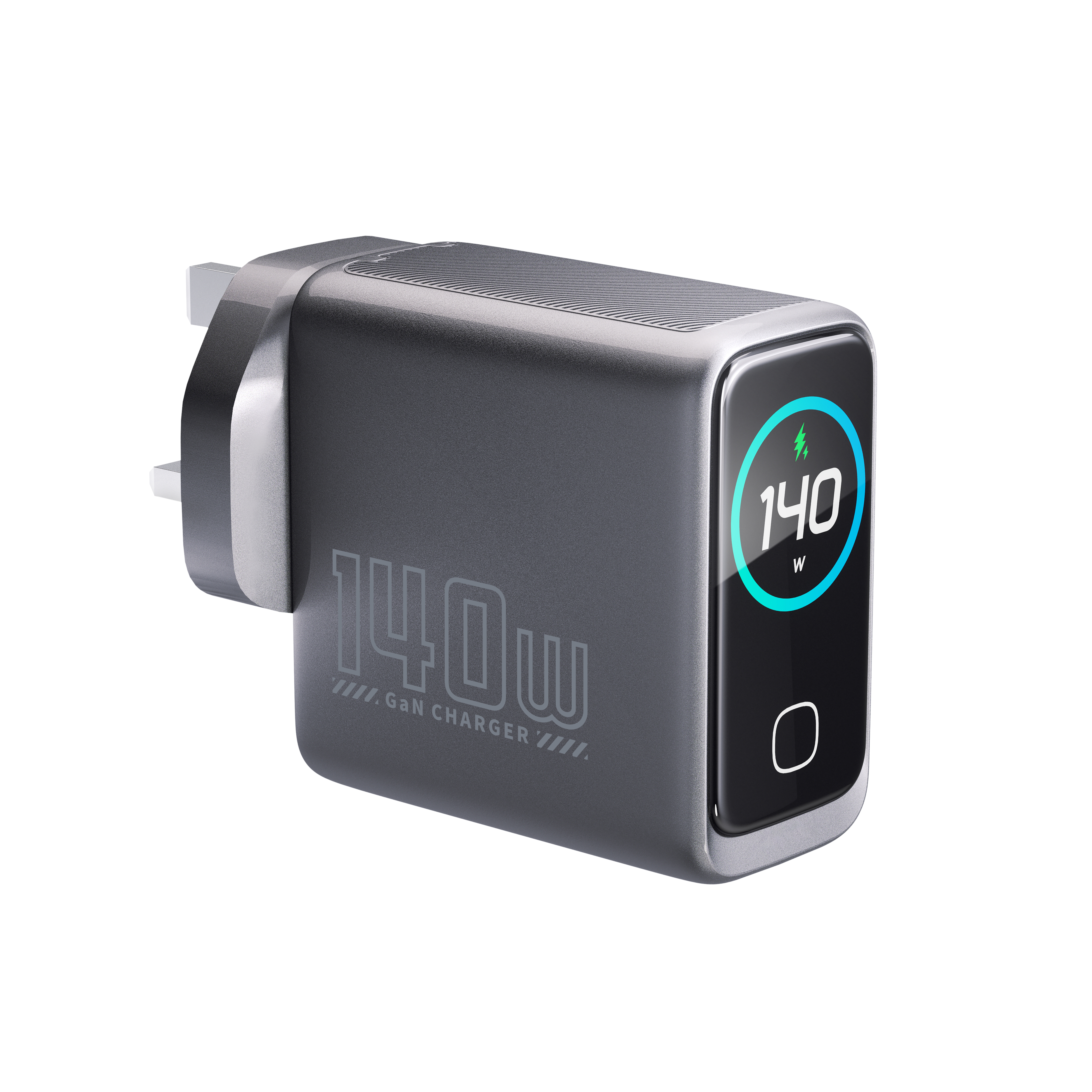
Historically, multi-port chargers were slow. Plugging in a second device often caused the charging speed of the first to plummet. However, with the advent of USB-C Power Delivery (PD) and Gallium Nitride (GaN) technology, a compact charger can now deliver 100W or more—enough to fast-charge a laptop on one port while simultaneously rapid-charging a phone on another.
Technical Challenges and Engineering Solutions
Building a charger that can safely handle multiple distinct loads is significantly more complex than building a standard adapter. Suppliers must overcome specific engineering hurdles to deliver a premium product.
1. Intelligent Power Distribution
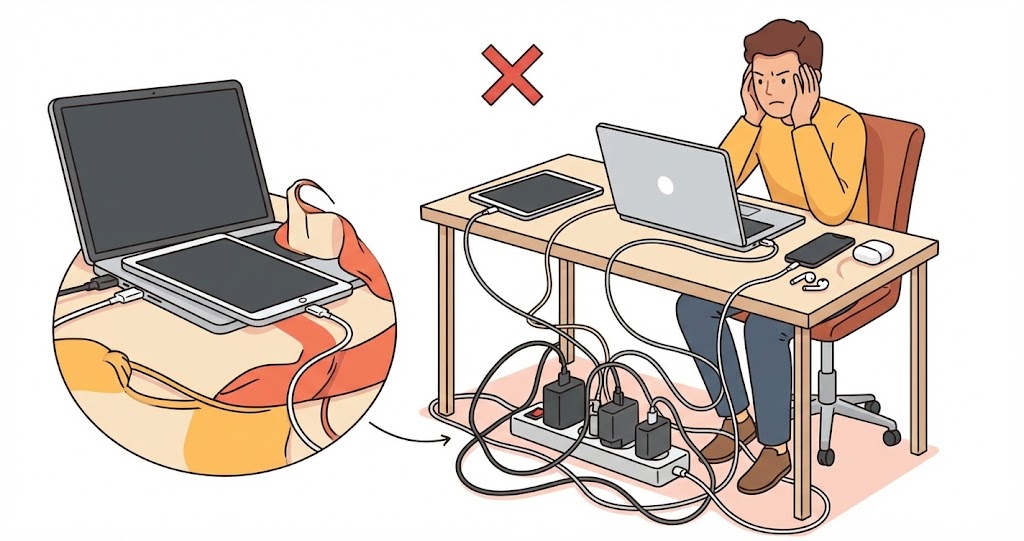
The most critical feature in modern multi-device chargers is Dynamic Power Allocation.
-
Inferior Design: A cheap charger splits power rigidly (e.g., 50/50). If you plug in a laptop requiring 65W and a phone requiring 20W into a 100W split charger, the laptop might not get enough juice while the phone port has unused potential.
-
Superior Design: Advanced controllers detect the specific protocol (PD, QC, PPS) and power needs of each connected device. The chip dynamically reallocates wattage—giving the laptop the full 80W it needs and the phone the remaining 20W—ensuring optimal speed for both.
2. Thermal Management
When multiple ports are active, the internal transformer works harder, generating more heat.
-
The Challenge: Overheating can trigger safety shut-offs or, worse, damage the battery health of connected devices.
-
The Solution: High-quality OEM manufacturers utilize GaN (Gallium Nitride) transistors. GaN operates with higher efficiency and produces less waste heat than silicon. Combined with advanced heat-dissipating potting compounds (glue) inside the casing, these chargers remain cool even under full multi-port load.
3. Cross-Port Interference
In poorly designed circuits, plugging in a second device causes a momentary power dropout on the first port. Premium chargers use independent circuit pathways (Buck-Boost converters) to minimize this "handshake" interruption, providing a seamless user experience.
Real-World Applications
Multi-device charging enhances the user experience across various scenarios, making it a strong selling point for lifestyle brands.
-
The Business Traveler: Instead of carrying a laptop brick, a phone charger, and a watch puck, a single 100W 3-port charger (2 USB-C + 1 USB-A) handles everything. This reduces weight and simplifies airport security checks.
-
The Family Hub: In living rooms or kitchens, a single powerful multi-port station can charge dad's tablet, mom's phone, and the kids' game controllers simultaneously, reducing the "cable spaghetti" mess on countertops.
-
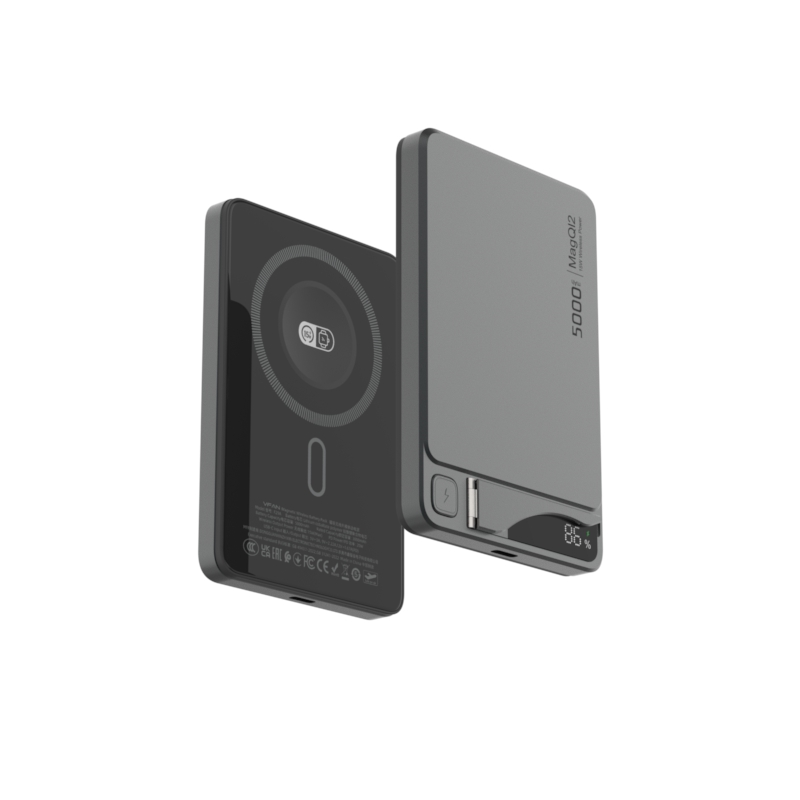
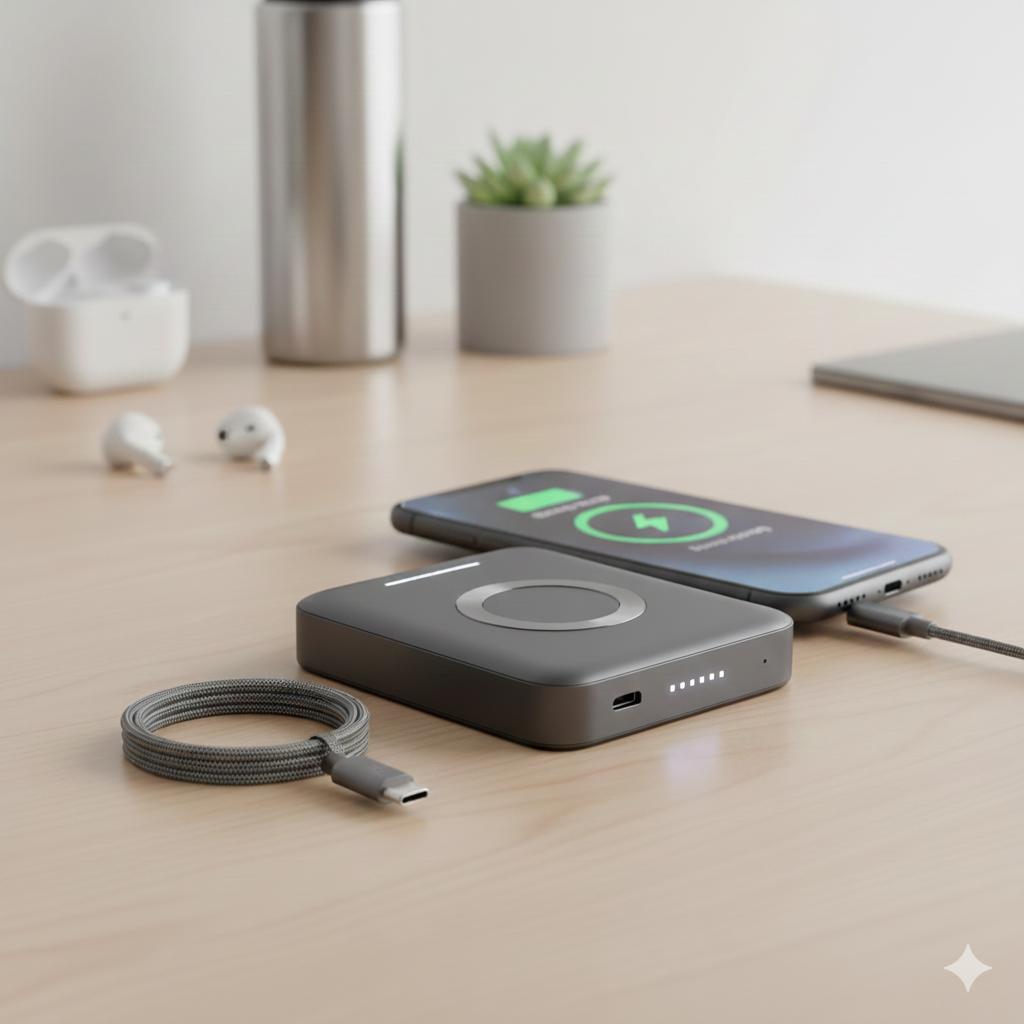
The Commuter: Power banks with multi-device output (e.g., USB-C + Wireless Charging + USB-A) allow commuters to charge their phone and earbuds while on the train, without needing to hunt for a wall socket.
What Buyers Should Look For (B2B Guide)
If you are a retailer, distributor, or brand sourcing power banks and chargers, prioritizing the right specifications is crucial for customer satisfaction and reducing return rates.
1. Port Configuration & Versatility
Look for a mix of USB-C and USB-A. While the world is moving to USB-C, legacy devices (like older e-readers or electric toothbrushes) still use USB-A. A "2C1A" (Two USB-C, One USB-A) configuration is currently the most popular and versatile balance.
2. Total Power vs. Single-Port Power
Be careful with marketing terms. A "100W Charger" might only deliver 100W when one device is plugged in. Check the Power Distribution Table to see how that drops when two or three devices are connected.
-
Ideal: A 100W charger that splits 65W + 30W (Perfect for Laptop + Phone).
-
Avoid: A 100W charger that splits 30W + 30W + 30W (Insufficient for most laptops).
3. Supported Protocols
Ensure the chipset supports the latest standards:
-
PD 3.0 / 3.1: For laptops and iPhones.
-
PPS (Programmable Power Supply): Essential for Samsung "Super Fast Charging."
-
QC 4.0+: For widespread Android compatibility.
4. Safety Certifications
Never compromise on safety standards. Ensure your OEM partner provides full compliance documentation, including UL, ETL, CE, FCC, and RoHS. This protects your brand from liability and ensures the longevity of your customers' expensive devices.
Conclusion
Multi-device charging is no longer a
 luxury feature; it is the baseline expectation for today's tech-savvy consumers. As devices become more powerful and ecosystems more interconnected, the ability to charge a laptop, phone, and accessory simultaneously from a single compact unit is a key market differentiator.
For brands, the opportunity is clear: by offering high-quality, intelligently designed multi-port power solutions, you can solve a daily pain point for your customers, positioning your product as an essential tool for modern living.
Ready to Power Your Product Line?
Are you looking for a reliable manufacturing partner to produce cutting-edge multi-device chargers or power banks?
Contact us today to discuss your OEM requirements. Our team specializes in advanced power distribution designs and GaN technology, helping you build a product lineup that stands out in a crowded market.
Shenzhen ESC is a leading power bank manufacturer with over 10 years of production experience. Specializing in fast-charging power banks and chargers, we feature an R&D team with listed company expertise and proprietary chip technology. Our high-power products deliver multi-brand fast charging compatibility without overheating.
Certified for quality and safety, our products are exported to dozens of countries worldwide.
Interested in OEM/ODM partnerships? Contact us today!
WhatsApp/WeChat: +86 18576695768
Email: amy@escpowerbank.com
YouTube: https://www.youtube.com/@escpowerbank
We look forward to powering your business!Partner with a leader in fast-charging technology. Powering your business, wherever you go.