

Why Magnetic Power Banks Fail in Real Use—and How a Reliable Manufacturer Fixes It
Many brands entering the mobile accessory market assume magnetic power banks are simple upgrades of traditional power banks. But once products reach users, problems quickly appear: weak magnetic attachment, slow charging speeds, overheating during wireless charging, or unstable alignment that interrupts power transfer.
These issues are not surface-level defects—they are the result of poor magnetic system design, inefficient wireless charging coils, and unstable internal power management.
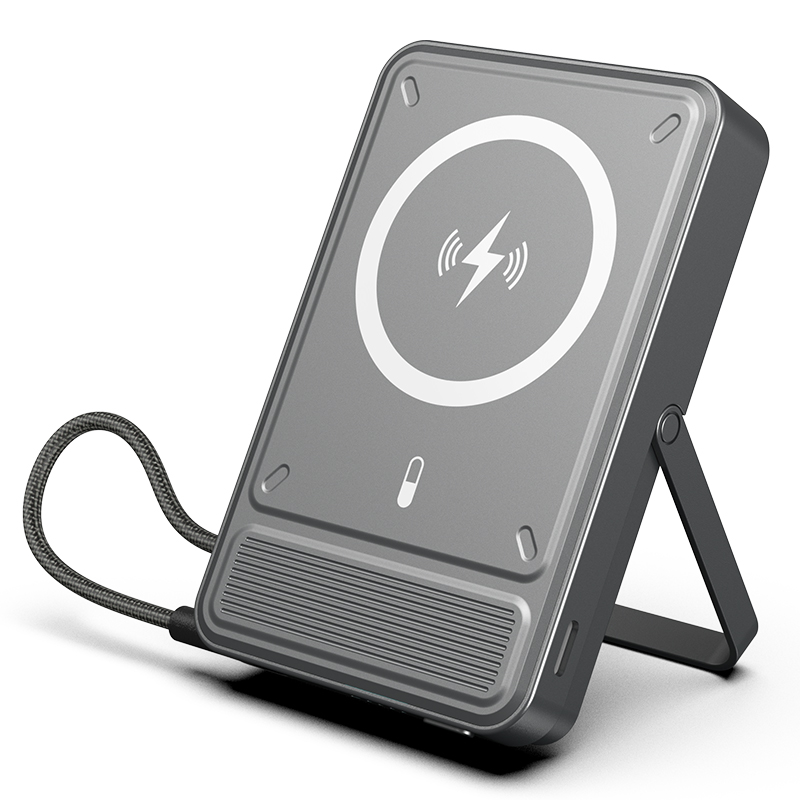
A professional magnetic power bank manufacturer solves these problems through precise magnetic alignment engineering, optimized coil design, and stable battery management systems. At AOVOLT, our development approach focuses on ensuring that magnetic power banks deliver consistent attachment strength, efficient wireless charging, and reliable performance during continuous use.
According to the Wireless Power Consortium (WPC), proper coil alignment and magnetic positioning are critical factors affecting wireless charging efficiency and safety.
https://www.wirelesspowerconsortium.com
Materials and Structural Design That Define Magnetic Power Bank Performance
Before evaluating performance, it is important to understand what actually makes a magnetic power bank work effectively. Unlike standard power banks, magnetic models require precise integration of multiple systems.
Core components include:
-
high-density lithium battery cells
-
wireless charging coil modules
-
magnetic ring structures
-
PCB power management system
-
heat dissipation layers
Magnet selection is especially critical. Most high-quality products use N52 neodymium magnets, which provide stronger magnetic force and better alignment accuracy.
Structural design considerations include:
-
coil-to-device alignment tolerance (typically <1mm deviation)
-
multi-layer shielding to reduce energy loss
-
heat-resistant casing materials
-
anti-slip surface coatings
Research from Battery University highlights that proper battery protection circuits and thermal management significantly extend battery lifespan and reduce safety risks in portable power devices.
https://batteryuniversity.com
These design elements determine whether a magnetic power bank delivers stable charging or becomes a source of user complaints.
Why Brands Choose AOVOLT for Magnetic Power Bank Manufacturing
When brands evaluate suppliers, many focus only on cost or capacity. However, magnetic charging products require deeper engineering capabilities.
At AOVOLT, our team combines wireless charging expertise, battery engineering, and OEM manufacturing experience to support global clients.
Our strengths include:
-
precision magnetic alignment engineering
-
optimized wireless charging efficiency
-
stable battery management systems
-
multi-device compatibility (phones, earbuds, accessories)
-
OEM customization for branding and structure
Because magnetic charging relies heavily on positioning accuracy, even small design errors can reduce efficiency by more than 20%. Our engineering process focuses on minimizing these losses through precise structural calibration and repeated performance testing.
Performance Comparison: Standard vs Magnetic Power Bank Engineering
The difference between low-end and high-quality magnetic power banks becomes clear when comparing real performance data.
| Parameter | Low-Quality Magnetic Power Bank | AOVOLT Optimized Design |
|---|---|---|
| Magnetic Strength | 800–1000g | 1400–1800g |
| Charging Efficiency | 65–72% | 78–85% |
| Heat During Charging | 45–55°C | 35–42°C |
| Alignment Stability | Moderate | High precision |
| Charging Interruptions | Frequent | Rare |
| Return Rate | 4–6% | <1.5% |
These improvements are achieved through better material selection, optimized coil design, and advanced PCB control systems.
Higher magnetic strength ensures stable attachment, while improved efficiency reduces energy loss and heat buildup.
Manufacturing Process That Ensures OEM Consistency
Even with strong engineering design, manufacturing consistency determines whether products perform reliably at scale.
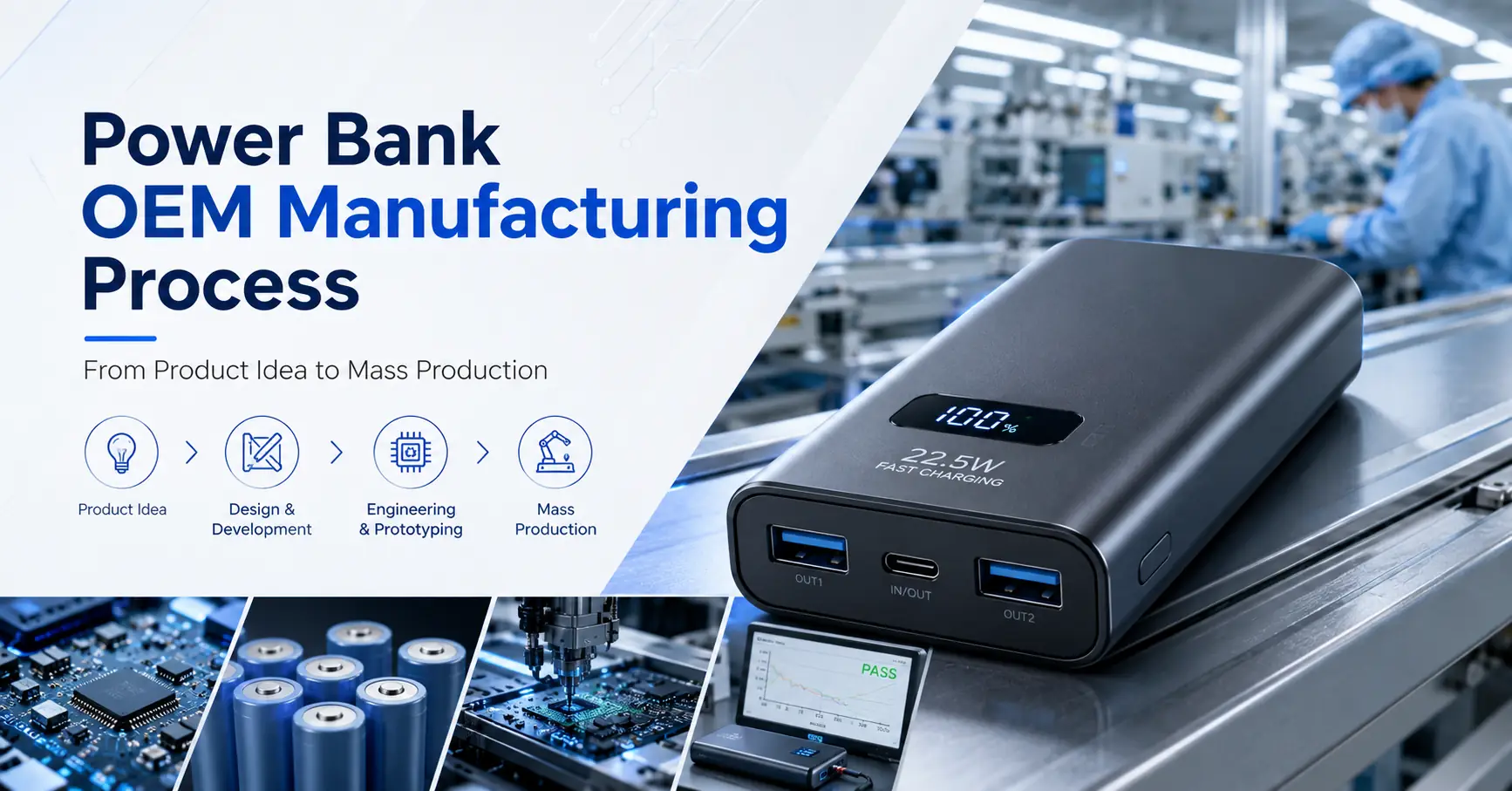
A professional magnetic power bank manufacturer follows a structured production workflow:
-
SMT PCB assembly for precise circuit control
-
coil positioning calibration
-
magnetic ring installation with alignment verification
-
battery integration and protection system testing
-
wireless charging efficiency testing
-
thermal stress testing under continuous load
Each unit is typically tested under real-world conditions, including continuous charging cycles lasting several hours.
This process ensures that magnetic alignment and charging performance remain consistent across production batches.
Case Study: Improving Magnetic Stability for a Consumer Brand
A North American brand approached AOVOLT after experiencing high return rates for its magnetic power bank product. Users reported weak attachment and inconsistent charging.
After analyzing the product, our engineers identified two major issues:
-
insufficient magnet strength
-
poor coil alignment accuracy
AOVOLT implemented the following upgrades:
-
replaced standard magnets with N52 neodymium magnets
-
redesigned internal coil positioning
-
improved PCB power regulation
-
added thermal management layers
The results were significant:
| Performance Metric | Original Product | AOVOLT Optimized Version |
|---|---|---|
| Magnetic Strength | 950g | 1600g |
| Charging Efficiency | 68% | 82% |
| Temperature | 50°C | 38°C |
| Return Rate | 5.2% | 1.3% |
| Customer Satisfaction | Moderate | High |
After optimization, the product achieved stable performance and was successfully relaunched across multiple e-commerce platforms.
Frequently Asked Questions
Q: What makes magnetic power banks different from standard power banks?
A: Magnetic power banks integrate wireless charging and magnetic alignment systems, allowing users to attach the device directly to smartphones without cables.
Q: Why is magnetic alignment important for charging performance?
A: Misalignment between the charging coil and device reduces efficiency and increases heat generation, which can affect battery safety and charging speed.
Q: What should brands look for in a magnetic power bank manufacturer?
A: Brands should evaluate magnetic strength, wireless charging efficiency, battery safety systems, and OEM production experience.
AOVOLT Magnetic Power Bank Manufacturing Capabilities and Solutions
Reliable magnetic charging products require more than basic assembly—they demand precise engineering, advanced materials, and strict manufacturing control.
AOVOLT provides complete solutions for magnetic power bank development, including product design, wireless charging optimization, battery integration, and OEM manufacturing. Our products are engineered for stable performance, high efficiency, and long-term durability in real-world usage scenarios.
If you want to explore our magnetic power bank product range, you can visit:
https://www.esccharge.com/products/power-bank
If you are developing a custom magnetic power bank project or need OEM support, our team can help you design and manufacture a solution tailored to your market:
https://www.esccharge.com/solution/customized-solution
With strong engineering capabilities and scalable production systems, AOVOLT helps brands deliver magnetic charging products that meet modern consumer expectations for convenience, reliability, and performance.