
The era of making a quick profit by exploiting information asymmetry in 3C accessory resale is completely over. As a product veteran who has monitored production on the frontlines of the consumer electronics hardware supply chain for 15 years, I’ve seen too many sellers break their cash flow due to a single wrong product choice. You want to source wholesale magnetic battery packs for resale on Amazon or offline stores to earn high margins? First, get to know the cards on this table.
Direct disclosure: In 2026, a genuine 10000mAh magnetic power bank with pure cobalt high-density soft pack cells, built-in 18 N52 neodymium magnet arrays, and an independent NTC temperature control module typically has a true FOB factory wholesale price in the range of $11.50–$15.00 (the 5000mAh version is $8.50–$10.50). If you see a tempting offer as low as $6 or even less on some platform, don’t celebrate too early. Inside, it’s almost certainly a high-internal-resistance recycled cell paired with a substandard PCBA that can melt the plastic casing under heat. Return rates (RMA) of up to 15% and negative customer reviews can bury your listing in two weeks.
To survive and truly capture profit in this business, you must pierce through the fog of middlemen and find a bulk MagSafe power bank supplier who understands the underlying hardware architecture. Next, we will dissect high-end magnetic fast charging versus industrial junk from an engineer’s teardown perspective.
Why the Magnetic Battery Pack Market is a Reseller’s Goldmine
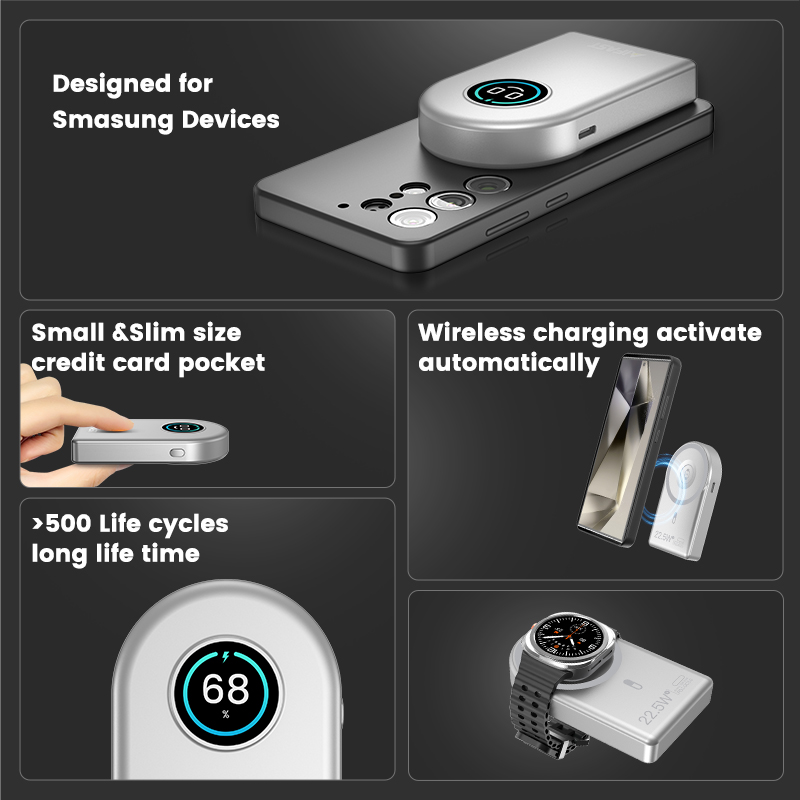
Traditional wired power banks have already become a blood-red market with razor-thin margins. But the magnetic ecosystem is different — here lies a deep-water zone where resellers can still dig for gold.
The MagSafe Ecosystem Boom and Consumer Demand
Apple has forcefully opened a new multi-billion-dollar track using physical magnets. Look at the market. According to the latest authoritative data from Future Market Insights, the global MagSafe-compatible accessory market will grow at a staggering 24.5% CAGR over the next five years. On the consumer behavior side, a North American survey shows that over 60% of iPhone 12 and later users prioritize magnetic wireless solutions when repurchasing charging accessories.
Wireless, seamless, click-and-go. This nearly addictive minimalist experience creates a natural ground for high-margin mobile accessories for resale. Consumers are willing to pay a 30–50% premium for the convenience of “carrying one less cable.”
High Margins: Why Bulk Sourcing Beats Dropshipping Arbitrage
Many startups are obsessed with the lightweight fantasy of drop-shipping magnetic chargers. In reality, no-inventory models are a price-grinding machine. You don’t get factory bottom prices, cannot control product quality, and forget about brand recognition.
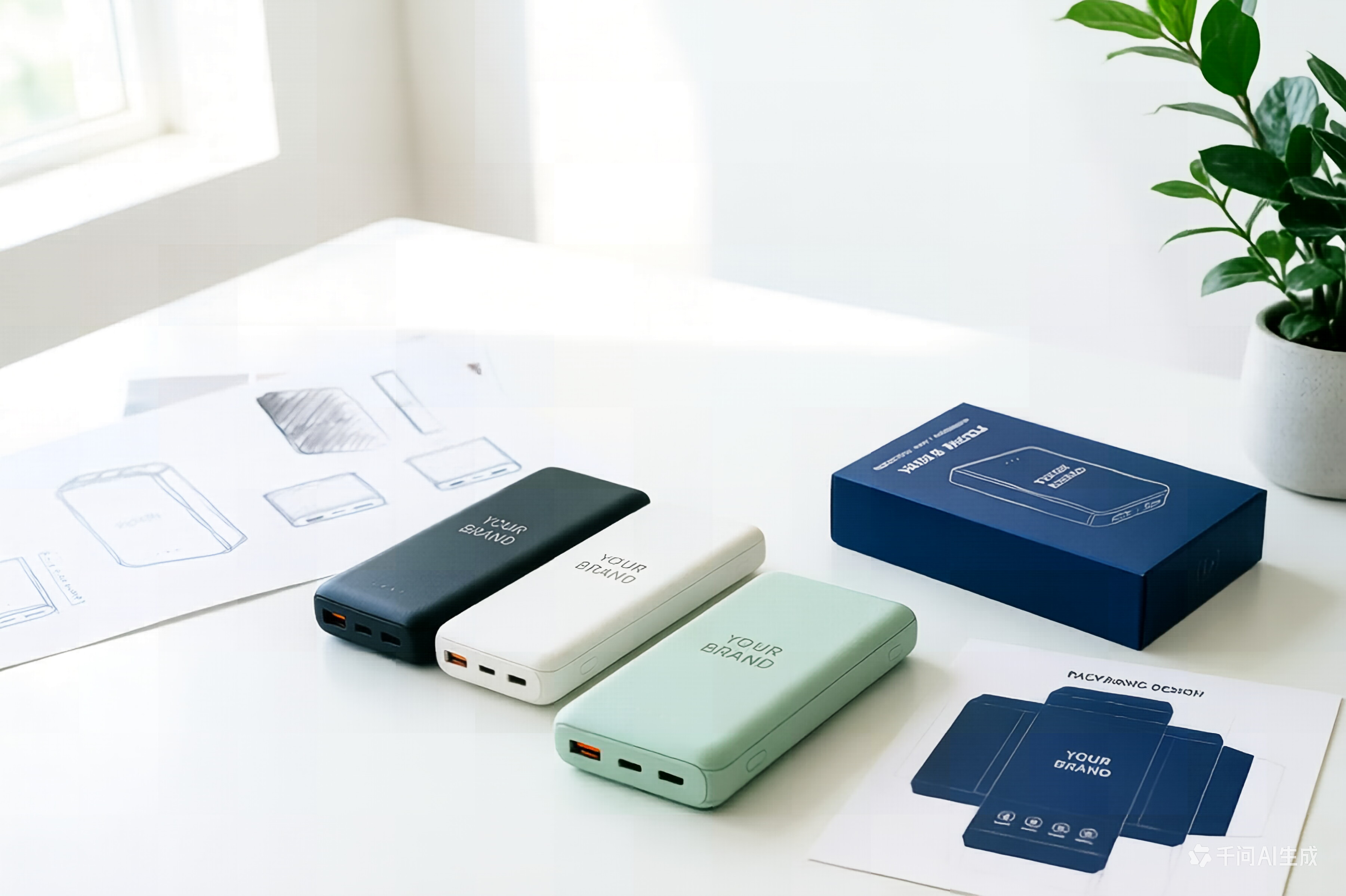
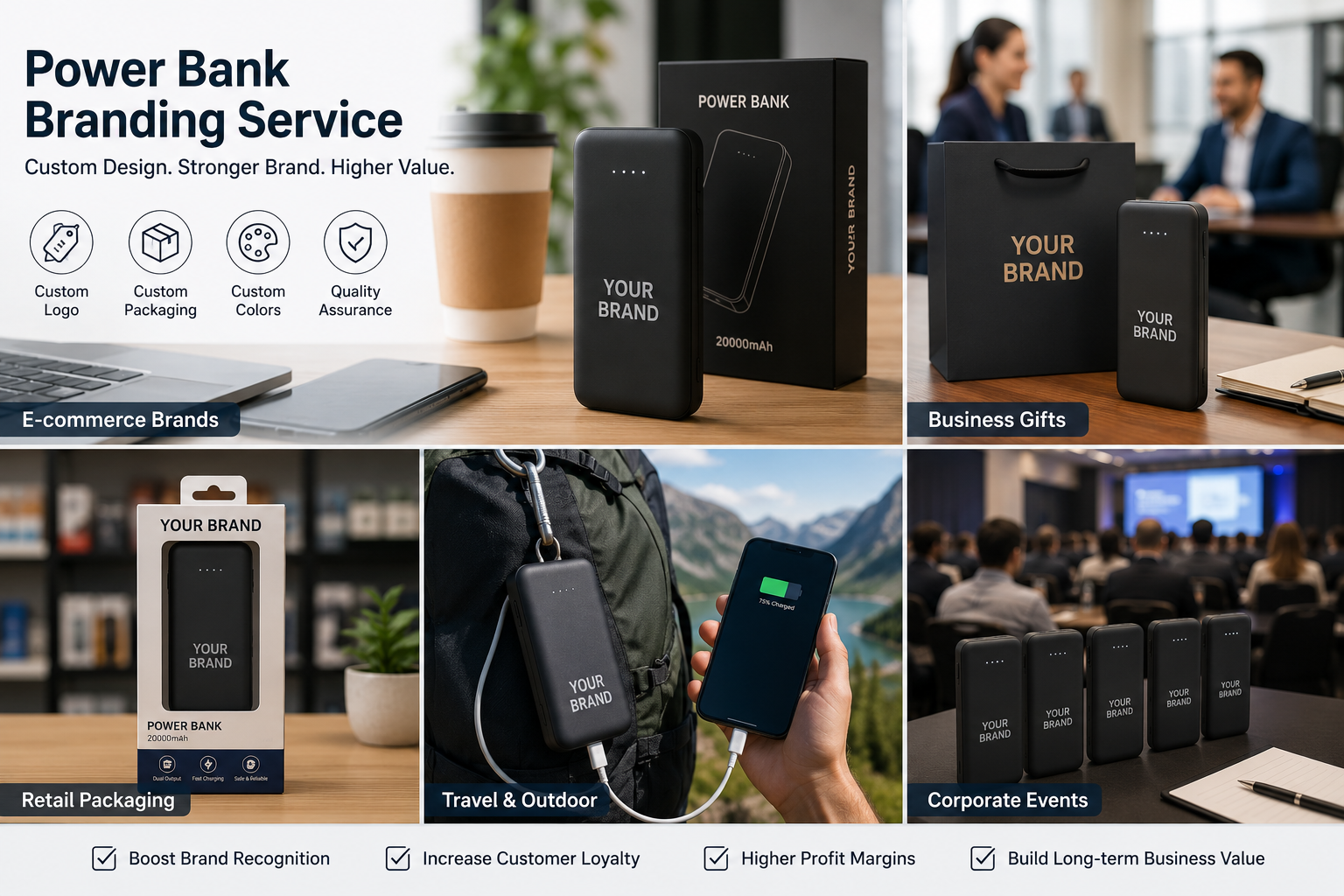
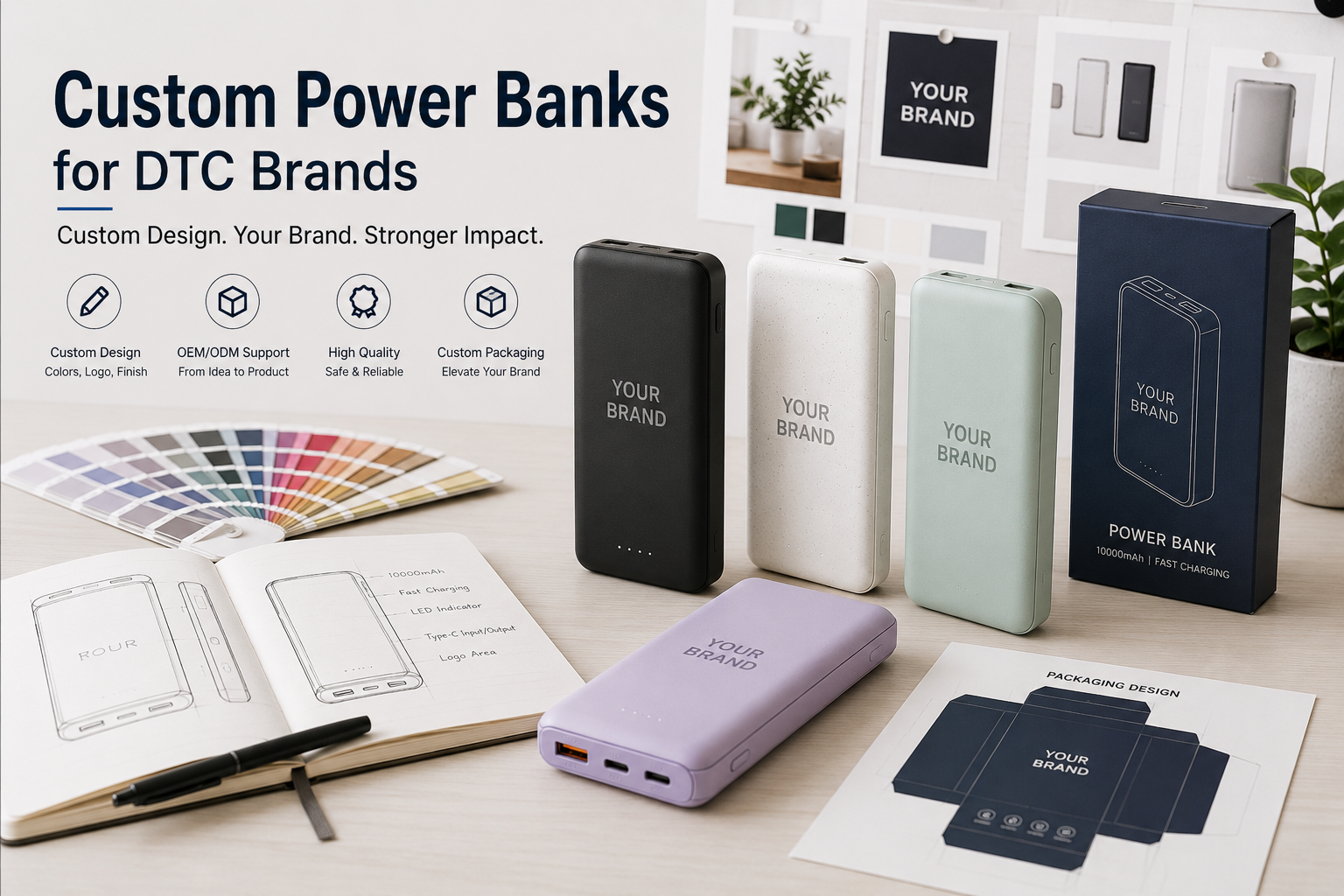
The real profit engine is bulk direct sourcing with heavy customization. By working with top-tier OEMs to implement retail packaging customization B2B, you can transform generic stock into private label magnetic battery packs. A bare unit costing $12 at the factory can be packaged into a high-end rigid box with embossed UV finishing and your logo, anchoring its retail price in stores or on your e-commerce site at $49.99. That nearly 75% gross margin is the battlefield worth committing to.
Separating High-End Magnetic Battery Packs from Cheap Junk
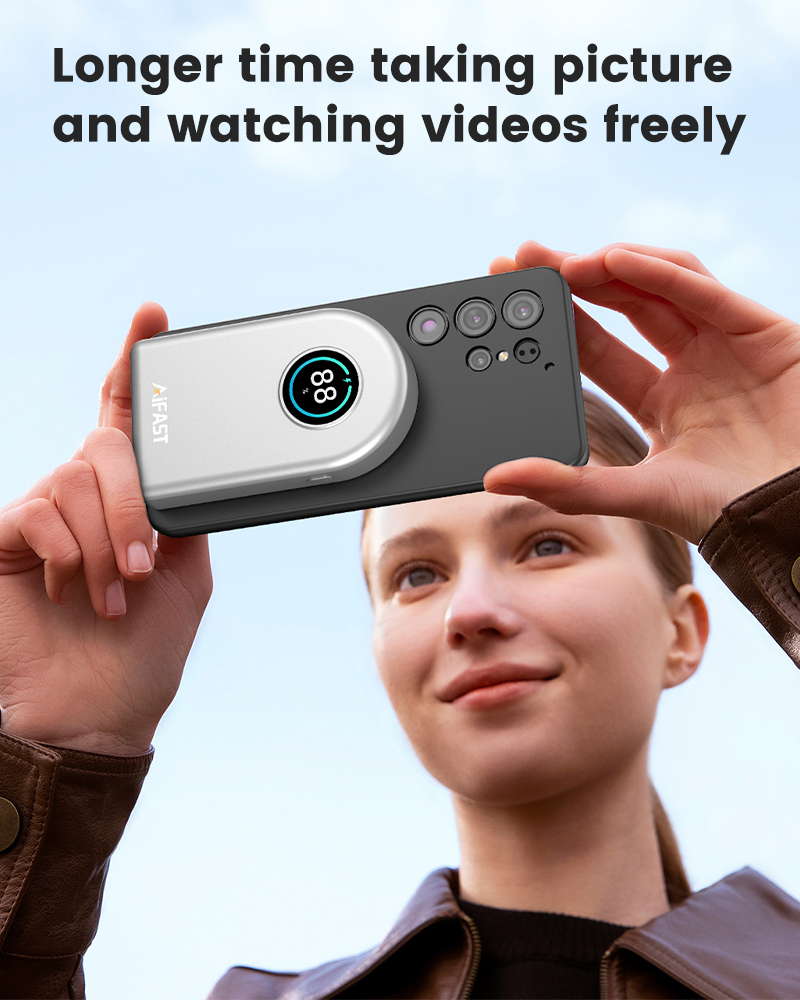
When a seller receives a sample, appearances alone cannot reveal quality. Life or death is hidden inside the plastic casing.
Magnetic Strength: The N52 Neodymium Standard vs. Weak Alternatives
The first negative review from customers always reads: “Magnet is too weak, phone falls off easily.”
Wireless charging hinges on coil alignment. Even millimeter-level misalignment drastically reduces charging efficiency and produces excessive heat. Top-tier custom OEM wireless chargers B2B rely on N52 magnetic alignment technology. We avoid cheap N35 or N40 magnets, standardizing 18 high-strength N52 nickel-plated NdFeB magnets, fixed via in-mold injection per Apple’s original magnetic array distribution.
| Evaluation Dimension | High-End Standard (N52 Magnet Array) | Cheap Knockoff (N35 / Black Magnet or Reduced Count) |
|---|---|---|
| Magnetic Flux (Gauss) | >3200 Gs (firm hold, won’t fall) | <1800 Gs (slips easily) |
| Coil Alignment | Zero deviation, instant screen activation | Alignment issues, frequent charging interruptions |
| Weight & Volume | Small size, high magnetic density | Bulky to compensate for weak magnet |
| Long-Term Magnet Decay | <5% decay in 5 years | Prone to demagnetization in 6 months under heat |
| Magnetic Shielding | High-purity nanocrystal shields, no PCBA interference | No shielding, leaks magnetic field, interferes with phone |
Heat Dissipation and NTC Thermal Management (The RMA Killer)
This is every seller’s nightmare. Wireless charging generates natural energy loss. If the mainboard lacks thermal management and surface temperature exceeds 55°C, iPhone iOS triggers thermal protection, halting charging at 80%. Consumers perceive your product as defective and request refunds.
I personally managed an emergency case for a Top 100 Amazon 3C seller, whose generic magnetic power banks had a 5.8% RMA due to wireless charging heat. We reconstructed the internal architecture: replacing the sync buck-boost ICs, adding graphene thermal pads between the main chip and coils, and embedding independent NTC thermistors. Once local temperature exceeds 48°C, output drops to 5W or 7.5W within milliseconds. FOD (Foreign Object Detection) is enhanced — keys or coins trigger immediate shutdown. This combo cut the customer complaint rate to 0.3%.
PCBA Conversion Efficiency and True Li-Po Capacity
Finally, consider cells and conversion rate. Ignore vendor hype about battery size — see how much it actually charges a phone.
High-end models must use high-density Li-polymer cells with true 10000mAh in a card-sized volume. When sourcing Qi2-certified battery pack wholesale, check PCBA conversion efficiency: ordinary boards achieve 70%, wasting 30% as heat; excellent layouts reach >82%, realizing “small size, big output.”
Essential Certifications for Amazon FBA and Retail Stores
Compliance is the Damocles sword hanging over every major 3C seller and retail operator. Many novices focus on cheap BOM costs, ignoring that a single invalid certificate can ruin hundreds of pallets at customs or Amazon warehouses.
Understanding Qi2, CE, FCC, and RoHS Compliance
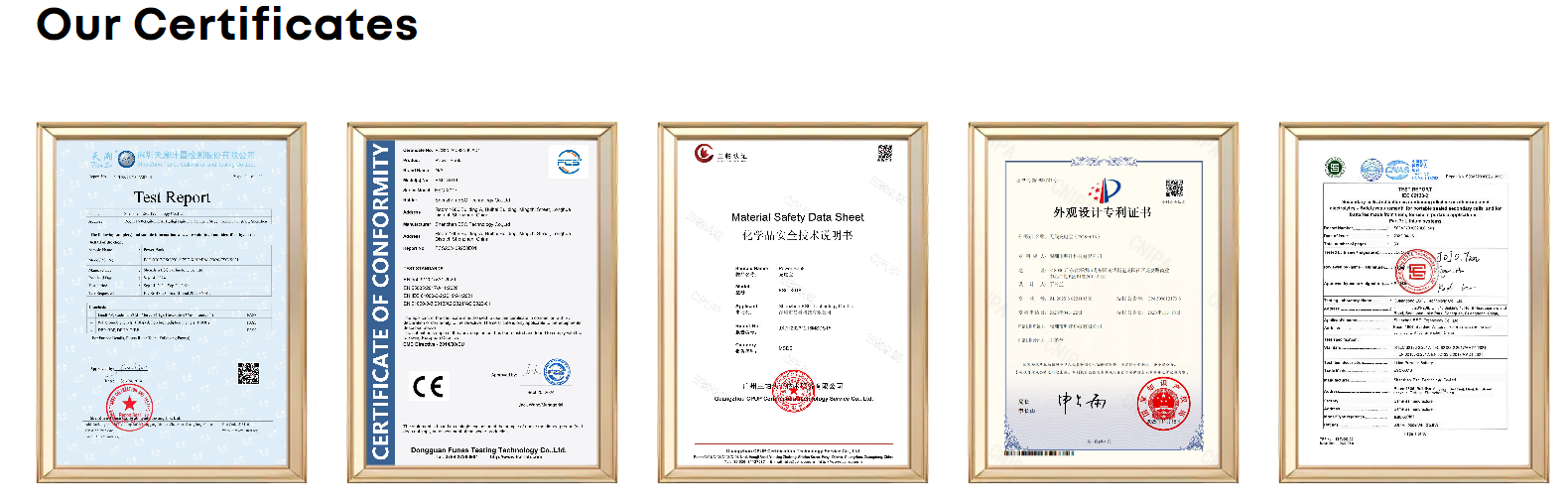
Wireless chargers are sensitive due to electromagnetic radiation and heat management. WPC’s latest Qi2 standard, especially MPP-Magnetic Power Profile, strictly regulates 15W wireless fast charging frequency, FOD, and thermal control.
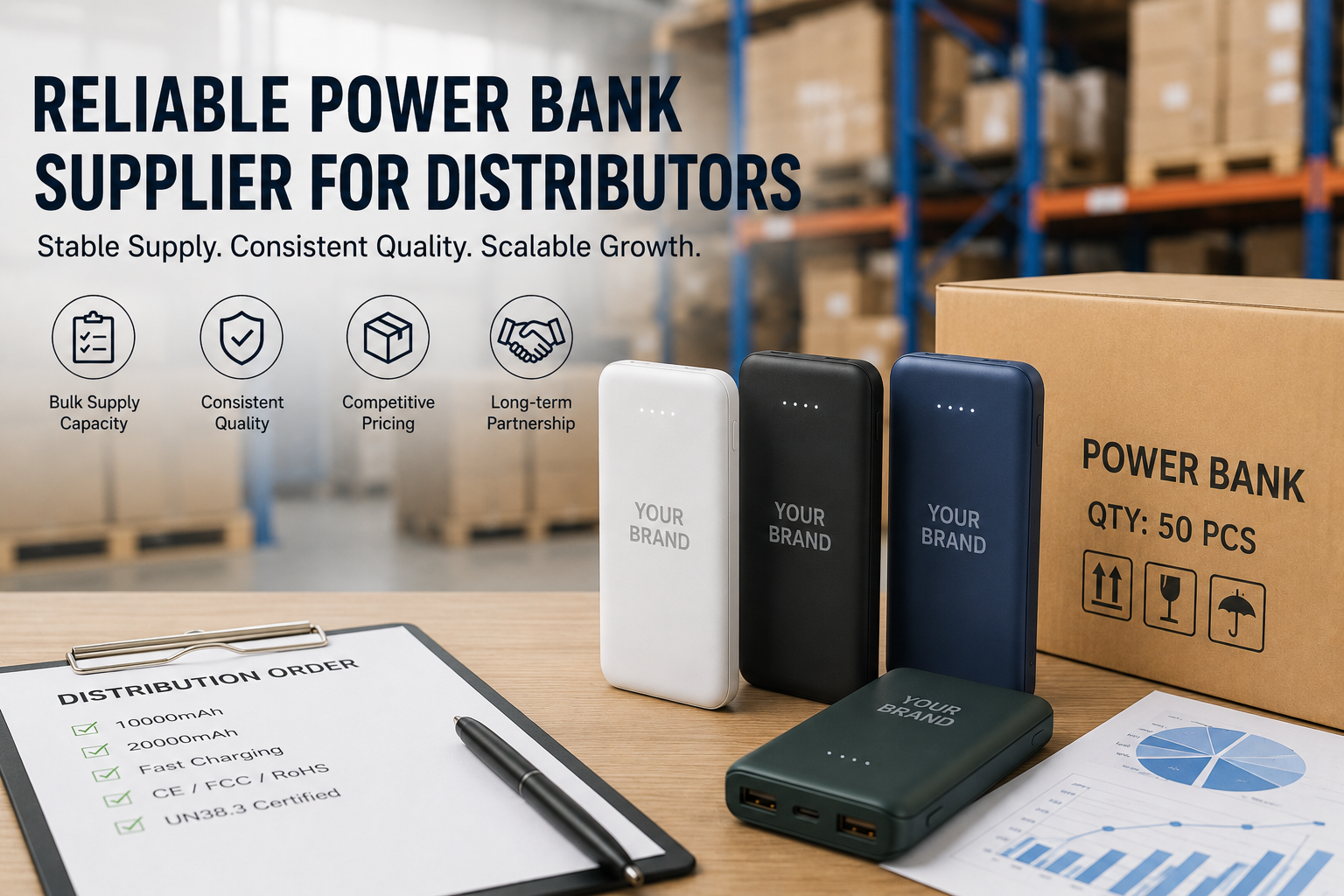
For North American retail (Best Buy, Target) or Amazon BSR, suppliers must provide verifiable FCC RF certification. For Europe, CE and RoHS are minimum thresholds. Lithium batteries are Class 9 hazardous goods, requiring UN38.3 and MSDS for air and sea transport. Fake certificates or copied reports are gambling with your entire business.
The Danger of Fake Certifications and Listing Takedowns
Amazon’s compliance bots are ruthless. Competitor complaints or category audits may demand submission of DOCs and ISO 17025 lab reports within 48 hours. If your supplier is unreachable or reports are fake, your listing will be permanently removed, and stock locked. Genuine factories factor safety margins in PCBA design, ready for teardown blind tests.
Maximizing Your Resale Margins: Customization and Packaging
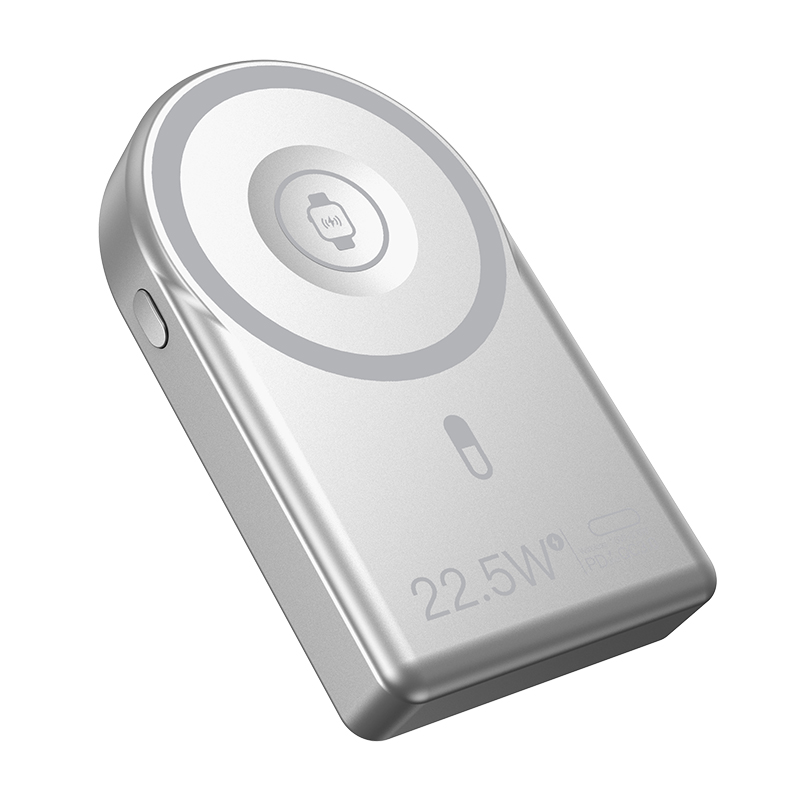
Profit doesn’t appear from thin air — it comes from added value. Generic products compete on price, while customization powers brand premium.
Private Labeling (OEM): Turning a Generic Product into a Brand
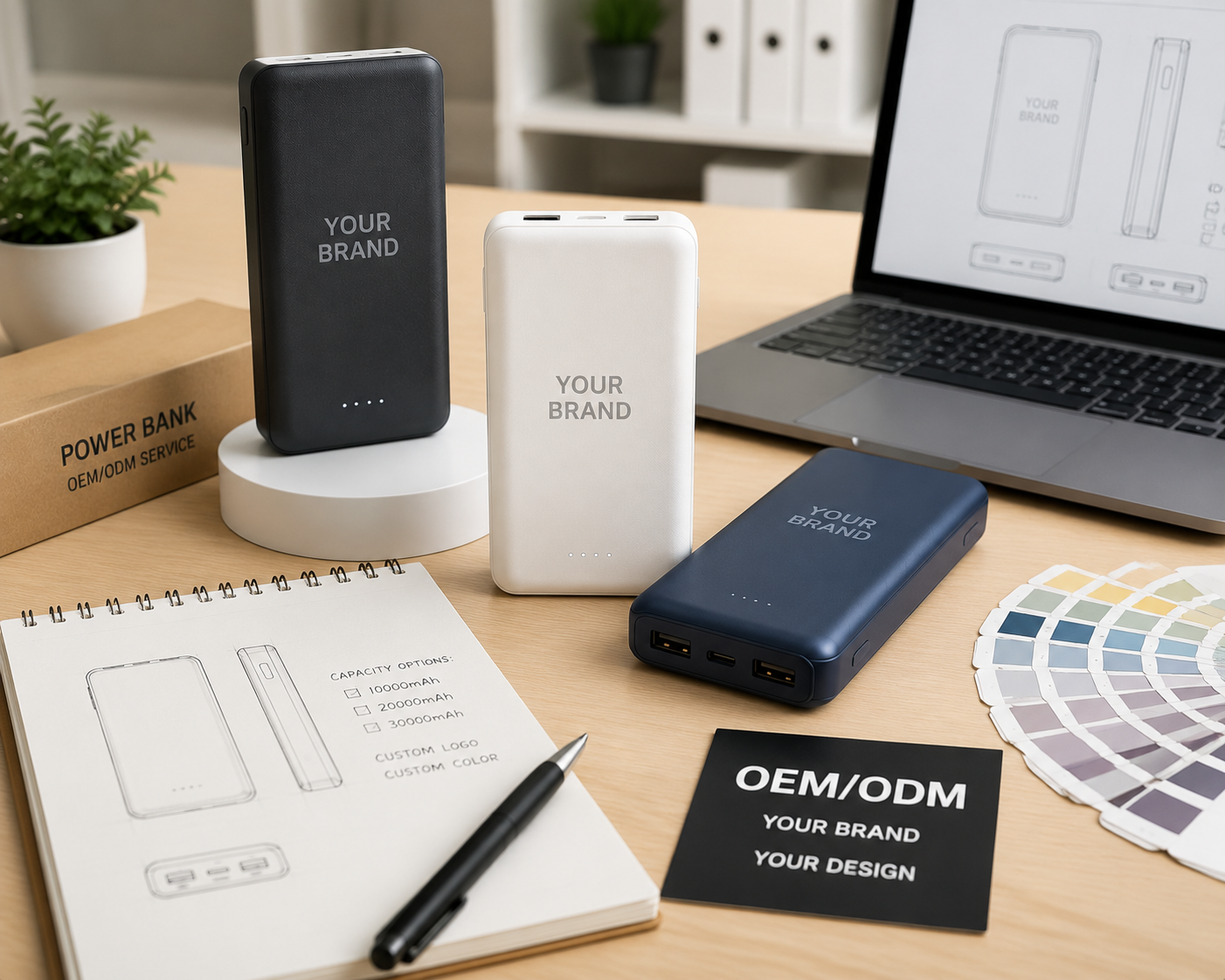
Switching to private label changes the rules. Excellent OEMs offer more than logo silk-printing: deep CMF (Color, Material, Finish) customization. For example, liquid silicone coating for magnetic contact surfaces or UV-finish aerospace aluminum shells. These tangible upgrades immediately convey “premium” to consumers.
Retail Packaging Customization B2B: Designing for Higher Perceived Value
A classic North American case: a regional store sold a generic blister-pack magnetic power bank at $29, with slow sales. By implementing Retail Packaging Customization B2B, we upgraded to a 400g copperplate box with matte lamination, high-density EVA foam, and embossed laser logo. Backside shows N52 magnets and smart thermal management diagram. The upgrade cost $1.50, boosting retail to $49.99 and tripling monthly sales per store.
Red Flags When Sourcing from Alibaba or Trade Companies
On B2B platforms, buyers often hit two major pitfalls. Recognizing these “red flags” avoids 90% of disasters.
The "Bait-and-Switch" Sample Trap (A-Grade to B-Grade)
The worst trap: bait-and-switch. The golden sample is perfect, but your 10,000-unit order may arrive as B-grade: downgraded NTC, 20% smaller battery, or missing thermal gel. Without in-factory QC or asset control, trade companies cannot prevent this.
Hidden MOQs and Unreliable Lead Times
If they promise “20-day delivery” for any customization, be wary. Many light-asset assembly plants lack mold and injection facilities; even PCBA is outsourced. Upstream delays make promised lead times meaningless. If the supply chain isn’t internal, all promises are empty.
Partner with a True Source Factory: AOVOLT
To cut through supply chaos and secure control and profit, go directly to fully integrated heavy-asset factories. This is AOVOLT’s core strength.
Rooted in Dongguan, China, AOVOLT has 15 years of manufacturing experience, focusing solely on B2B products: power banks, magnetic power banks, and multi-port fast chargers. Unlike “screwdriver assembly shops,” AOVOLT has a complete, vertically integrated production line from logic to finished product. Providing you wholesale magnetic wireless power bank 2026: safe and fast.
| Supply Chain Aspect | Traditional Trade/Light Assembly | AOVOLT (Vertical Source Factory) |
|---|---|---|
| R&D & ID Design | Uses generic designs, low differentiation | Top internal ID team, private mold customization |
| Molding & Plastic | Outsourced, rough seams, uncontrolled lead time | In-house mold & injection, precision control |
| Fast Charging Tech | Basic protocol, frequent disconnects | Up to 140W, full PD3.0/PPS/QC3.0/Apple 2.4A support |
| QC & Consistency | Spot checks, “bait-and-switch” risk | Full standardized QC, 100% aging test, stable bulk |
| Lead Time & Response | Upstream issues delay everything | Fully controllable chain, fast response, solid delivery |
Specializing in OEM/ODM large orders, AOVOLT converts high-end thin magnetic power banks or 140W desktop chargers into profitable reality with aggressive technology and flawless craftsmanship.
FAQ: People Also Ask
Q1: What’s the difference between N52 magnets and ordinary magnets in magnetic power banks?
N52 is one of the highest commercially applied grades for NdFeB magnets. Smaller yet extremely strong, it ensures the power bank stays firmly attached to the iPhone even under shaking, maintaining precise coil alignment and preventing disconnects or overheating.
Q2: Why do some magnetic power banks get very hot when charging iPhones?
This is usually due to inferior PCBA buck-boost chips with conversion efficiency below 70%, wasting energy as heat. Without graphene thermal pads and NTC thermistors, high temperature triggers no automatic throttling, causing heat and battery degradation.
Q3: Will AOVOLT power banks exaggerate their capacity?
Absolutely not. Every batch undergoes strict capacity testing before assembly, and finished products are randomly tested to ensure measured capacity is within ±2% of nominal.
Q4: Is the MOQ for custom packaging and logos high?
AOVOLT’s private label support is flexible. Unlike outsourced packagers, we provide competitive MOQ solutions for silk-screen, UV finishing, and premium retail boxes. Contact the project team for tiered pricing.
Q5: What does having in-house mold and injection facilities mean for buyers?
It means absolute control and fast response. Most appearance defects and delays arise from outsourced mold shops. In-house mold & injection shortens adjustments from weeks to days, controlling fire-resistance and micrometer-level assembly precision at the source.
In the hyper-competitive 3C resale market, a brand premium moat is built brick by brick with a solid supply chain.
References:
Qi v2.0 / Qi2 Standard Specification — Wireless Power Consortium