
The cost of choosing the wrong power bank for wholesale is not just a few extra dollars per unit—it is a 12% return rate after delivery, an Amazon ASIN being suspended before peak season, and a supplier missing the Q4 stocking window. There is only one correct prerequisite: define your business model first, then evaluate technical specifications, and finally verify the supplier. If you get the order wrong, all price comparisons are a waste of time.
The wholesale power bank market in 2026 has a new variable worth highlighting—WPC officially launched the Qi2.2 standard at the end of 2025, and 25W magnetic wireless charging has entered mass production. The charging specifications of the iPhone 17 series have also been upgraded accordingly. This means that the specification combinations you choose now will directly determine your product’s market compatibility over the next 18 months.
Why Most Wholesale Buyers Pick the Wrong Power Bank (And Pay for It Later)
Product selection errors are not caused by a lack of information, but by choosing the wrong evaluation dimensions.
Most B2B buyers make three key mistakes during their first wholesale purchase.
First, they evaluate specifications from a retail user perspective—only looking at appearance and mAh numbers, without realizing that two products both labeled 10,000mAh may differ in actual usable output energy by as much as 35%.
Second, they treat the CE mark on packaging as full compliance—CE includes “self-declaration of conformity” and “third-party notified body certification.” The former is issued by the factory itself without mandatory testing, while the latter is the real passport to the EU market. The price difference is minimal, but the legal risk is vastly different.
Third, they ignore fast-charging protocol compatibility, which is the single largest source of after-sales complaints. “Slow charging” appears to be a user experience issue, but the root cause is that the product’s multi-protocol PCBA has not passed proper handshake testing.
Quantifying the cost of these mistakes: for a batch of 5,000 units at an FOB price of $9, if the return rate rises from the industry norm of 3% to 12%, reverse logistics and reshipping alone will cost over $4,000—excluding product scrap loss and long-term traffic decline from lower platform ratings. The real cost of a single wrong decision far exceeds any savings on unit price.
Step 1 — Match Product Specs to Your Business Model First
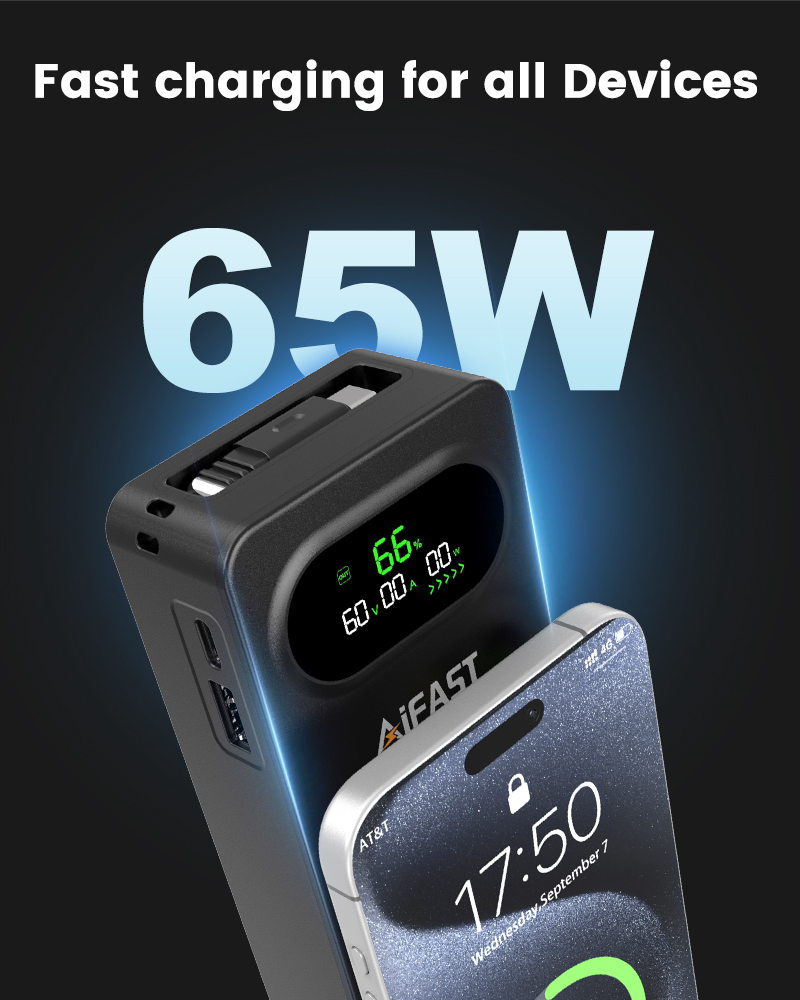
Specifications are not about being higher—they are about being more suitable.
There are four fundamentally different types of B2B buyers in the wholesale market, and their priorities for power bank specifications barely overlap. Providing “selection advice” without distinguishing these categories is meaningless.
| Business Model | Primary Hard Requirements | Secondary Metrics | Acceptable Trade-offs |
|---|---|---|---|
| Amazon FBA Sellers | Verifiable FCC certification, real protocol compatibility | Differentiated design, net weight control | Ultra-high capacity (>100Wh triggers air restrictions and becomes a burden) |
| Corporate Gift Buyers | Stable OEM lead time, recognizable appearance | Capacity ≥10,000mAh, magnetic function | Highest fast-charging protocol level (end users are not sensitive) |
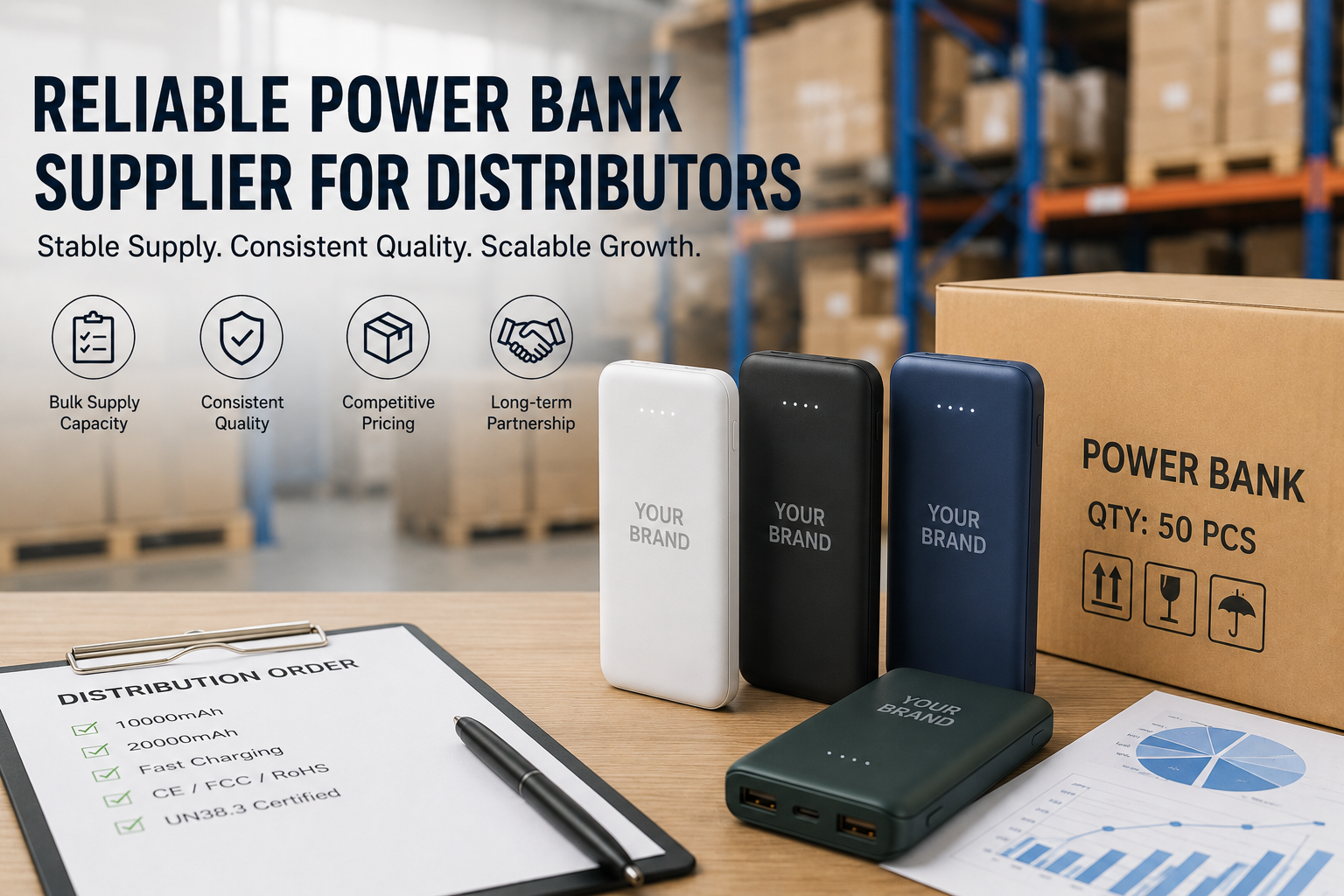
| Retail/Wholesale Distributors | Wide capacity SKU mix, inventory turnover speed | Packaging appeal, after-sales response | Exclusive molds (standard models scale better) |
| Outdoor/Tool Buyers | IP rating, low-temperature discharge (≥ -10°C) | Solar hybrid input, built-in LED lighting | Ultra-thin design (durability over portability) |
Once you identify your category, the logic of choosing mAh becomes clear.
A common misconception must be corrected: mAh represents battery capacity at nominal voltage, not the actual energy you get from the USB output.
Wh=mAh×V1000Wh = \frac{mAh \times V}{1000}
A 10,000mAh cell at 3.7V has a theoretical energy of 37Wh. After voltage boosting losses, device-side efficiency, and environmental factors, the actual delivered energy is typically only 28–32Wh.
This is the core meaning of conversion efficiency. Grade A factories achieve ≥85%, while lower-grade cells often operate at 65–70%. The real-world performance gap is far greater than the identical mAh label suggests.
Step 2 — Battery Cell Grade Is the Single Most Important Variable
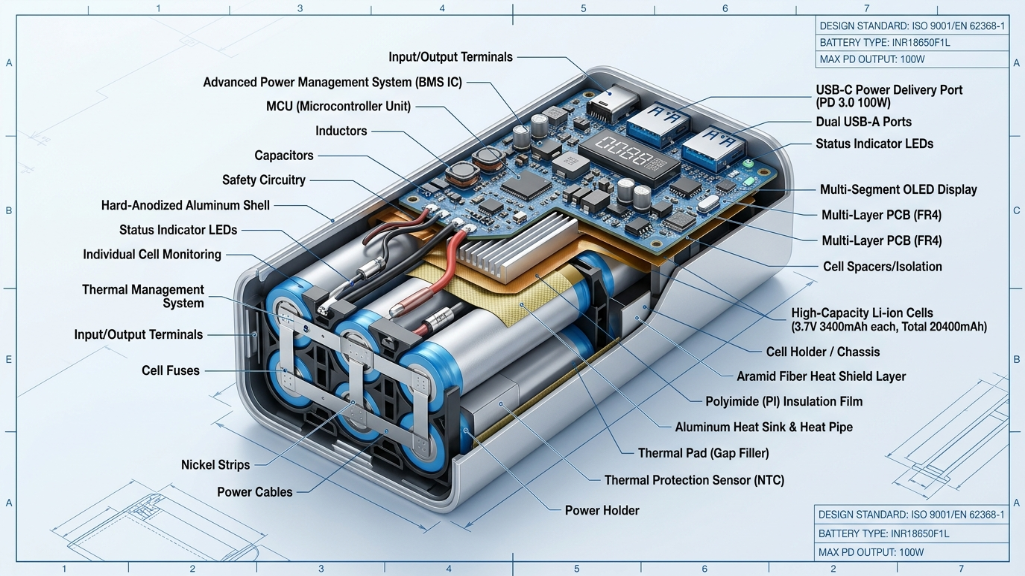
All parameters can be optimized later—battery cell grade cannot.
The core variable behind price differences in the wholesale market is battery cell grade.
A Grade A lithium polymer cell from ATL, CATL, or Samsung SDI can retain over 80% capacity after 500 cycles. In contrast, Grade B downgraded cells—often from retired EV batteries or defective batches—begin rapid degradation after 150–300 cycles. Recycled cells are even less predictable, often overstating capacity by more than 50% and carrying significantly higher thermal runaway risks.
According to Battery University data, standard lithium batteries naturally degrade by 20–30% after 500 full cycles. This is the baseline for Grade A performance. Any product below this baseline should raise concerns about cell quality.
| Cell Grade | Cycle Life (to 80%) | Typical Capacity Inflation | Source | B2B Risk Level |
|---|---|---|---|---|
| Grade A | 500+ cycles | Within ±3% | ATL, CATL, Samsung SDI | Low |
| Grade B | 150–300 cycles | 15–30% inflated | Retired EV cells, defective batches | High |
| Recycled | Unpredictable | >50% inflated | Unknown disassembled cells | Extremely High (safety risk) |
Verification cannot rely on verbal promises.
Three practical verification steps:
- Request cell batch traceability documents with original manufacturer shipment codes.
- Test discharge curves with 0.1A precision equipment; deviations >15% are warning signals.
- Include warranty terms in the PO: “500 cycles at ≥80% capacity retention.”
The logic is simple: battery cells are the foundation of all performance. No BMS design or casing quality can compensate for poor cells.
Step 3 — Fast Charging Protocol Compatibility: The Spec Nobody Checks Until It’s Too Late
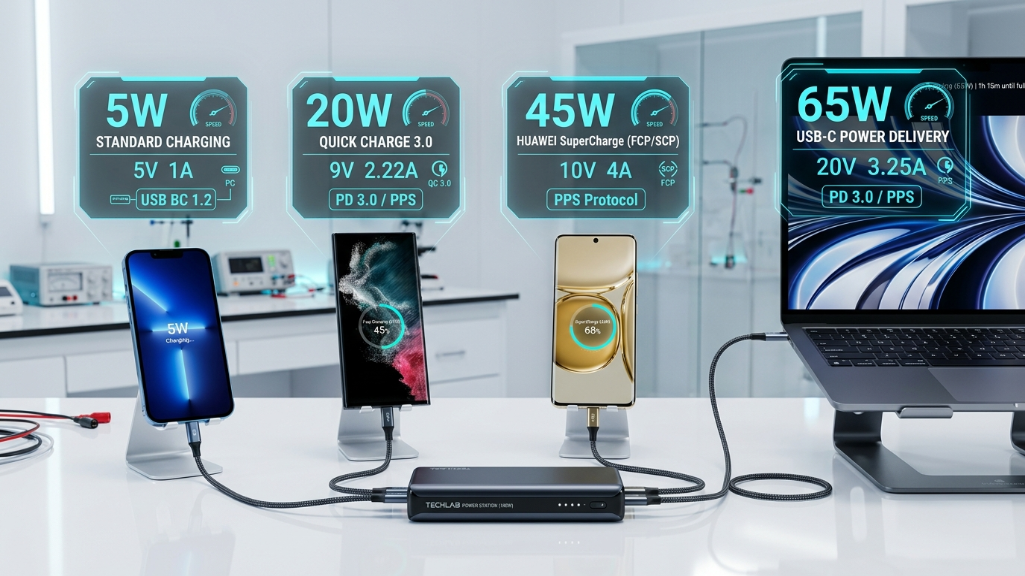
Battery quality determines whether a product works; protocol compatibility determines how well it works. The latter is the top cause of returns and negative reviews, yet it is systematically overlooked.
The phrase “fast charging” printed on packaging has no legal meaning. A product can claim fast charging and still output only 5W on a Samsung flagship device—because true fast charging requires protocol handshake:
- Device sends request
- Power bank PCBA identifies and responds
- Both negotiate maximum compatible power
Any missing step results in slow charging despite the label.
In 2026, protocol requirements have structurally changed. USB PD 3.1 supports up to 140W output. With Apple fully transitioning to USB-C, Apple 2.4A protocol priority increases. PPS becomes critical due to Samsung’s 45W charging, while Huawei’s SCP/FCP remains relevant in emerging markets.
| Target Device | Required Protocols | Verification Method | Consequence if Unsupported |
|---|---|---|---|
| iPhone 15/16/17 | PD 3.0 + Apple 2.4A | Measure ≥20W trigger | Drops to 5W standard charging |
| Samsung Galaxy S/Z | PPS + QC 3.0 | Check fast-charge indicator | Cannot trigger 45W charging |
| Huawei Mate/P | SCP + FCP | Measure actual wattage | Drops below 10W, high complaints |
| General Android | BC 1.2 + QC 3.0 | Cross-device testing | Some devices fail to charge |
| Laptops | PD 3.1 (65W+) | Contractual wattage confirmation | Charging slower than consumption |
There is only one validation method: test samples across devices and record actual triggered power—not supplier-provided protocol lists.
Step 4 — Supplier Verification SOP: Eight Checks That Separate Real Factories from Trading Companies
After selecting the right product, the next risk is choosing the wrong supplier.
On Alibaba, the same product may appear from one factory and seventeen trading companies, with a price difference of $1.5–$3. The issue is not just markup—it is loss of transparency across the supply chain.
Eight verification steps:
- Verify ISO 9001 certificate validity
- Confirm battery cell traceability
- Cross-check FCC ID on fcc.io
- Request full CE Technical Construction File (TCF)
- Verify UN38.3 air transport report
- Check IEC 62133 battery safety report
- Request real shipment records to your target market
- Confirm production-level samples match mass production
Suppliers who fail steps 3 or 4 should be rejected immediately.
Choosing a Factory That Eliminates Sourcing Risk by Design
After completing the framework, the real question becomes: how many factories can meet all these requirements?
The answer: far fewer than what appears on the first page of Alibaba.
AOVOLT, headquartered in Dongguan, China, has 15 years of experience in consumer electronics manufacturing, specializing in power banks, magnetic power banks, and fast chargers. Unlike assembly-based factories relying on outsourced molds, AOVOLT operates a fully integrated in-house process—from structural design and R&D to mold development, injection molding, and metal integration. This ensures clear mold ownership and eliminates the risk of design duplication.
In fast-charging technology, AOVOLT supports up to 140W output with full protocol coverage, including PD 3.0, PPS, QC 3.0, FCP, SCP, AFC, Apple 2.4A, and BC 1.2—one of the most complete solutions in the wholesale market. Let’s take you through PD vs Quick Charge 3.0: Best Quick Charge B2B Buyer’s Guide Report.
With its in-house industrial design and injection molding capabilities, AOVOLT can deliver unique product designs rather than generic mold variations. For private-label buyers, this directly impacts product differentiation and pricing power.
FAQ: The 5 Most Common Questions in Wholesale Power Bank Procurement
Q1: What conversion efficiency is acceptable, and how to verify it?
Grade A factories require ≥85% efficiency. A 10,000mAh (37Wh) unit should output at least 31.5Wh. Verify using a USB power meter and compare actual discharge energy to rated capacity.
Q2: What specs are best for Amazon FBA in 2026?
10,000mAh + PD 20W + USB-C bidirectional is the mainstream configuration. It meets air transport limits (<100Wh) and provides fast charging for both iPhone and Android. Qi2.2 (25W) magnetic models are emerging as differentiated SKUs.
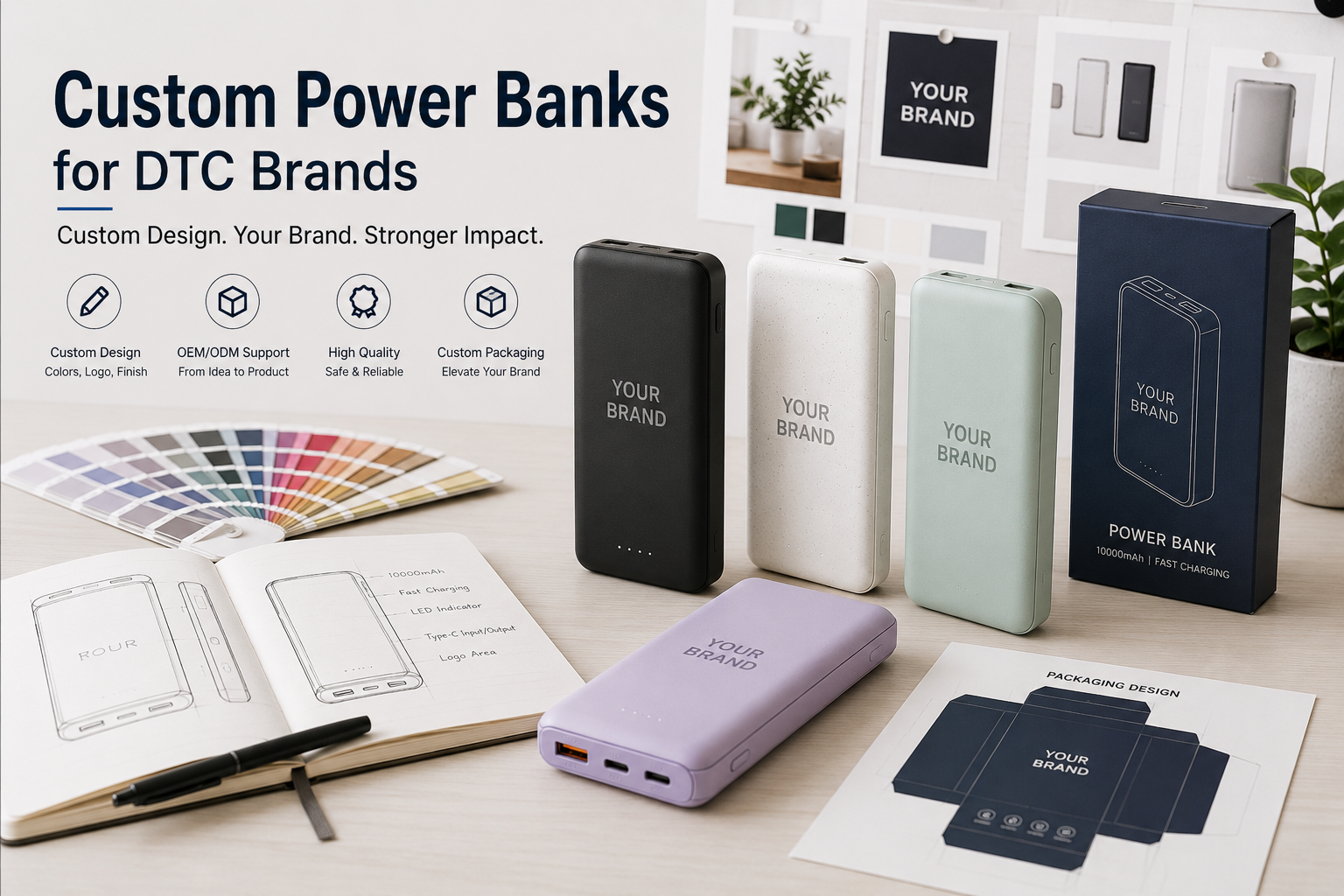
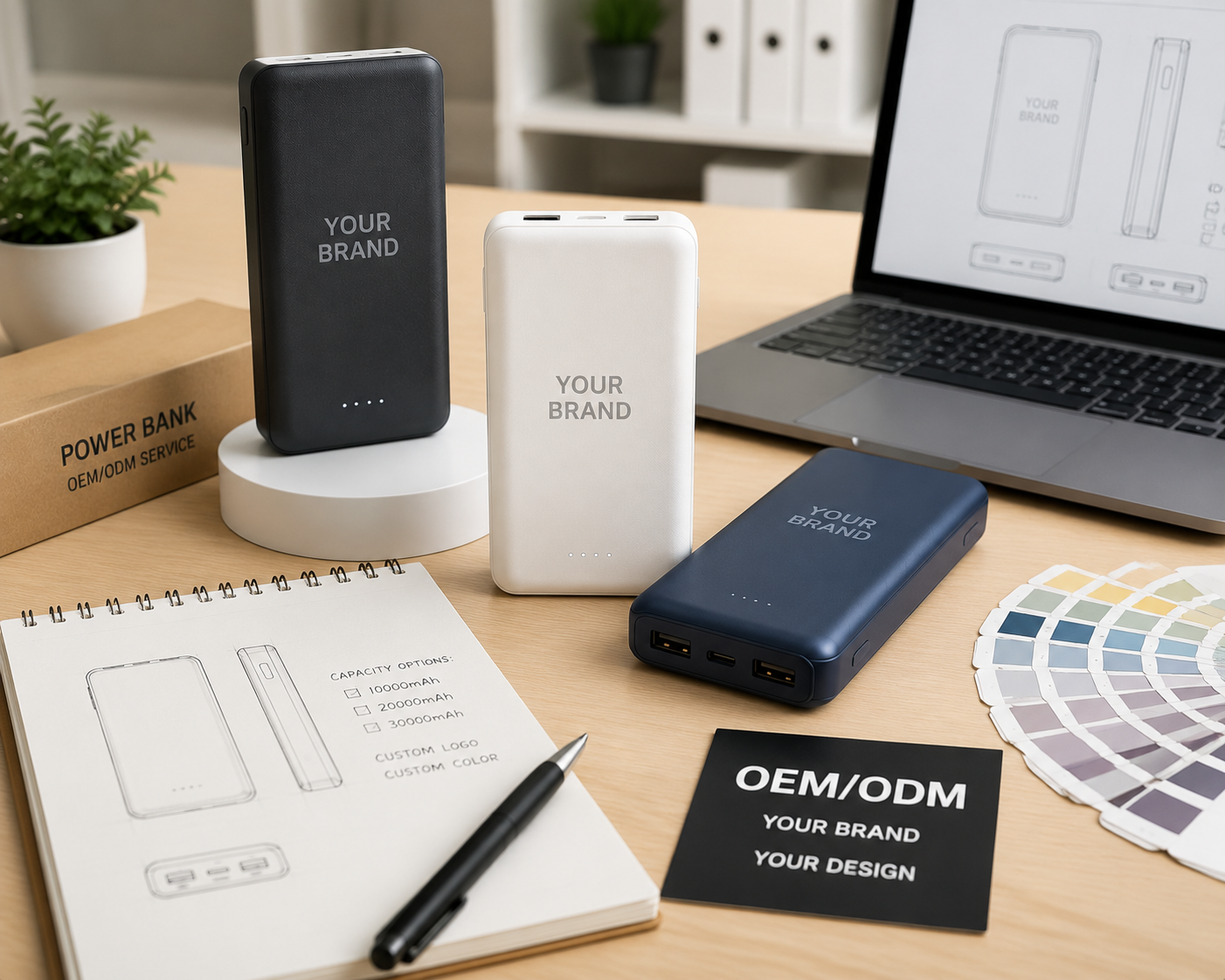
Q3: What can be customized in OEM orders?
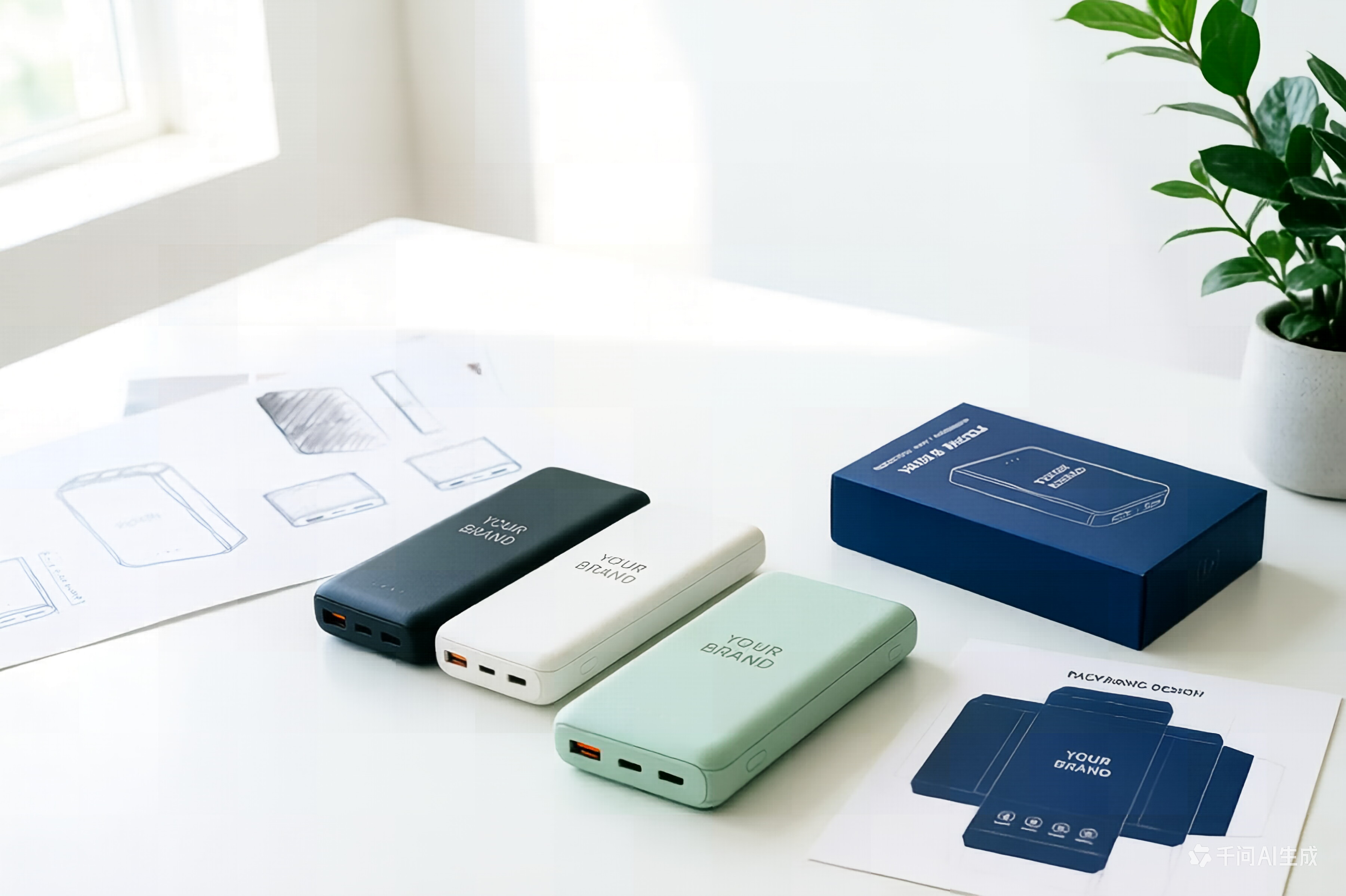
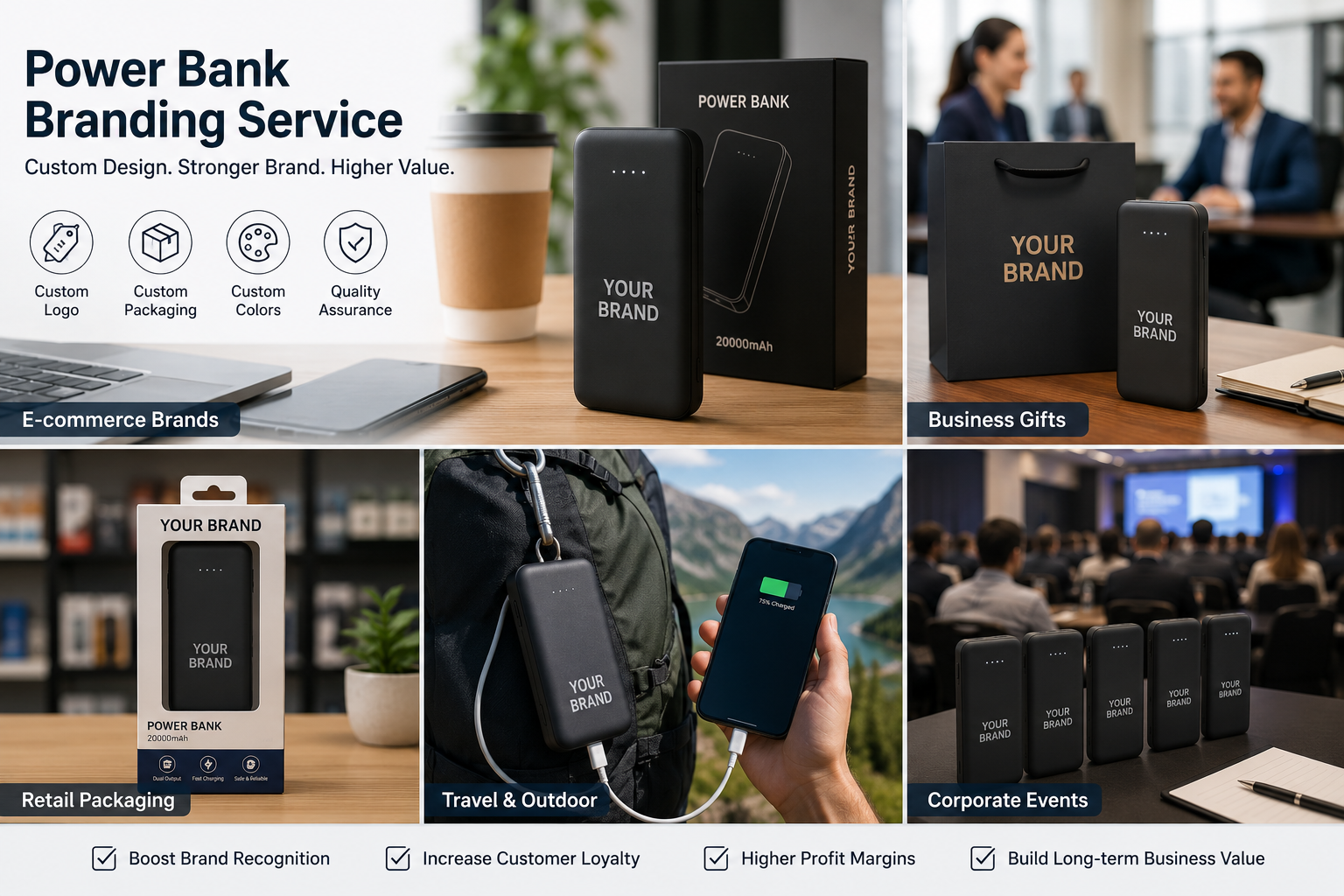
- Level 1: Logo and color
- Level 2: housing structure, port layout, protocol combination, packaging
- Level 3: PCBA firmware (protocol handshake logic)
Mold ownership must be explicitly defined in contracts.
Q4: Is third-party inspection necessary for small orders (200–500 units)?
Yes. PSI services cost $300–$500 and can detect issues such as mismatched battery cells, incorrect labeling, and protocol discrepancies—problems that cost 10–20× more if discovered post-delivery.
Q5: What compliance is mandatory for air shipping?
UN38.3 is mandatory. Missing it can result in shipment seizure or destruction. MSDS is also required for airline acceptance. Missing either can delay shipments by 3–6 weeks.
Conclusion
Wholesale power bank sourcing is essentially a multi-variable decision problem, with risks at every layer:
- Specification inflation
- Certification fraud
- Protocol incompatibility
- Supplier mismatch
Only after filtering all four layers do you reach products truly worth ordering.
After applying this framework, you will find that qualified factories—those with traceable Grade A battery cells, full protocol coverage, in-house manufacturing, and verifiable certifications—are far fewer than expected.
If you are conducting sourcing research for 2026 or need an ODM partner capable of supporting private-label development, AOVOLT’s engineering team can provide a customized quotation, including protocol compatibility analysis and OEM solutions, within 48 hours.
References: