
In today’s mobile-first world, charging speed is no longer a convenience—it’s an expectation. Yet many buyers face recurring issues: devices charge slower than advertised, power banks overheat under load, or performance varies between batches. These problems often trace back to one root cause—choosing the wrong fast charging power bank supplier.
A qualified supplier doesn’t just assemble batteries; they control charging protocols, thermal behavior, and power stability under real-world conditions. If you are sourcing products for resale or distribution, reviewing the actual power bank product range can help you quickly understand the available technical options and configurations.
Why Fast Charging Power Banks Often Fail in Real Use
Fast charging products frequently underperform not because of marketing exaggeration alone, but due to technical and manufacturing gaps.
Common issues seen by buyers
- Output drops when charging multiple devices
- Power throttling due to overheating
- Inconsistent performance across production batches
- Compatibility issues with different devices
Many low-tier suppliers rely on generic circuit designs without optimizing for heat dissipation or protocol negotiation. As a result, advertised “fast charging” becomes unstable in real usage scenarios. Buyers who ignore supplier background often encounter these issues repeatedly.
The Core Principle Behind Fast Charging Technology
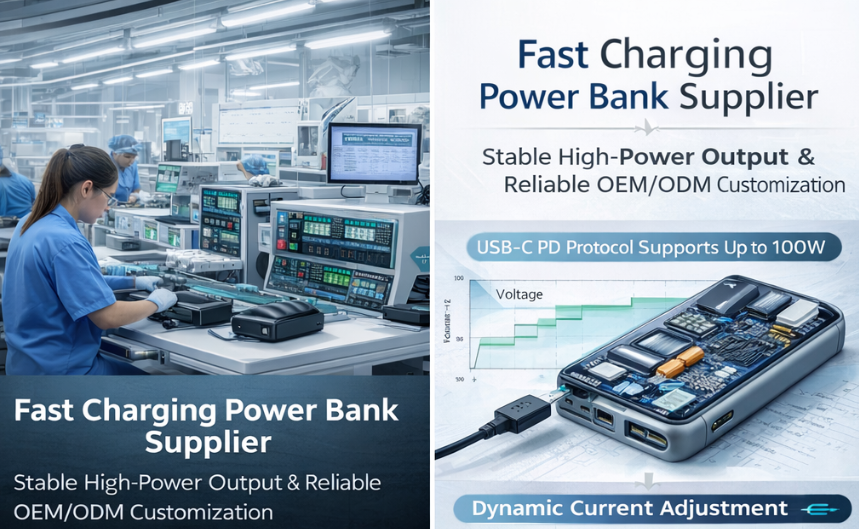
Fast charging is not simply about higher power—it is about controlled power delivery.
Key technical elements
1. Charging Protocols
- PD (Power Delivery)
- QC (Quick Charge)
- PPS (Programmable Power Supply)
These protocols dynamically adjust voltage and current based on device requirements.
2. Power Conversion Efficiency
Efficient DC-DC conversion minimizes energy loss and heat generation.
3. Thermal Management
High output generates heat. Without proper thermal design, systems will automatically reduce power output to protect components.
For buyers evaluating a fast charging power bank supplier, understanding these fundamentals helps avoid misleading specifications.
Standard vs High-Performance Power Bank Suppliers
Not all suppliers operate at the same technical level. The difference becomes clear under stress conditions.
| Parameter | Standard Supplier | High-Level Supplier |
|---|---|---|
| Output Stability | ±25% fluctuation | ±5% controlled |
| Heat Control | Surface temp 60–70°C | Controlled below 50°C |
| Protocol Support | Limited (PD 18W) | Full PD 20W–65W+ |
| Batch Consistency | Variable | High uniformity |
| Device Compatibility | Partial | Multi-brand optimized |
A professional fast charging power bank supplier invests in circuit optimization, testing systems, and long-term reliability validation. You can also review common buyer concerns in the FAQ section to better understand real-world performance expectations.
Engineering Solutions That Ensure Stable Fast Charging
A reliable supplier doesn’t just “meet specs”—they engineer for real-world performance.
1. Intelligent Power Distribution
Dynamic allocation ensures stable output when multiple devices are connected.
2. Advanced Thermal Design
- Internal heat spreaders
- Optimized PCB layout
- Temperature sensors for real-time control
3. High-Quality Battery Cells
Using consistent-grade lithium polymer cells ensures:
- Stable discharge curves
- Lower internal resistance
- Longer lifecycle
4. Protocol Optimization
Fine-tuned firmware ensures compatibility with:
- iPhone (PD optimized)
- Samsung (PPS support)
- Laptops (high wattage PD)
What Sets a Professional Supplier Apart

When evaluating a fast charging power bank supplier, the real differentiation lies in execution, not specification sheets.
Key advantages to look for
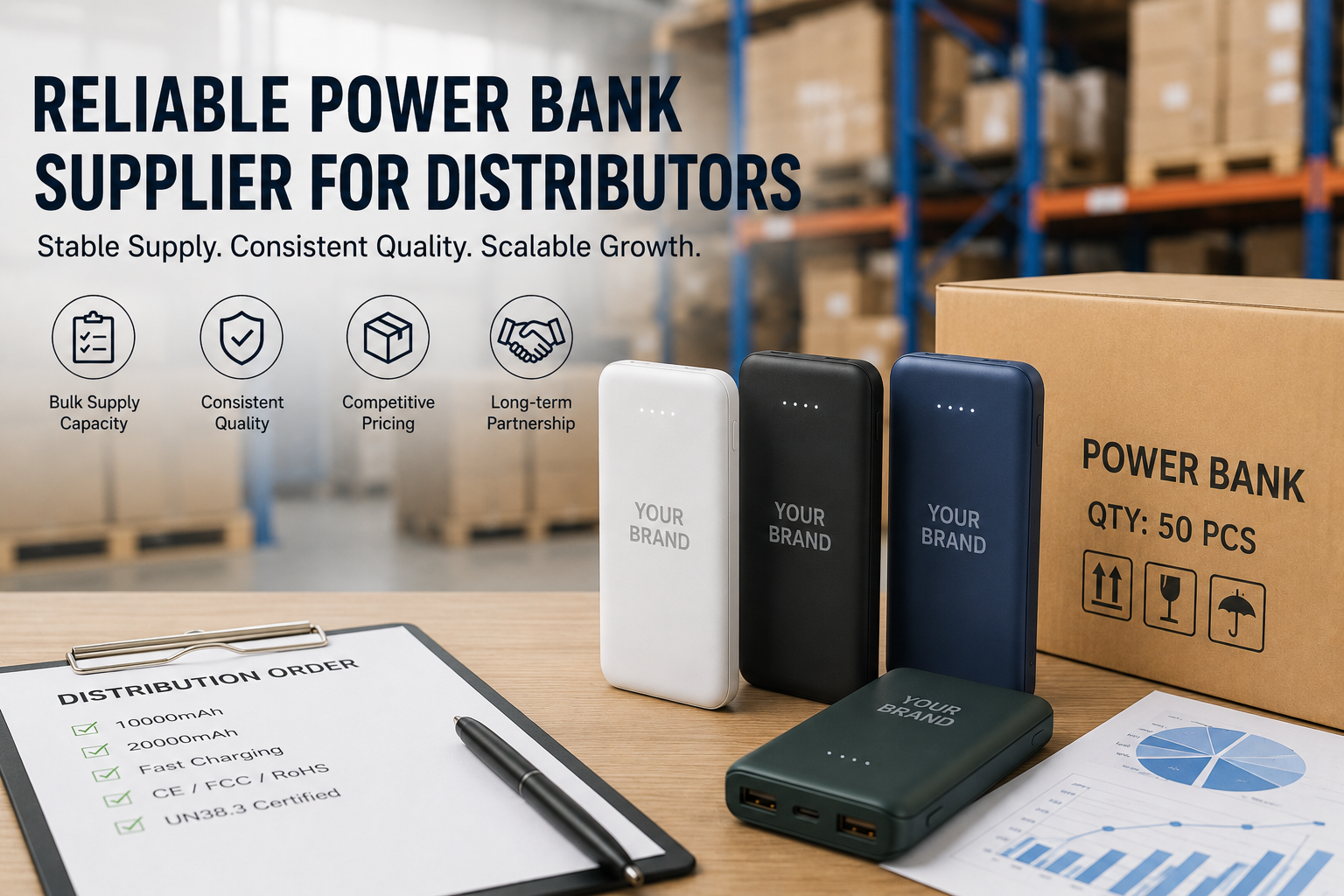
- Mass production stability
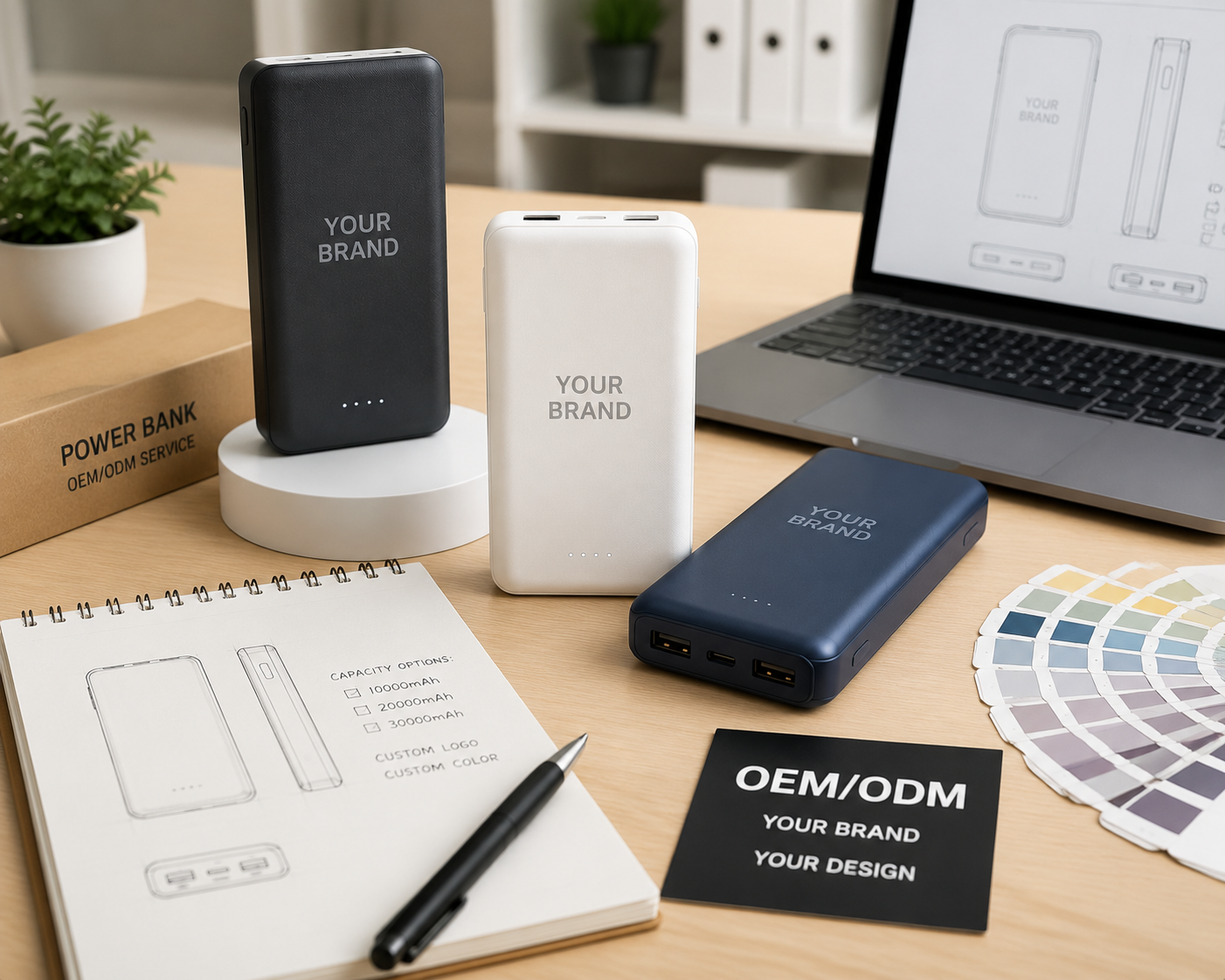
- OEM / ODM flexibility
- Strict quality control systems
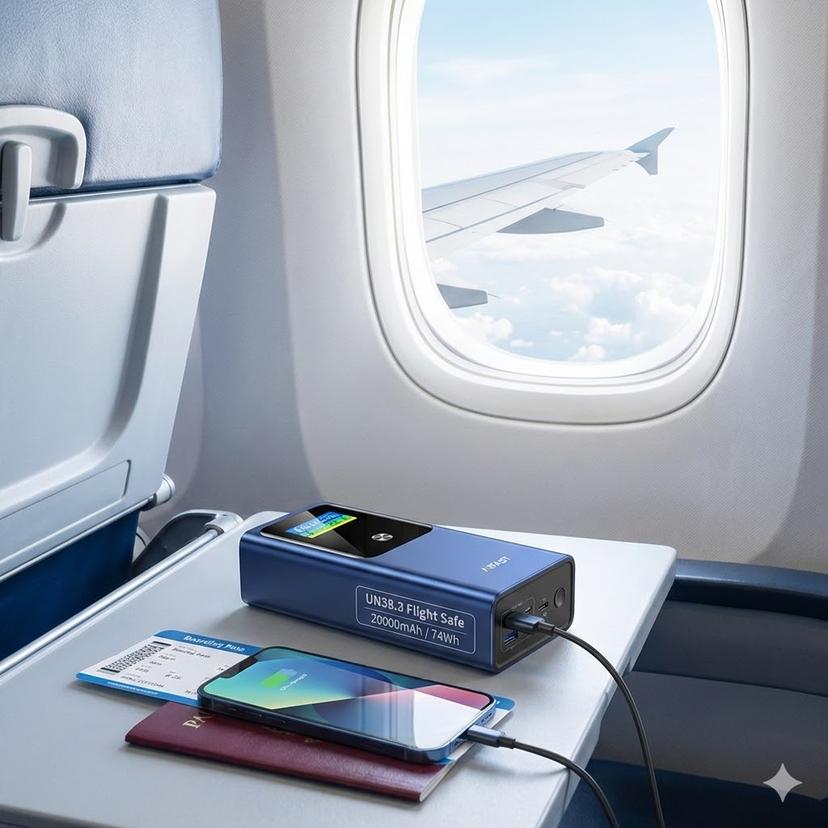
- Global certification support (CE, FCC, RoHS, UN38.3)
- Real testing data, not theoretical specs
If you want to verify supplier credibility, reviewing their company background and capabilities is often a critical step before making bulk purchasing decisions.
Where High-Performance Power Banks Are Actually Used
Fast charging is not just a feature—it directly impacts user experience in specific environments.
High-demand application scenarios
- Business travel → rapid top-ups between meetings
- Gaming users → sustained high power draw
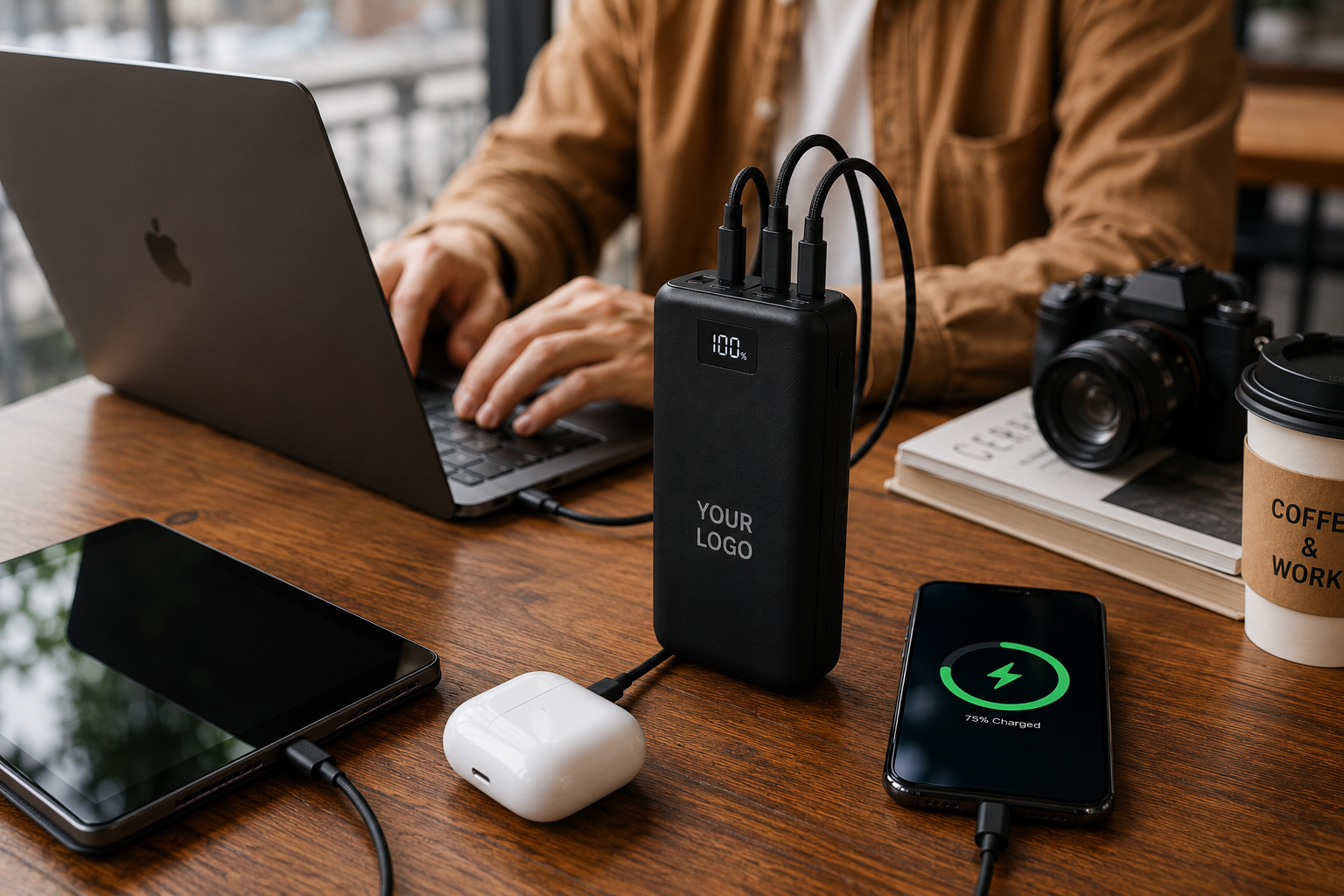
- Content creators → multi-device charging
- Retail resale → performance consistency reduces returns
- Corporate gifting → brand reputation depends on reliability
In these environments, unstable output or overheating quickly becomes a liability.
How to Select the Right Product for Your Market
Choosing the right product depends on your target customers and sales channel.
Capacity vs Power Matching
- 10,000mAh → daily consumer use
- 20,000mAh → travel & heavy users
- 30,000mAh+ → professional / multi-device users
Output Power Selection
- 20W → smartphones
- 30–45W → tablets / light laptops
- 65W+ → full laptop support
Form Factor Considerations
- Slim → retail & portability
- Built-in cable → convenience markets
- Multi-port → office / enterprise use
A capable fast charging power bank supplier should guide these decisions based on real usage data—not just catalog options.
Frequently Asked Questions (FAQ)
Q1: Why does a fast charging power bank slow down during use?
A: Most often due to thermal protection or inefficient circuit design. High-quality models maintain stable output through better heat management.
Q2: Is higher wattage always better?
A: Not necessarily. The output must match device requirements. Overpowered systems without proper control can reduce efficiency or increase heat.
Q3: How important is certification for B2B buyers?
A: Critical. Certifications like UN38.3 and CE are required for shipping, compliance, and market entry.
Final Thoughts on Choosing the Right Supplier
Selecting a fast charging power bank supplier is not just about price or advertised specs—it is about long-term reliability, safety, and consistency. A well-engineered product reduces return rates, strengthens brand reputation, and supports scalable growth.
If you are planning to expand your product line or source in bulk, exploring the product catalog, understanding the technical background, and verifying supplier capabilities will help you make a more informed decision.