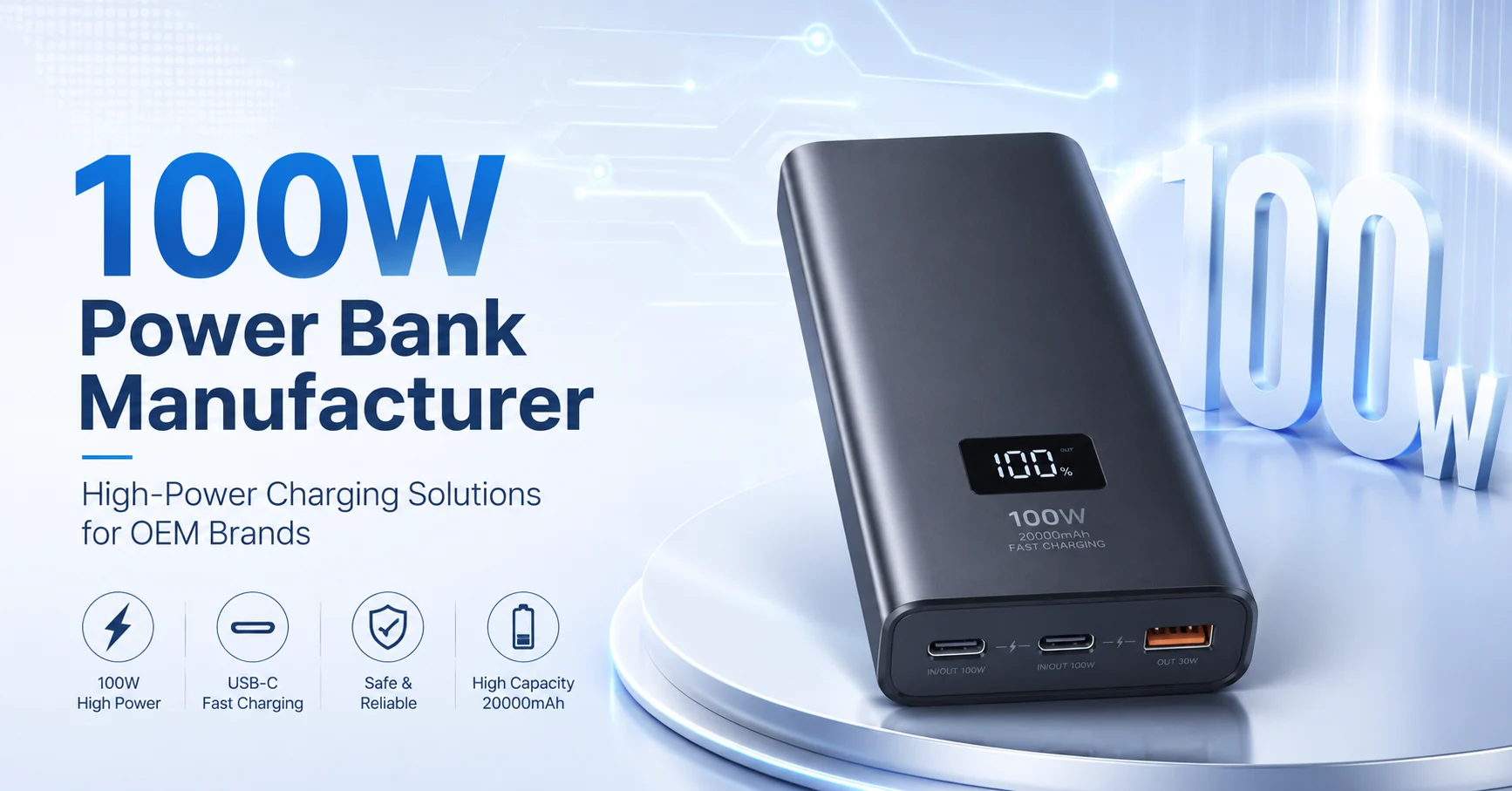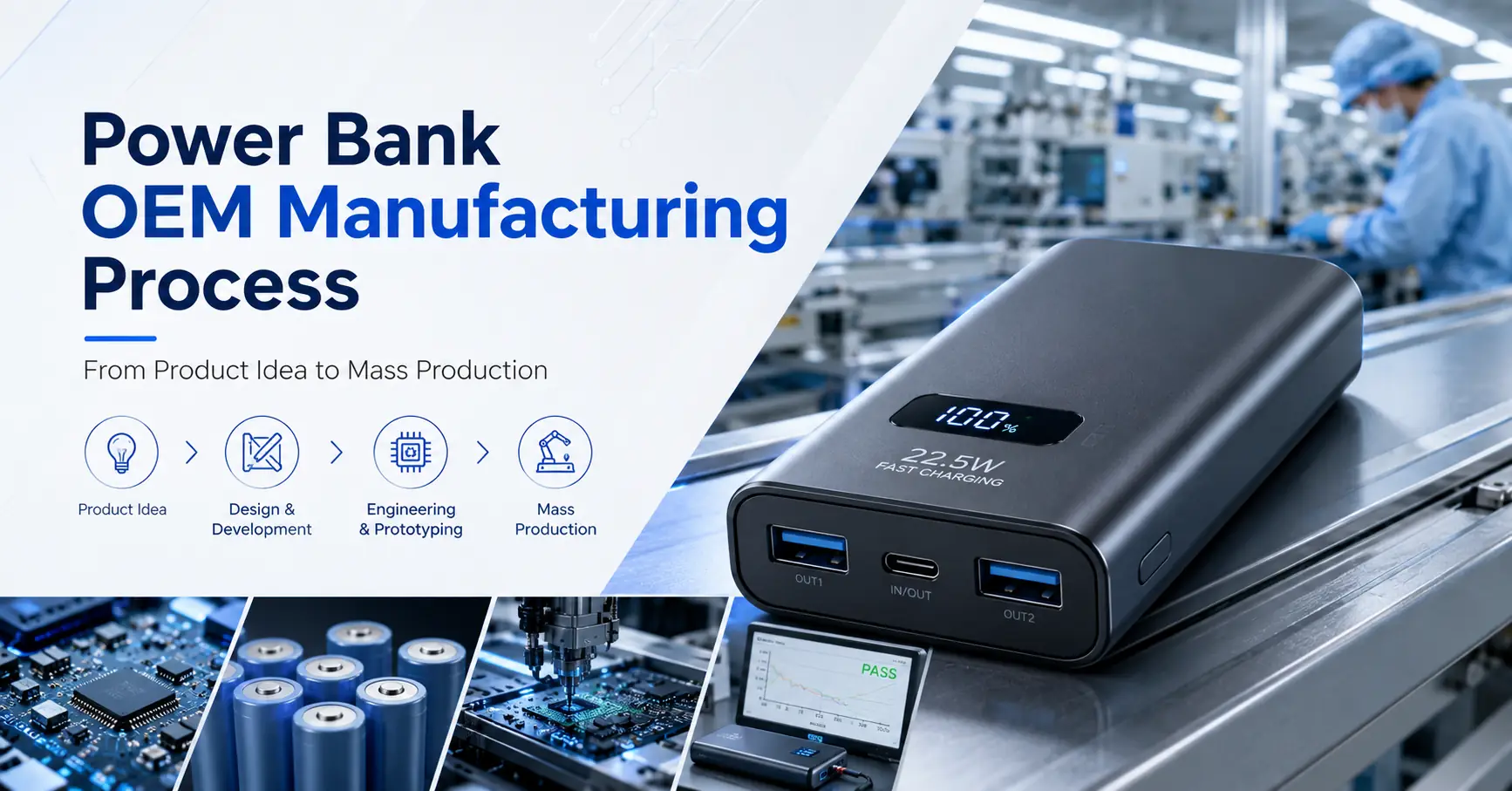

In consumer scenarios, a power bank that charges a bit slower or gets slightly warm may not matter much.
But in commercial environments, small issues quickly escalate into real problems:
- Retail devices shutting down → lost transactions
- Employee devices losing power → reduced productivity
- Event equipment failing → damaged brand image
That’s why businesses are no longer buying standalone products.
They are investing in a commercial safe power solution — a system designed for reliability and continuity.
Why Standard Power Banks Fail in Commercial Use
Many companies initially purchase consumer-grade products, only to encounter limitations shortly after deployment.
Unstable Output Across Multiple Devices
In real usage:
- POS systems restart unexpectedly
- Tablets lag under load
- Phones drop frames during operation
Root cause:
Uneven power distribution when multiple devices are connected
Overheating During Continuous Operation
Commercial usage often involves:
- 4+ hours of continuous use
- Full-day operation in some environments
Standard power banks may exceed 45°C, leading to:
- Performance throttling
- Reduced battery lifespan
Lack of Batch Consistency
- First batch performs well
- Later batches show inconsistency
This creates serious issues in scaling deployments.
These limitations clearly show:
Consumer products ≠ a true commercial safe power solution
Core Architecture of a Commercial Safe Power Solution
A real commercial safe power solution is not a single device — it is a system combining hardware, control, and deployment capability.
H3: Stable Power Distribution System
Commercial applications require:
- Multi-device simultaneous charging
- Different voltage outputs for different devices
Solution includes:
- PD 3.1 + PPS dual protocol
- Intelligent multi-port current allocation
- Dynamic load balancing
Result:
Stable operation for phones, tablets, and terminals simultaneously
Battery Management System (BMS)
Core functions:
- Voltage monitoring
- Current regulation
- Temperature control
Advanced systems provide:
Real-time feedback + automatic adjustment
Thermal Management System
Heat directly affects safety and lifespan.
Optimizations include:
- GaN technology to reduce energy loss
- Aluminum housing for heat dissipation
- Temperature sensors with dynamic control
Performance benchmark:
Stable operation below 40°C even under continuous load
Real Commercial Application Scenarios
Retail Chains
Devices:
- POS terminals
- Tablets for ordering
- Scanning devices
Requirements:
- Continuous stable power
- Zero interruption
A commercial safe power solution can reduce device failure rates by up to 30%
Enterprise Mobility
Devices:
- Smartphones
- Laptops
- Wireless accessories
Requirements:
- Multi-device charging
- Fast recovery time
PD 3.1 systems improve charging efficiency by approximately 25%
Events and Exhibitions
Characteristics:
- Temporary setups
- High usage intensity
- No fixed power source
Requirements:
- High capacity
- Maximum stability
A commercial safe power solution ensures full-day operation
Shared Devices and IoT Systems
Applications:
- Shared equipment
- Smart terminals
Requirements:
- Long lifecycle
- Minimal maintenance
Cycle life extended to 1000+ cycles
Cost and ROI: Why Businesses Choose Higher Standards
At first glance, commercial-grade solutions appear more expensive.
But real-world data tells a different story.
Cost Comparison
| Factor | Standard Solution | Commercial Solution |
|---|---|---|
| Initial Cost | 100% | 115% |
| Failure Rate | 8–10% | 2–3% |
| After-Sales Cost | High | Low |
| Product Lifespan | 1–2 years | 3–5 years |
Conclusion:
A commercial safe power solution delivers lower total cost over time.
OEM Deployment: From Product to Scalable System
Business customers don’t just need products — they need repeatable solutions.
Key OEM Capabilities
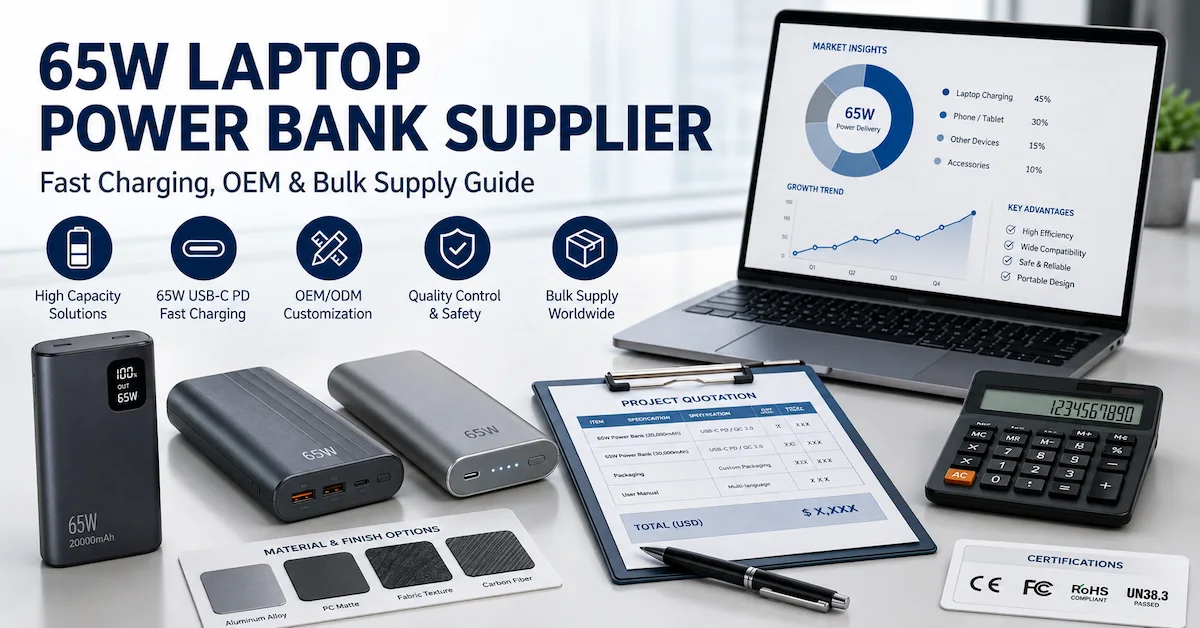
- Power configurations (20W / 45W / 65W)
- Multi-port interface design
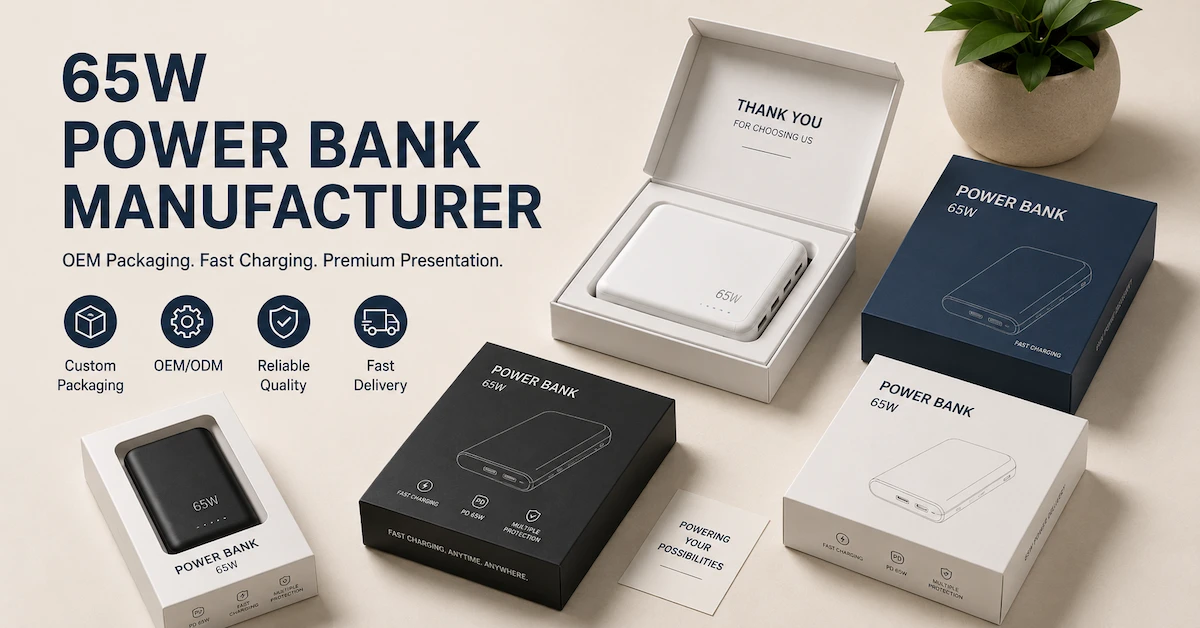
- Branding and industrial design customization
- Certification integration for global markets
Scalability Requirements
- Batch consistency control
- Automated testing systems
- Reliable mass production
ESCCharge’s commercial safe power solution supports:
From pilot runs to large-scale deployment
How to Choose the Right Commercial Supplier
Key Evaluation Criteria
- Complete certification support
- Proven commercial project experience
- Multi-scenario adaptability
- Continuous technical upgrade capability
Only suppliers meeting these criteria can truly deliver a commercial safe power solution
Industry Trends for 2026
The shift is already happening:
- Single-device → Multi-device systems
- Product purchase → Solution deployment
- Passive charging → Smart power management
The commercial safe power solution is becoming the new standard
Final Thoughts: From Device to Infrastructure
In 2026, power is no longer an accessory — it is part of business infrastructure.
Reliability, safety, and scalability define success.
Choosing the right commercial safe power solution partner determines whether your project can scale, perform, and sustain long-term growth.
If you are planning a commercial deployment or OEM project, explore ESCCharge’s full solution capabilities:
https://www.esccharge.com/