
Portable Charging Problems That Magnetic Power Banks Solve
Traditional power banks rely entirely on cables. While they deliver high charging speed, they introduce friction in everyday use. Users must carry cables, plug devices in manually, and disconnect after charging. In mobile scenarios such as commuting, travel, or public transportation, this often becomes inconvenient.
Wireless charging attempted to solve this issue, but early wireless power banks suffered from alignment problems. When the phone is not placed exactly on the charging coil, charging efficiency drops and charging may stop completely.
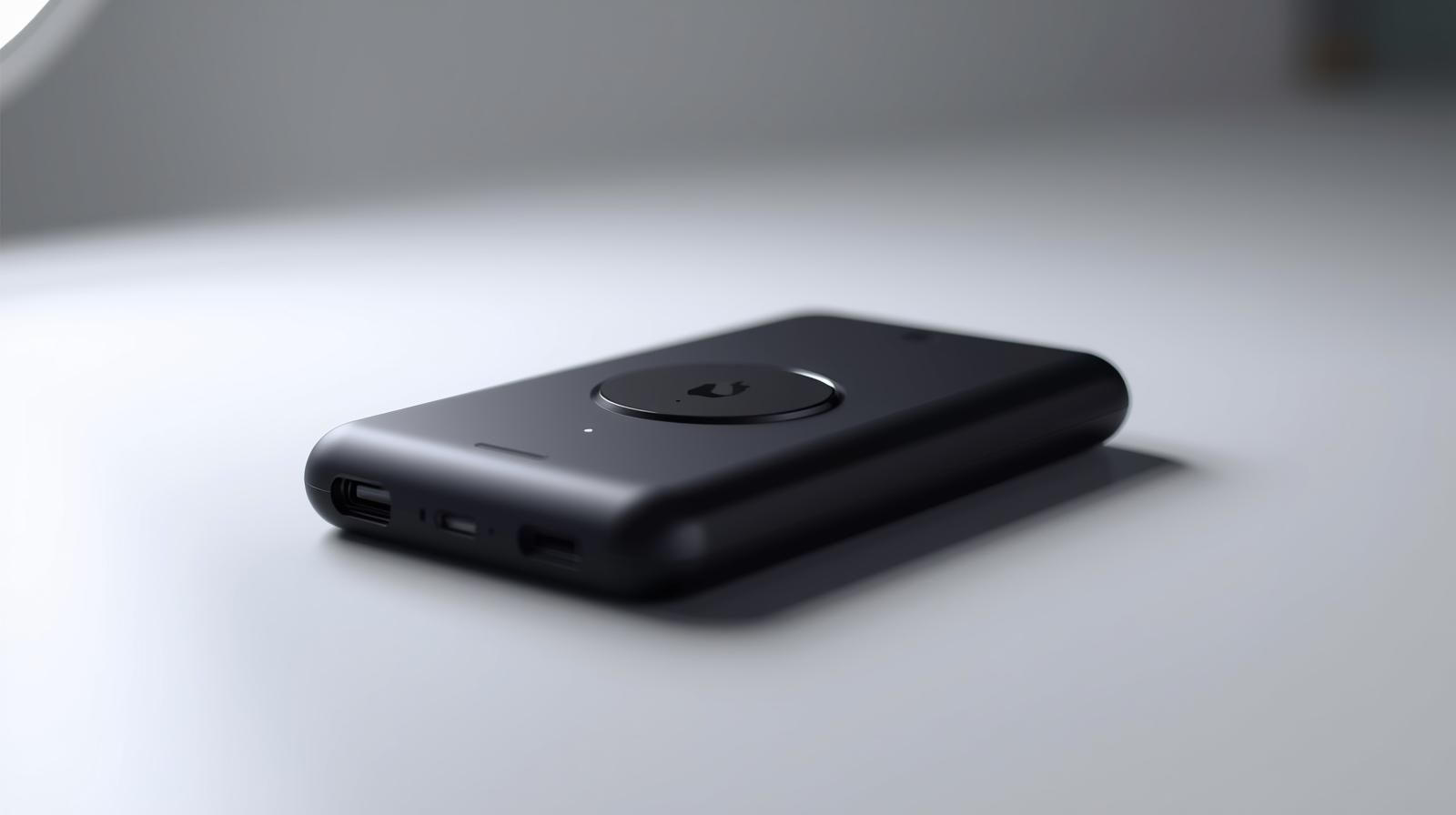
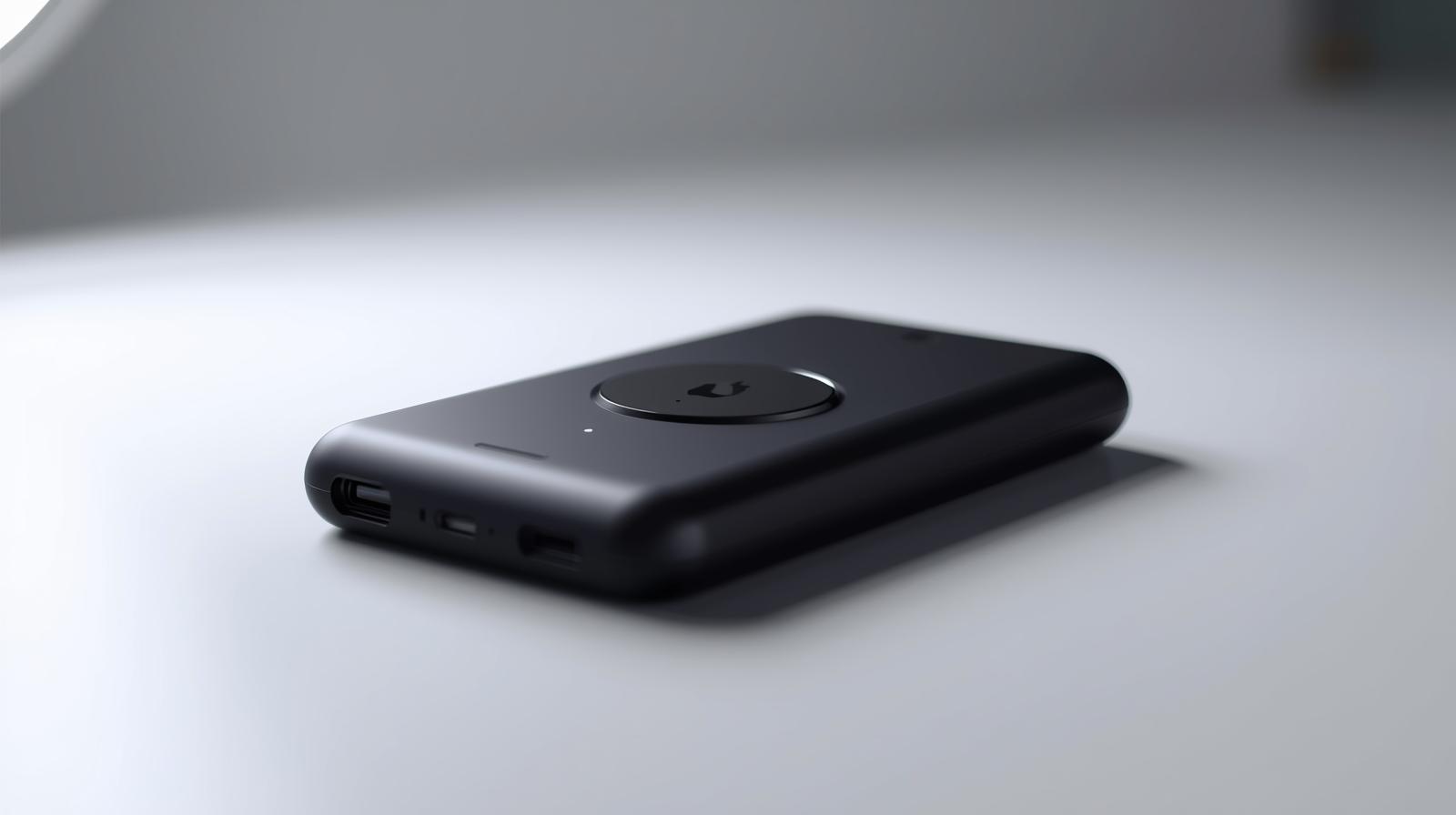
Magnetic alignment technology changes this experience. By integrating magnetic positioning systems into portable chargers, the phone automatically aligns with the charging coil. This design ensures stable wireless charging even when the device moves slightly.
For brands developing portable charging products, a magnetic power bank represents a complete charging solution combining wireless convenience with fast charging capability.
AOVOLT focuses on developing magnetic charging architectures that integrate optimized coil structures, fast charging controllers, and high-density lithium batteries to ensure reliable portable charging performance.
Solution 1: Magnetic Alignment Charging Architecture
The core component of a magnetic power bank is the magnetic alignment charging structure. Instead of relying on manual placement, magnets guide the smartphone to the optimal charging position.
Typical design specifications include:
| Component | Specification |
|---|---|
| Wireless charging output | 15W Qi fast charging |
| Magnetic alignment tolerance | ±2 mm |
| Coil diameter | 38–42 mm |
| Charging efficiency | 75–80% |
Magnetic alignment improves wireless charging efficiency by 30–40% compared with standard wireless chargers.
Stable alignment also reduces power loss and heat generation during charging cycles.
Solution 2: High-Density Battery Architecture for Portable Devices
Portable charging devices must maintain sufficient battery capacity while keeping the device compact.
Typical magnetic power bank configurations include:
| Battery Type | Capacity | Thickness |
|---|---|---|
| Lithium polymer battery | 5000mAh | 10 mm |
| High-density lithium polymer | 10000mAh | 12–14 mm |
| Dual-cell configuration | 15000mAh | 15–18 mm |
High-density lithium polymer batteries improve energy density by 20–30% compared with standard cylindrical cells.
These batteries support discharge rates between 2C and 3C, allowing the magnetic power bank to deliver stable current during fast charging.
Solution 3: Multi-Protocol Fast Charging Compatibility
Modern smartphones use multiple charging protocols. A portable charging device must therefore support several charging technologies simultaneously.
Typical protocol support includes:
| Protocol | Charging Power |
|---|---|
| USB-C Power Delivery | 20W–30W |
| Quick Charge | 18W |
| Qi Wireless Charging | 10W–15W |
Magnetic wireless charging works alongside wired fast charging ports. This hybrid design allows users to charge devices wirelessly while maintaining fast wired charging capability when needed.
By integrating multi-protocol charging controllers, the magnetic power bank remains compatible with a wide range of smartphones.
Solution 4: Smartphone Ecosystem Compatibility
Portable charging devices must support major smartphone ecosystems.
Typical compatibility includes:
| Smartphone Brand | Wireless Charging |
|---|---|
| Apple iPhone | MagSafe / Qi wireless charging |
| Samsung Galaxy | Qi fast wireless charging |
| Xiaomi / Android | Qi wireless charging |
Magnetic charging architecture works particularly well with smartphones that support magnetic alignment charging systems.
This ensures stable wireless charging performance even during mobile use.
Solution 5: Hybrid Portable Charging System
Wireless charging improves convenience, but wired charging remains faster for certain scenarios.
Hybrid magnetic power banks combine both charging modes.
Typical configuration:
| Interface | Output |
|---|---|
| Wireless charging | 15W |
| USB-C PD port | 20W–30W |
| USB-A port | 18W |
Users can charge one smartphone wirelessly while charging another device through a cable.
This hybrid design significantly improves the usability of portable charging devices.
Safety Systems and Certification Requirements
Because power banks contain lithium batteries, safety systems are essential.
Key protection mechanisms include:
Battery safety protection:
-
overcharge protection
-
over-discharge protection
-
overcurrent protection
-
cell balancing
Charging safety systems:
-
foreign object detection (FOD)
-
temperature monitoring sensors
-
short circuit protection
Portable charging devices must also meet international certification requirements:
-
CE certification
-
FCC compliance
-
RoHS environmental standards
-
UN38.3 battery transport certification
-
MSDS battery documentation
These standards ensure the magnetic power bank operates safely during consumer use and international transportation.
Cross-Border Shipping Challenges for Portable Power Banks
Lithium battery products face strict transportation regulations.
Common requirements include:
-
UN38.3 battery testing reports
-
MSDS battery safety documents
-
certified lithium battery packaging
-
capacity labeling
Manufacturers must ensure power bank products comply with international shipping regulations.
Proper packaging design prevents battery short circuits during transportation and ensures safe delivery to global markets.
Frequently Asked Questions
Q1: Does magnetic charging reduce wireless charging speed?
No. Magnetic alignment actually improves wireless charging efficiency by ensuring optimal coil positioning, which reduces energy loss.
Q2: What capacity is most common for magnetic power banks?
The most popular capacities are 5000mAh and 10000mAh, balancing portability and charging performance.
Q3: Are magnetic power banks compatible with all smartphones?
Most magnetic power banks support Qi wireless charging, which is compatible with many modern smartphones. Magnetic alignment works best with phones designed for magnetic charging systems.
Portable Charging Product Development
Developing a magnetic power bank requires careful integration of battery systems, charging electronics, and product design.
AOVOLT supports OEM partners through:
-
magnetic charging system design
-
battery configuration optimization
-
prototype testing and validation
-
large-scale manufacturing
Explore power bank products:
https://www.esccharge.com/products/power-bank
For OEM charging solutions:
https://www.esccharge.com/solution/customized-solution