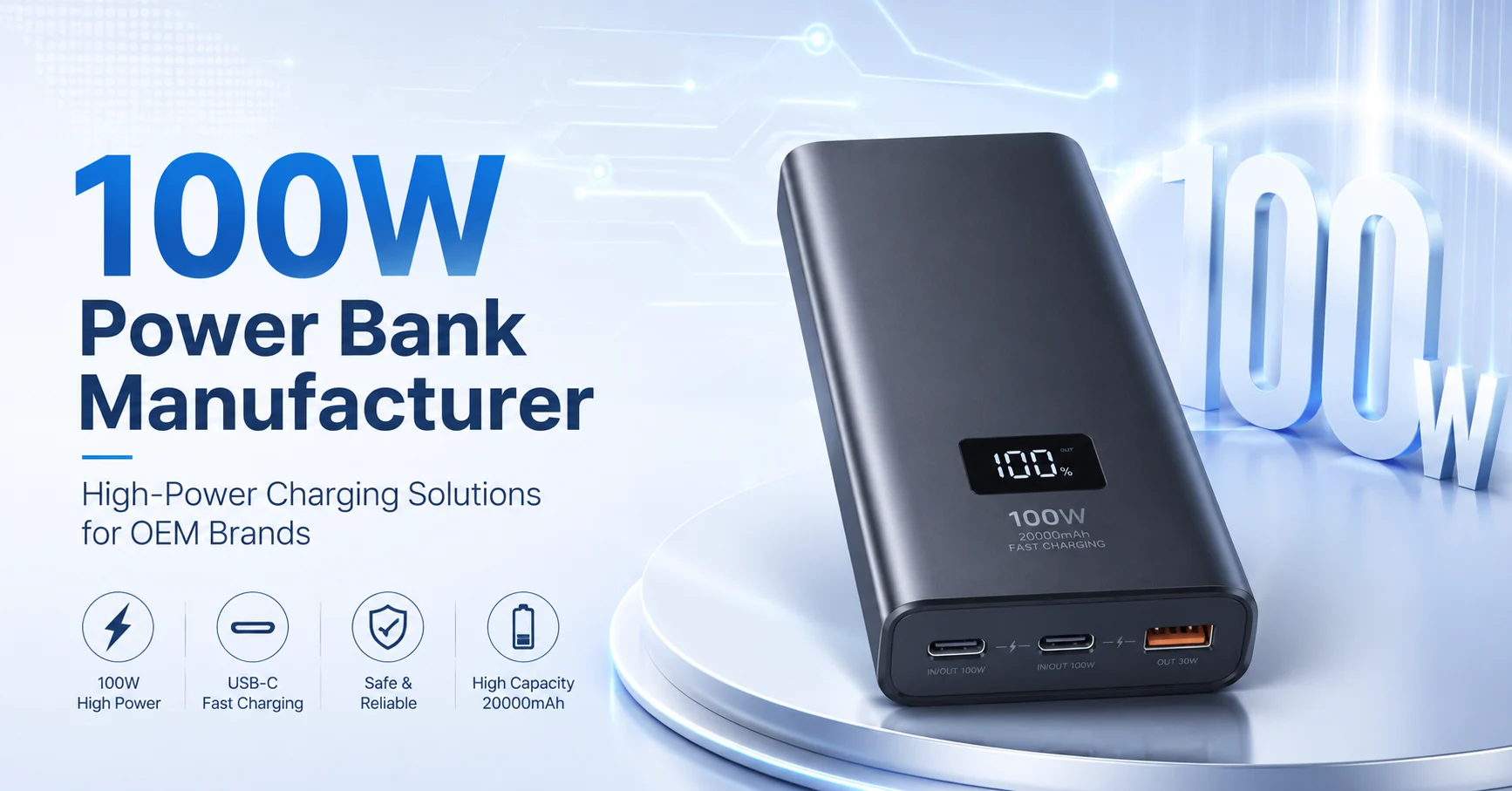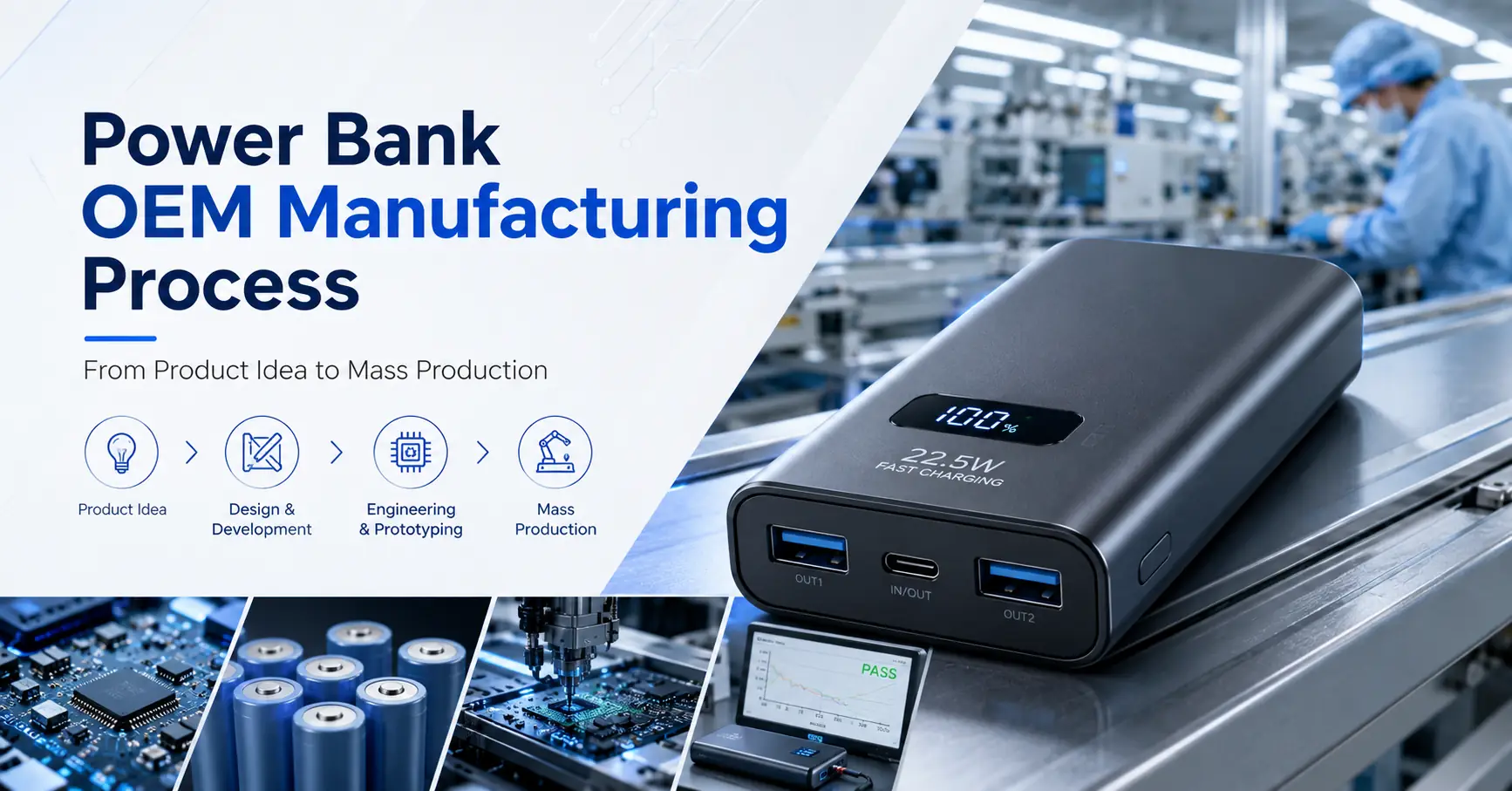

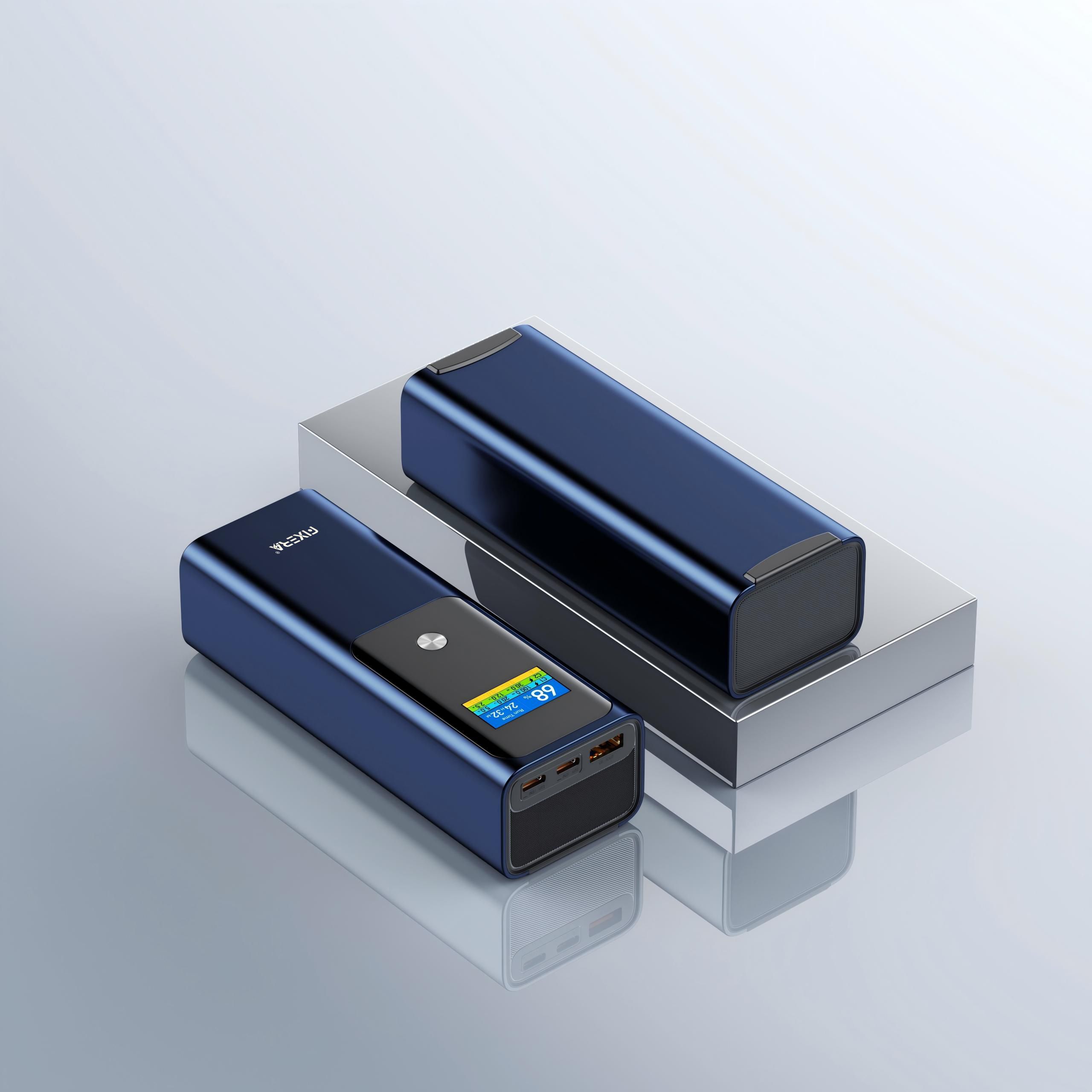
With the growing demand for mobile work, a reliable 20,000mAh high-capacity power bank has become essential for laptop users. However, when evaluating the myriad of products on the market—especially from a B2B procurement perspective—simply looking at capacity is no longer enough to meet expectations for performance, efficiency, and long-term reliability.
The true value of a power bank lies in whether it can deliver a “factory-original speed” charging experience while maintaining stable, low-heat operation under high loads.
For global electronics wholesalers, brand owners, and major platform sellers, choosing a substandard power bank can lead to customer complaints at best, and product recalls or platform bans at worst—resulting in potentially enormous business losses.
AOVOLT, a vertically integrated manufacturer specializing in smart fast charging and mobile power, has built a development team of senior engineers from top smartphone brands such as Xiaomi, OPPO, and Vivo. With deep insights into these core pain points, they focus on providing customers worldwide with differentiated products that offer “factory-original speed” and “low-heat stability,” helping businesses reduce risk and establish strong brand credibility in a competitive market.
The 20,000mAh Paradox: Capacity vs. Effective Energy Output
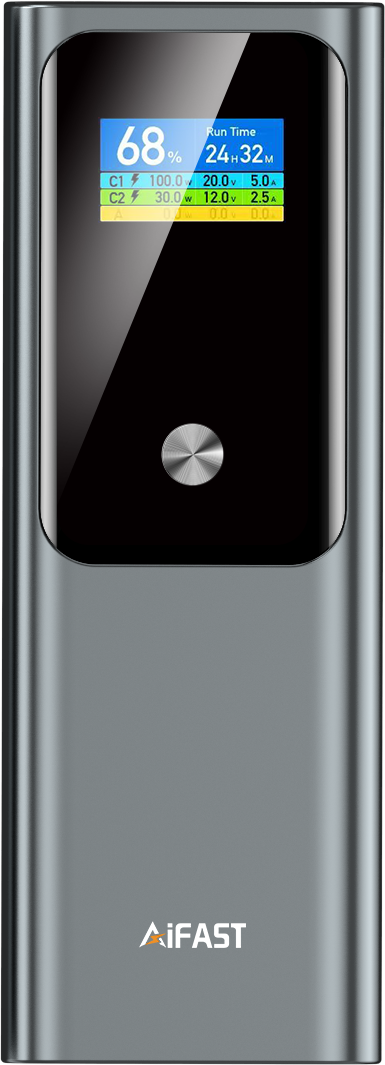
20,000mAh is an attractive figure, promising multiple laptop charges. However, this number represents the total energy stored in the battery pack under specific conditions—not the actual usable energy delivered to your device. Efficiency losses occur during multiple energy conversion steps, directly affecting real-world charging performance.
Understanding Conversion Rates: Why Generic 20,000mAh Power Banks Fail
From the battery cells’ DC output to the internal DC-DC converter circuits, then through USB PD protocol to the laptop, there are at least two major energy conversion stages—each generating heat and causing efficiency loss.
Primary Conversion Loss: Internal DC-DC converters, especially for high-power outputs (65W, 100W, or even 140W), can have efficiencies as low as 85–90% if poorly designed. For example, a nominal 20,000mAh battery (≈74Wh at 3.7V) may only deliver 63–67Wh to the device.
Cable Losses: Even high-quality USB-C cables introduce some resistance. While minor, it’s non-negligible at full power output.
Why This Matters:
For B2B buyers seeking stable, efficient laptop power delivery, the concern is not “theoretical capacity,” but actual usable energy. A low-efficiency 20,000mAh power bank might fail to fully charge a laptop, impacting customer satisfaction and product reputation.
AOVOLT engineers leverage extensive experience in smartphone fast charging to optimize DC-DC converter design. Using advanced synchronous rectification technology and carefully engineered PCB layouts, internal energy loss is minimized. At the same 20,000mAh capacity, AOVOLT products deliver higher effective output energy, ensuring customers experience performance closer to the rated specification.
The Role of High-Quality Li-Polymer Cells in Cycle Life and Safety
Before diving further into conversion efficiency, it’s essential to recognize that the battery cells themselves—the starting point of all energy—determine overall performance and safety.
-
Capacity Decay and Cycle Life: Low-quality Li-polymer cells may meet initial capacity specs but degrade rapidly after a few hundred charge cycles, falling short of B2B durability expectations.
-
Internal Resistance and Heat: Low-quality cells typically have higher internal resistance, generating excess heat under high-power output—accelerating aging and creating safety risks.
AOVOLT selects high-density, long-life cells from top-tier brands and applies strict screening and testing standards. This ensures:
-
Stable Rated Capacity: Products maintain their advertised 20,000mAh over time.
-
Lower Internal Resistance: Minimizes heat and improves efficiency.
-
Longer Cycle Life: Reliable performance over years, enhancing customer loyalty.
This dedication to cell quality is the foundation for achieving “factory-original speed” and “low-heat operation.”
Engineering the "Original Speed": The Science of PD 3.1 and Smart PCBA
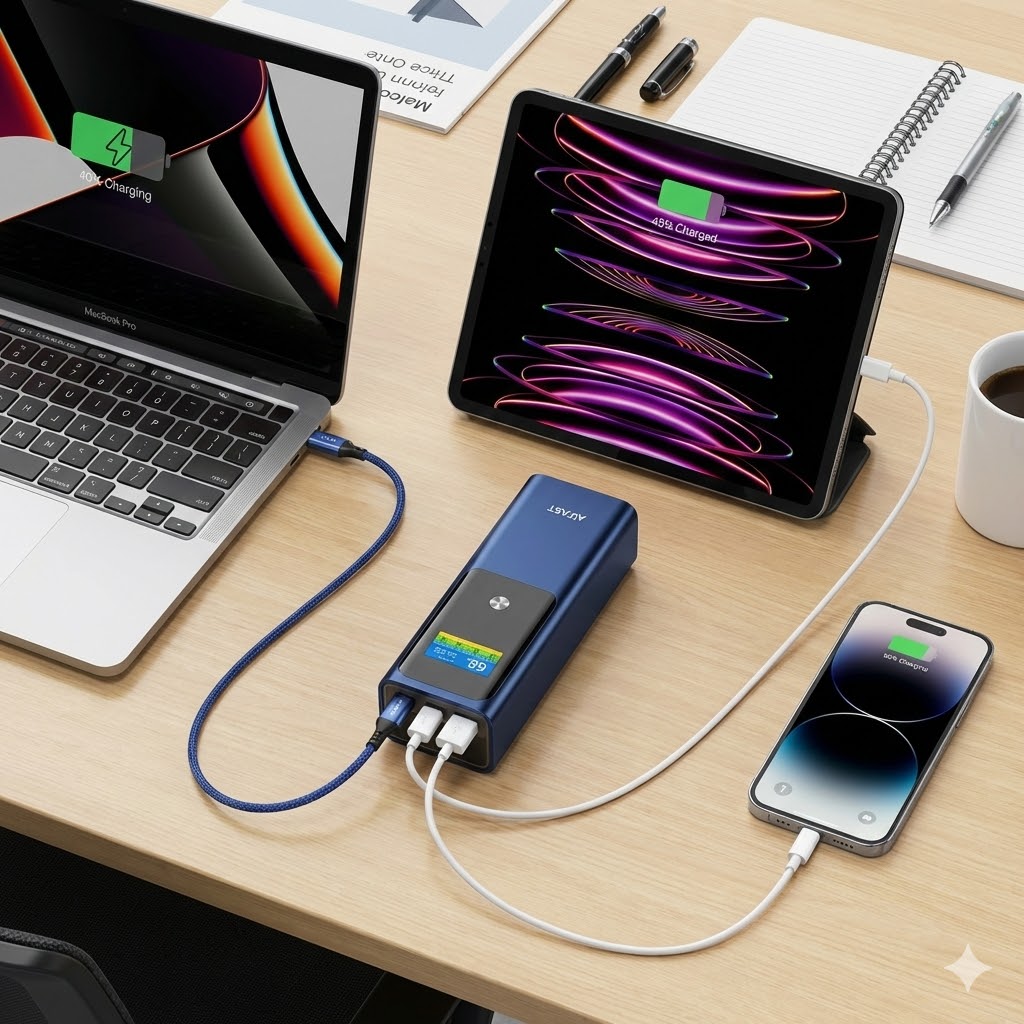
In 2026, PD 3.1 protocol is the baseline for high-capacity power banks. However, simply supporting the protocol doesn’t guarantee “original speed.” Many generic designs fail to maintain stable power when connected to laptops due to handshake mismatches or fluctuating output curves, preventing the device from reaching its maximum charging power.
How AOVOLT Optimizes Power Delivery Curves
AOVOLT’s core R&D team, drawn from top smartphone brands, applies advanced phone-side charge pump technologies and power management algorithms to mobile power banks.
-
Smart Dynamic Allocation: AOVOLT’s proprietary PCBAs detect device load in real-time. A single-port output can lock in up to 140W full-speed current (for PD 3.1-compatible laptops). Multi-port usage is intelligently balanced, prioritizing laptop power.
-
Ripple Control and Stability: Smaller voltage ripples reduce stress on laptop motherboards. Optimized filtering circuits allow AOVOLT products to deliver near “factory-level” clean current. Here’s a guide to customizing your wireless power bank: Utilizing PCBAs for greater efficiency.
The Impact of PPS (Programmable Power Supply) on Battery Health
PPS, a key subset of PD 3.0+, lets the power bank adjust output voltage in 20mV increments based on laptop battery voltage and temperature during charging.
Table 1: AOVOLT Smart Fast Charging vs. Generic Solutions
| Performance Metric | Generic Industry Solutions | AOVOLT Proprietary Optimization | B2B Value Impact |
|---|---|---|---|
| PD Protocol Support | Basic PD 3.0 / 65W | Full PD 3.1 / 140W (PPS compatible) | Supports latest 2026 flagship laptops |
| Power Conversion Efficiency | 82–85% | 92–94% | Reduces energy waste, extends runtime |
| Current Ripple Control | 150–200mV | <50mV | Protects expensive laptop motherboards |
| Device Detection Speed | 2–3s handshake delay | <0.5s plug-and-charge | Enhances end-user experience |
The "No Overheating" Advantage: Thermal Management Matters in Bulk Sourcing
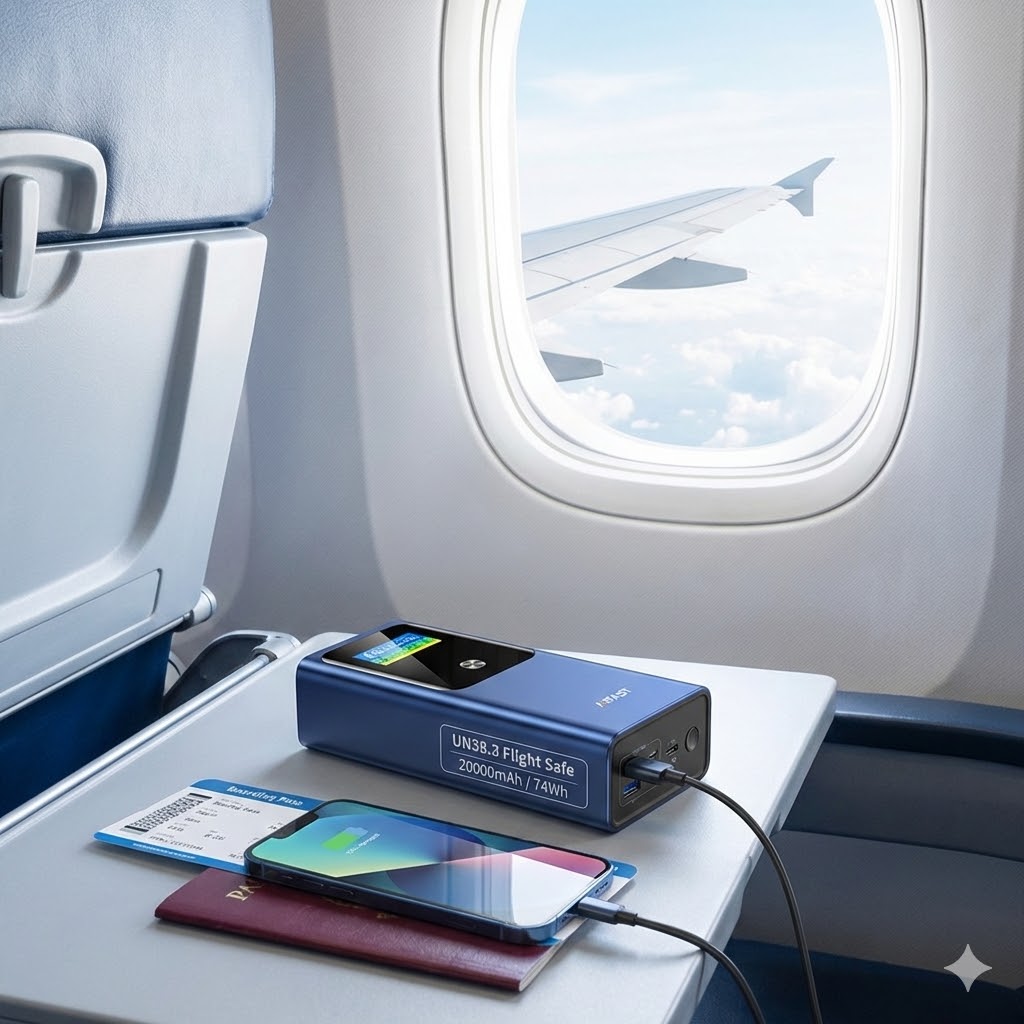
For bulk buyers, overheating is more than a user-experience issue—it directly impacts warranty claims and safety. High-energy 20,000mAh packs under sustained 100W+ output generate significant internal heat.
GaN Technology: Shrinking Size While Boosting Efficiency
By 2026, third-generation Gallium Nitride (GaN) tech has matured. AOVOLT integrates GaN chips into 20,000mAh power banks.
-
High-Frequency Switching: GaN supports higher switching frequencies, enabling smaller inductors/transformers and reducing switching losses.
-
Thermal Resistance Optimization: Lower on-resistance compared to silicon devices reduces heat generation, forming the technical basis for low-temperature fast charging.
Multi-Point NTC Temperature Monitoring
Hardware cooling alone isn’t enough—software-based active protection is critical. AOVOLT places high-precision NTC thermistors at key PCBA hotspots and battery pack centers.
-
100 Measurements per Second: Temperature curves are monitored millisecond by millisecond.
-
Stepwise Power Adjustment: When preset thresholds are reached, output power is smoothly modulated rather than abruptly cut off. This “soft power limit” protects hardware while keeping charging uninterrupted.
B2B Selection Criteria: What Professional Buyers Must Check

In cross-border trade and large retail channels, compliance is non-negotiable. A 20,000mAh power bank without strict certifications risks legal issues in the EU or North America.
Certification Deep Dive: Beyond CE/RoHS to IEC 62133 and UN38.3
Professional buyers must distinguish between marketing gimmicks and market-entry essentials.
Table 2: Global Power Bank Market Certifications
| Certification | Region | Key Focus | AOVOLT Status |
|---|---|---|---|
| IEC 62133 | Global | Battery safety (drop, crush, thermal shock) | Fully certified |
| UN38.3 | Air/Sea Transport | Safety during shipment | Fully certified |
| UL 2056 | North America | Extreme risk protection (fire, explosion) | Optional custom |
| CE / FCC | EU / US | EMC & basic safety | Standard |
| MSDS | Logistics | Chemical safety documentation | Complete reports provided |
Patent Protection: Preventing Platform Bans
For Amazon, eBay, and other sellers, product similarity can lead to patent infringement claims. AOVOLT products hold independent design patents (ID Patent), avoiding generic molds.
-
Differentiated Competition: Unique visual identity on shelves.
-
Legal Moat: Reduces risks of delistings and frozen funds due to appearance infringement.
Why AOVOLT is the Preferred Partner for High-Performance Power Solutions
As a vertically integrated manufacturer, AOVOLT doesn’t just assemble products—they define them.
-
In-House Factory (ISO9001 certified): Full traceability from raw materials to SMT assembly and aging tests.
-
Ultra-Low Defect Rate: Automated testing keeps shipping defect rates below 0.1%, far lower than industry averages.
-
Customizable OEM/ODM Services: Supports interface layouts (e.g., additional USB-C ports) or housing materials (aluminum vs. flame-retardant PC), enabling rapid prototyping and production.
Conclusion: Investing in Reliability Over Surface-Level Specs
When choosing a 20,000mAh laptop power bank, spec sheets are just the tip of the iceberg. For B2B buyers seeking long-term brand value, PCB conversion efficiency, active thermal management depth, and global compliance certifications are the real pillars of competitiveness.
AOVOLT delivers not just an electronic accessory, but a trusted brand endorsement through “factory-original speed” and “low-heat operation.” In the increasingly competitive 2026 market, professionalism equals growth.
Contact the AOVOLT Team:
If you’re seeking a high-performance power bank OEM/ODM partner or need the latest technical whitepapers and certification lists, reach out via our official website or B2B contact channels. Our senior technical experts will provide customized power solutions tailored to your business.
References: