
Launching a power bank product seems simple at first.
But in real projects, brands often encounter:
- inconsistent product quality
- high return rates (8–12%)
- missing certifications blocking shipments
- suppliers unable to scale production
These are not manufacturing issues — they are system failures.
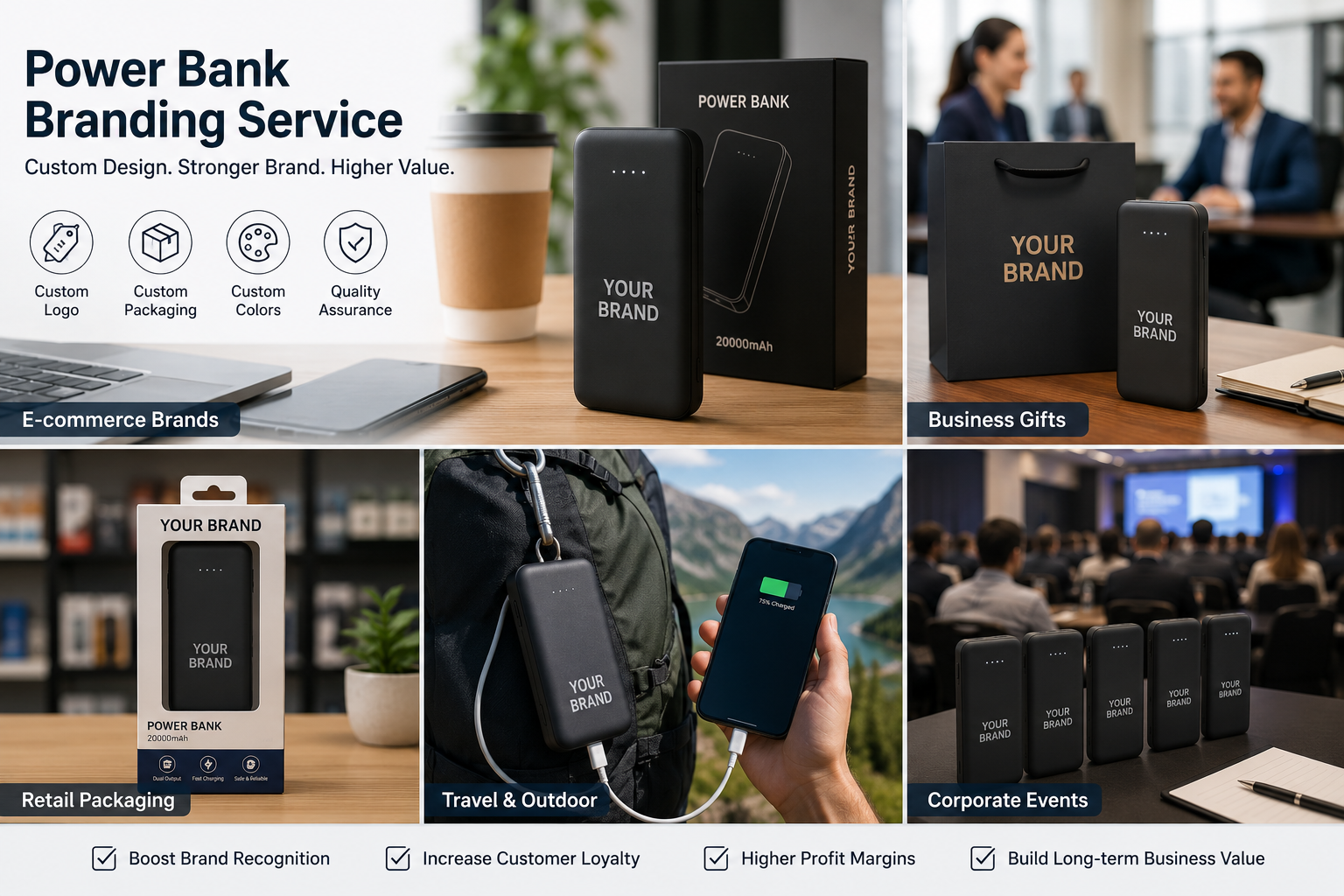
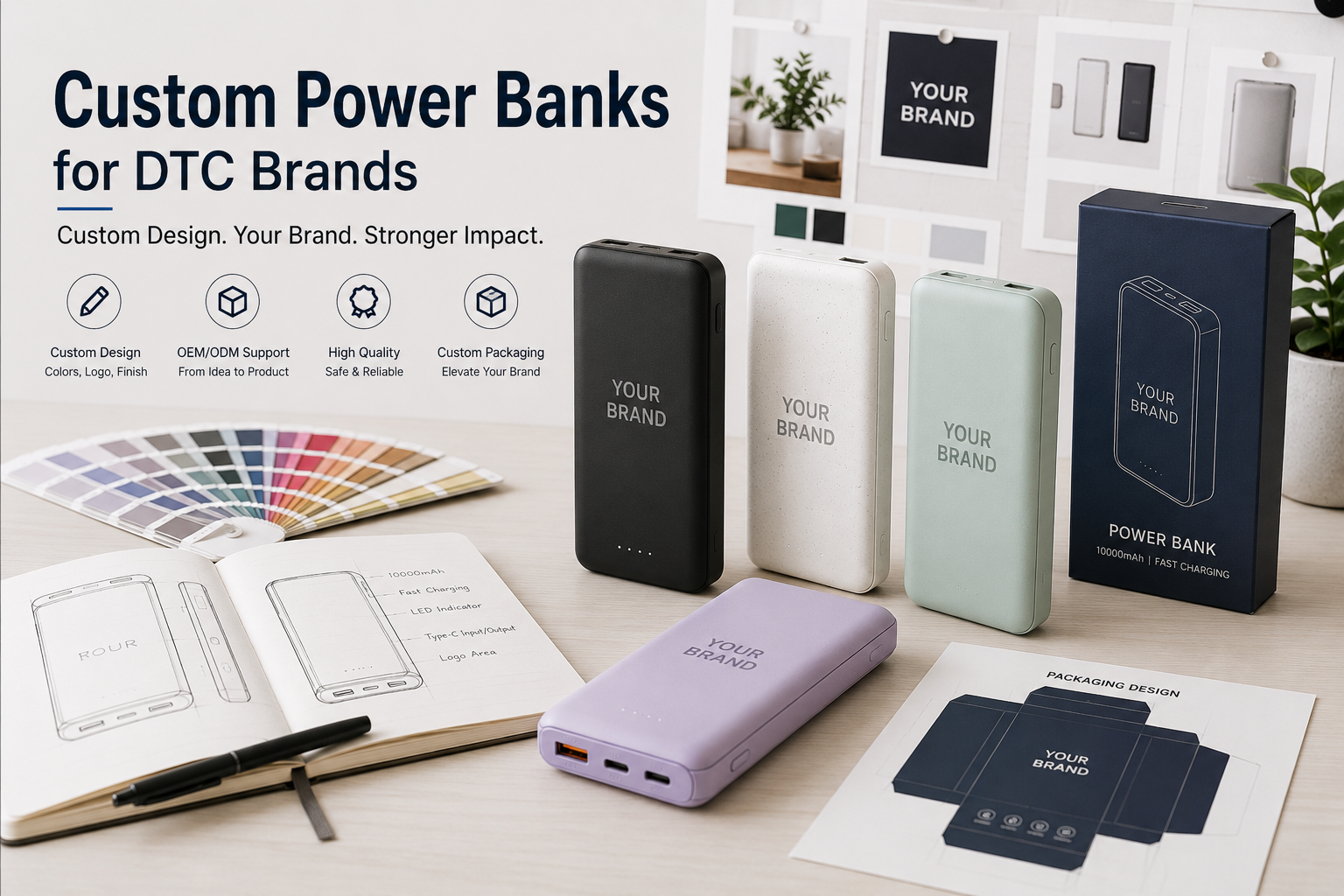
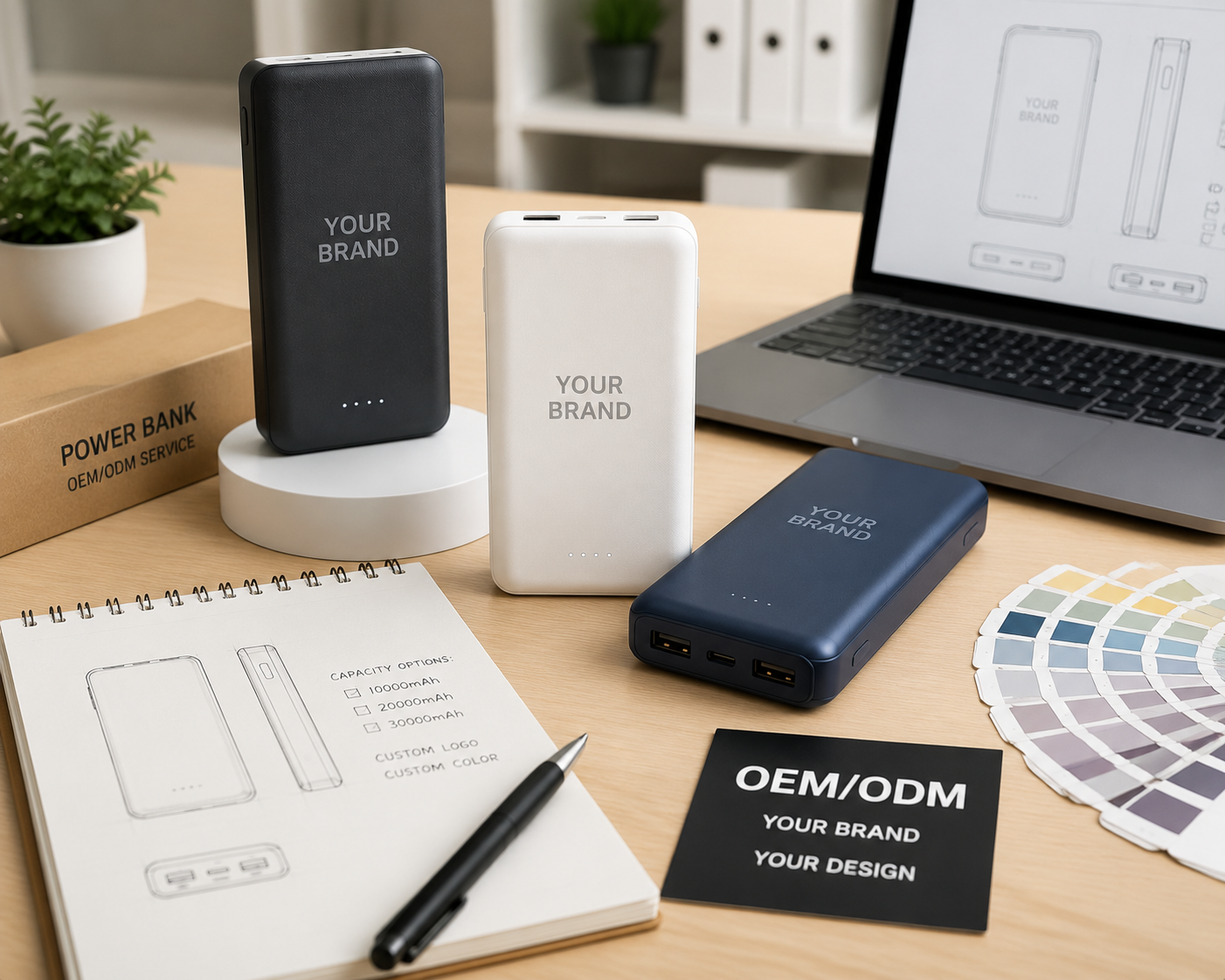
That’s why leading brands rely on a complete power bank OEM solution, not just a factory.
What a Real Power Bank OEM Solution Actually Includes
A professional power bank OEM solution is a full lifecycle system covering design, production, compliance, and delivery.
Product Definition Based on Market Use
Before production begins, a proper OEM partner defines:
- target users (travel / business / outdoor)
- required capacity (10,000–30,000mAh)
- charging demand (20W / 45W / 65W PD)
This prevents mismatches between product specs and real market demand
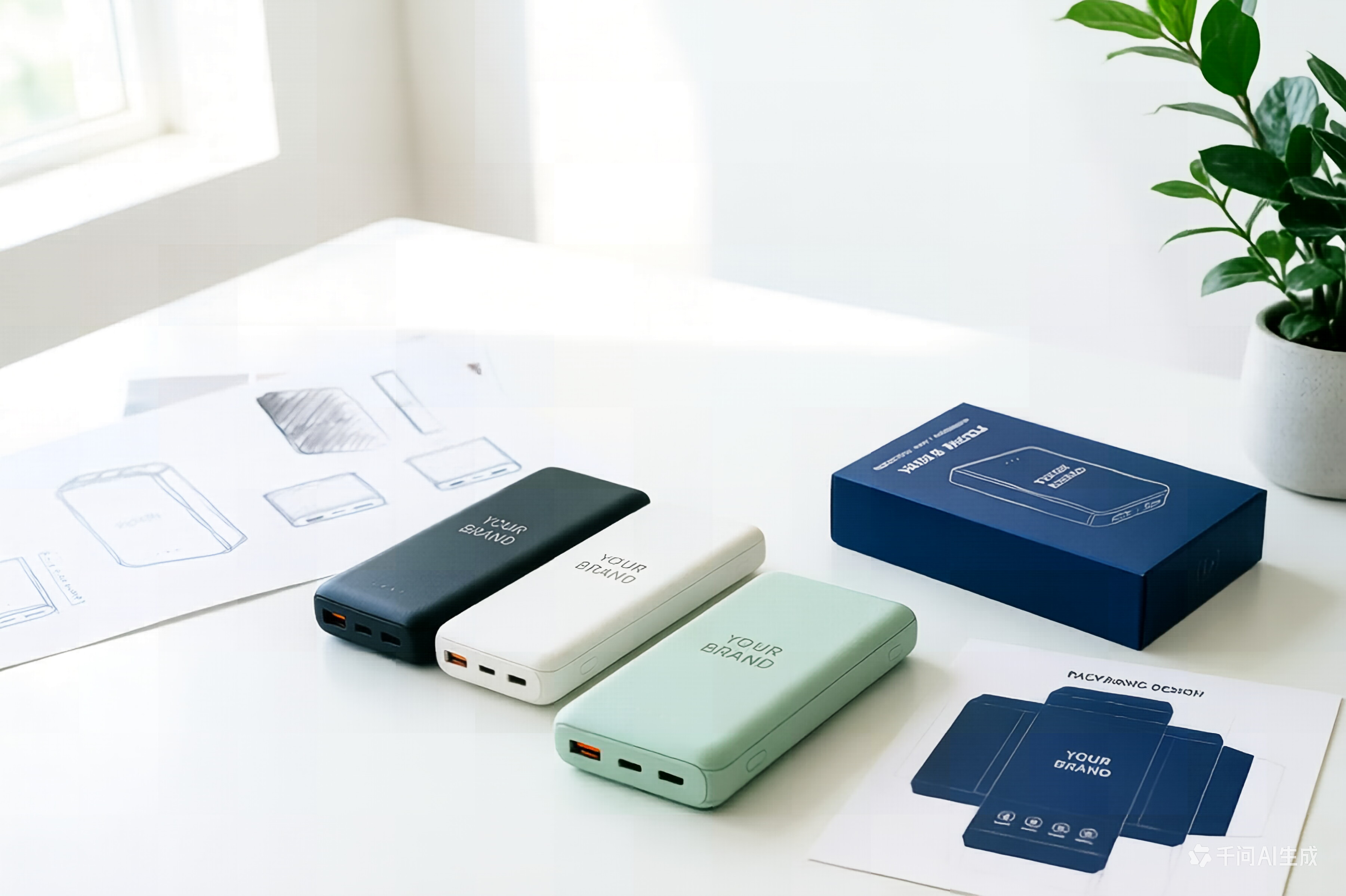
Engineering and Structural Design
- internal layout optimization (battery + PCB)
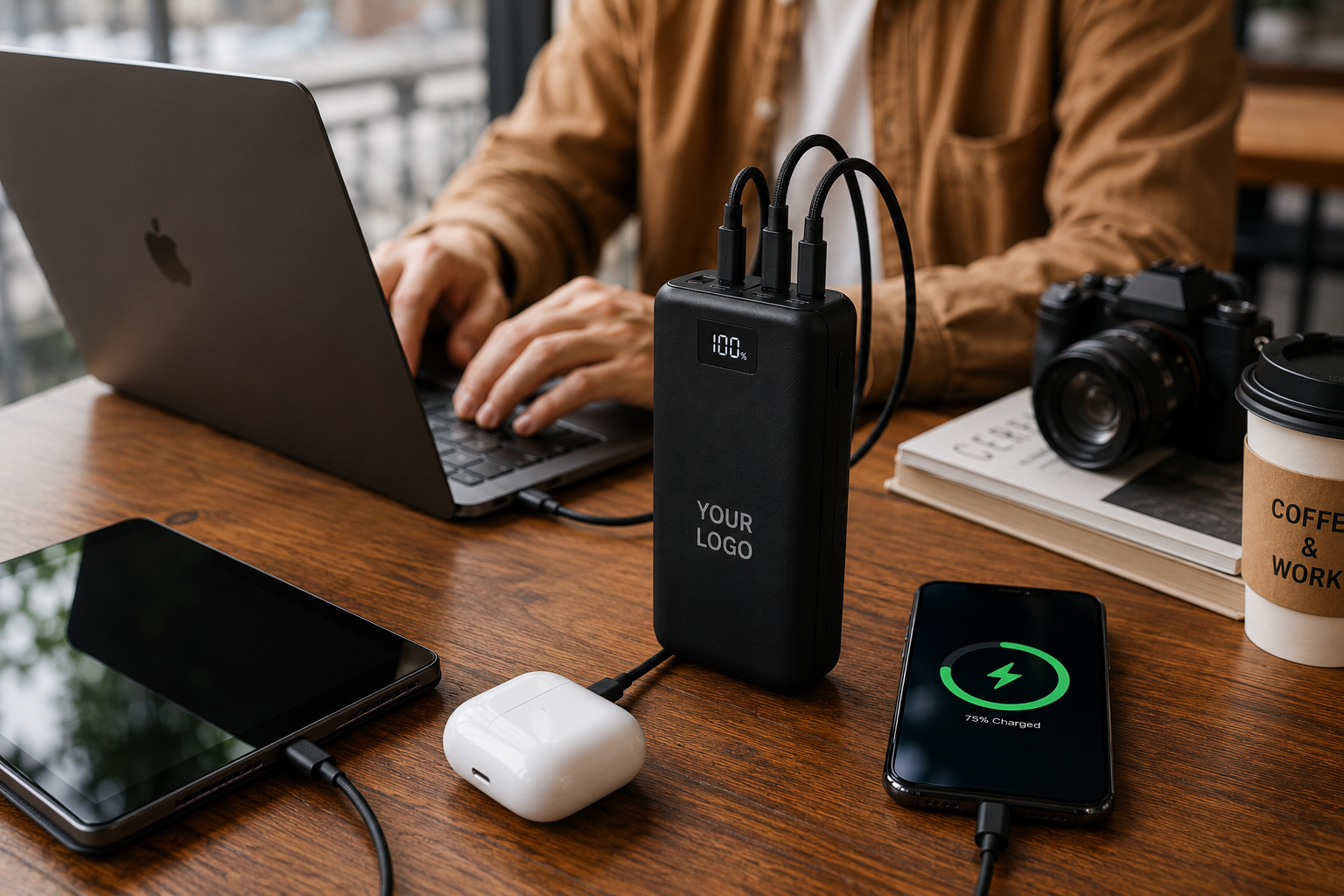
- multi-port architecture (USB-C + USB-A + wireless)
- compact thermal structure
A well-designed structure reduces heat by 15–25% compared to generic layouts
Certified Battery and Safety System
| System | Function |
|---|---|
| BMS (Battery Management System) | voltage & current control |
| PCM Protection | overcharge / short circuit protection |
| Thermal sensors | real-time temperature adjustment |
High-quality OEM solutions ensure:
800–1000 charge cycles with ≥80% capacity retention
OEM Manufacturing: Where Quality Is Actually Defined
Most quality issues appear not in design—but in production.
Standardized Production System
A reliable power bank OEM solution includes:
- automated assembly lines
- component consistency control
- traceable batch management
Testing and Validation Process
| Test Type | Purpose |
|---|---|
| Full-load test | output stability |
| Cycle test | battery lifespan |
| Thermal test | safety under load |
| Aging test (6–8h) | long-term reliability |
Result: failure rate reduced to below 2%
Certification: The Most Common Reason Projects Fail
According to global logistics data, over 30% of battery shipments are delayed due to compliance issues.
A complete power bank OEM solution must support:
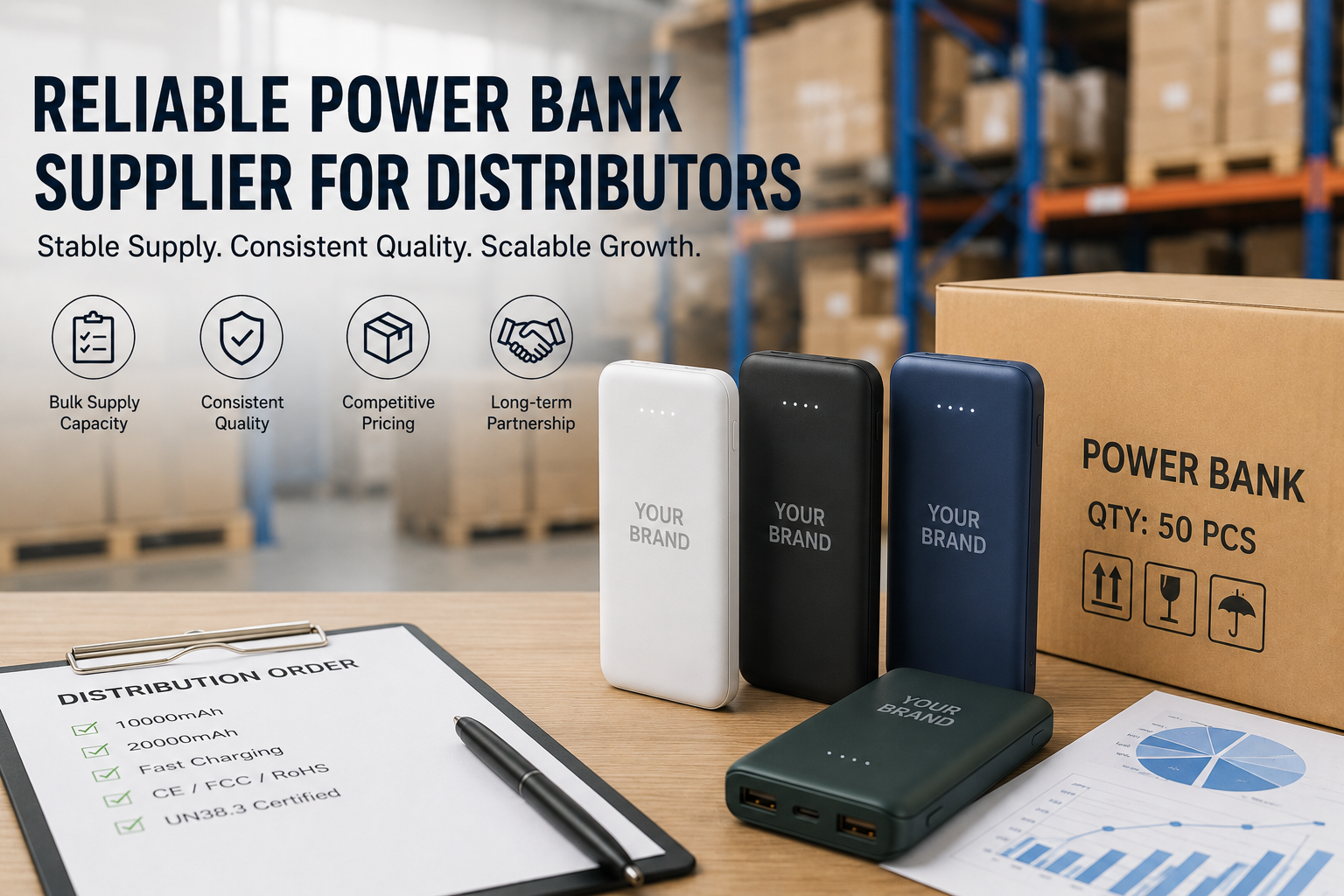
- UN38.3 → required for air/sea shipping
- CE / FCC → EU & US market access
- RoHS → environmental compliance
- MSDS → safety documentation
Without these, products cannot legally enter major markets
Cost vs Profit: The Real Business Calculation
Many buyers focus on unit price.
But experienced brands evaluate total lifecycle cost.
Real ROI Comparison
| Factor | Low-Cost Supplier | OEM Solution |
|---|---|---|
| Unit Price | Lower | +10–15% |
| Return Rate | 8–10% | 2–3% |
| Warranty Cost | High | Low |
| Brand Rating | Unstable | Strong |
A complete power bank OEM solution improves profit stability by reducing hidden costs
How to Choose the Right OEM Partner
Key Evaluation Checklist
A reliable power bank OEM solution provider must offer:
- Verified battery sourcing (A-grade cells)
- Complete certification support
- Stable production capacity
- Custom design capability
- Real project experience
Simple Verification Question
Ask this:
“What is your battery cycle performance after 800 cycles?”
If the answer is unclear, the supplier is not qualified.
Industry Trends: What Will Define OEM in 2026
According to industry reports from organizations like IEA (International Energy Agency) and battery manufacturers, the market is shifting toward:
- higher power outputs (45W–100W)
- multi-device charging ecosystems
- GaN-based efficiency improvements
- sustainable materials and design
OEM partners must evolve with these trends
From Product to System: The Future of OEM
The role of OEM suppliers is changing.
They are no longer just manufacturers — they are:
- product architects
- compliance experts
- supply chain partners
A modern power bank OEM solution integrates all three.
FAQ: What Buyers Really Want to Know
How much does a custom power bank cost?
Typically 10–20% higher than standard products, but with significantly lower return rates.
How long does OEM development take?
- Sampling: 7–15 days
- Mass production: 25–40 days
Can OEM suppliers handle certifications?
Yes, a complete power bank OEM solution includes certification support.
What is the ideal lifecycle for commercial products?
At least 800+ cycles to ensure long-term usability.
Final Thoughts: OEM Is a Growth Strategy, Not Just Production
In a saturated market, product success depends on:
- consistency
- safety
- scalability
A professional power bank OEM solution allows brands to:
- reduce risk
- improve customer experience
- scale efficiently
If you are planning your next product line, explore:
https://www.esccharge.com/
ESCCharge provides end-to-end OEM solutions designed for global markets.