
In the past, most users chose a power bank based on capacity and price.
Today, the decision-making process has shifted. Users now ask:
- Will it overheat?
- Will performance drop after a few months?
- Can it handle long-term daily use safely?
These concerns become even more important in real-life scenarios such as:
- Carrying the device in a bag for long periods
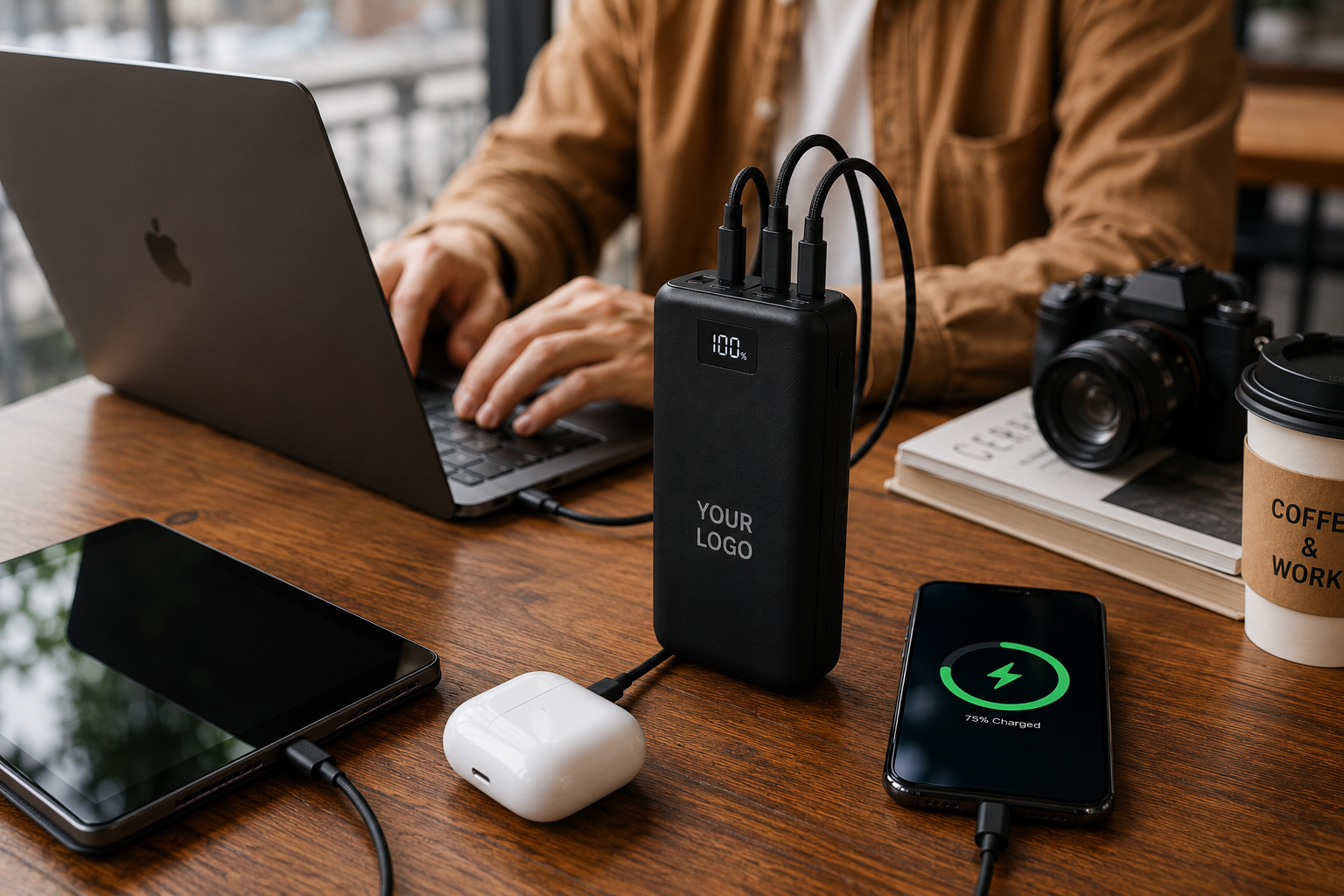
- Charging multiple devices at the same time
- Using the power bank during flights or travel
In these environments, safety is no longer optional—it is essential.
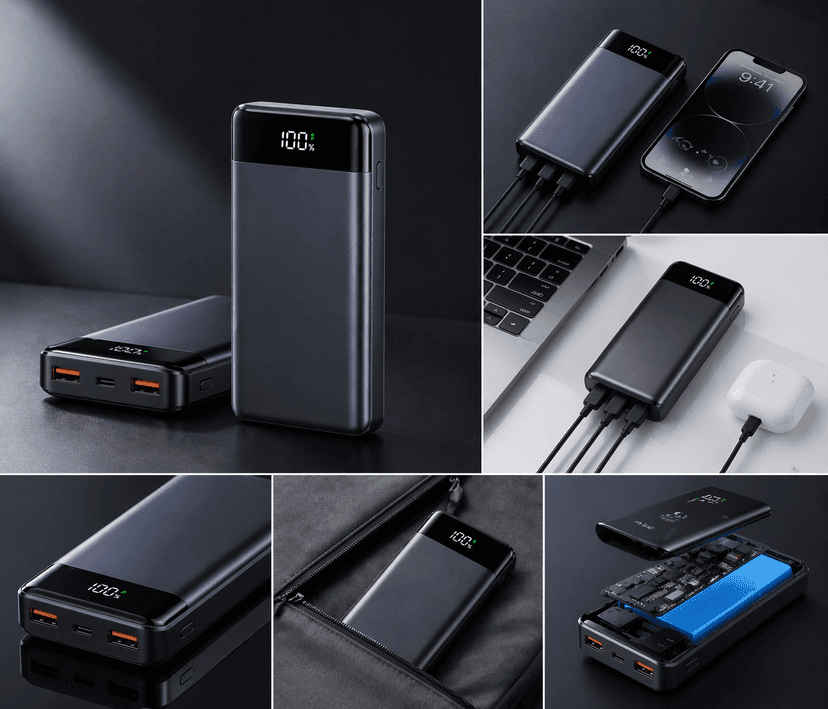
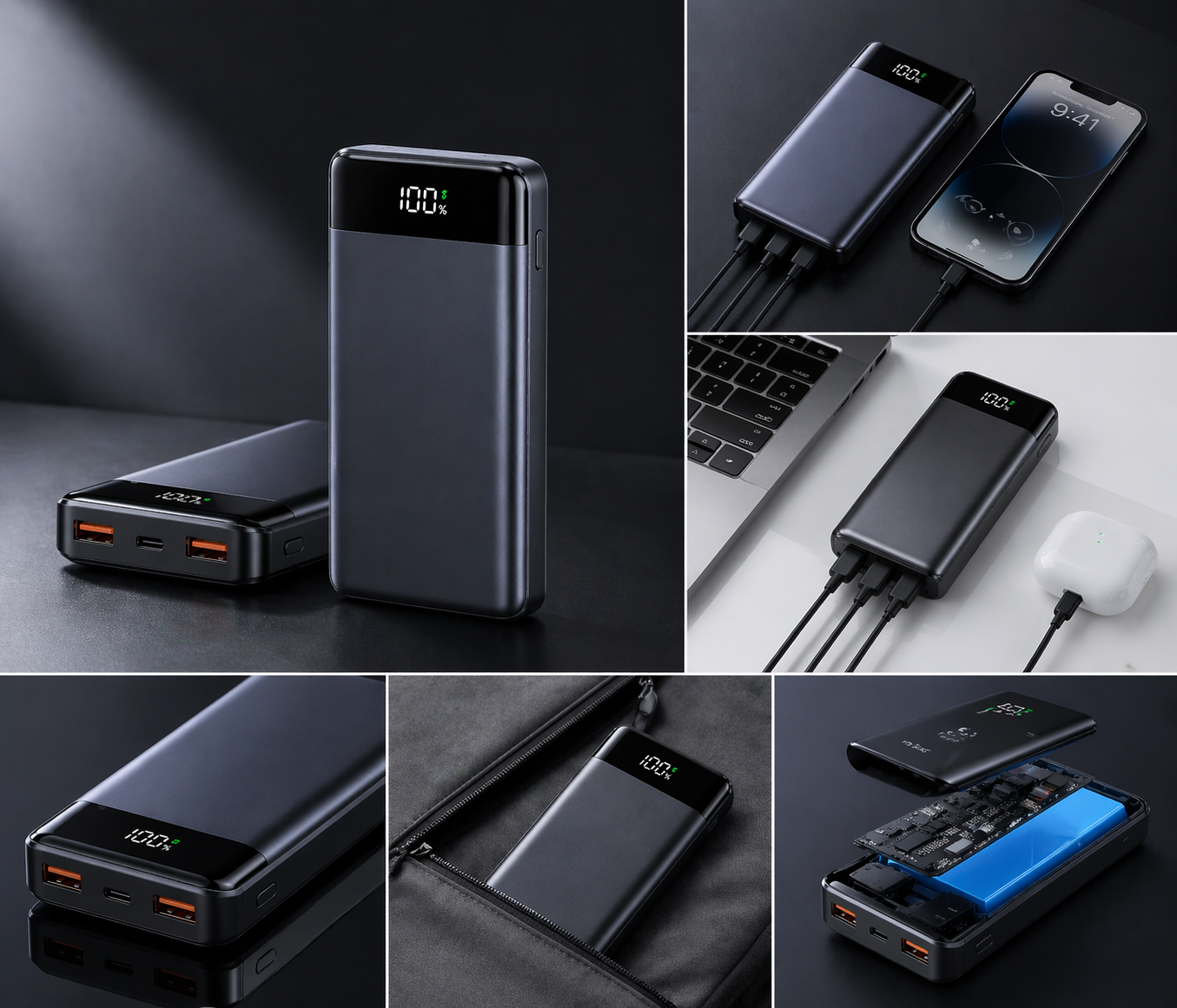
This is exactly where the AOVOLT safe power bank stands out, offering a system-level safety approach rather than isolated features.
What Defines a Truly Safe Power Bank
A safe power bank is not defined by a single function. It is the result of multiple systems working together.
Multi-Layer Protection Architecture
The AOVOLT safe power bank integrates a complete protection system, including:
- Overcharge protection
- Over-discharge protection
- Short circuit protection
- Overcurrent protection
- Temperature protection
The key advantage lies in proactive control.
Instead of reacting after a problem occurs, the system continuously monitors and adjusts performance to prevent issues in advance.
High-Grade Battery Cell Selection
Battery cells determine both safety and lifespan.
The AOVOLT safe power bank uses:
- High-density lithium polymer cells
- Low internal resistance design
- Matched cell grouping for stability
Performance data shows:
- 800–1000 charge cycles
- Over 80% capacity retention
Compared to standard products (300–500 cycles), this represents a significant improvement in long-term reliability.
Thermal Stability: The Real Test of Safety
Most battery failures are not caused by usage alone—but by heat.
When temperatures exceed 45°C over time, it can lead to:
- Electrolyte breakdown
- Battery swelling
- Rapid capacity degradation
How AOVOLT Controls Heat
The AOVOLT safe power bank applies a three-layer thermal strategy:
GaN Technology
Improves energy efficiency above 93% and reduces heat generation by up to 30%.
Thermal Structure Design
Aluminum housing and internal heat dissipation layers help distribute heat evenly.
Smart Temperature Control
Real-time monitoring adjusts current output dynamically.
Under heavy load conditions, operating temperature remains within:
38–42°C, ensuring stable performance.
Stable Output Under Real Usage Conditions
Lab performance is one thing—real-world performance is another.
In everyday use, power banks are expected to handle:
- Charging while the device is in use
- Multiple devices connected simultaneously
- High-load activities like gaming or streaming
Real Performance Comparison
| Scenario | Standard Power Bank | AOVOLT Solution |
|---|---|---|
| Fast charging | Stable | Highly stable |
| Multi-device use | Voltage drop | Smart allocation |
| Long-duration use | Overheating | Controlled temperature |
| High load usage | Performance drop | Stable output |
The key difference lies in intelligent power distribution and system stability.
Practical Scenarios Where Safety Matters Most
Daily Carry (Bag or Pocket Use)
Compact spaces limit airflow, making heat management critical.
A stable temperature system ensures safe everyday use.
Business Travel
Frequent usage, multiple devices, and airline requirements demand:
- Certified safety standards
- Reliable performance
Mobile Work Setup
Simultaneous charging of smartphones, tablets, and laptops requires:
- Multi-port output
- Stable current distribution
Outdoor and High-Temperature Environments
In hotter climates or extended use cases, safety depends heavily on thermal control and battery stability.
Why Lifecycle Matters as Much as Safety
Safety is not only about preventing failure—it is about maintaining performance over time.
Lifecycle Comparison
| Metric | Standard Power Bank | AOVOLT Solution |
|---|---|---|
| Charge cycles | 300–500 | 800–1000 |
| Lifespan | 1–2 years | 3+ years |
| Capacity degradation | Fast | Slow |
A longer lifecycle directly translates into better user experience and lower long-term cost.
How to Evaluate a Safe Power Bank Before Buying
Certification
Always check for:
- UN38.3 (transport safety)
- CE / FCC (market compliance)
- RoHS (environmental standards)
Thermal Performance
A reliable power bank must maintain stable performance during extended use without overheating.
Battery Data Transparency
Look for products that provide real testing data, especially:
- Cycle life
- Temperature performance
Without verifiable data, safety claims are often unreliable.
Market Trend: From Capacity to Reliability
The market focus is shifting.
Before:
“How many mAh?”
Now:
“How long will it last?”
“Is it safe?”
This shift explains why the AOVOLT safe power bank is becoming more relevant in today’s market.
Final Thoughts: Safety Is the Real Premium Feature
In 2026, a high-quality power bank is no longer defined by size or capacity alone.
The true value lies in:
- Safety
- Stability
- Durability
These are the features that drive long-term user trust and repeat purchases.
The AOVOLT safe power bank represents a complete system approach to charging—designed not just for performance, but for reliability over time.
For brands and OEM projects looking to implement high-standard charging solutions, you can also explore:
https://www.esccharge.com/
to learn more about advanced safety design, battery technology, and scalable production capabilities.